In an era defined by digital distraction, the ability to perform ‘deep work’—cognitively demanding tasks executed in a state of high concentration—has become a superpower for the modern professional. Yet, achieving this state within the dynamic, socially vibrant atmosphere of a coworking space presents a unique paradox. These hubs of collaboration and networking can sometimes be antithetical to the quiet solitude required for profound focus. As the professional landscape evolves, understanding how to harness the energy of a shared environment without sacrificing individual productivity is paramount. This guide explores the strategies and environmental factors crucial for mastering cognitive performance, with a special focus on how these principles are being applied within the innovative and ever-adapting workspaces found throughout the German capital. It’s about transforming potential distractions into a productive hum, leveraging community for motivation, and designing a personal workflow that enables peak intellectual output. The challenge is not to escape the coworking environment, but to master it for optimal results.
Designing your focus sanctuary
The first step to achieving deep work is curating a personal environment that signals to your brain it’s time to concentrate. This goes beyond simply finding a quiet corner. In the context of a bustling coworking space, it requires a multi-sensory approach to creating a ‘focus sanctuary’. High-quality, noise-canceling headphones are non-negotiable, acting as the primary barrier against auditory distractions. The choice of audio matters, too; ambient soundscapes, instrumental music, or even white noise can be more effective than silence in masking unpredictable office chatter. Visually, decluttering your immediate workspace is crucial. A clean desk with only the essentials reduces cognitive load and minimizes the temptation for micro-procrastinations. Many professionals in Berlin are adopting ‘portable deep work kits’ that include not only headphones but also laptop stands for better ergonomics, external keyboards, and even small plants or personal items that create a sense of familiar, calming territory. The principle is to create a consistent, repeatable setup routine that acts as a ritual, mentally preparing you for the focused session ahead. This physical architecture of focus is the bedrock upon which all other deep work strategies are built, allowing you to carve out a pocket of tranquility amidst the collaborative chaos.
The strategic use of ‘work zones’
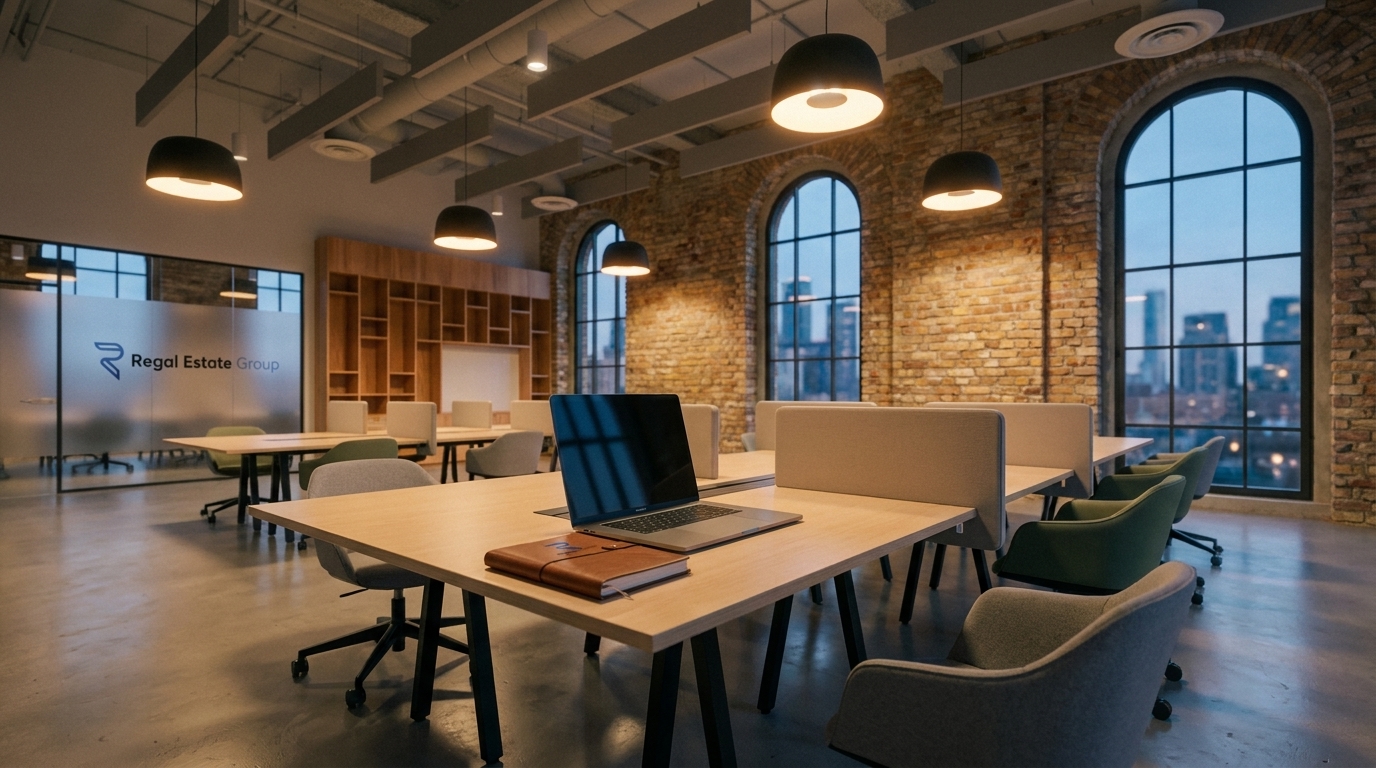
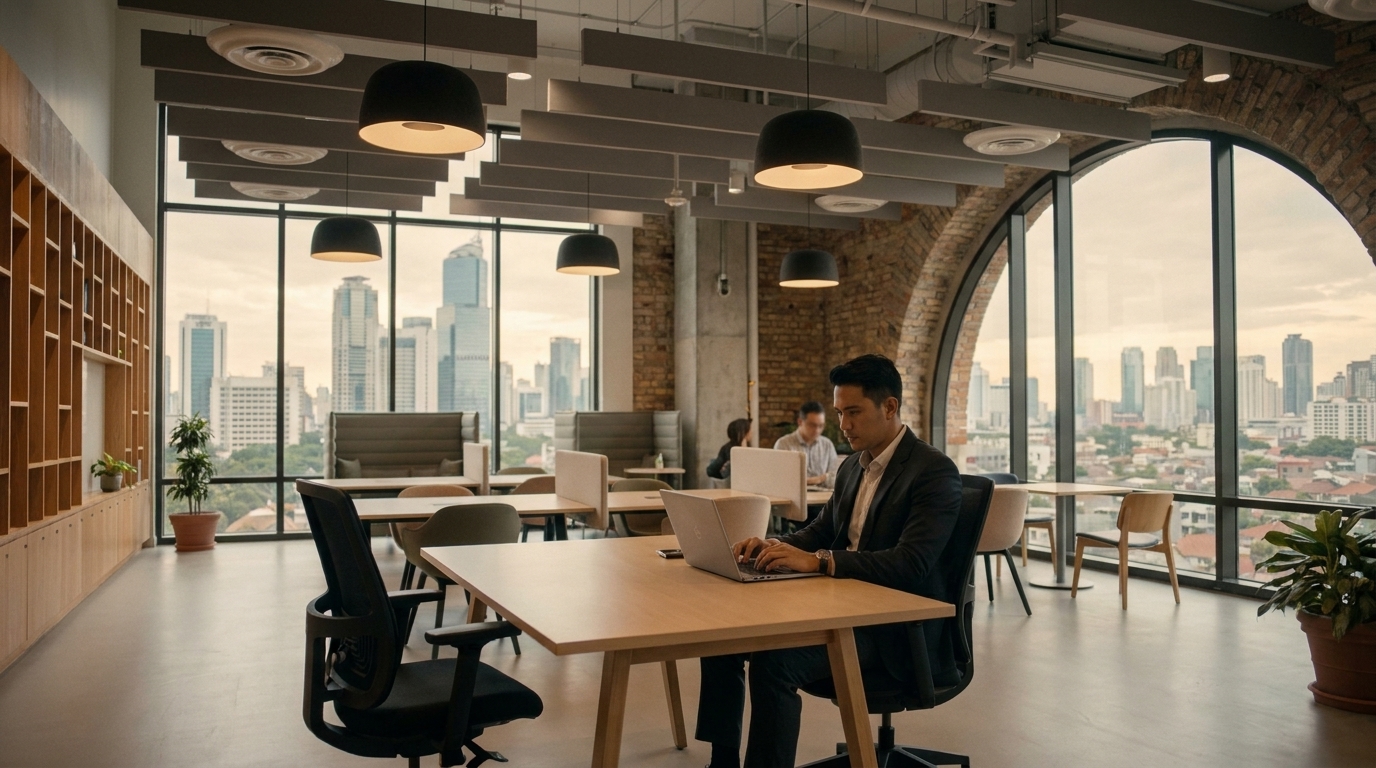
Modern coworking spaces are increasingly designed with the deep work dilemma in mind. Recognizing that not all tasks are created equal, premier facilities now offer a variety of ‘work zones’ tailored to different modes of operation. The key to productivity is to strategically match your task to the appropriate zone. Administrative tasks, responding to emails, or collaborative brainstorming are well-suited for the open, high-energy common areas. However, for tasks requiring deep concentration—such as writing, coding, or strategic analysis—it’s essential to migrate to designated quiet zones or private phone booths. These areas are not just physically separated; they are culturally enforced sanctuaries of silence. Successful professionals don’t just occupy a single desk for eight hours; they move fluidly throughout the space, leveraging its architectural diversity. For instance, a day might start with ‘shallow work’ in the café area, move to a quiet pod for a two-hour deep work block, shift to a collaborative lounge for a team meeting, and then return to the quiet zone. This activity-based working approach prevents mental fatigue and ensures that your environment supports, rather than hinders, your cognitive state. It transforms the coworking space from a single, potentially distracting room into a dynamic campus for productivity.
Time blocking and the Pomodoro Technique
Environmental control is only half the battle; structuring your time is equally critical for achieving deep work. Time blocking, a method where you schedule your day into specific, dedicated blocks for each task, is a powerful antidote to reactive, unfocused work. Instead of a vague to-do list, your calendar becomes a precise plan of action. For example, a block from 10 AM to 12 PM might be labeled ‘Deep Work: Draft project proposal.’ During this time, all other activities—email, social media, casual conversations—are off-limits. To enhance the effectiveness of these blocks, many professionals utilize the Pomodoro Technique. This involves breaking down a deep work session into 25-minute focused intervals, separated by short 5-minute breaks. After four ‘Pomodoros,’ a longer break of 15-30 minutes is taken. This method is particularly effective in a coworking setting as it provides structured opportunities to briefly disengage, grab a coffee, or stretch, preventing burnout while maintaining a high level of concentration during the work intervals. The short breaks make the intense focus more sustainable, while the timer creates a sense of urgency that discourages multitasking and encourages single-minded immersion in the task at hand. This structured approach to time management provides the discipline needed to protect your most valuable cognitive resources.
Leveraging technology for focus, not distraction
In the modern professional’s toolkit, technology is a double-edged sword. While essential for work, it is also the primary source of distraction. Mastering deep work requires a conscious effort to tame your digital environment. This begins with turning off all non-essential notifications on your computer and smartphone. The constant pings and pop-ups from emails, messaging apps, and social media are assassins of focus, pulling you out of a state of deep concentration for trivial matters. To enforce this, use website and application blockers during your scheduled deep work blocks. Tools like Freedom, Cold Turkey, or SelfControl can temporarily prevent access to distracting sites, removing the temptation entirely. Furthermore, leverage technology that aids focus. This could include project management software that clarifies priorities, note-taking apps that capture fleeting thoughts without derailing your current task, or even the simple act of closing all unnecessary browser tabs. In the tech-forward coworking spaces of Berlin, where connectivity is paramount, the discipline to digitally disconnect is a skill that separates the productive from the merely busy. By curating your digital workspace as carefully as your physical one, you reclaim control over your attention, directing it towards the tasks that truly matter.
The social contract of coworking productivity
While noise-canceling headphones and quiet zones are effective, the ultimate enabler of deep work in a shared space is the collective culture. A productive coworking environment operates on an implicit ‘social contract’ where members are mutually respectful of each other’s need for focus. This culture is often set by the community managers but is upheld by the members themselves. It involves being mindful of conversation volumes in open areas, taking phone calls in designated booths, and respecting the silent mandate of quiet zones. It also means developing non-verbal cues to signal your focus state. Wearing headphones is the universal sign for ‘do not disturb,’ but other cues can include using a small desk sign or a specific status on a shared communication platform. This mutual understanding allows for a healthy balance between community and concentration. It fosters an environment where you can feel connected and part of a vibrant professional network without constantly being interrupted. For the modern professional, participating in and contributing to this culture is a key productivity skill, ensuring the space remains a hub of collective achievement rather than a source of collective distraction.
Mindful breaks and cognitive recharging
Sustaining high levels of cognitive performance is not about working relentlessly for hours on end; it’s about alternating intense periods of focus with deliberate moments of rest. The brain, like any muscle, requires recovery time to function optimally. In a coworking environment, it’s tempting to use breaks to scroll through social media or browse the internet, but these activities often lead to further cognitive fatigue. Instead, practice mindful recharging. This means stepping away from all screens. Take a short walk, stretch, or simply sit and observe your surroundings without judgment. Many coworking spaces are designed with this in mind, offering comfortable lounges, outdoor terraces, or even meditation rooms. Engaging in a brief, non-work-related conversation with a fellow member can also be a powerful way to recharge, providing social connection and a mental context switch. The key is to make these breaks intentional. Instead of defaulting to digital distractions, choose activities that allow your prefrontal cortex to rest and recover. This practice not only prevents burnout but also enhances creativity and problem-solving abilities when you return to your deep work session, making your focused time more effective and efficient in the long run.
The role of wellness in peak performance
The foundation of sustained cognitive performance is overall well-being. Sleep, nutrition, and exercise are not peripheral concerns; they are critical inputs for your brain’s ability to focus and process complex information. A lack of quality sleep impairs attention, memory, and decision-making, making deep work nearly impossible. Similarly, a diet high in processed foods can lead to energy crashes and mental fog, while proper hydration is essential for optimal brain function. The best coworking spaces recognize this connection and support a healthy lifestyle. They offer access to natural light, provide healthy snack and beverage options, and are often located in walkable neighborhoods or include facilities like bike storage. Some even partner with local gyms or host wellness events. Professionals in thriving hubs like Berlin are increasingly integrating wellness into their workday, scheduling time for a midday workout, practicing mindfulness, or ensuring they get adequate rest. By treating physical and mental health as prerequisites for productivity, you create a resilient foundation for deep work. This holistic approach ensures that you have the mental and physical energy required to tackle your most demanding tasks, transforming productivity from a daily struggle into a sustainable practice built on a bedrock of personal well-being.
In conclusion, achieving deep work in a coworking space is not a matter of chance, but a deliberate practice of environmental design, strategic time management, and personal discipline. It requires a conscious effort to create a focus sanctuary, leverage the architectural diversity of modern workspaces, and impose a structured rhythm upon your day. By mastering your digital tools, respecting the social contract of shared productivity, and integrating mindful breaks, you can effectively harness the collaborative energy of a coworking environment without succumbing to its inherent distractions. Ultimately, the modern professional recognizes that peak cognitive performance is an ecosystem. It’s built upon a foundation of physical and mental well-being, allowing for the sustained concentration needed to produce high-value work. By adopting these strategies, individuals can transform their coworking experience from a potential minefield of interruptions into a powerful engine for innovation and professional growth, unlocking a true dividend in cognitive performance.