The decision of where to establish a physical office has transcended mere logistics; it’s a strategic imperative that shapes culture, attracts talent, and drives innovation. In a city as dynamic and multifaceted as Tokyo, this choice is amplified. The post-pandemic era has accelerated a global “flight to quality,” a trend palpably reshaping the city’s commercial real estate landscape. Companies are no longer just seeking a space; they are seeking an environment—a high-performance hub that fosters collaboration, prioritizes well-being, and reflects a modern corporate identity. As vacancy rates for older buildings rise, premium Grade A properties with advanced amenities are in high demand. This bifurcation of the market underscores a critical shift: the office is now a strategic tool for competitive advantage. This guide provides a comprehensive framework for navigating this complex environment, ensuring your workspace choice is not just a location, but a cornerstone of your business strategy in one of the world’s most vibrant economic centers.
Decoding the city’s business geography
Choosing the right district in Tokyo is the foundational step in your workspace strategy. The city is not a monolith; it’s a collection of highly specialized commercial hubs, each with a distinct character and industry focus. Marunouchi, for example, stands as the undisputed financial heart of Japan, home to major banks, corporate headquarters, and prestigious firms. Establishing a presence here sends a powerful message of stability and influence. In contrast, Shibuya, perpetually buzzing with youthful energy, has become the epicenter for tech startups, creative agencies, and digital media companies, offering an environment ripe for innovation and networking. For businesses in the tech and gaming sectors, Akihabara provides a unique ecosystem, while Shinjuku offers a balanced mix of corporate headquarters, government offices, and a bustling retail scene, making it a versatile choice. Understanding the subtle nuances of these districts is crucial. The right location in Tokyo does more than provide an address; it plugs your organization into a vital network of talent, clients, and industry partners, creating invaluable opportunities for organic growth and collaboration. A thorough analysis of your target demographic, client base, and desired company culture should directly inform this geographical decision.
Balancing tradition with modern workflow
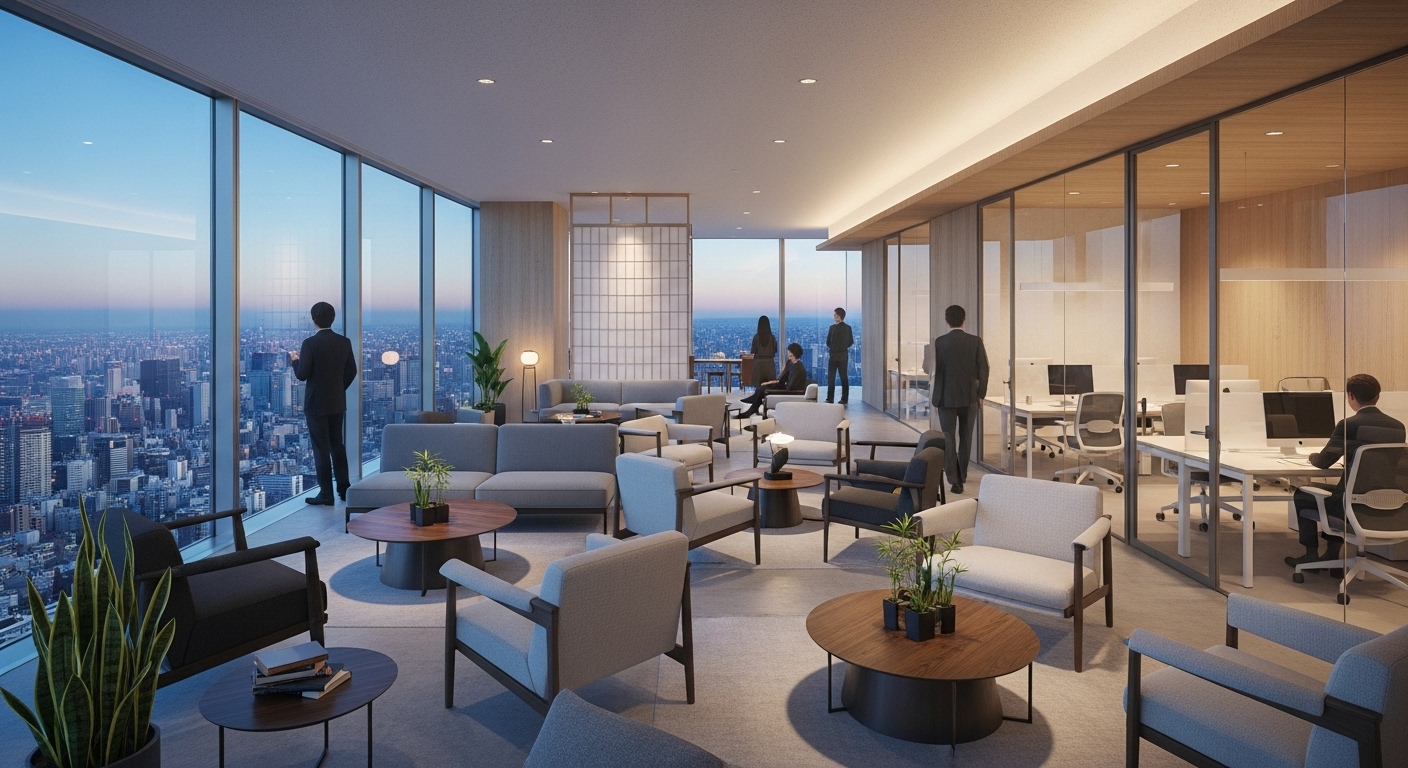
Japanese work culture, traditionally characterized by long hours and a strong emphasis on in-person collaboration, is undergoing a significant evolution. While the cultural value of being physically present remains strong, the global shift towards hybrid work has made its mark. The most effective workspace strategies now blend these two paradigms. Your office layout and amenities should respect cultural norms while empowering modern, flexible workstyles. This means creating a space that is more than just a sea of desks. It requires a zoned approach: quiet areas for deep focus, technologically advanced meeting rooms for seamless global communication, and dynamic, open spaces designed to foster spontaneous interaction and teamwork. This philosophy extends to the amenities offered. Providing features like private booths for online meetings, comfortable breakout lounges, and wellness facilities demonstrates a commitment to employee well-being. This focus on creating a superior employee experience is no longer a perk but a necessity to attract and retain top talent in a competitive market. The office is transforming from a place of obligation to a destination for collaboration, innovation, and cultural immersion.
The strategic calculus of cost and quality
The “flight to quality” is the dominant narrative in the current commercial real estate market, but it must be balanced with fiscal reality. While securing a space in a premium, modern building offers significant advantages in branding and talent attraction, it comes at a higher cost. A strategic cost-benefit analysis is therefore essential. Beyond the base rent, consider the total cost of occupancy, which includes management fees, utilities, and potential fit-out expenses. It’s crucial to weigh these tangible costs against the intangible benefits. For instance, a prime location with excellent transport links might reduce employee commute times, boosting morale and productivity. A building with high-end amenities and sustainability certifications can elevate your brand perception and appeal to environmentally conscious talent and clients. Flexible workspace solutions, such as serviced offices or coworking spaces, offer an alternative model, providing agility and lower upfront capital expenditure, which can be particularly advantageous for companies entering the Tokyo market or those with uncertain growth projections. The key is to create a value equation that aligns your real estate expenditure with your long-term business objectives, viewing the workspace not as a simple expense but as a strategic investment in your company’s future.
Future-proofing your technological infrastructure
In today’s digital-first economy, the technological backbone of your office is as critical as its physical location. A workspace must be equipped to handle the demands of a hybrid, globally connected workforce. This starts with ensuring resilient, high-speed internet connectivity and robust network security. However, true future-proofing goes beyond the basics. It involves creating a smart, responsive environment that enhances productivity and user experience. This includes investing in state-of-the-art video conferencing systems that create a seamless connection between in-office and remote team members, implementing user-friendly room booking systems, and considering IoT (Internet of Things) integrations for managing lighting, climate, and security. A forward-thinking IT strategy also considers scalability. As your team grows, your infrastructure must be able to adapt without requiring a complete overhaul. Proactively planning for technological needs ensures that your workspace remains a high-performance hub, capable of supporting your business as it evolves and embraces new ways of working. This tech-forward approach is a non-negotiable component of a modern workspace strategy.
Designing for well-being and peak performance
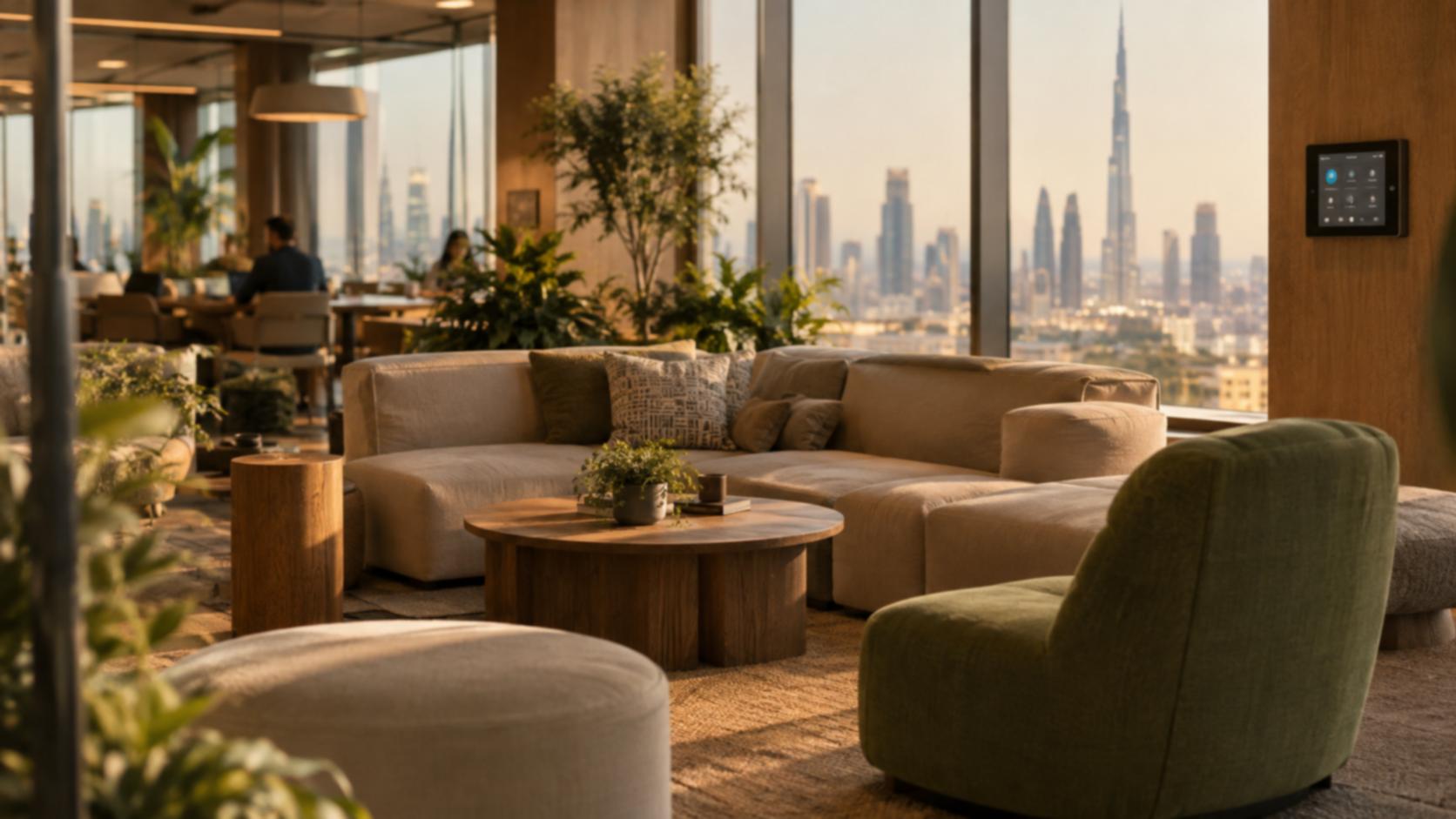
The modern workspace is increasingly being designed through a human-centric lens, recognizing that employee well-being is directly linked to productivity and innovation. This approach, often incorporating principles of biophilic design, seeks to create environments that are not just functional but also restorative and inspiring. Integrating natural elements like abundant daylight, indoor plants, and natural materials can demonstrably reduce stress and improve cognitive function. The layout itself should prioritize employee experience, offering a variety of settings to suit different tasks and workstyles. This activity-based working model might include collaborative lounges for brainstorming, private pods for focused tasks, and quiet zones for contemplative work. Furthermore, amenities that support a healthy work-life balance are becoming standard in top-tier buildings. Access to fitness centers, wellness rooms, and healthy food options are powerful attractors for talent. By investing in a workspace that actively promotes the physical and mental health of your team, you are cultivating a culture of high performance and creating an environment where people genuinely want to be.
Navigating lease models: from traditional to flexible
The final piece of the workspace puzzle is determining the right lease structure for your business needs. The traditional long-term lease, typically spanning several years, offers stability and the freedom to create a fully customized, branded environment. This is often the preferred path for established corporations with predictable headcount growth. However, this model lacks the agility that many modern businesses require. In response, the flexible workspace market has matured significantly, offering a spectrum of solutions. Serviced offices provide fully-furnished, plug-and-play spaces with inclusive amenities and short-term contracts, ideal for market entry or project-based teams. Coworking spaces offer a more community-focused environment, fostering networking and collaboration, which can be invaluable for startups and creative enterprises. A hybrid portfolio approach is also gaining traction, where a company might maintain a central, long-term hub for its core team while utilizing flexible spaces in different locations to accommodate project teams or provide employees with more convenient work options. The optimal choice depends entirely on your company’s size, growth stage, and strategic goals within the dynamic market of Tokyo.
In conclusion, choosing a workspace in this metropolis is a multi-layered strategic decision that extends far beyond square footage and rental costs. It is an exercise in brand positioning, talent strategy, and cultural development. The optimal choice lies at the intersection of geographical advantage, cultural alignment, technological readiness, and financial prudence. By carefully considering the unique character of the city’s business districts, embracing a hybrid model that respects tradition while fostering modern workstyles, and investing in a high-quality environment that prioritizes employee well-being, businesses can create more than just an office. They can establish a strategic command center—a dynamic hub that empowers their team, impresses their clients, and drives sustainable growth. The right space is a catalyst, an environment engineered for success that becomes a tangible asset in one of the most competitive and rewarding business landscapes in the world. Making this decision with foresight and a strategic framework is the first step toward building a resilient and thriving presence.