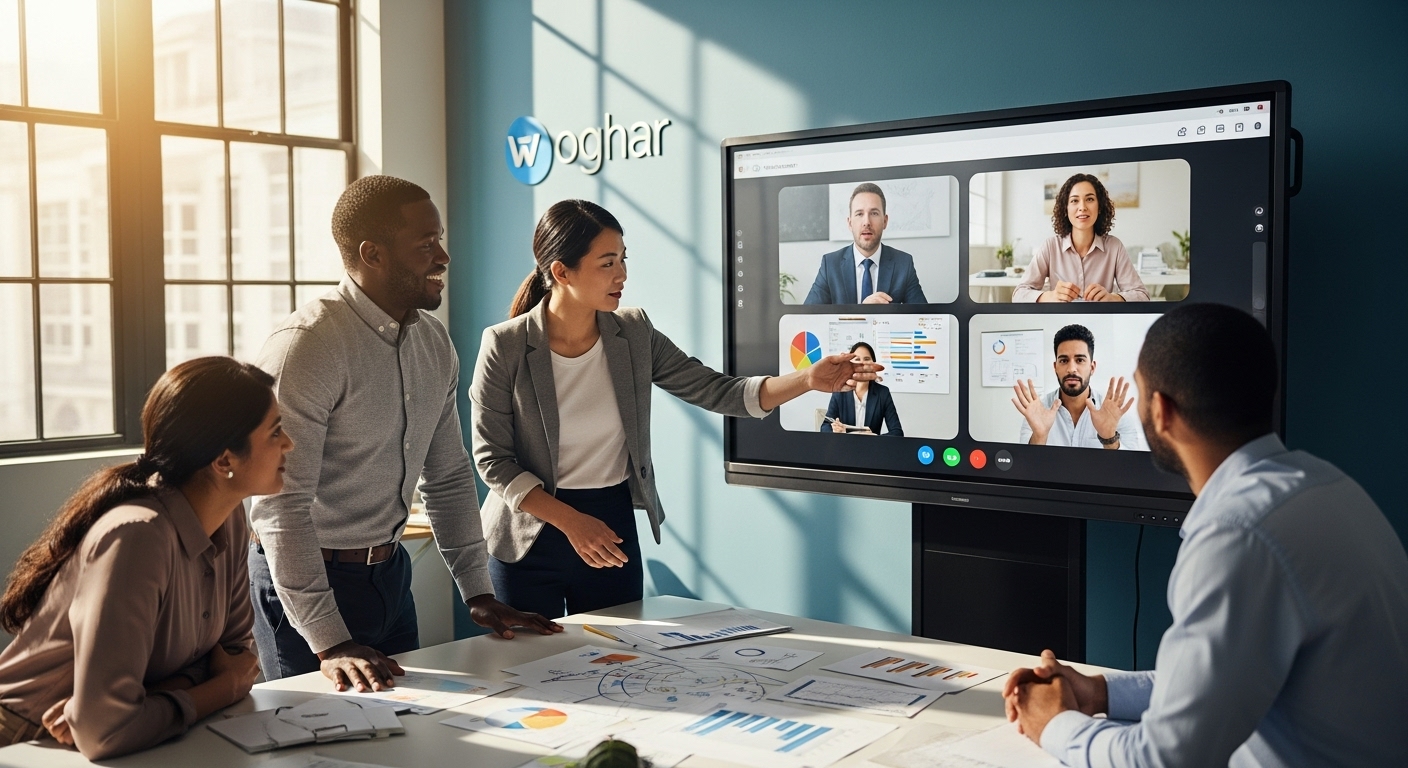
The modern workplace is in a state of flux. As organizations navigate the complexities of hybrid and remote work models, the challenge of fostering effective team collaboration has become more critical than ever. The old paradigms of incidental hallway conversations and spontaneous whiteboard sessions are no longer sufficient. Today, building a high-performance team requires a deliberate and intentional approach to collaboration, one that leverages technology not just as a substitute for physical presence, but as a tool to enhance connection, streamline workflows, and unlock collective intelligence. Recent trends show a clear shift away from simply providing tools towards architecting a comprehensive collaborative ecosystem. This involves creating a culture of trust and psychological safety, defining clear communication protocols, and being strategic about how and when teams come together. This playbook will explore the core pillars of intentional collaboration, offering actionable strategies to build a more connected, engaged, and productive team in the hybrid era.
The foundation of trust and psychological safety
Before any tool or process can be effective, a foundation of trust and psychological safety must be established. This is the bedrock upon which all successful collaboration is built. In a hybrid environment, where face-to-face interactions are less frequent, building this trust requires a more conscious and sustained effort from leadership. Psychological safety is the shared belief held by members of a team that the team is safe for interpersonal risk-taking. It means team members feel comfortable expressing ideas, asking questions, and admitting mistakes without fear of punishment or humiliation. Leaders can cultivate this environment by modeling vulnerability themselves, encouraging open dialogue, and framing work as a learning process rather than a purely execution-driven one. When employees feel secure, they are more likely to engage in the candid discussions and creative debates that lead to innovative breakthroughs. Fostering this culture involves regular check-ins that go beyond status updates, creating dedicated channels for non-work-related interaction to build social bonds, and implementing transparent decision-making processes. As one study notes, teams with a high degree of psychological safety are significantly more likely to harness the diverse perspectives of their members, leading to better outcomes and a more inclusive culture.
Architecting your digital collaboration stack
Technology is the central nervous system of a hybrid team, and its architecture must be intentional. Simply throwing a collection of apps at a team will lead to confusion and fatigue, a phenomenon often called ‘collaboration overload.’ A well-designed digital stack, however, can create seamless and intuitive workflows. The first step is to categorize communication into two types: synchronous (real-time, like video calls) and asynchronous (non-real-time, like email or project management comments). For synchronous communication, platforms like Zoom or Microsoft Teams are standard, but their use must be governed by clear etiquette and purpose. Every meeting should have a clear agenda and desired outcome. For asynchronous work, tools like Asana, Trello, or Jira are essential for managing projects and tracking progress without constant interruptions. Cloud-based document platforms like Google Workspace or Office 365 are non-negotiable for real-time co-creation. The key is integration and clarity. The chosen tools should work together, and every team member must understand which tool to use for which task. This prevents context switching and ensures that information is easily accessible, creating a single source of truth that empowers team members to work autonomously while staying aligned with collective goals.
Establishing clear communication rhythms
In the absence of a shared physical space, the rhythm of communication becomes paramount. Intentional collaboration requires establishing clear protocols that govern how and when information is shared. This prevents both information silos and communication overload. A successful strategy involves defining response time expectations for different channels; for instance, a chat message might expect a reply within a few hours, while an email might have a 24-hour window. This clarity reduces anxiety and allows for focused, deep work. Regularly scheduled check-ins are crucial, but they must be purposeful. Daily stand-ups can keep the team aligned, while weekly tactical meetings can address specific project hurdles. Monthly or quarterly strategic sessions can provide a bigger-picture perspective. It’s also vital to document key decisions and outcomes in a centralized, accessible location, such as a shared wiki or project management tool. This practice is especially important for asynchronous collaboration, ensuring that team members across different time zones can stay informed. Asynchronous video messaging tools like Loom can also be highly effective for providing detailed updates or feedback without the need to coordinate schedules, blending the clarity of visual communication with the flexibility of an asynchronous format.
The role of leadership in modeling collaborative behavior
Leadership is the catalyst for a collaborative culture. Team members look to their leaders for cues on how to behave, communicate, and interact. In a hybrid setting, leaders must be exceptionally deliberate in modeling the collaborative behaviors they wish to see. This starts with embracing the tools and protocols they’ve established, demonstrating their value through consistent use. If a leader consistently bypasses the project management tool to ask for updates via private message, they undermine the entire system. Leaders must also be proactive in facilitating connection and inclusion. This means actively soliciting input from quieter team members during meetings, ensuring remote participants have an equal voice, and creating opportunities for informal social interaction. A leader’s role is not just to manage tasks, but to cultivate an environment where collaboration can flourish. This requires a high degree of emotional intelligence—the ability to recognize and manage their own emotions and understand the emotional state of their team members. By championing transparency, celebrating shared successes, and providing constructive feedback, leaders can build the connective tissue that holds a high-performing hybrid team together, proving that strong leadership is the ultimate collaboration tool.
Designing intentional in-person experiences
While digital tools are essential for day-to-day collaboration, the value of in-person interaction remains significant. In a hybrid model, office time should be treated as a strategic resource, designed for maximum impact. Instead of mandating arbitrary days in the office, leaders should organize intentional gatherings focused on specific collaborative goals that are difficult to achieve remotely. These could be quarterly planning sessions, intensive project kick-offs, innovation workshops, or team-building events. The goal is to make the commute worthwhile by curating experiences that build deep rapport and facilitate high-bandwidth communication. When teams do come together, the environment should be optimized for interaction. This means providing ample whiteboards, flexible meeting spaces, and comfortable social areas. The focus should be on ‘we’ work, not ‘me’ work. Forcing employees to come to the office only to sit on solo video calls is a recipe for resentment. By being purposeful about the ‘why’ behind in-person days, organizations can transform the office from a place of obligation into a vibrant hub for connection, creativity, and deep collaborative work, strengthening the bonds that sustain the team when they are working apart.
Measuring and refining your collaboration strategy
Fostering collaboration is not a one-time initiative; it’s an ongoing process of refinement. To ensure that your strategies are effective, it’s crucial to establish metrics and gather feedback. However, measuring collaboration isn’t as simple as tracking the number of messages sent or meetings held. These are activity metrics, not impact metrics. Instead, focus on outcomes. Are projects being completed on time and within budget? Is the quality of work improving? Are you seeing an increase in cross-functional innovation? Employee engagement and satisfaction surveys can provide valuable qualitative data. Pulse surveys can ask specific questions about communication clarity, feelings of inclusion, and the effectiveness of collaboration tools. It’s also important to create formal and informal channels for feedback. Regular retrospectives can help teams identify what’s working and what’s not in their collaborative processes.
As management expert Peter Drucker famously said, “What gets measured gets managed.”
By combining quantitative project data with qualitative employee feedback, leaders can gain a holistic view of their collaborative ecosystem. This data-informed approach allows for continuous improvement, ensuring that the team’s operating model evolves to meet new challenges and that the investment in fostering collaboration yields tangible returns in performance and team health.
In conclusion, fostering collaboration in a modern, hybrid workplace is an act of intentional design. It requires moving beyond the provision of tools and creating a holistic ecosystem built on a strong cultural foundation. By prioritizing psychological safety and trust, organizations empower their teams to communicate openly and take creative risks. Architecting a thoughtful digital collaboration stack and establishing clear communication rhythms provide the structure necessary for seamless execution, regardless of physical location. Leadership plays the vital role of modeling these desired behaviors, transforming abstract principles into daily practices. Furthermore, reimagining the office as a hub for purposeful, high-impact gatherings enhances team cohesion and strengthens social bonds. Finally, a commitment to measuring what matters and continuously refining the approach ensures that the collaborative framework remains agile and effective. By embracing this playbook for intentional collaboration, leaders can build teams that are not only productive and innovative but also resilient, connected, and prepared for the future of work.