The global conversation around what makes a city competitive is shifting. For decades, the archetypal business district was a monument to commerce, defined by steel skyscrapers and bustling financial markets. Today, a new model, largely pioneered in Europe, is emerging—one built on a triangular foundation of sustainability, technology, and talent-centric design. These next-generation hubs are less about monolithic corporate presence and more about creating integrated, human-scale ecosystems. This evolution raises a critical question for major American metropolises: How do they adapt? This is particularly relevant for a city constantly reinventing itself, a place where the principles of this new European blueprint are beginning to resonate deeply within its urban core.
The new European blueprint: beyond commerce to community
Europe’s leading business districts, from London’s Canary Wharf to Amsterdam’s Zuidas, are undergoing a profound transformation. The focus has moved beyond creating efficient places of work to curating dynamic, 24/7 communities. This holistic approach recognizes that the most valuable asset for any modern economy is its people. To attract and retain top talent, these districts are weaving residential, retail, cultural, and green spaces into the corporate landscape. The result is an environment where work-life integration is not just a policy but a physical reality. This model emphasizes connectivity, not just through digital infrastructure, but through public transport, pedestrian-friendly streets, and accessible amenities. It’s a strategic pivot from isolated corporate campuses to vibrant, mixed-use neighborhoods that function as living ecosystems, fostering innovation through chance encounters and a shared sense of place. This fundamental rethinking of urban corporate geography provides a powerful case study for cities worldwide looking to build more resilient and attractive economic centers.
Sustainability as the baseline: lessons in green urbanism
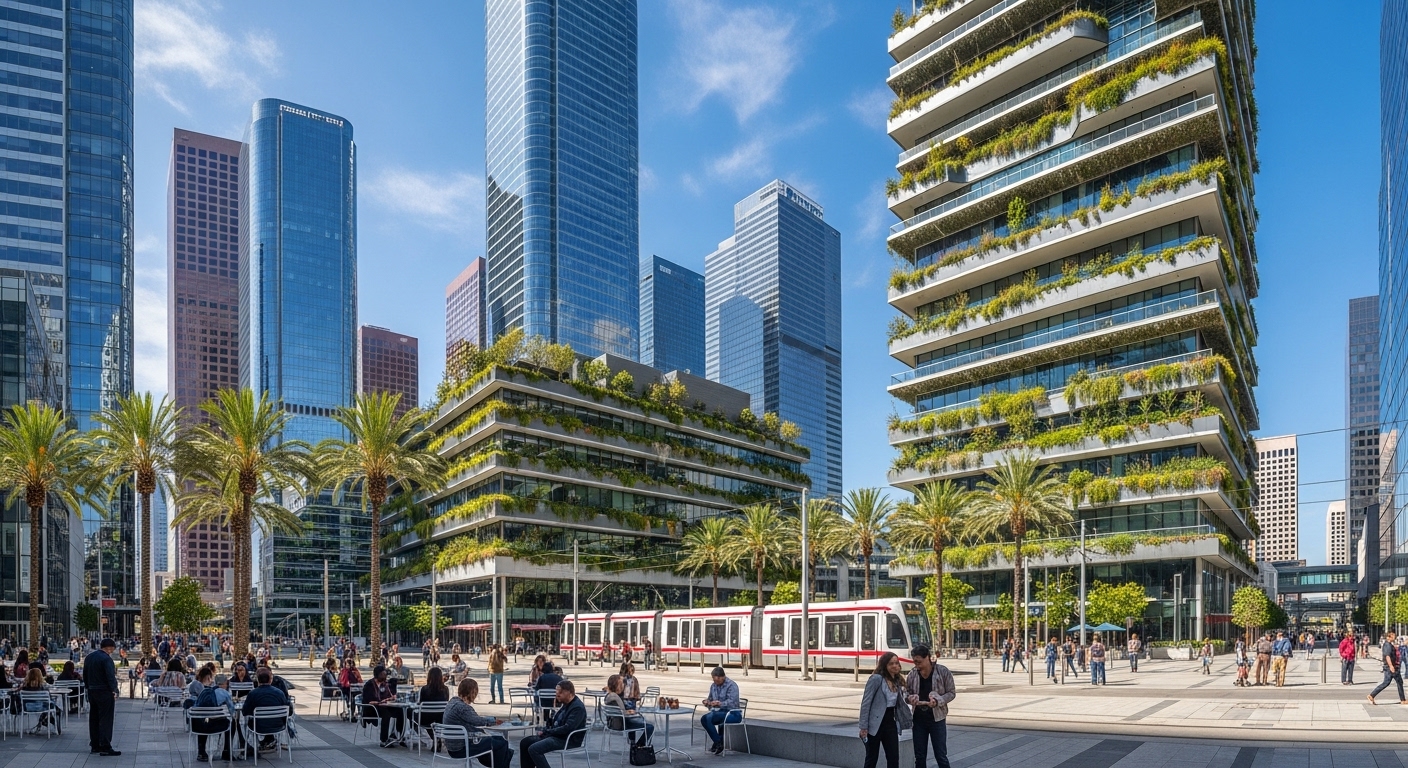
A non-negotiable pillar of the modern European business district is a deep, systemic commitment to sustainability. This goes far beyond ornamental green spaces; it’s about embedding environmental, social, and governance (ESG) principles into the very fabric of development. Cities like Frankfurt and Copenhagen are setting global benchmarks with carbon-neutral buildings, circular economy principles in waste management, and prioritizing public transit and cycling infrastructure to reduce reliance on cars. Developers are increasingly focused on achieving certifications like BREEAM and LEED, not as a badge of honor, but as a baseline requirement from investors and a demanding workforce. This green wave is reshaping the urban landscape in Los Angeles, where ambitious goals for zero-carbon buildings and renewable energy are driving a new generation of sustainable development, reflecting a shared global imperative to create healthier, more resilient urban environments.
The talent vortex: creating human-centric tech ecosystems
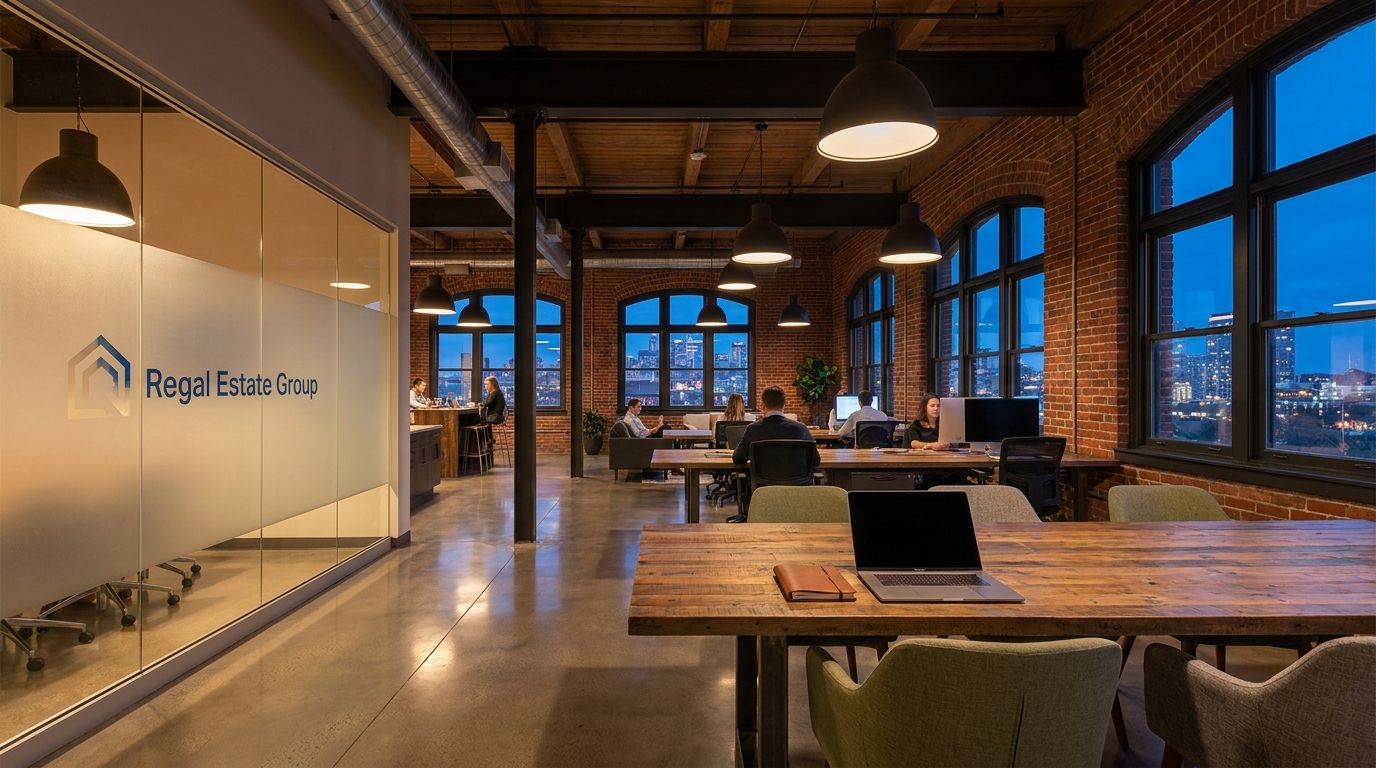
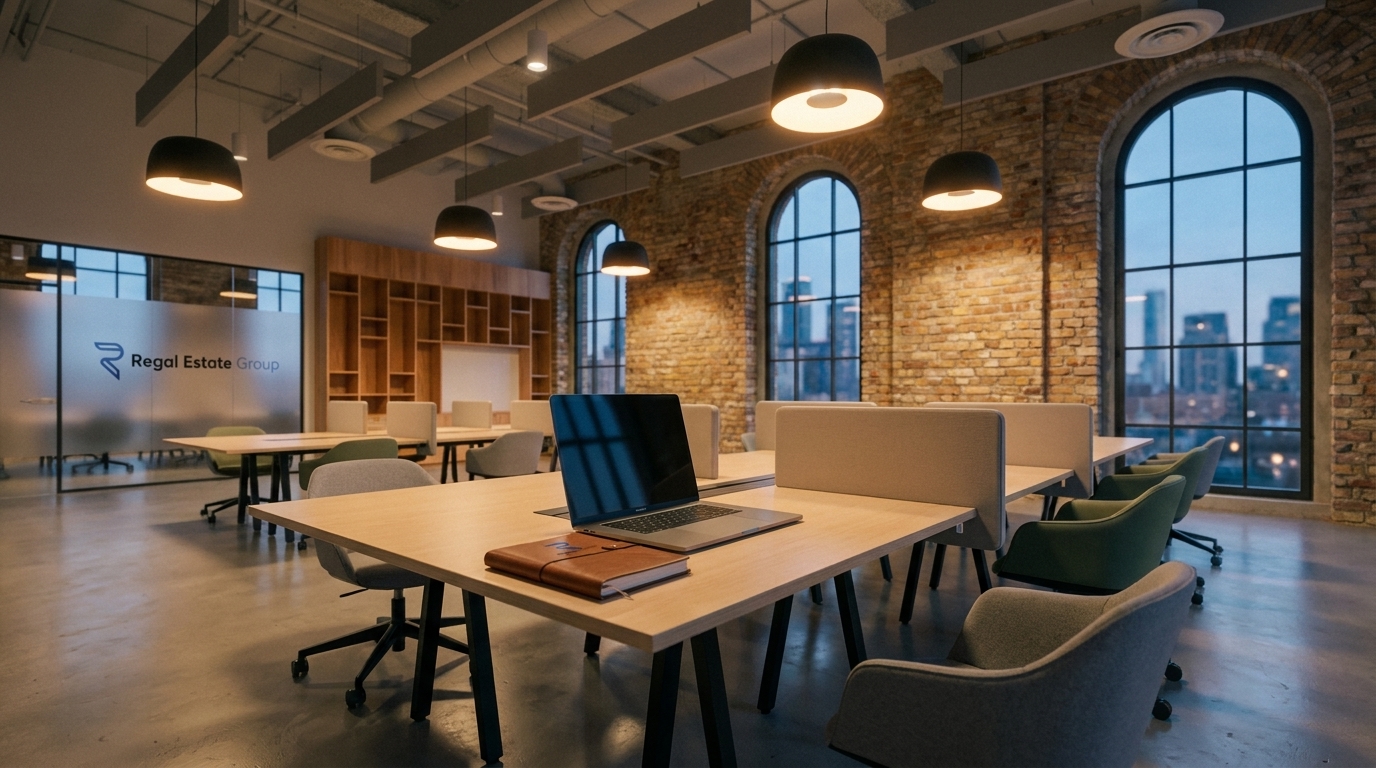
In the global war for talent, the workplace is a key battleground. European business districts have learned that attracting skilled professionals, particularly in the tech sector, requires more than just high salaries. It demands an environment that prioritizes well-being, flexibility, and a sense of community. This has led to the rise of specialized tech hubs that are also vibrant neighborhoods, rich with cultural amenities, diverse housing options, and collaborative spaces. These ecosystems are designed to foster innovation by creating a high quality of life that appeals to a mobile, educated workforce. They function as talent magnets, drawing in both established companies and ambitious startups who want to be part of a dynamic and supportive network. This focus on the human element is a critical lesson for sprawling tech landscapes, where creating a centralized, appealing hub is key to consolidating and expanding the talent pool.
The mixed-use mandate: integrating life into the workday
The sterile, 9-to-5 business district is an artifact of the past. The new European model champions the mixed-use mandate, a strategy that blends commercial real estate with residential, retail, dining, and cultural venues. The goal is to create activated, vibrant neighborhoods that don’t empty out after office hours. This approach has proven to increase safety, foster community, and provide the convenience and amenities that modern workers demand. By transforming single-use zones into multifaceted communities, cities create a more resilient urban fabric and a higher quality of life. This trend is gaining significant traction in downtown Los Angeles, where new developments are increasingly incorporating residential towers and street-level retail alongside office space, transforming the area into a place where people live, work, and connect, echoing the successful community-building strategies seen across Europe.
Connectivity and infrastructure: the arteries of innovation
Underpinning the success of Europe’s premier business hubs is a world-class network of physical and digital infrastructure. High-speed rail connects cities in hours, while dense, efficient public transportation systems make car ownership a choice rather than a necessity. This emphasis on connectivity extends to digital infrastructure, with robust fiber networks and 5G coverage being standard. This seamless integration of transport and technology ensures that businesses can operate efficiently and that talent can move freely. It creates a frictionless environment that is essential for the fast-paced, interconnected nature of modern business. For cities that have historically prioritized automotive transport, the challenge and opportunity lie in retrofitting their infrastructure to create the dense, multi-modal connectivity that is now a hallmark of a globally competitive business district and a key driver of economic growth.
A new urban identity: LA’s transatlantic transformation
While not a direct replica, the evolution of business districts in Los Angeles reflects a clear convergence with the European model. The city is actively moving away from its car-centric, single-use zoning past towards a future defined by denser, mixed-use, and sustainable urban centers. From the green building boom downtown to the rise of Silicon Beach as a walkable tech community, the principles of talent attraction, sustainability, and quality of life are visibly reshaping the city’s economic geography. This transformation is not about imitation but adaptation, taking the core concepts that have made European hubs successful and reinterpreting them within a unique American context. As the city continues to invest in public transit and create more human-centric spaces, it is crafting a new urban identity—one that is smarter, greener, and more competitive on the global stage.
In conclusion, the modern business district is no longer just an economic engine; it is a complex human ecosystem. The European model, with its unwavering focus on the powerful trinity of sustainability, technology, and talent-centric design, offers a compelling blueprint for the future of urban economic development. It demonstrates that attracting investment and innovation in the 21st century is intrinsically linked to creating places that are desirable, livable, and resilient. As cities like Los Angeles embrace these principles, they are not merely following a trend but are participating in a global movement to redefine what a successful urban center looks like. By weaving these European-inspired threads into its unique cultural and economic fabric, L.A. is not just building new office towers; it is forging the foundation for a more prosperous, sustainable, and interconnected future, solidifying its position as a forward-thinking leader in the global marketplace.