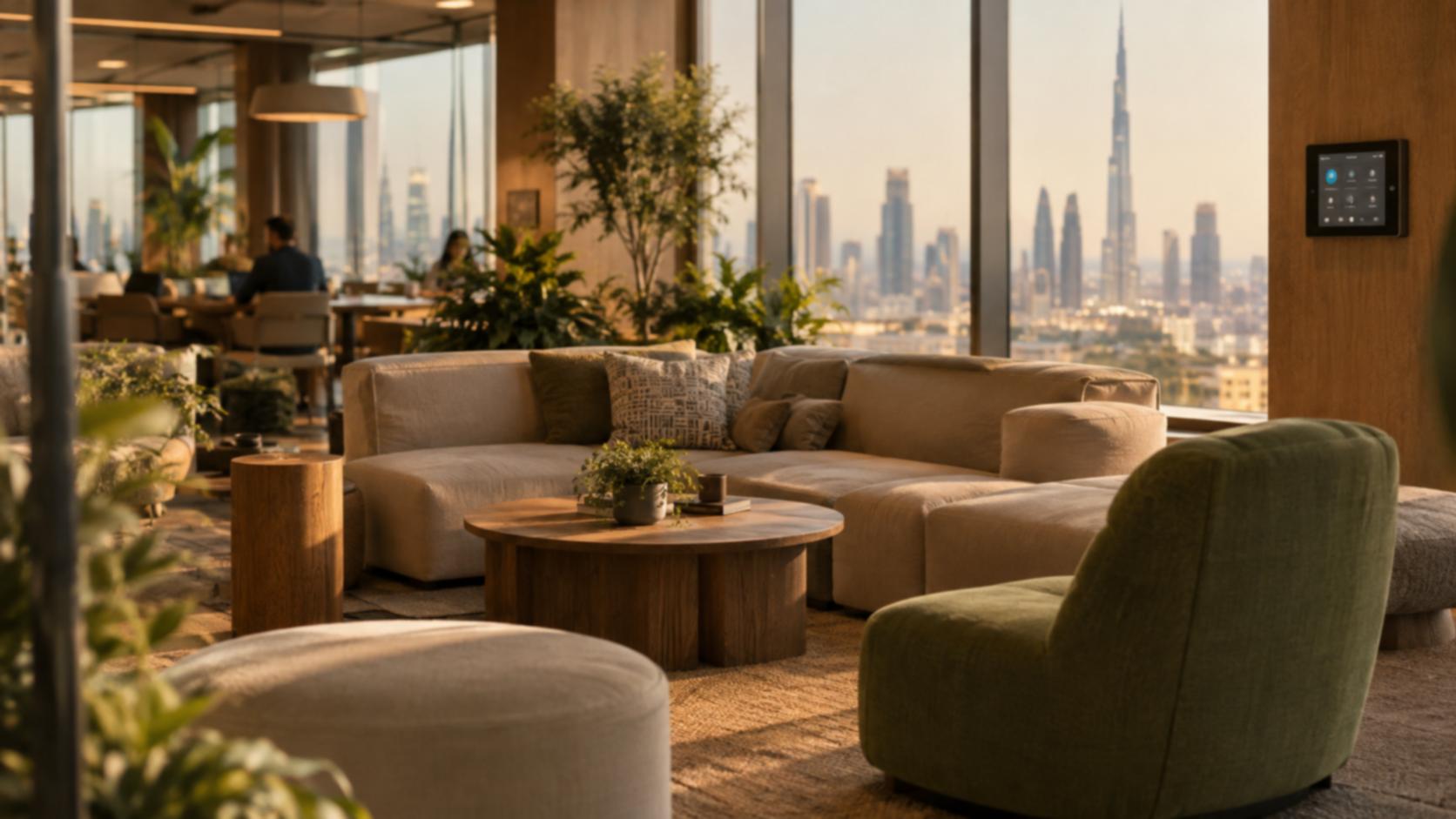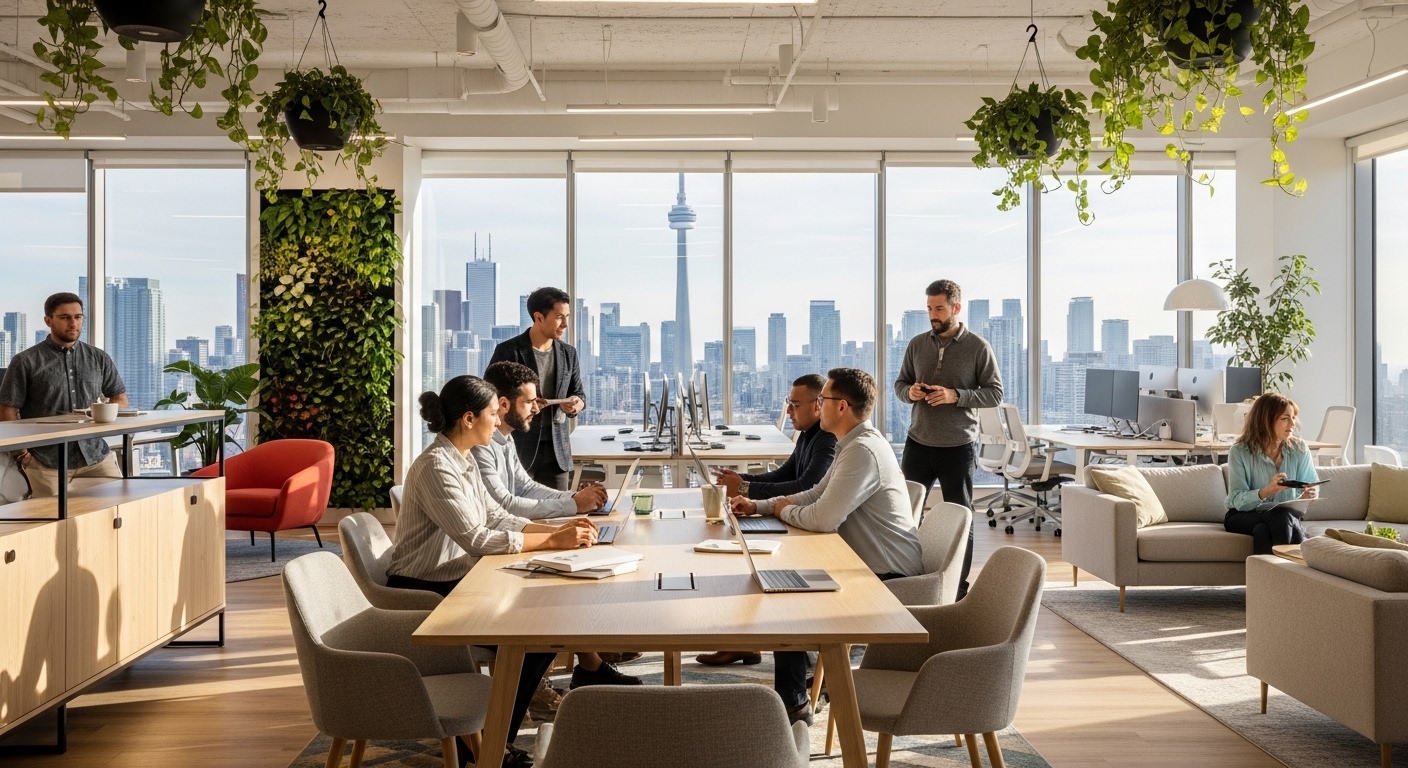
The professional landscape of 2024 has solidified a new reality for businesses: the office is no longer just a place to work, but a destination for collaboration, innovation, and culture. In a market shaped profoundly by hybrid work models, companies are rethinking the very purpose of their physical footprint. This evolution is particularly evident in major economic hubs, where a ‘flight to quality’ has created a tenant-driven market. For decision-makers, this presents a unique window of opportunity to secure premium spaces that not only meet operational needs but also act as a powerful tool for attracting and retaining top talent. The key to navigating this new terrain lies in a workspace strategy that prioritizes flexibility, employee experience, and a nuanced understanding of the local market dynamics. This guide explores how to leverage the current climate to make strategic, future-forward decisions for your organization’s physical space.
Understanding the ‘flight to quality’ phenomenon
The most dominant trend influencing today’s office market is the ‘flight to quality.’ This refers to the widespread movement of companies from older, less-amenitized Class B and C buildings to modern, high-end Class A and Trophy properties. The logic is simple: if you’re going to ask employees to commute, the destination must be worth the journey. These premium buildings are no longer just concrete shells; they are integrated ecosystems designed to enhance the employee experience. They offer a suite of amenities that blend work and life, fostering a sense of community and well-being that a home office cannot replicate. Features like state-of-the-art fitness centers, curated food and beverage options, expansive outdoor terraces, and technologically advanced collaboration zones are becoming standard expectations. This shift has created a bifurcated market where vacancy rates in older buildings are rising, while demand for top-tier spaces remains robust. For businesses in Toronto, this presents a compelling opportunity to upgrade their environment and, in doing so, their brand identity and cultural appeal, often with favorable lease terms and significant incentives from landlords eager to attract stable, quality tenants.
Prioritizing flexibility in both lease and layout
The era of the rigid, long-term lease is rapidly fading. In a world where business forecasting is more complex than ever, agility is paramount. A modern workspace strategy must embed flexibility at its core, starting with the lease agreement itself. Companies are now seeking shorter terms, rights to expand or contract their footprint, and termination options that provide a safety net against unforeseen changes. This flexibility allows a business to scale its physical space in alignment with its growth trajectory, rather than being locked into a costly, oversized commitment. Beyond the contract, the physical layout must also be adaptable. The one-size-fits-all open-plan office has given way to more dynamic, activity-based designs. These layouts feature a diverse mix of settings—from quiet pods for focused work and private video calls to comfortable lounges for informal brainstorming and large, technologically equipped rooms for formal collaboration. This approach acknowledges that a typical workday is not monolithic; employees need different environments for different tasks. By designing a workspace that can be easily reconfigured, businesses can ensure their office remains a relevant and productive asset for years to come.
Defining the new must-have employee amenities
To successfully draw employees back to the office, the space must provide tangible value that transcends what they can get at home. The most sought-after amenities today center on wellness, convenience, and community. Health and wellness facilities are no longer a luxury but a core component of a holistic employee experience; think on-site fitness centers, dedicated rooms for meditation or yoga, and access to natural light and biophilic design elements. Convenience is another critical factor. High-quality coffee bars, healthy grab-and-go food options, and even concierge services can significantly improve the daily office routine. Crucially, the office must foster a sense of community and collaboration. This means investing in well-designed social spaces, comfortable lounges, and outdoor terraces where spontaneous interactions can occur. Technology underpins everything, with seamless Wi-Fi, ample power sources, and intuitive video conferencing systems being non-negotiable. In the competitive talent market of Toronto, a thoughtfully curated package of amenities can be a powerful differentiator, signaling to current and prospective employees that their well-being and productivity are a top priority for the company.
Calculating the true cost of occupancy
While the base rental rate is a headline figure, a savvy workspace strategy requires a deeper dive into the total cost of occupancy (TCO). This comprehensive figure includes not only rent but also operating costs (utilities, maintenance, property management), taxes, and any capital expenditure required for fit-outs, technology integration, and furniture. In the current tenant-favored market, there is significant room for negotiation that can dramatically impact the TCO. Landlords are frequently offering substantial incentives to attract and retain tenants, such as generous tenant improvement allowances (TIAs) to help build out the space and periods of free rent that can ease the initial financial burden. It’s crucial to model these variables over the entire lease term to understand the true financial commitment. Furthermore, comparing the TCO of a traditional lease with that of a flexible office solution is a vital exercise. While the per-square-foot cost of a flexible space might seem higher initially, it often includes utilities, amenities, and management services in a single, predictable fee, potentially offering a more cost-effective solution for businesses seeking agility and reduced capital outlay.
The strategic importance of location and connectivity
While the necessity of a prime downtown address has been debated in the age of hybrid work, the strategic importance of location has not diminished—it has simply been redefined. The primary consideration for location is now accessibility for the workforce. A space that is easily reachable via multiple modes of public transit and major transportation arteries will always be more attractive to employees, reducing commute times and stress. This is particularly crucial for organizations that are actively encouraging in-person collaboration days. Beyond the commute, the surrounding neighborhood plays a vital role in the overall appeal of an office. A location with a vibrant ecosystem of restaurants, cafes, retail shops, and green spaces extends the workplace beyond its four walls, providing employees with options for lunch, after-work socializing, and daily errands. This ‘third space’ environment enhances the overall employee experience and can be a significant factor in making the office a desirable destination. For any business operating in Toronto, a location that offers this blend of connectivity and local amenities is a strategic asset that supports both talent attraction and day-to-day employee satisfaction.
Leveraging technology for a seamless workspace experience
In the modern office, technology is the invisible infrastructure that underpins productivity and collaboration. A forward-thinking workspace strategy must integrate technology from the ground up to create a seamless and intuitive user experience. This starts with foundational elements like high-speed, reliable Wi-Fi that can support a high density of devices and bandwidth-intensive tasks like video conferencing. However, leading companies are going further by implementing smart office technologies that enhance efficiency and employee well-being. This includes desk and room booking systems that allow employees to reserve their space in advance, promoting a more organized and predictable hybrid work schedule. Smart environmental controls can adjust lighting and temperature based on occupancy, improving comfort while also increasing energy efficiency. Furthermore, advanced audio-visual equipment in all meeting rooms is essential to bridge the gap between in-person and remote participants, ensuring that everyone can contribute equally regardless of their location. Investing in the right technology stack transforms the physical office from a simple container for work into an intelligent, responsive environment that actively supports the needs of a dynamic, hybrid workforce.
Future-proofing your workspace for long-term success
Choosing a workspace in today’s market is about more than meeting current needs; it’s about anticipating the future. The most resilient workspace strategies are built on the principles of adaptability and scalability. This means selecting a building and a layout that can evolve alongside your company. Consider spaces with modular components that can be easily reconfigured as team sizes and work styles change. It’s also wise to consider the building’s own commitment to sustainability and technological advancement. Properties with high ESG (Environmental, Social, and Governance) ratings and certifications like LEED or WELL are not only better for the planet but are also increasingly attractive to a socially conscious workforce. These buildings are often more efficient to operate and are designed with human health and well-being at their core. By making a decision that balances immediate requirements with long-term adaptability, you create a workspace that is not just a line item on a budget but a strategic asset. A future-proofed office will support your company’s growth, reflect its values, and provide a stable, inspiring home for your team for years to come.
In conclusion, the current landscape offers a rare opportunity for businesses to strategically elevate their physical work environment. The shift to a tenant-favored market, driven by the ‘flight to quality,’ empowers companies to be more discerning and demanding in their selection process. By moving beyond basic requirements and focusing on creating an experience, organizations can secure a workspace that acts as a true cultural hub. The key is a multi-faceted approach that balances financial prudence with a deep investment in employee well-being. This involves prioritizing flexibility in lease terms and office design, providing a rich suite of amenities, understanding the full spectrum of occupancy costs, and selecting a location that is both convenient and vibrant. The office of the future is not just a place to work; it’s a strategic tool for fostering innovation, collaboration, and engagement. For companies willing to embrace this new paradigm, the result will be a workspace that not only attracts top talent but also provides a powerful foundation for sustainable, long-term growth.