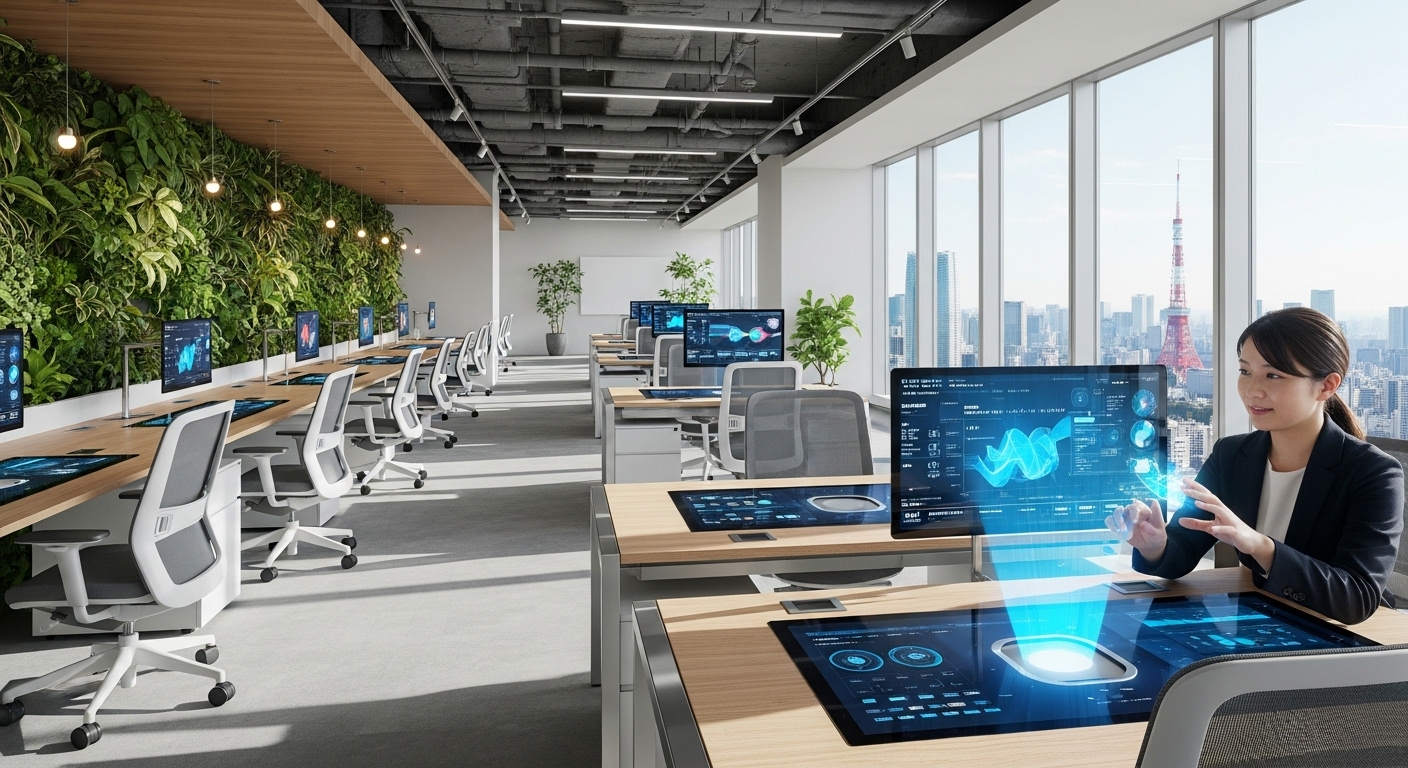
The traditional office model is undergoing a seismic shift globally, and nowhere is this more apparent than in the dense, dynamic urban landscape of Japan’s capital. The concept of the ‘smart office’ has moved from a futuristic buzzword to a tangible reality, fundamentally reshaping how businesses operate and employees interact with their environment. Driven by advancements in IoT, AI, and a renewed focus on employee well-being, this evolution is about more than just technological adoption; it’s a strategic response to changing work styles, demographic shifts, and the urgent need for sustainable practices. As companies compete for top talent and strive for greater efficiency, the integration of smart technology is becoming the new standard for a productive, flexible, and human-centric workplace. This transformation is setting a global benchmark for the future of work, blending technological innovation with a deep-rooted cultural emphasis on efficiency and harmony.
The central nervous system: IoT and AI integration
At the heart of the smart office revolution lies the powerful combination of the Internet of Things (IoT) and Artificial Intelligence (AI). Together, they create a responsive, data-driven environment that can anticipate and adapt to the needs of its occupants. IoT sensors act as the building’s sensory network, collecting real-time data on everything from room occupancy and air quality to energy consumption and equipment usage. This vast stream of information is then processed by AI algorithms, which identify patterns, optimize systems, and automate routine tasks. For instance, smart climate control systems can adjust temperature and lighting based on how many people are in a room, significantly reducing energy waste. AI-powered platforms can manage desk booking and meeting room schedules in hybrid work models, eliminating friction and improving space utilization. In Tokyo, where commercial real estate is at a premium, this level of optimization is not just a convenience—it’s a critical component of operational efficiency. This data-driven approach allows facility managers to move from a reactive to a predictive maintenance model, addressing potential issues before they disrupt workflow and ensuring the office environment is always performing at its peak.
Human-centric by design: technology for well-being
While efficiency is a major driver, the modern smart office places an equal, if not greater, emphasis on employee well-being. The understanding that a healthy, comfortable, and engaged workforce is a productive one is central to this new philosophy. Smart technology is a key enabler of this human-centric approach. Circadian lighting systems that mimic natural daylight patterns can improve mood and regulate sleep cycles, while advanced air purification systems monitor and remove pollutants, enhancing cognitive function. Personalized environmental controls allow employees to adjust the temperature and lighting in their immediate vicinity via smartphone apps, giving them greater autonomy over their comfort. Furthermore, technology is being used to encourage healthier habits. Smart canteens might provide nutritional information on menu items, while integrated wellness apps can prompt employees to take screen breaks or stand up and stretch. This focus on holistic well-being is particularly resonant in Japan’s often high-stress work culture, offering a tangible way for companies to invest in their most valuable asset: their people.
Sustainability as a standard: the green, smart office
The push for sustainability is a global imperative, and smart office technology provides powerful tools to achieve ambitious environmental goals. By optimizing energy consumption through intelligent lighting, HVAC, and power management, smart buildings can dramatically reduce their carbon footprint. Real-time energy dashboards can make consumption visible to both managers and employees, fostering a collective sense of responsibility. Water management systems can detect leaks and optimize usage in restrooms and landscaping. Beyond resource management, technology can also promote sustainable behaviors. Smart parking systems can prioritize spots for electric vehicles and carpoolers, while integrated apps can provide real-time public transit information to encourage greener commutes. This commitment to sustainability is reshaping the corporate landscape in Tokyo, where leading companies are leveraging green credentials not only to reduce operational costs but also to strengthen their brand reputation and attract environmentally conscious talent. The smart office is, therefore, becoming synonymous with the sustainable office, creating a workplace that is good for people, the planet, and the bottom line.
The flexible future: accommodating hybrid work models
The widespread adoption of hybrid and flexible work arrangements has irrevocably changed the purpose of the physical office. It is no longer just a place for individual, heads-down work but has become a primary hub for collaboration, team building, and fostering corporate culture. Smart technology is essential for bridging the gap between in-office and remote employees, ensuring a seamless and equitable experience for all. Integrated communication platforms, high-fidelity video conferencing equipment, and interactive digital whiteboards allow teams to collaborate effectively regardless of their physical location. IoT-powered space management tools provide real-time data on how different areas of the office are being used, allowing companies to reconfigure their layouts to better support collaborative activities. This data might reveal a need for more small huddle rooms or informal meeting areas, enabling a more agile and responsive approach to workplace design. By making the office a more intentional and technologically empowered destination, companies can support flexibility while strengthening the cultural and collaborative ties that are vital for innovation and growth.
Security in a connected world: protecting the smart office
As offices become more interconnected and data-driven, cybersecurity becomes a paramount concern. The proliferation of IoT devices—from smart sensors to connected appliances—creates countless new endpoints that could be vulnerable to attack. A comprehensive security strategy is therefore a non-negotiable component of any smart office implementation. This requires a multi-layered approach that includes network segmentation to isolate critical systems, robust access control protocols to ensure only authorized users and devices can connect, and regular security audits and patch management to protect against emerging threats. End-to-end encryption is essential for all data, both in transit and at rest. Furthermore, employee education is a critical line of defense. Staff must be trained to recognize phishing attempts and adhere to best practices for digital security. For businesses in the bustling metropolis of Tokyo, protecting sensitive corporate and client data is crucial for maintaining trust and competitive advantage, making robust cybersecurity the foundational pillar upon which a successful smart office is built.
The next frontier: predictive analytics and personalization
The evolution of the smart office is far from over. The next frontier lies in the realm of predictive analytics and hyper-personalization. As AI systems gather more data over time, they will move beyond simple automation to predict future needs and proactively shape the work environment. Imagine an office that knows a major project deadline is approaching and automatically reserves a quiet collaboration space for the team, adjusts the lighting for intense focus, and even orders catering. On an individual level, the workplace could tailor itself to personal preferences stored in an employee’s profile, automatically adjusting desk height, temperature, and even digital signage as they move through the building. This level of ambient intelligence promises a truly frictionless work experience, where the environment is not just responsive but actively works to support the productivity and well-being of each individual. This future vision represents the ultimate convergence of technology and human-centric design, creating a workplace that is not just smart, but truly intuitive.
In conclusion, the rise of smart office technology represents a profound transformation in the way we work. It is a holistic integration of IoT, AI, sustainability, and human-centric design principles aimed at creating environments that are more efficient, flexible, and supportive of employee well-being. For a city at the forefront of technological innovation, this trend is not merely being adopted; it is being defined. The move towards intelligent workspaces is a strategic necessity, enabling companies to optimize their real estate, attract and retain top talent, and build resilient, future-proof operations. As these technologies continue to evolve, they will further blur the lines between the physical and digital realms, creating a truly seamless and personalized work experience. The journey towards the fully realized smart office is ongoing, but its trajectory is clear: it is shaping a future of work that is more connected, intelligent, and fundamentally more human.