The Great Re-evaluation of work has fundamentally altered the relationship between employees and the office. No longer a default destination, the physical workspace must now earn its commute. This shift demands a more intentional and strategic approach to choosing a space than ever before. In 2024, the decision is less about securing square footage and more about curating an environment that serves as a magnet for talent, a catalyst for innovation, and a physical embodiment of company culture. Today’s leading workspace strategies are deeply rooted in data, flexibility, and a human-centric approach, recognizing that the right office is a powerful tool for driving business objectives in the hybrid era. This playbook navigates the new terrain of workspace selection, moving beyond traditional metrics to help leaders make choices that foster productivity, well-being, and long-term growth.
Defining the purpose of your physical hub
Before exploring locations or layouts, the foundational step is to define the strategic purpose of your office. Why do you need a physical space in a world of remote optionality? The answer is no longer simply ‘a place to work.’ For many organizations, the office is transforming into a ‘center of gravity’ for collaboration, mentorship, and cultural immersion. It’s where complex problems are solved on whiteboards, where new hires absorb the company ethos, and where spontaneous interactions spark groundbreaking ideas. To define your purpose, start by analyzing your team’s workflows. Which tasks benefit most from in-person interaction? Is it creative brainstorming, cross-functional project kick-offs, or client presentations? A sales-driven organization might prioritize a prestigious, client-impressing showroom, while a deep-tech engineering firm might require secure, quiet zones for focused development. Surveying your employees is also critical. Understanding what motivates them to come into the office—be it social connection, better technology, or a separation from home life—provides invaluable data. This ‘why’ becomes the guiding star for every subsequent decision, from the lease terms you negotiate to the furniture you select, ensuring your space is a strategic asset, not just an operational expense.
Integrating flexibility and agility into your real estate portfolio
The rigid, long-term lease is becoming a relic of the pre-pandemic era. Today, agility is paramount. Market dynamics, team growth, and evolving work patterns demand a real estate strategy that can adapt without incurring crippling costs. This is where the concept of a portfolio approach comes into play. Instead of locking into a single, large headquarters, companies are increasingly diversifying their footprint. This might look like a smaller central ‘hub’ for collaborative work, supplemented by flexible memberships at coworking spaces in suburban areas where employees live. This ‘hub-and-spoke’ model reduces commute times, offers employees choice, and allows the company to scale its presence up or down with minimal friction. When choosing a space, scrutinize the lease terms for flexibility. Can you expand or contract your square footage? Are there short-term renewal options? Providers of flexible office solutions are thriving precisely because they answer this need for agility. They remove the burden of facility management and capital expenditure, allowing businesses to focus on their core operations. This shift doesn’t mean abandoning traditional leases entirely, but it requires viewing them as one component of a broader, more dynamic real estate strategy that prioritizes adaptability in an unpredictable world.
Prioritizing employee well-being and neurodiversity
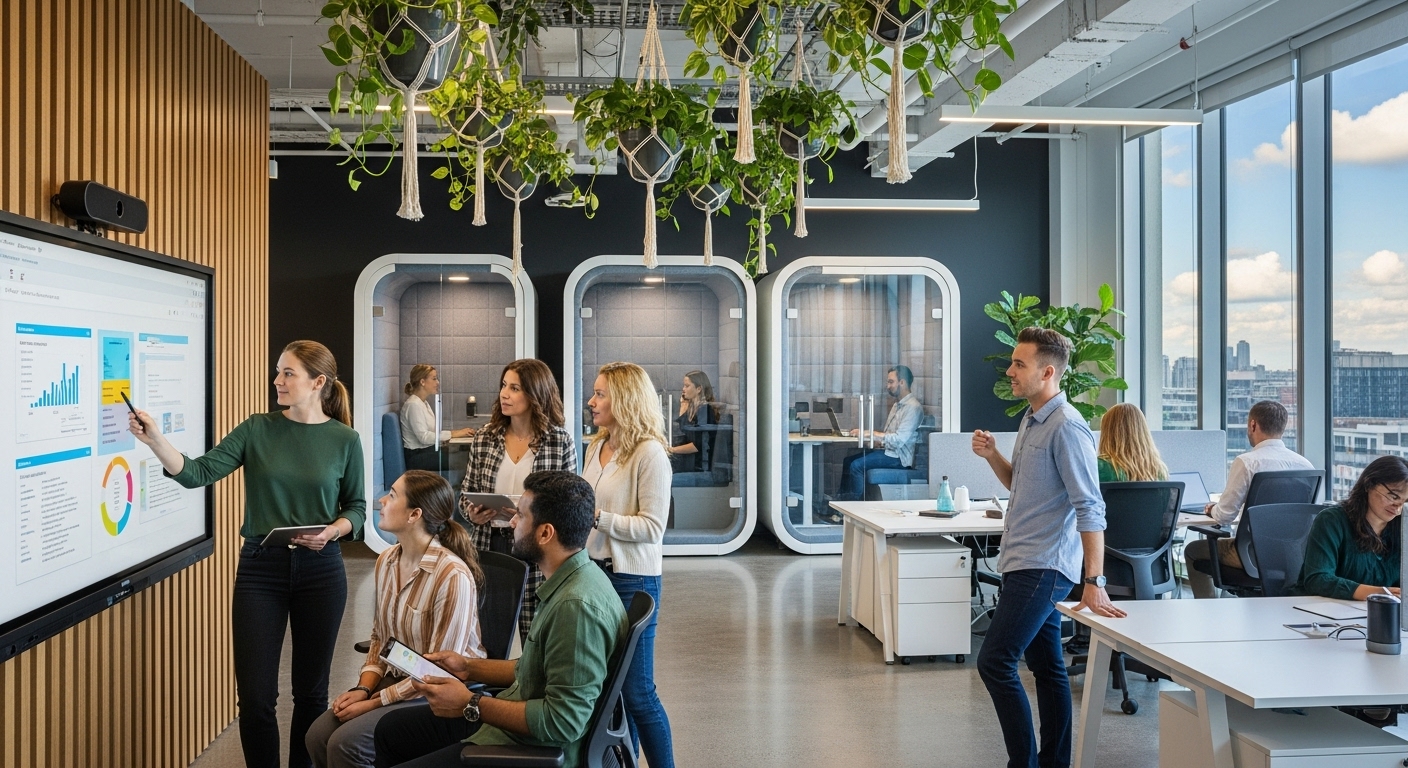
The conversation around workspace design has matured from aesthetics to holistic well-being. A modern office must be an environment that actively supports the physical and mental health of its occupants. This begins with foundational elements like biophilic design—incorporating natural light, plants, and natural materials—which have been proven to reduce stress and improve cognitive function. Air quality, ergonomic furniture, and acoustic control are no longer amenities but essential infrastructure for a healthy workforce. Beyond these physical factors, there’s a growing understanding of the need to design for neurodiversity. A purely open-plan office can be overwhelming for those who need quiet to concentrate, while a sea of isolated cubicles can stifle collaboration. The most effective workspaces offer a spectrum of environments. This includes library-like quiet zones for deep focus, sound-proofed pods for private calls, comfortable lounge areas for informal chats, and dynamic, high-energy zones for brainstorming. By providing choice and control over their environment, companies empower employees to work in the way that best suits their brain, task, and mood. This fosters a more inclusive, respectful, and ultimately more productive culture.
Harnessing technology as the backbone of the modern office
In a hybrid world, the digital and physical realms of work must be seamlessly integrated. Technology is the connective tissue that makes this possible, and a forward-thinking workspace strategy must have a robust tech stack at its core. This extends far beyond reliable Wi-Fi. It’s about creating a frictionless experience for every employee, regardless of their location. Meeting rooms need to be equipped with high-quality cameras, microphones, and interactive displays that create a sense of equity between in-person and remote participants. Desk and room booking systems are essential for managing a flexible space, allowing employees to reserve the resources they need in advance. Furthermore, smart building technology is becoming a key data source for workspace strategy. Sensors that monitor space utilization can provide objective insights into which areas are most popular, when peak usage times are, and which zones are underutilized. This data is invaluable for making informed decisions about future design iterations, optimizing cleaning schedules, and even managing energy consumption. Choosing a space is now inseparable from choosing the right technology to power it, ensuring the office is an intelligent, responsive, and highly effective tool for work.
Leveraging location and amenities to create a destination
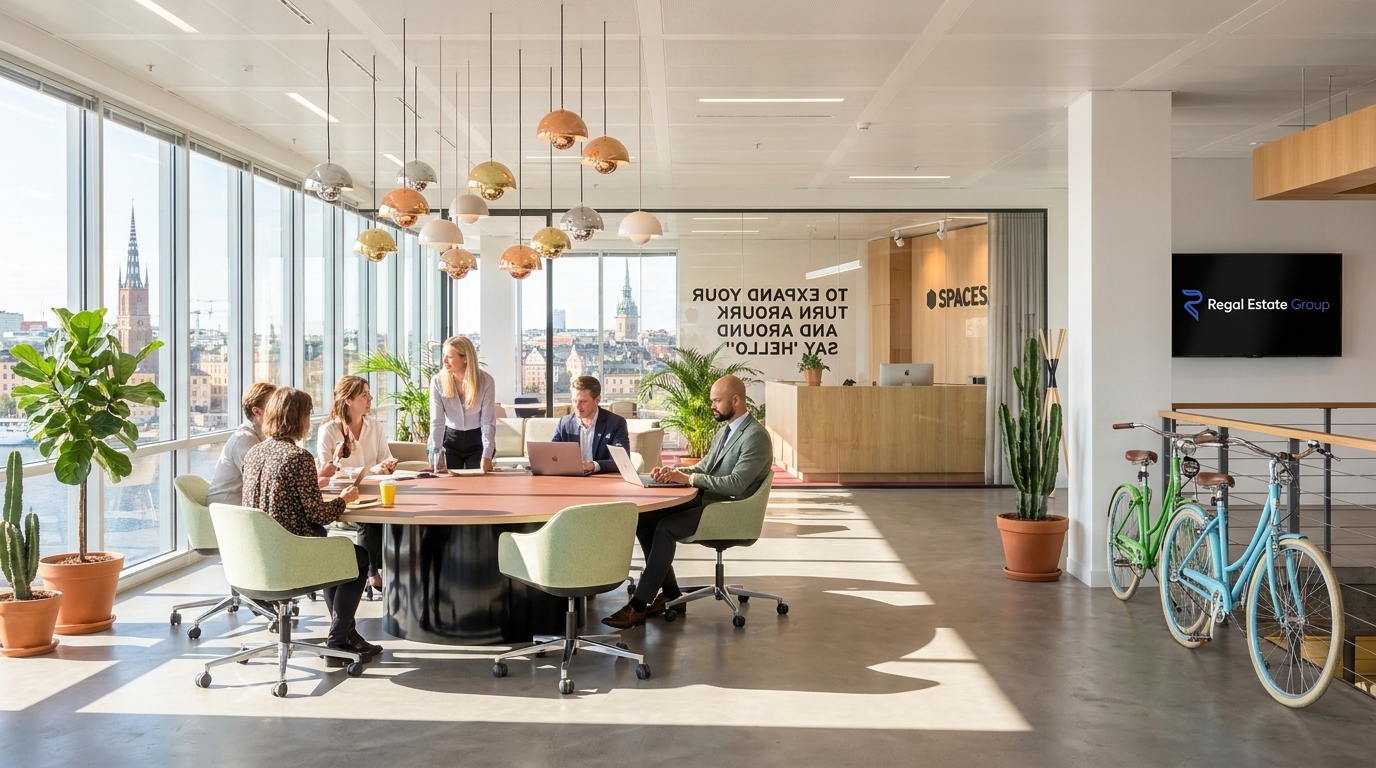
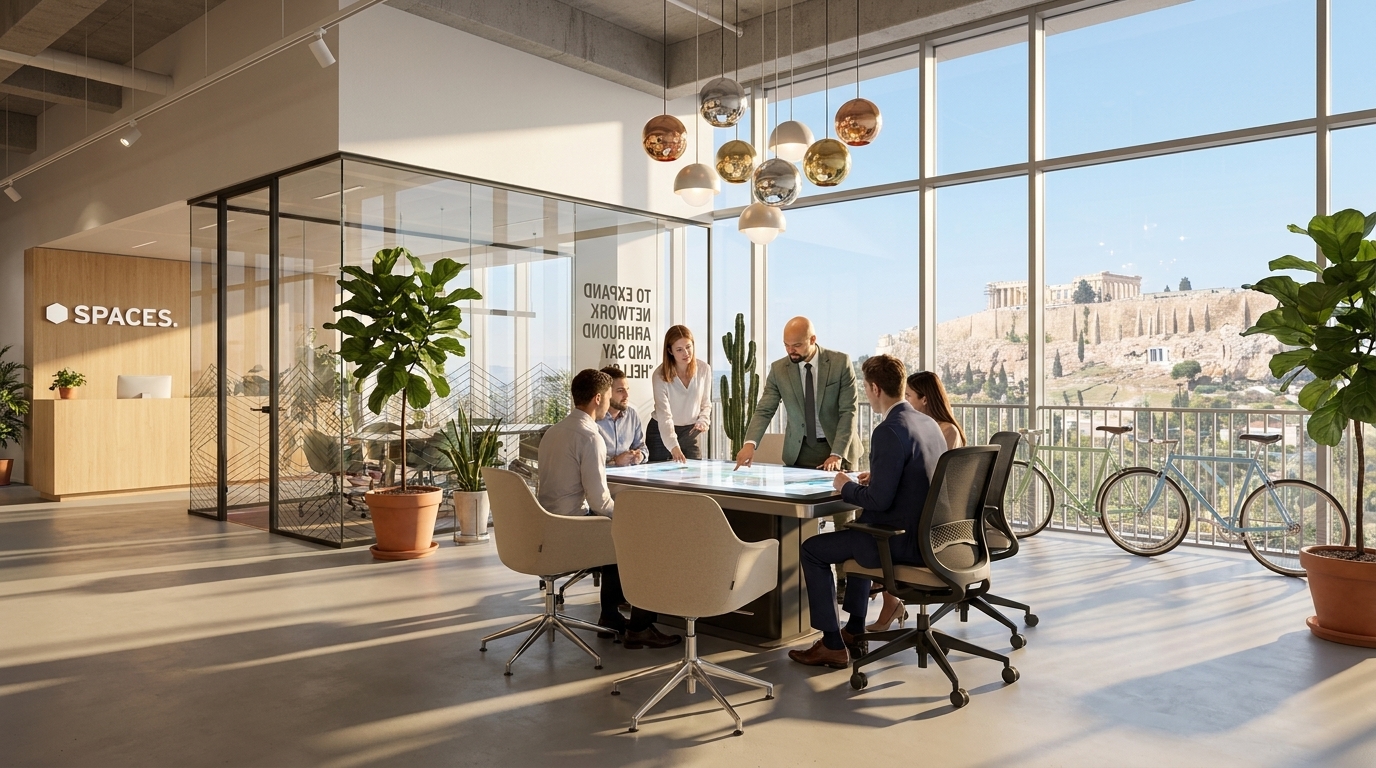
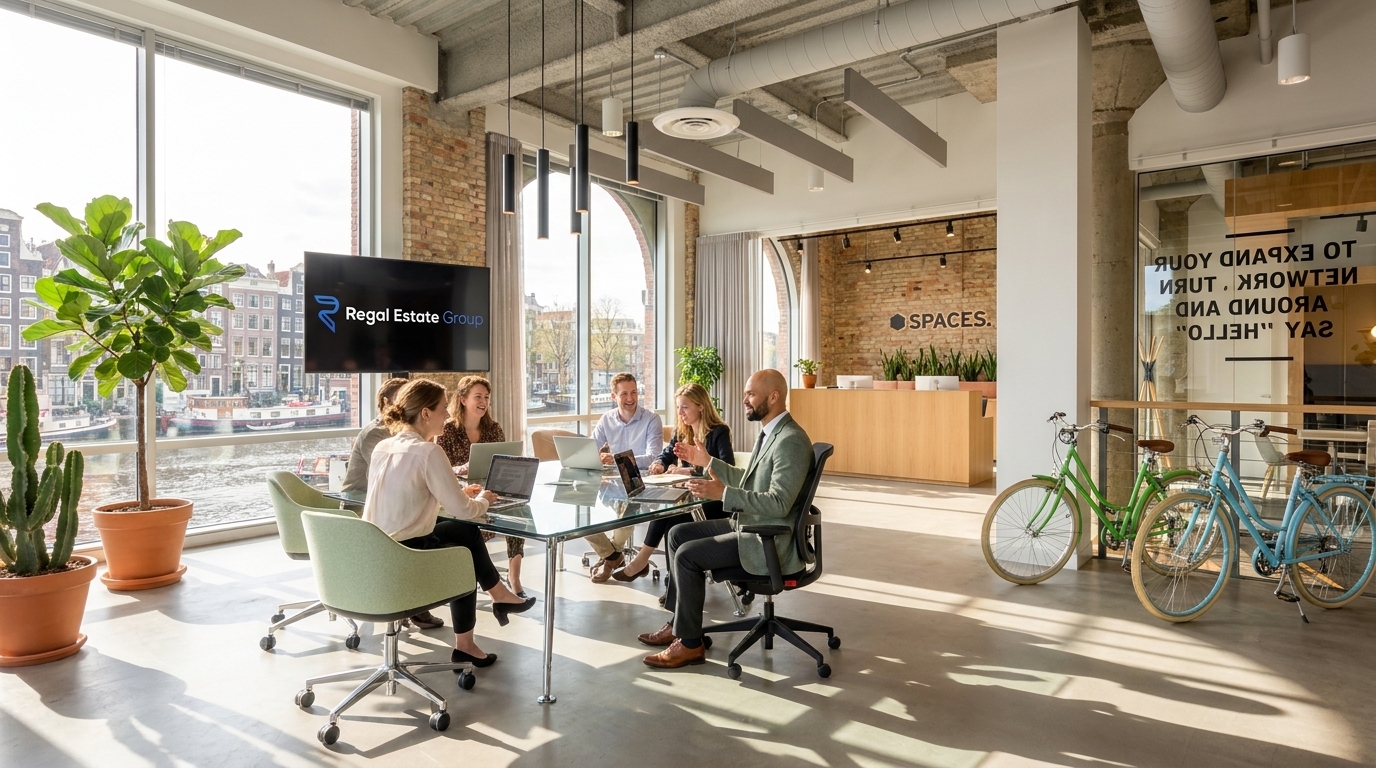
If the office is to compete with the convenience of home, it must offer a compelling experience. The location and its surrounding amenities are a huge part of this value proposition. A workspace isn’t an island; it’s part of a larger neighborhood ecosystem. Choosing a location with excellent transport links is fundamental to making the commute as painless as possible. But beyond accessibility, consider the surrounding environment. Is it a vibrant area with a variety of lunch spots, coffee shops, and places to run errands? Are there parks or green spaces nearby for a mental reset? These external amenities enhance the employee experience and extend the ‘campus’ beyond the four walls of the office. For many companies, the building itself is a key differentiator. A-grade buildings that offer premium end-of-trip facilities (like showers and secure bike storage), on-site fitness centers, and high-quality cafes become destinations in their own right. These features signal to employees that their well-being is valued and can be a significant factor in both attracting and retaining top talent. The decision of where to be is as important as what the space is, turning the office into a place people genuinely want to be.
Future-proofing your space with a focus on sustainability
Sustainability is no longer a niche concern; it is a business imperative that directly impacts brand reputation and talent acquisition. Modern employees, particularly younger generations, actively seek employers whose values align with their own, and a demonstrable commitment to environmental responsibility is a powerful attractor. When selecting a workspace, investigating the building’s green credentials should be a standard part of due diligence. Look for certifications like LEED, BREEAM, or WELL, which provide third-party validation of a building’s performance in energy efficiency, water conservation, and occupant health. The operational aspects of the space are just as important. Does the building management have robust recycling programs? Do they use renewable energy sources? Are they implementing smart technology to reduce energy waste? Choosing a sustainable workspace is a triple win: it reduces your company’s environmental footprint, often leads to lower utility costs over the long term, and serves as a tangible expression of your corporate values. It’s a strategic choice that future-proofs your brand and ensures your physical presence is a positive force for both people and the planet.
Ultimately, the modern playbook for choosing a workspace is a multifaceted discipline that balances financial prudence with a deep understanding of human behavior, technological trends, and corporate culture. The most successful organizations of tomorrow will be those that view their office not as a fixed cost, but as a dynamic, strategic investment in their people. By moving beyond the confines of traditional real estate metrics and embracing a more holistic, data-driven, and flexible approach, leaders can create environments that are more than just places to work—they can become true epicenters of community, innovation, and growth. The right space, chosen with intent and foresight, is a powerful declaration of a company’s vision for the future of work and a critical component in building a resilient, engaged, and high-performing organization.