Coworking spaces present a modern professional paradox. They are vibrant hubs designed to foster innovation and connection, yet their very nature—the ambient chatter, the constant movement, the open sightlines—can be the greatest barrier to the deep work required to thrive. As companies increasingly embrace flexible work models, the number of professionals using these shared spaces is expected to reach five million in 2024. This surge brings a critical question into focus: How do you harness the energy of a collective environment without sacrificing individual focus? The answer lies not in simply tolerating distractions, but in actively designing an intentional environment. This strategic framework moves beyond simple tips, offering a systematic approach to re-engineering your physical space, structuring your time, and managing interactions to create a personal sanctuary of productivity amidst the buzz.
The psychological dualism of shared work
Understanding how to be productive in a coworking space begins with acknowledging its inherent psychological conflict. On one hand, these environments cater to our fundamental need for social connection, providing a powerful antidote to the isolation that many remote workers experience. The simple presence of others working diligently can trigger a phenomenon known as social facilitation, creating a positive peer pressure that motivates and encourages you to stay on task. This sense of community and shared purpose is a significant draw. On the other hand, the human brain has a limited capacity for directed attention. Constant auditory and visual stimuli from conversations, movement, and background activity create a high cognitive load. Research indicates that a single interruption can take as long as 23 minutes to recover from, derailing your train of thought and sabotaging deep work. The key to productivity is not to eliminate this duality but to manage it. It requires consciously shifting between modes of engagement—knowing when to tap into the collaborative energy and when to retreat into your personal fortress of focus. This chapter is about recognizing these competing needs and building the awareness to control which one you cater to at any given moment.
Architecting your acoustic sanctuary
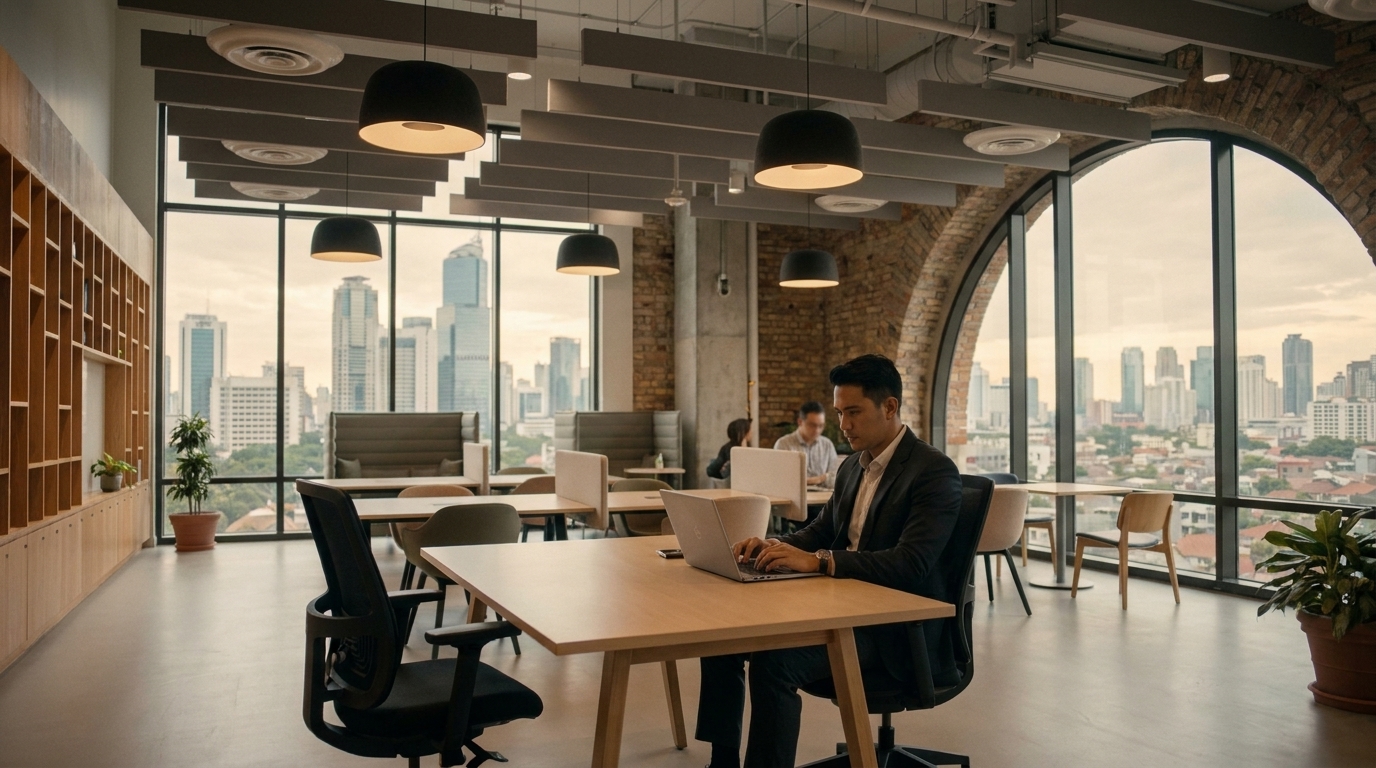
Noise is the most cited distraction in shared workspaces. Therefore, the first step in building your intentional environment is to take control of your soundscape. Your primary tool in this endeavor is a high-quality pair of noise-canceling headphones. This is non-negotiable. They serve a dual purpose: actively blocking out distracting ambient sounds and signaling to those around you that you are in a state of focused work. However, silence isn’t always the goal. For many, the complete absence of sound can be just as distracting as a noisy office. This is where soundscaping comes in. Consider using apps that play white noise, brown noise, or ambient soundscapes like rain or a gentle stream. These consistent, non-intrusive sounds can effectively mask the jarring, irregular noises of an office, such as a sudden laugh or a phone call, allowing your brain to settle into a state of flow. Furthermore, be strategic about your location. Most modern coworking spaces are designed with different zones. If your task requires deep concentration, make a habit of migrating to a designated quiet area or a high-backed focus pod. Proactively choosing your position away from high-traffic zones like kitchens, entrances, or printing stations is a foundational act of environmental design.
Curating your physical and visual territory
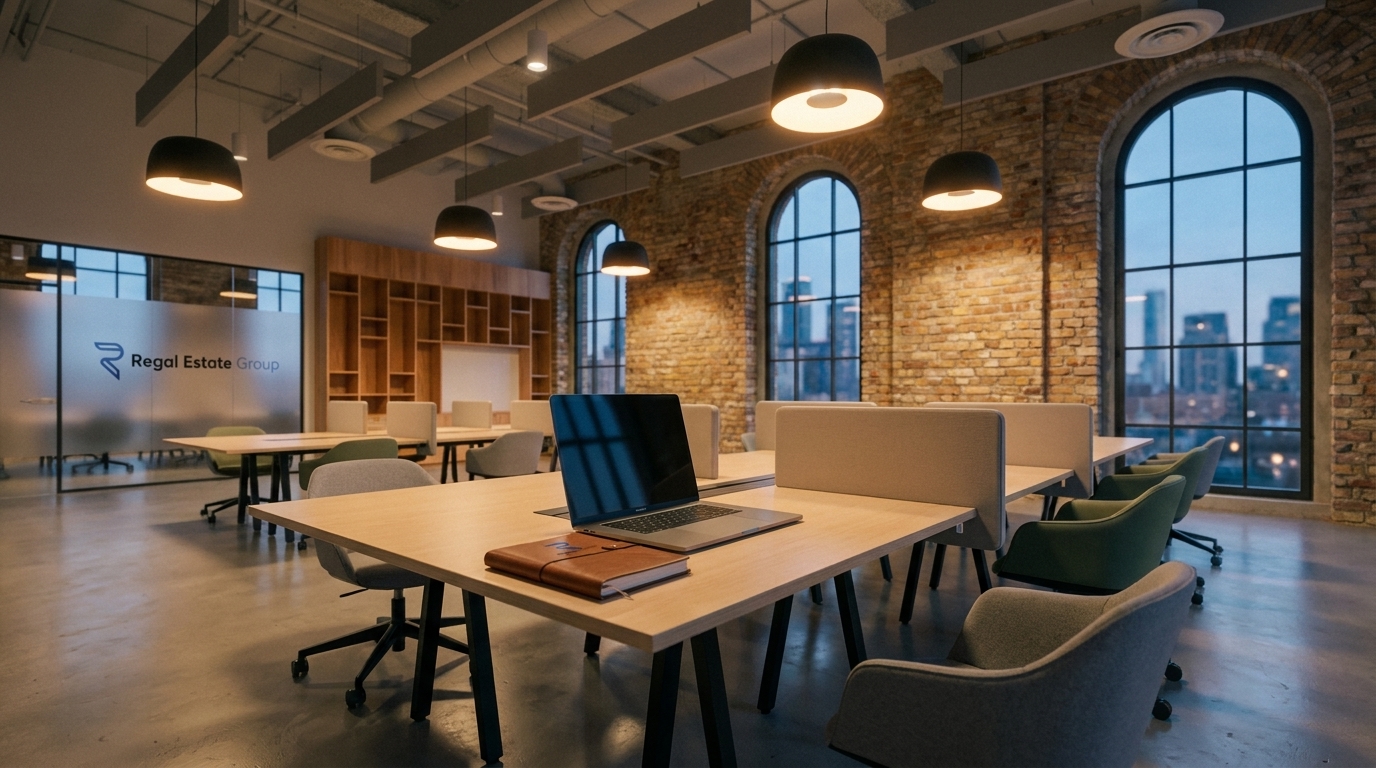
Beyond sound, your visual environment plays a crucial role in your ability to concentrate. A cluttered desk or a chaotic line of sight can lead to a cluttered and distracted mind. The goal is to establish a personal territory that is optimized for focus. Start by decluttering your immediate workspace. Keep only the essentials on your desk: your laptop, a notebook, a drink. A clean, minimalist setup reduces the number of visual targets competing for your brain’s attention. Position your monitor to face a wall or a window with a neutral view if possible. This simple act minimizes the visual distraction of people walking by in your peripheral vision. If you cannot control your orientation, consider using a portable privacy screen for your laptop, which not only protects your information but also helps narrow your field of vision. Think of this as creating blinders for your brain, helping it stay fixed on the task at hand. This curation of your physical space sends a powerful signal to your subconscious that this specific, organized area is a designated zone for high-level cognitive work, making it easier to slip into a productive state each time you sit down.
Structuring time as an environmental tool
An intentional environment is not just about physical space; it’s also about how you structure your time within that space. One of the most effective techniques for this is time-blocking, where you schedule specific, uninterrupted blocks for deep work in your calendar. A popular variation is the Pomodoro Technique: working in focused 25-minute intervals followed by a 5-minute break. This method is highly effective in a coworking setting because it provides a structured defense against the ‘just one minute’ interruptions. You can politely defer a colleague’s question by saying, “I’m in the middle of a focus sprint, can I find you in 15 minutes?” It’s equally important to schedule time for the very thing that makes coworking valuable: social interaction. Intentionally block out time for coffee breaks, walking through the common areas, or eating lunch away from your desk. By scheduling these activities, you satisfy your need for social connection without letting random interactions dictate your day. This prevents the guilt of socializing when you feel you should be working, and it prevents the frustration of being interrupted when you need to focus. You are taking control of the social rhythm of your day, rather than being a passive recipient of it.
Mastering the art of interaction protocols
Your ability to be productive in a shared space is directly linked to your ability to manage social interactions. This requires establishing clear, albeit often unspoken, protocols with those around you. As mentioned, headphones are the universal ‘do not disturb’ sign. But you can reinforce this with body language. Position yourself to be slightly turned away from the main flow of traffic, keep your gaze directed at your screen, and maintain a focused posture. These subtle cues communicate your unavailability for casual chats. When an interruption is unavoidable, handle it with polite efficiency. Stand up when someone approaches your desk; this subtly signals that the interaction is temporary and keeps it from settling into a longer conversation. Have a few polite scripts ready, such as, “It’s great to see you! I’m on a tight deadline right now, but can we connect after lunch?” This acknowledges the person while protecting your time. Remember, you are not being rude; you are being a professional who respects their own focus and deadlines. By setting these boundaries consistently, you train your colleagues on how to best interact with you, creating a predictable social environment that supports your productivity goals.
Leveraging technology as a productivity shield
In the modern work environment, distractions are not just physical but digital. Your intentional environment must extend to your laptop and smartphone. The first step is a ruthless notification audit. Turn off all non-essential notifications on your devices—email pop-ups, social media alerts, and news updates are productivity killers. If your work allows, dedicate specific times of the day to check email and messages, rather than letting them interrupt you in real-time. This is known as batching, and it preserves your cognitive resources for more demanding tasks. For a more robust defense, use website and app blockers during your deep work sessions. Tools like Freedom or Cold Turkey can temporarily block access to distracting sites and applications, creating a digital fortress around your attention. This removes the temptation and the willpower needed to resist it, freeing up your mental energy for the work that matters. Think of this not as a restriction, but as a liberation. You are using technology to protect yourself from the very distractions technology often creates, ensuring your digital space is as curated and focused as your physical one.
Ultimately, achieving peak productivity in a coworking space is not a matter of chance, but of deliberate choice and design. It’s about transforming from a passive occupant into an active architect of your work experience. By understanding the underlying psychology of the shared environment, you can better navigate its challenges. By systematically controlling your acoustic, visual, and digital territories, you create a sanctuary for focus. Structuring your time and interactions with clear intention allows you to access the deep work state required for high-value output, while still reaping the collaborative and social benefits that brought you to a coworking space in the first place. This framework empowers you to stop being a victim of your environment and start making your environment work for you. The result is a more focused, less stressful, and profoundly more productive professional life.