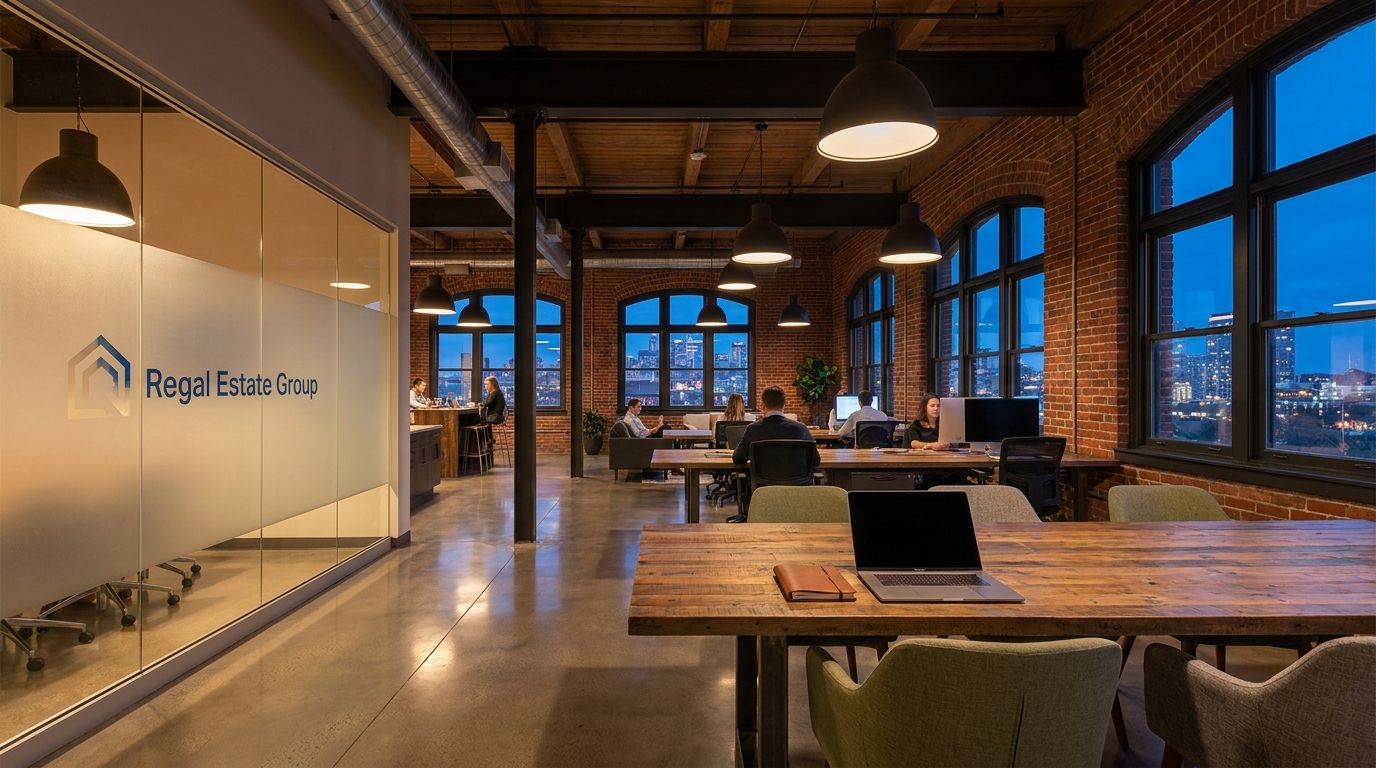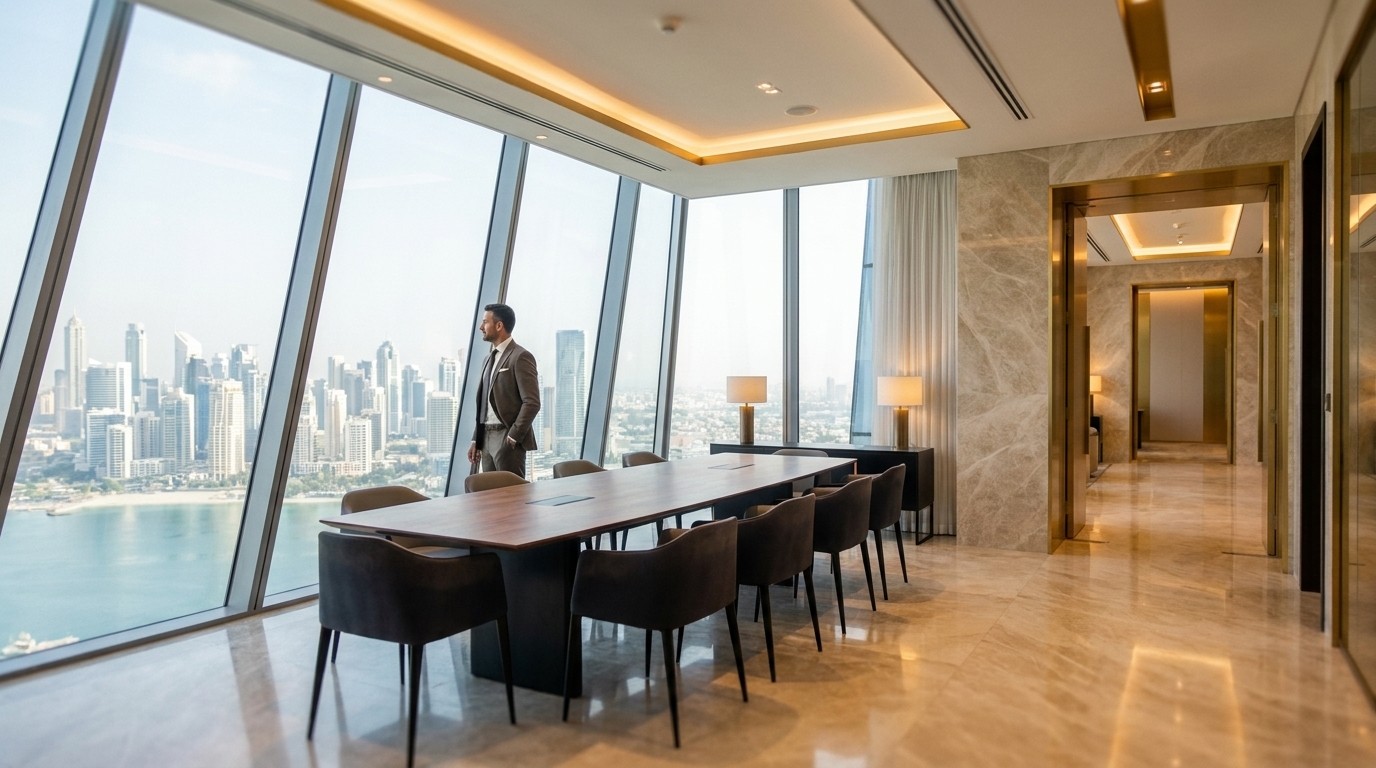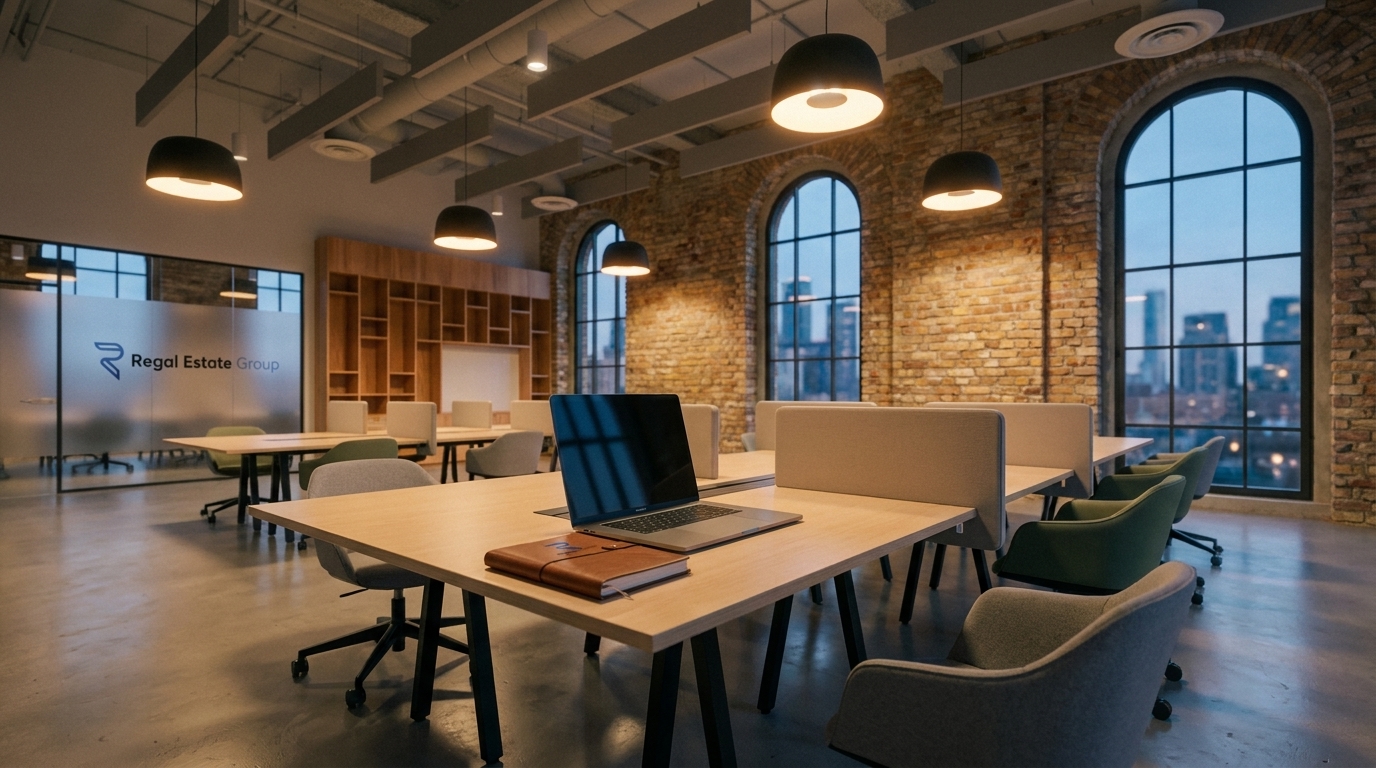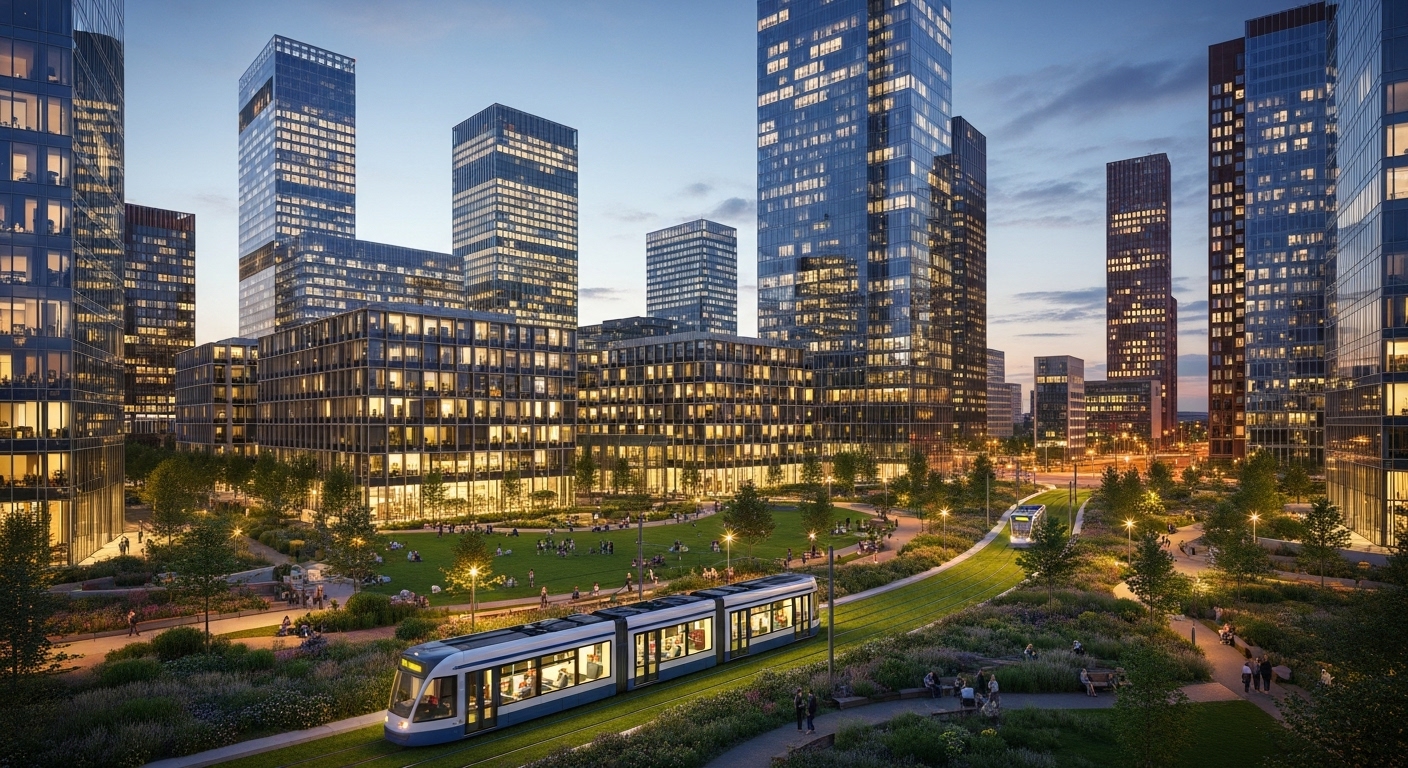
The modern business district is undergoing a profound transformation. No longer just a collection of corporate towers, the leading commercial hubs of Europe are evolving into dynamic, human-centric ecosystems. Driven by the demands of a new generation of talent and the urgent need for environmental responsibility, these districts are prioritizing sustainability, technological integration, and quality of life. While established centers like London’s Canary Wharf and Paris’s La Défense still hold significant sway, a new model is emerging, one that blends work, life, and nature seamlessly. This evolution is perhaps best exemplified by the strategic and forward-thinking development seen in key European cities, which are redefining what it means to be a global business destination. Among them, a particular city is setting a formidable pace, creating a blueprint for others to follow by placing green credentials and talent well-being at the core of its economic strategy.
The new mandate for European central business districts
Across Europe, the traditional concept of the Central Business District (CBD) is being reimagined. The post-pandemic shift towards hybrid work models has forced a fundamental rethink of the office’s role, accelerating a move away from monolithic, 9-to-5 corporate zones. Today’s most attractive business districts are characterized by their mixed-use nature, blending commercial spaces with residential, retail, and cultural amenities. This integration fosters a vibrant, 24/7 environment that is crucial for attracting and retaining top talent who seek a holistic urban experience. Furthermore, sustainability is no longer a peripheral concern but a central pillar of development. Investors, tenants, and policymakers are demanding energy-efficient buildings, green public spaces, and robust public transport networks. Districts that fail to adapt to this green mandate risk becoming obsolete. Technology is another critical driver of change, with smart city infrastructure being deployed to optimize everything from traffic flow and energy consumption to public safety, creating more efficient and livable environments for businesses and their employees.
Zuidas: the engine of Amsterdam’s economic future
At the heart of this European evolution is the Zuidas district in Amsterdam. What began as a strategic plan to create a high-density, internationally competitive business hub has blossomed into one of the continent’s most dynamic and forward-looking districts. Zuidas is a prime example of a master-planned development that successfully integrates world-class commercial real estate with residential, academic, and cultural facilities. Its strategic location, situated between the city center and Schiphol Airport, provides unparalleled connectivity, making it a gateway to both the Netherlands and the rest of Europe. The district is home to a dense concentration of financial institutions, law firms, and corporate headquarters, creating a powerful economic engine. However, its success is not solely based on its commercial prowess. The urban planning of Zuidas emphasizes a high quality of life, with significant investment in public spaces, green areas, and pedestrian-friendly infrastructure, setting it apart from more traditional, car-centric business parks and creating a benchmark for future developments.
Sustainability as a core strategic advantage
Where Zuidas truly distinguishes itself is in its deep and unwavering commitment to sustainability. This is not a mere marketing slogan but a foundational principle embedded in every aspect of its development. The district has set ambitious targets to become energy-neutral and waste-free, driven by a collective of businesses and local government. This commitment is visible in the architecture, with a high concentration of BREEAM-certified buildings that feature green roofs, advanced energy management systems, and sustainable water usage. The Zuidasdok project, a massive infrastructure initiative, will move a major motorway underground, reducing noise and air pollution while creating new parkland and public squares on the surface. This focus on green infrastructure enhances the aesthetic appeal and biodiversity of the area and directly contributes to the well-being of its inhabitants. By pioneering such a comprehensive sustainability strategy, Zuidas has created a powerful competitive advantage, attracting companies and talent that prioritize environmental and social responsibility.
Integrating technology for a smarter district
Technology is the invisible thread weaving through the fabric of Zuidas, optimizing its efficiency and enhancing the user experience. The district functions as a living lab for smart city solutions, from intelligent traffic management systems that ease congestion to smart grids that optimize energy distribution. A district-wide digital infrastructure supports seamless connectivity, which is essential for the tech and finance companies that call it home. The collaboration between the Vrije Universiteit Amsterdam, located within the district, and the corporate sector fuels a constant stream of innovation. This synergy is fostering a burgeoning ecosystem focused on fintech, AI, and life sciences. The development of new innovation centers is set to further cement the reputation of Amsterdam as a leading European tech hub. This integration of knowledge institutions and businesses creates a powerful feedback loop, where academic research informs commercial application, driving economic growth and technological advancement.
A human-centric approach to talent attraction
Ultimately, the success of any business district hinges on its ability to attract and retain world-class talent. The master plan for Zuidas has always been human-centric, recognizing that a vibrant community is as important as state-of-the-art office buildings. The district is intentionally designed to foster a healthy work-life balance. The increasing number of residential towers, cafes, restaurants, and cultural venues transforms it from a purely corporate environment into a lively neighborhood. Green spaces, fitness centers, and well-designed public squares provide ample opportunities for recreation and social interaction. This focus on creating a complete, high-quality urban lifestyle is a critical differentiator in the global war for talent. Companies located in Zuidas can offer potential employees not just a job, but a place where they can live, work, and thrive, making it a highly desirable destination for professionals from around the world.
The future blueprint for urban business hubs
The evolution of business districts from sterile corporate enclaves to vibrant, mixed-use ecosystems reflects a broader shift in how we view the relationship between work, life, and the urban environment. The emphasis is now on creating places that are not only economically productive but also socially inclusive and environmentally sustainable. The challenges of climate change and the changing nature of work demand this new, holistic approach. Cities that embrace this model, investing in green infrastructure, smart technology, and human-centric design, will be the economic powerhouses of the future. They will attract the most innovative companies and the brightest talent, creating a virtuous cycle of growth and prosperity. The strategic development seen in Amsterdam provides a compelling case study, demonstrating that economic success and a high quality of life are not mutually exclusive but are, in fact, deeply intertwined. This integrated approach serves as a powerful blueprint for other cities and developers aiming to create the next generation of global business destinations, proving that the future of business is green, smart, and centered on people.