The initial scramble to adopt hybrid work is over. Now, organizations face a more complex challenge: making it sustainable. As we settle into this new normal, it’s clear that the old, unspoken rules of the office no longer apply. A new social contract—a shared understanding of expectations, behaviors, and cultural norms—is essential for hybrid models to thrive. This isn’t just about scheduling in-office days; it’s a fundamental re-evaluation of the employer-employee relationship built on trust, autonomy, and intentional connection. Recent data shows that while flexibility remains a top priority, challenges like proximity bias and cultural fragmentation persist. This post explores the core pillars of this new social contract, offering a roadmap for leaders to build a cohesive, equitable, and high-performing hybrid team that lasts.
The foundation of trust in a distributed workforce
In a traditional office, trust is often built on presence. Managers see employees at their desks, inferring productivity from physical visibility. The hybrid model shatters this paradigm, demanding a more evolved form of trust based on outcomes, not observation. Building this foundation requires a conscious shift in leadership mindset and organizational systems. It starts with granting employees genuine autonomy over their work, empowering them to manage their schedules and tasks in a way that maximizes their productivity. This isn’t about abdication of responsibility; it’s about providing clear goals and metrics for success and then stepping back to let talented people deliver. Micromanagement, already a culture killer in person, becomes acutely toxic in a hybrid environment, breeding resentment and disengagement. Leaders must learn to manage by results, focusing on the quality and timeliness of work rather than the hours logged. This requires robust performance management systems that are fair, transparent, and applied equally to all team members, regardless of their location. This shift from ‘presenteeism’ to performance-based trust is the single most critical element in a successful hybrid social contract, creating a psychologically safe environment where employees feel respected and motivated to do their best work.
Redefining the rules of communication and collaboration
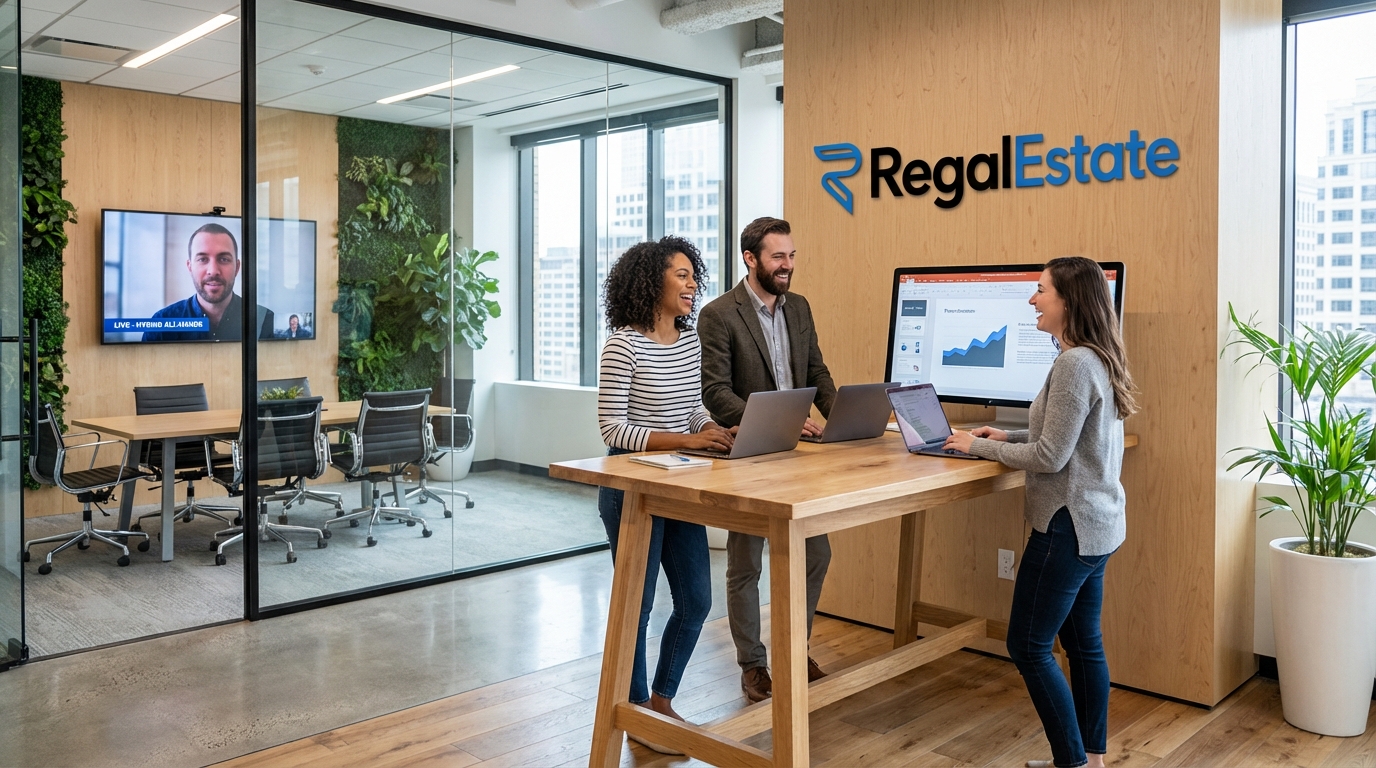
When a team is physically scattered, communication can no longer be left to chance. The casual desk-side chats and spontaneous whiteboard sessions that once drove collaboration must be replaced with intentional, structured, and inclusive communication protocols. The new social contract for hybrid work demands a ‘digital-first’ approach. This means assuming that all communication should be accessible to everyone, regardless of where they are working. Key decisions, project updates, and important context should be documented and shared on centralized platforms like Slack, Teams, or Asana, creating a single source of truth. Meeting etiquette also needs a complete overhaul. Every meeting should have a clear agenda, and remote participants must be treated as first-class citizens. This involves investing in high-quality audio-visual technology for conference rooms and establishing norms like having all participants, even those in the office, join on their own laptops to level the playing field. Furthermore, it’s crucial to define expectations around communication channels—when to use instant messaging versus email, and what response times are considered reasonable. This clarity reduces anxiety and prevents the ‘always-on’ culture that can lead to burnout. By codifying these rules, teams can ensure information flows freely and equitably, preventing the emergence of an information gap between in-office and remote employees.
Designing for equity and combating proximity bias
One of the most insidious threats to a hybrid model’s success is proximity bias: the natural human tendency to give preferential treatment to those we see and interact with most often. A recent 2024 report highlighted this ongoing challenge, showing a persistent belief among some managers that in-office workers are more dedicated. The new social contract must actively and explicitly work to dismantle this bias. It requires creating equitable systems for career advancement, project assignment, and recognition. Opportunities for high-visibility projects should be allocated based on skill and potential, not on an employee’s physical location. Performance reviews must be rigorously standardized, focusing on objective, outcome-based metrics rather than subjective impressions of effort. Mentorship and sponsorship programs also need to be structured to ensure remote employees have the same access to senior leaders and career guidance as their in-office colleagues. Leaders must be trained to recognize and mitigate their own unconscious biases. Regular audits of promotion data, salary adjustments, and project leadership roles can help identify and correct imbalances before they erode morale. Ultimately, creating a truly equitable hybrid environment means intentionally designing every process—from onboarding to promotion—to be location-agnostic, ensuring that career growth is tied to contribution, not commute.
The office as a destination for intentional connection
In a successful hybrid model, the office is no longer the default place for individual work; it has a new, more vital purpose. The new social contract redefines the office as a ‘destination’ for specific, high-value activities that are difficult to replicate remotely. This means when employees make the commute, their time must be well spent. The focus should shift from heads-down solo tasks to intentional, collaborative work. Office days should be orchestrated around team-based activities like strategic planning sessions, complex problem-solving workshops, project kick-offs, and creative brainstorming. The physical space itself must evolve to support this new function, moving away from seas of individual desks toward more dynamic, collaborative zones, high-tech meeting rooms, and comfortable social spaces that encourage interaction. Beyond formal collaboration, the office is crucial for building social capital and strengthening cultural ties. Coordinated in-office days can be used for team lunches, cross-departmental mixers, and celebrating milestones. This intentional approach ensures that face-to-face time is maximized for connection and synergy, reinforcing the team’s shared identity and purpose. By making the office a hub for meaningful interaction rather than a place for mandatory attendance, organizations can transform it into a powerful tool for enhancing culture and driving innovation.
Fostering well-being and a sustainable work-life integration
The promise of flexibility in hybrid work can quickly sour if it leads to an ‘always-on’ culture where the boundaries between work and personal life dissolve. A critical component of the new social contract is a shared commitment to employee well-being and sustainable work-life integration. This goes beyond simply offering wellness apps; it requires embedding well-being into the very fabric of the team’s operating principles. Leaders must actively model healthy behaviors, such as taking breaks, using their vacation time, and disconnecting after work hours. Organizations should establish clear policies that protect employees’ personal time, such as setting ‘no-meeting’ blocks or discouraging emails and messages outside of established work hours. The focus on asynchronous work—allowing employees to contribute on their own schedules—is also a powerful tool for promoting balance, accommodating different chronotypes, family responsibilities, and time zones. The social contract should also include open conversations about mental health and burnout, creating a culture where it’s safe for employees to raise concerns and ask for support without stigma. By explicitly prioritizing the holistic health of its people, the organization demonstrates a genuine commitment to their long-term success and happiness, which is the ultimate foundation for sustained productivity and engagement in any work model.
Co-creating team agreements for clarity and buy-in
A social contract cannot be dictated from the top down; it must be co-created with the team to ensure genuine buy-in and relevance. The most effective hybrid teams formalize their new norms by developing a team agreement or charter. This is a living document that explicitly outlines the shared expectations for how the team will work together. The process of creating this agreement is as important as the document itself. It involves open, facilitated discussions where every team member has a voice in shaping their collective future. Key areas to cover in a team agreement include core working hours, communication protocols (e.g., ‘camera on’ policies for video calls), expectations for response times on different platforms, how meetings will be run to ensure inclusivity, and how the team will socialize and connect. The agreement should also define how team members will use the office and how they will collaborate on projects, distinguishing between synchronous and asynchronous tasks. By collaboratively defining ‘how we work around here,’ teams eliminate ambiguity and reduce the potential for conflict. This process empowers employees, builds mutual accountability, and ensures that the hybrid model is tailored to the specific needs and workflows of the team, transforming abstract principles into practical, everyday behaviors that everyone understands and agrees to uphold.
In conclusion, navigating the complexities of hybrid work requires moving beyond logistical planning and focusing on the human element. The creation of a new social contract is not a one-time task but an ongoing conversation and commitment. It’s about building a foundation of trust that values outcomes over physical presence, and designing communication systems that are inherently inclusive and transparent. It demands a proactive stance against proximity bias to ensure equity in growth and opportunity for every team member, regardless of their location. The role of the office must be reimagined as a purposeful destination for connection and collaboration, not a place of mandatory attendance. Critically, this new contract must prioritize the well-being of employees, establishing clear boundaries to foster a sustainable and healthy integration of work and life. By co-creating these new rules of engagement through clear team agreements, organizations can build a resilient, connected, and high-performing culture that doesn’t just survive in a hybrid world, but actively thrives. This intentional approach to culture is the definitive factor that will separate the successful hybrid models from the ones that falter.