The seismic shift to hybrid work has fundamentally rewritten the rules of office design and selection. No longer a static place for heads-down, individual tasks, the modern office is earning its keep as a dynamic hub for collaboration, connection, and culture. As companies navigate this new terrain, a one-size-fits-all approach to workspace strategy is proving obsolete. A more nuanced, human-centric model is emerging, one that prioritizes the actual activities employees perform over outdated notions of cubicles and corner offices. This evolution calls for an activity-based framework, a strategic lens through which organizations can analyze their unique needs and select a space that not only supports but actively enhances the work being done. This approach moves beyond simply asking how many desks are needed and instead prompts a deeper inquiry into the types of environments that will foster productivity, innovation, and employee satisfaction in a flexible work era. This article will explore the core tenets of this framework, from auditing your team’s work patterns to designing a multi-zoned office that aligns with your strategic goals.
Understanding your team’s unique work profile
Before you can choose the right space, you must first develop a granular understanding of how your team actually works. An activity-based framework begins with a comprehensive audit of your employees’ daily and weekly tasks. This isn’t about micromanagement; it’s about data collection to inform a better design. The goal is to categorize work into distinct modes: high-focus individual work, collaborative brainstorming, formal client meetings, informal team huddles, and social connection. Utilize surveys, focus groups, and observational studies to gather this crucial information. How much time do teams spend in collaborative sessions versus deep work? Which activities are best suited for in-person interaction, and which can be effectively done remotely? Modern analytics tools can also provide valuable insights.
By understanding how and when employees are using the office, organizations can optimize their real estate footprint, potentially shrinking their overall space while investing in higher-quality, more impactful environments.
This data-driven approach allows you to create a detailed work profile for your organization. This profile becomes the foundational blueprint for your workspace search, ensuring that your final decision is based on evidence of your team’s needs, not on assumptions or outdated office-centric traditions. It empowers you to move past generic layouts and design a workspace portfolio that is as unique as your company’s culture and workflow.
The core zones of an activity-based workspace
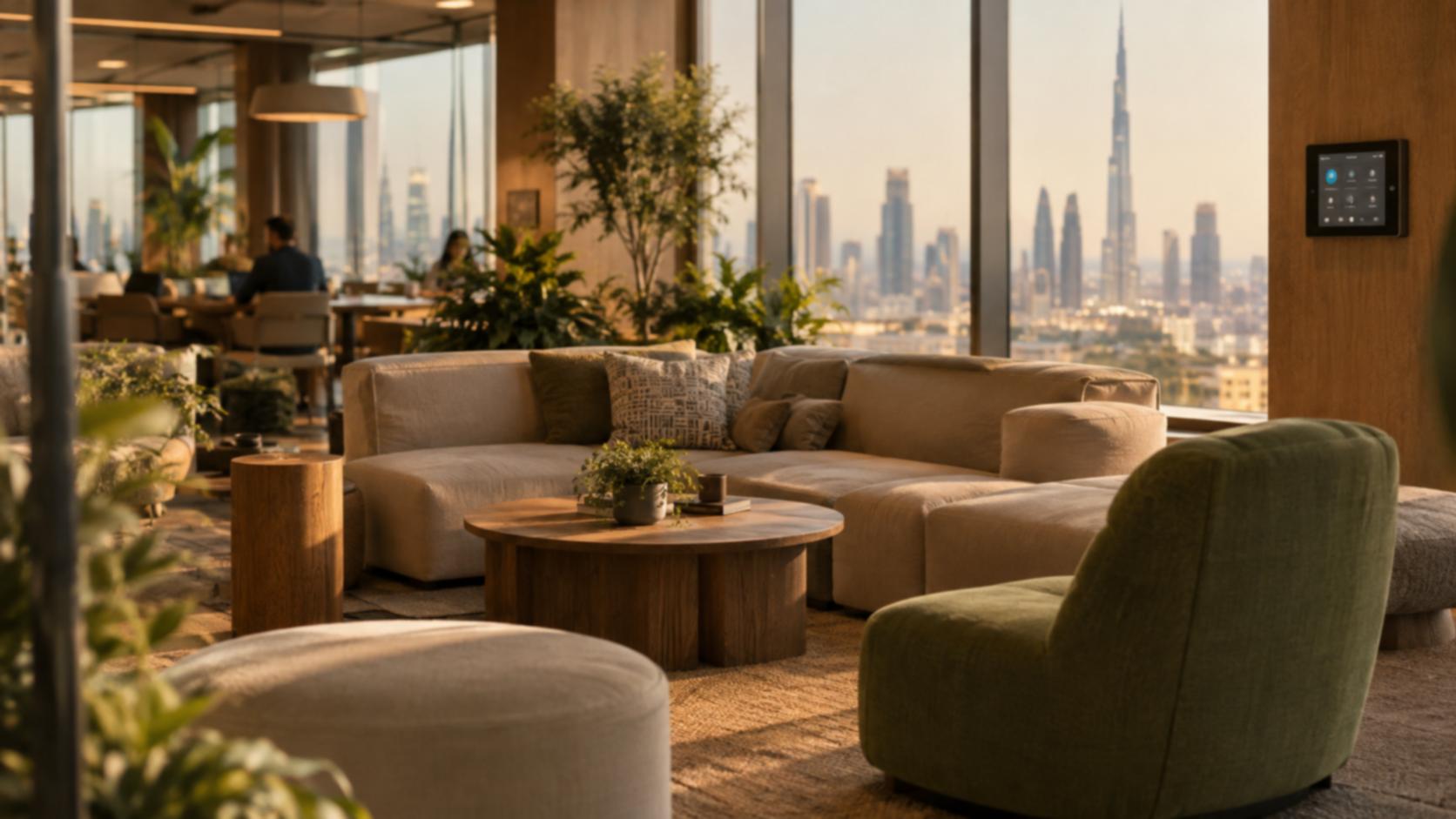
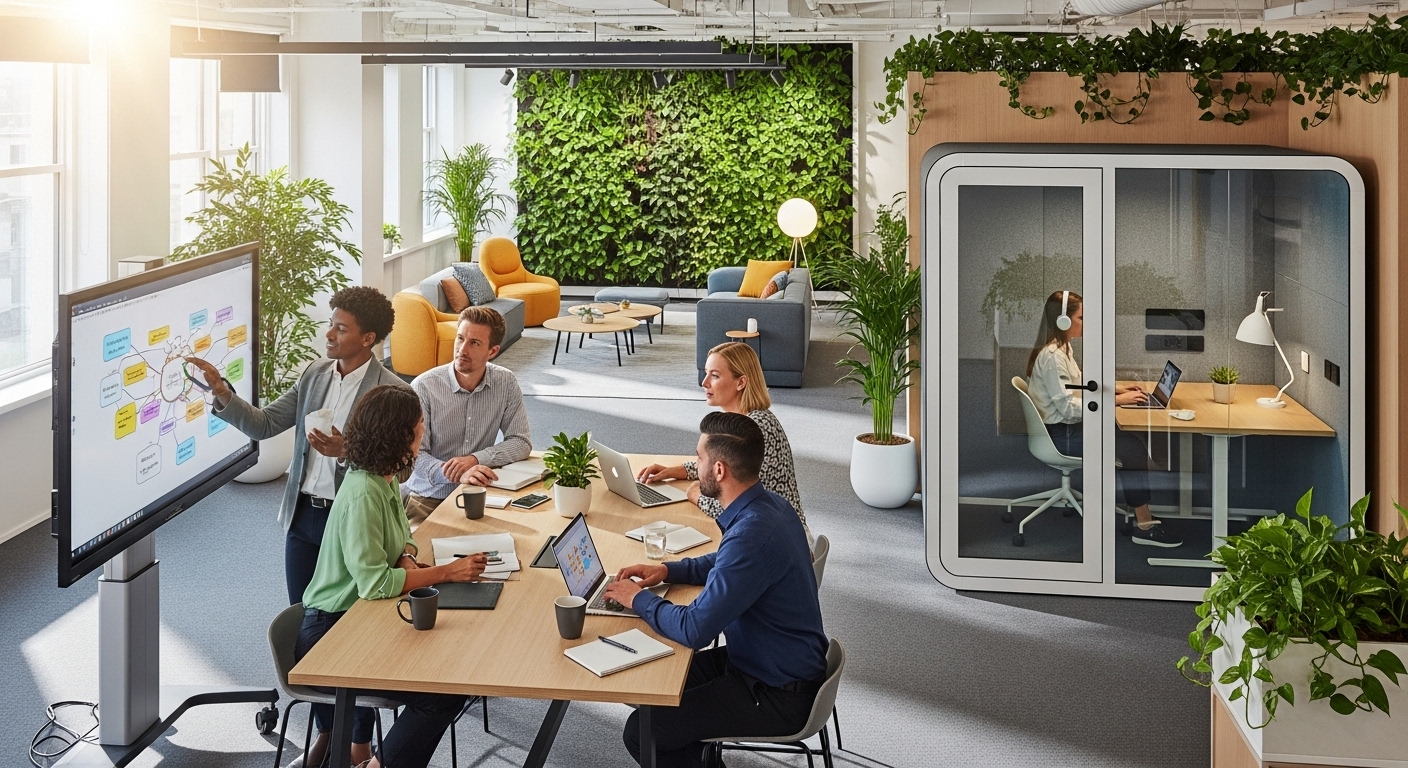
Once you have a clear picture of your team’s work profile, the next step is to translate those activities into distinct physical zones within a potential office space. An effective activity-based workspace is not a chaotic open plan but a thoughtfully curated ecosystem of diverse environments. Think of it as a neighborhood with different districts, each designed for a specific purpose. There are four primary zones to consider. First, the ‘Focus Zone,’ dedicated to quiet, individual work. These areas are critical for tasks requiring deep concentration and are often outfitted with single-person pods, acoustic panels, and library-like rules. Second, the ‘Collaboration Zone,’ which is the energetic heart of the office. This includes a variety of settings from large, tech-enabled conference rooms for formal meetings to casual lounges and brainstorming nooks with whiteboards and flexible seating. Third, the ‘Social Zone,’ spaces designed to foster connection and community, such as cafés, kitchens, and comfortable lounges. These areas are vital for building the social capital that can erode in a hybrid model. Finally, the ‘Transitional Zone,’ which includes touchdown spots or hot-desking areas for employees who aren’t in the office daily, complete with secure personal storage to create a seamless experience for a fluid workforce. Evaluating a potential office through this multi-zone lens ensures you are selecting a space with the architectural flexibility to support the full spectrum of your team’s activities.
Integrating technology for a seamless hybrid experience
In an activity-based and hybrid work model, technology is the connective tissue that holds the entire experience together. The physical space is only one part of the equation; it must be seamlessly integrated with digital tools to support equity and efficiency between in-office and remote employees. When evaluating a new workspace, its technological infrastructure is paramount. A critical element is the presence of tech-enabled meeting rooms. Look for spaces equipped with high-quality cameras that can intelligently frame speakers, clear audio systems, and interactive digital whiteboards. This ensures remote participants are not just passive observers but active contributors. Furthermore, a robust and intuitive resource booking system is non-negotiable. This software allows employees to easily reserve desks, focus pods, and meeting rooms in advance, reducing friction and empowering them to plan their office days around specific tasks. The underlying infrastructure, including high-speed Wi-Fi and ample power outlets in every zone, is a fundamental requirement. Without this digital foundation, even the best-designed physical space will fail to deliver the flexibility and connectivity that the modern workforce demands. The goal is to create a ‘phygital’ environment where the boundary between the physical and digital workspace is virtually invisible, fostering a truly inclusive and productive culture for all team members, regardless of their location.
Prioritizing well-being and sustainability in your selection
Beyond pure functionality, the modern workspace has a new mandate: to support the holistic well-being of its occupants and the health of the planet. These are no longer secondary considerations but core components of a winning workspace strategy, directly impacting talent attraction, retention, and productivity. As you apply an activity-based framework, integrate criteria for employee well-being and sustainability into your evaluation. Look for spaces that embrace biophilic design, which incorporates natural elements like abundant daylight, indoor plants, and natural materials. Studies have consistently shown that these elements reduce stress and increase creativity. Access to wellness amenities, such as quiet rooms for meditation or private calls, ergonomic furniture, and proximity to outdoor green spaces, should also be heavily weighted. Simultaneously, sustainability has become a critical factor. Evaluate the building’s green credentials, such as LEED or BREEAM certifications. An energy-efficient building not only reduces your carbon footprint but can also lead to significant long-term operational savings.
There is a growing demand for sustainable workplace design. This includes using eco-friendly materials, implementing energy-efficient systems, and adopting circular design principles where furniture and materials are reused and recycled.
Choosing a space that reflects these values sends a powerful message to your employees and stakeholders about your company’s commitment to people and the planet, making it a strategic asset in a competitive market.
Balancing cost efficiency with cultural investment
The shift to an activity-based, hybrid model presents a unique opportunity to rethink real estate costs. Many companies find they can reduce their overall square footage by eliminating rows of permanently assigned desks that sit empty several days a week. However, this isn’t simply about cutting costs; it’s about reallocating resources strategically. The savings from a smaller footprint should be reinvested into creating a higher-quality, more impactful, and experience-rich environment. This is the concept of the ‘magnetic’ office—a destination that offers amenities, technologies, and collaborative energy that employees cannot replicate at home. When choosing your space, the financial analysis must evolve beyond a simple price-per-square-foot calculation. Consider the value of a space that acts as a cultural hub, a place that draws people in and strengthens team cohesion. The investment in high-end collaborative zones, advanced video conferencing technology, and wellness-focused amenities is not an expense but a direct investment in your company’s culture and innovative capacity. A cheaper, bare-bones office might save money initially but could cost more in the long run through decreased engagement, innovation, and higher employee turnover. The activity-based framework allows for this smarter, value-based calculation, ensuring your workspace is not just a line item on a budget but a strategic tool for driving business success and fostering a thriving organizational culture.
Future-proofing your workspace strategy
In today’s rapidly changing work environment, the only certainty is change itself. Therefore, the final, crucial element of choosing your next office is ensuring it is adaptable for the future. The concept of ‘ultra-flexibility’ should be a core tenet of your selection process. This means prioritizing spaces that can be easily reconfigured as your team’s needs, size, and work patterns evolve. Look for architectural features like movable walls, modular furniture systems, and a flexible power and data infrastructure. An office with a rigid, fixed layout is a liability in a dynamic world. Instead, seek out a workspace that can transform from a series of individual workstations into a large event space, or from project-specific war rooms into quiet focus zones with minimal effort and investment. This agility allows your physical environment to adapt alongside your business strategy, preventing your real estate from becoming obsolete. Choosing a partner in a flexible workspace provider can be an effective way to build in this adaptability, allowing you to scale your footprint up or down as needed. By making future-proofing a key criterion, you ensure that your workspace remains a supportive and relevant asset for years to come, capable of accommodating the inevitable shifts in how and where work gets done. It’s a strategic move away from static, long-term leases on inflexible spaces toward a more dynamic and resilient real estate portfolio.
In conclusion, the process of choosing an office has transformed from a logistical decision into a core strategic exercise. The activity-based framework provides a comprehensive and adaptable model for navigating this complex landscape. By starting with a deep, data-informed understanding of your team’s unique work profile, you can move beyond outdated assumptions and design a workspace that truly serves its users. The key is to create a diverse ecosystem of zones—for focus, collaboration, and social connection—that empowers employees with choice and control over their environment. This physical space must be underpinned by a seamless technological infrastructure that fosters equity and inclusion in a hybrid world. Moreover, prioritizing well-being and sustainability is no longer a luxury but a necessity for attracting and retaining top talent. While this approach allows for greater real estate efficiency, the focus should be on reinvesting savings to create a high-value, ‘magnetic’ destination that strengthens company culture. Ultimately, by selecting a flexible, adaptable space, you are not just choosing an office for today; you are future-proofing your organization, ensuring your workspace remains a strategic asset that can evolve alongside the dynamic future of work. This thoughtful, activity-driven approach is the new blueprint for creating workplaces that are not just functional, but truly thriving.