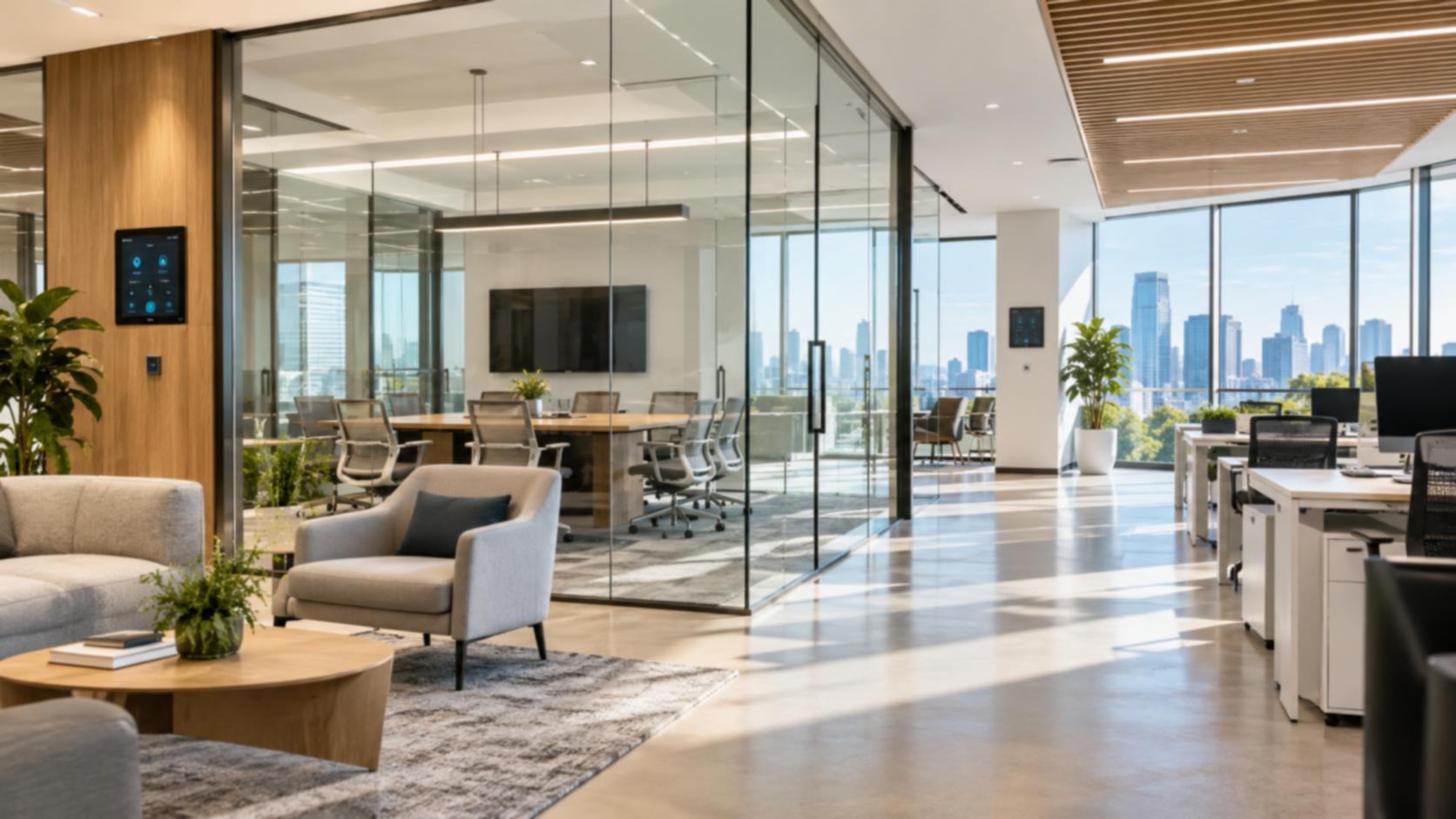
In an era where business agility and operational efficiency are paramount, the debate between traditional leases and modern workspace solutions has never been more relevant. For growing businesses and established enterprises alike, the decision of where to physically anchor operations is a critical one, with long-term financial and cultural implications. This analysis moves beyond surface-level comparisons to provide a definitive cost-benefit breakdown, specifically focusing on the value proposition of office labs flexible office space & coworking environments. As companies increasingly prioritize scalability, talent retention, and controlled expenditures, understanding the nuanced advantages and potential drawbacks of these dynamic workspaces is essential for making a strategic, forward-thinking decision that aligns with both immediate needs and future growth trajectories.
The direct financial benefits of flexible workspaces
The most immediate and compelling argument for adopting a flexible office solution lies in its direct impact on the balance sheet. Traditional commercial leases are notoriously rigid, demanding substantial upfront capital and locking businesses into long-term commitments that can stifle growth. In contrast, the model offered by office labs flexible office space & coworking is designed for financial agility. The most significant advantage is the drastic reduction in initial capital outlay. Businesses can bypass the enormous expenses associated with fit-outs, purchasing furniture, installing IT infrastructure, and securing utility contracts. These costs are bundled into a single, predictable monthly membership fee, freeing up capital to be invested in core business activities such as product development, marketing, and talent acquisition. Furthermore, this model transforms a large capital expenditure (CapEx) into a manageable operating expense (OpEx), which can have favorable tax implications and simplify financial forecasting. The all-inclusive nature of these agreements also eliminates the variable costs of utilities, high-speed internet, cleaning, and maintenance, offering a clear and consistent picture of monthly overheads. This predictability is invaluable for budgeting and strategic planning, particularly for startups and small to medium-sized enterprises where cash flow management is critical.
The indirect value: boosting productivity and innovation
Beyond the hard numbers, the indirect benefits of a flexible workspace can be equally, if not more, impactful on a company’s success. Environments like office labs flexible office space & coworking are purpose-built to foster productivity and collaboration. They offer a variety of work settings, from quiet concentration zones for deep work to vibrant communal areas designed for spontaneous interaction and creative brainstorming. This choice empowers employees to select the environment that best suits their task at hand, leading to increased focus and efficiency. Moreover, these spaces are hubs of diverse talent and industries. The inherent networking opportunities are immense; a chance conversation over coffee can lead to a new client, a strategic partnership, or a breakthrough idea. This ‘creative friction’ between professionals from different backgrounds is a powerful catalyst for innovation that is difficult to replicate in a traditional, siloed office. Access to a professionally managed environment also offloads the administrative burden of office management, allowing teams to focus entirely on their core objectives. The seamless experience, from reception services to readily available meeting rooms, removes daily operational friction and contributes to a more productive and satisfying workday for every team member.
Enhancing talent acquisition and employee well-being
In today’s competitive job market, the quality of the work environment is a significant differentiator for attracting and retaining top talent. A premier workspace is no longer a perk but an expectation. By choosing office labs flexible office space & coworking, companies can offer their teams access to premium locations and high-end amenities that might be unattainable through a traditional lease. This includes state-of-the-art technology, modern design, wellness rooms, and professionally organized community events. Offering employees a well-designed, amenity-rich, and conveniently located workspace sends a clear message that their well-being and satisfaction are valued. This can lead to higher morale, lower attrition rates, and a stronger employer brand. The flexibility inherent in this model also supports a better work-life balance, allowing companies to establish decentralized teams or offer hybrid work options without the complexity of managing multiple leases. This adaptability is particularly attractive to the modern workforce, which increasingly prioritizes autonomy and flexibility. Ultimately, investing in a superior workplace experience is an investment in your people, which pays dividends in the form of increased engagement, loyalty, and overall business performance.
Quantifying the opportunity costs of traditional leases
When conducting a thorough cost-benefit analysis, it is crucial to consider not just the direct expenses but also the opportunity costs associated with the alternative. A traditional lease, with its typical 5- to 10-year term, represents a significant long-term liability. The primary opportunity cost is the loss of agility. A company locked into a fixed space cannot easily scale up during periods of rapid growth or downsize in response to market shifts. This can lead to paying for unused space or, conversely, being constrained by a lack of it, hindering potential expansion. The time and resources dedicated to managing a traditional office—from negotiating with landlords and vendors to overseeing maintenance and security—also represent a significant opportunity cost. This is time that leadership and operational teams could be dedicating to strategic, revenue-generating activities. In contrast, the streamlined management provided by office labs flexible office space & coworking liberates these internal resources. Furthermore, the inability to quickly enter a new market due to the lengthy process of sourcing and setting up a traditional office can mean missing out on crucial business opportunities. The flexible model allows for rapid market entry and testing with minimal risk and commitment.
Potential drawbacks and mitigation strategies
While the benefits are substantial, a balanced analysis requires acknowledging potential drawbacks. For some companies, the lack of exclusive branding in a shared environment can be a concern. However, many flexible office providers now offer private, customizable office suites that allow businesses to maintain a strong brand identity within the larger community. Another common concern is the potential for noise and distractions in open coworking areas. This can be mitigated by choosing a provider that offers a range of work environments, including quiet zones and private offices, and by fostering a team culture that respects different work styles. Data security is another valid consideration in a multi-tenant environment. It is essential to perform due diligence and select a provider with robust security measures, including secure Wi-Fi networks, access control systems, and private server options. Finally, while the all-inclusive model is common, it’s important to read the fine print to understand what is included and what might incur extra charges, such as printing or booking conference rooms beyond a certain limit. A clear understanding of the membership agreement can prevent unexpected costs and ensure the solution remains cost-effective.
Making the final decision: a strategic framework
The decision to switch to a flexible workspace is not merely an operational one; it is a strategic one. To make the right choice, businesses should evaluate their decision through a multi-faceted framework. First, assess your company’s growth trajectory. If you anticipate rapid scaling or operate in a dynamic market, the agility of a flexible model is a significant asset. Second, consider your company culture and the needs of your talent. Would your team thrive in a vibrant, collaborative environment with extensive amenities? Third, conduct a detailed financial projection, comparing the total cost of ownership for a traditional lease (including fit-out, furniture, utilities, and management) against the predictable monthly fee of a flexible option. For many, especially when factoring in the indirect benefits and opportunity costs, the value proposition of office labs flexible office space & coworking becomes overwhelmingly clear. It’s a model that aligns with the modern demands for agility, efficiency, and a superior employee experience, positioning a company for sustained success.
In conclusion, a comprehensive cost-benefit analysis reveals that flexible office spaces and coworking environments offer a powerful alternative to the traditional commercial lease. By significantly lowering upfront investment, providing predictable operational expenses, and fostering an environment ripe for productivity and innovation, they present a compelling financial and strategic advantage. The ability to attract and retain top talent through a superior workplace experience further solidifies their value. While potential challenges such as branding and security exist, they can be effectively managed by selecting the right provider and workspace configuration. For businesses aiming to optimize resources, enhance agility, and build a thriving company culture, the strategic adoption of a flexible workspace is not just a real estate decision—it’s a catalyst for future growth and a smarter way to work in an ever-evolving business landscape.