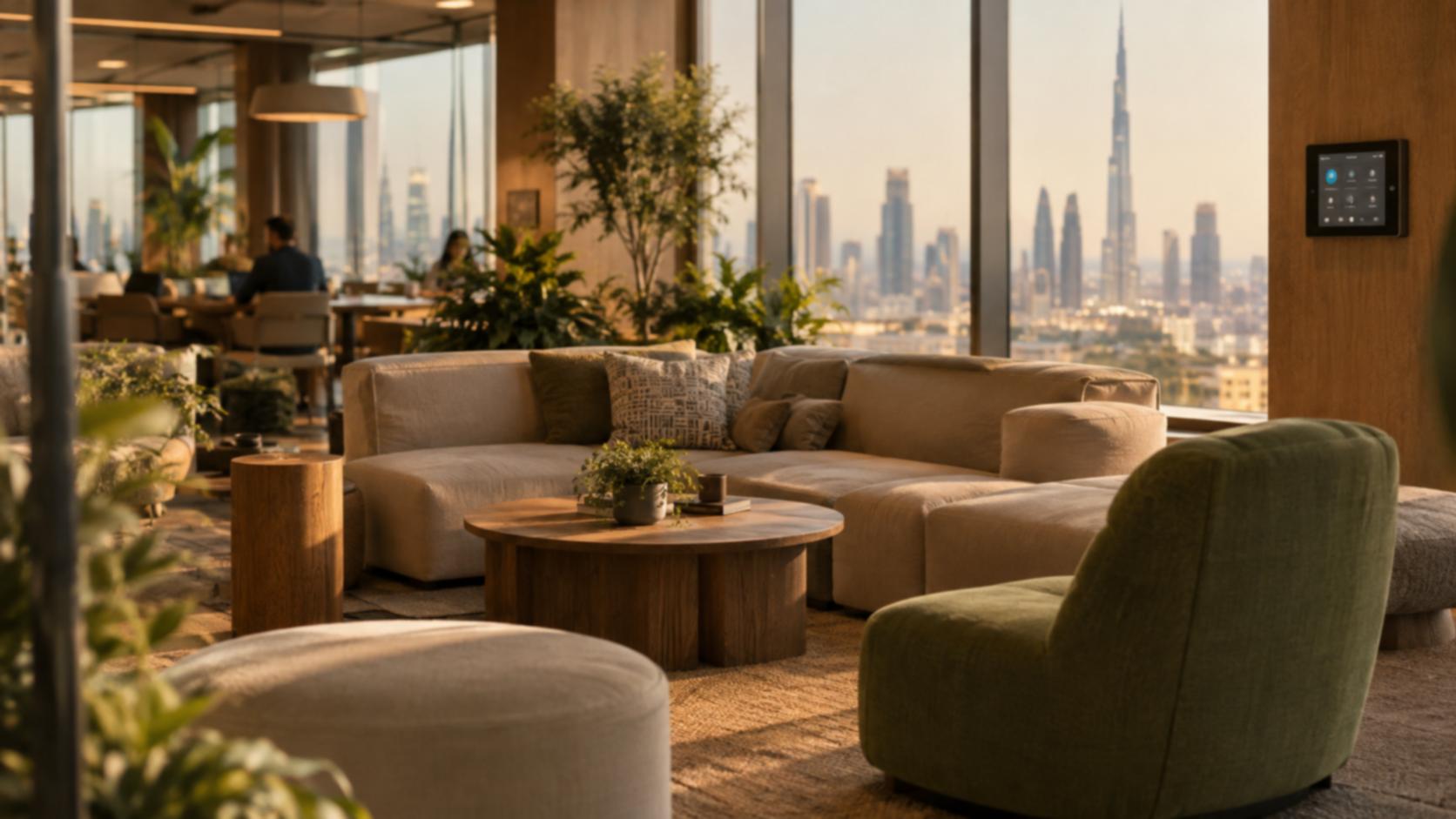
In the bustling corporate landscape of one of the world’s most dynamic cities, the conversation around productivity is shifting. It’s no longer just about efficiency; it’s about creating an ecosystem where performance can thrive. The key lies in a strategic alignment that many businesses are only now beginning to explore: connecting the core principles of their systems of performance management directly to the physical environment their teams inhabit. This synthesis of human resources strategy and workspace design is redefining what it means to be productive, moving beyond mere metrics to foster a culture of engagement, collaboration, and continuous improvement. For companies in Tokyo, a city known for its innovation and precision, this alignment presents a powerful opportunity to gain a competitive edge. This post will explore how different performance management models can, and should, dictate the way you choose and design your workspace, ensuring your office is not just a location, but a strategic tool for success.
The traditional model: supporting MBOs with structured spaces
For decades, Management by Objectives (MBOs) has been a staple in corporate Japan. This top-down approach, where goals are cascaded through a hierarchy, thrives on clarity, structure, and individual accountability. The ideal workspace to support this system is one that reflects these principles. Think of a well-organized, purpose-driven environment with a clear demarcation of departments and roles. This often translates to a layout featuring private offices for senior leadership, who are responsible for setting the objectives, and dedicated workstations for teams and individuals tasked with executing them. The emphasis is on providing an environment conducive to focused, individual work, minimizing distractions to help employees meet their specific, predetermined targets. Meeting rooms in such a setup are formal spaces, booked for structured performance reviews and progress reports. The physical layout reinforces the organizational chart, providing a tangible representation of the company’s structure and the flow of authority. While the trend is shifting towards more open concepts, the structured MBO-aligned office provides the predictability and stability that can be crucial for organizations where process and precision are paramount. It ensures that the lines of communication and responsibility are clear, mirroring the straightforward nature of the MBO framework itself.
The agile shift: designing for OKRs and collaborative hubs
The rise of Objectives and Key Results (OKR) represents a fundamental shift towards agility, transparency, and cross-functional collaboration. Unlike the top-down nature of MBOs, OKRs are often set at the team level and are visible throughout the organization, fostering a sense of shared purpose. To support this dynamic framework, the workspace must transform from a static collection of desks into a vibrant, collaborative hub. An OKR-driven office is characterized by its flexibility and variety. It features open-plan areas that encourage spontaneous interaction, large project tables where teams can gather for sprints and brainstorming sessions, and informal breakout areas equipped with whiteboards and digital displays to visualize progress. Visual transparency is critical; displaying team OKRs on communal walls or screens keeps everyone aligned and accountable. In this environment, the concept of ‘choosing your space’ becomes essential. An employee might start their day at a team bench to align on priorities, move to a quiet pod for deep work on a specific key result, and then join a discussion in a comfortable lounge area. The design philosophy is about empowering teams and breaking down silos, creating a fluid ecosystem where information flows freely and collaboration is the default mode of operation.
The feedback culture: enabling 360-degree reviews through open design
Performance management systems that heavily incorporate 360-degree feedback are built on a foundation of open communication, trust, and psychological safety. This model, which values input from peers, managers, and direct reports, cannot thrive in a closed-off, hierarchical environment. The workspace must actively encourage the interactions that make this level of comprehensive feedback possible. A non-hierarchical layout is the most effective strategy, physically breaking down the barriers between different levels of the organization. Circular desking arrangements, communal cafes that act as social hubs, and centrally located ‘town hall’ spaces for all-hands meetings all contribute to a culture of approachability and mutual respect. The design should signal that every voice is valued. When employees from different departments and seniority levels can easily interact throughout the day, it fosters a deeper understanding of the business and builds the interpersonal relationships necessary for giving and receiving constructive feedback. The workspace becomes a platform for continuous dialogue, not just a place for completing tasks. This open, connected environment is crucial for nurturing the trust required for a successful 360-degree feedback system to truly take root and drive individual and organizational growth in a competitive market like Tokyo.
The continuous dialogue: creating agile spaces for constant coaching
Continuous performance management is perhaps the most modern approach, replacing annual reviews with frequent, informal check-ins, ongoing feedback, and dynamic goal adjustments. This agile and responsive system requires a workspace that is equally adaptable. Activity-Based Working (ABW) is the perfect architectural counterpart to this management style. An ABW office is not a single space but a diverse ecosystem of work settings designed to support a variety of tasks. It includes everything from library-like quiet zones for focused concentration and private booths for confidential one-on-one coaching sessions, to dynamic project rooms for team sprints and social areas for casual conversations that can often spark innovation. Technology is the invisible thread that ties it all together, with seamless connectivity and user-friendly booking systems that empower employees to find and reserve the space they need, when they need it. The core principle is employee autonomy. By giving individuals the power to ‘choose their space’ based on their immediate task, the organization fosters a culture of ownership and responsibility. This flexibility makes it easier and more natural to have the frequent performance-related conversations that are the hallmark of a continuous management system, embedding coaching and feedback into the daily workflow rather than reserving it for a formal meeting.
The cultural overlay: integrating Japanese work principles into modern design
While global trends in workspace design provide a valuable blueprint, their successful implementation requires a nuanced understanding of the local work culture. This is especially true for businesses operating in Japan, where cultural principles deeply influence corporate life. The traditional emphasis on group harmony and consensus-building, known as nemawashi, can be powerfully supported by well-designed collaborative spaces that facilitate formal and informal discussion. However, the long-standing respect for hierarchy and seniority cannot be disregarded. Therefore, the most effective workspace strategies often create a hybrid model. They might blend open, collaborative hubs with designated quiet zones and provide subtle architectural cues that acknowledge seniority without creating prohibitive barriers. Furthermore, the Japanese aesthetic principle of shibui—simple, subtle, and unobtrusive beauty—can be seen in the minimalist and functional design of many modern offices. The integration of natural materials like wood and stone, along with biophilic design that brings elements of nature indoors, aligns with a cultural appreciation for tranquility and well-being, which has been shown to positively impact focus and reduce stress. A successful workspace strategy considers these cultural nuances, creating an environment that feels both innovative and authentically Japanese.
The technological backbone: powering performance with smart office integration
Modern systems of performance management and the flexible workspaces that support them are fundamentally reliant on a robust technological infrastructure. Technology is no longer just a utility; it is the central nervous system of the intelligent workplace. For an Activity-Based Working model to function, employees need seamless connectivity and integrated tools that make moving between different work settings effortless. This includes everything from universal docking stations and high-speed wireless networks to sophisticated room-booking software that can be accessed from a mobile device. Beyond logistics, technology can also play a direct role in performance management. Integrated project management platforms keep cross-functional teams aligned on goals and progress, while data analytics derived from workspace sensors can provide valuable insights into how different spaces are being used. This data can help facilities managers optimize the office layout over time and can even offer anonymized insights into collaboration patterns, helping leadership understand how teams are working together. In a tech-forward city like Tokyo, leveraging smart office technology is not just an advantage—it’s an expectation. It ensures that the physical workspace is as agile and data-driven as the performance management philosophies it is designed to support, creating a truly responsive and high-performing environment.
Conclusion
The strategic design of a workspace is no longer a secondary consideration; it is an integral component of a successful corporate strategy. As we have seen, the most effective office environments are those designed with a specific purpose: to directly support and enhance the organization’s chosen systems of performance management. Whether your company relies on the structured approach of MBOs, the agile framework of OKRs, or the continuous dialogue of modern coaching models, your physical space can either be a catalyst for success or an obstacle to it. The principle of ‘choosing your space’ is about more than just flexibility; it is about empowering employees to work in a way that aligns with their goals and the company’s performance culture. For businesses looking to attract and retain top talent, foster innovation, and drive productivity, the message is clear. It is time to move beyond thinking of the office as a collection of desks and chairs, and to begin treating it as a dynamic and powerful tool for shaping behavior, facilitating connection, and ultimately, driving performance. By consciously designing a workspace that reflects and reinforces your performance philosophy, you create an environment where your team is not just located, but truly enabled to do their best work.