In an era of unprecedented global connectivity, the strategic decisions made in corporate boardrooms in Los Angeles ripple across international markets, profoundly influencing where capital, talent, and innovation converge. For leaders in Southern California’s dynamic economy, understanding the shifting landscapes of European business districts is no longer a niche interest but a critical component of a robust global strategy. As traditional corporate hubs evolve and new centers of excellence emerge, the continent offers a diverse tapestry of opportunities. Driven by technological disruption, a renewed focus on sustainability, and changing workforce expectations, Europe’s central business districts are transforming from mere collections of office buildings into vibrant, integrated ecosystems. This evolution presents both challenges and immense potential for American firms looking to expand their footprint, demanding a more nuanced approach to international investment and location analysis than ever before.
The evolution of Europe’s premier business hubs
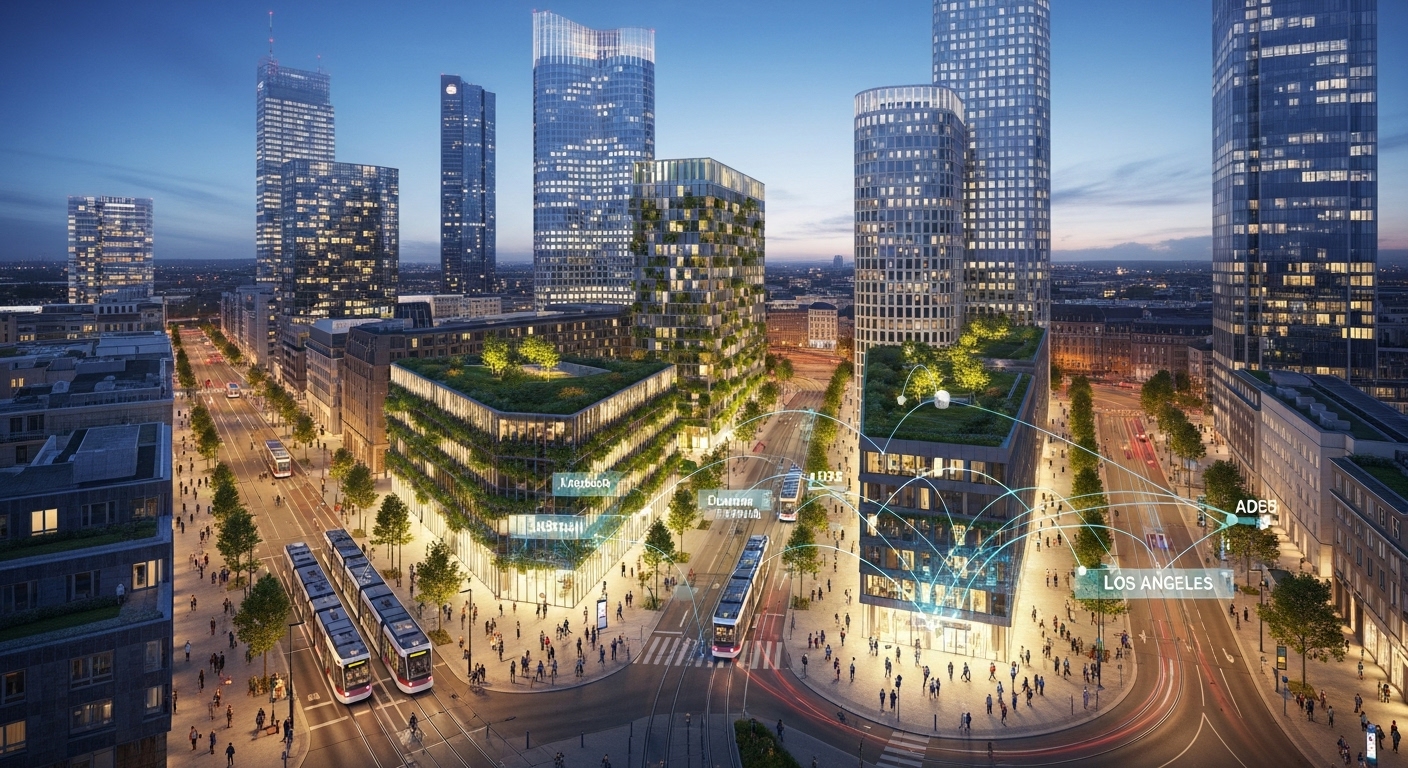
Europe’s business districts are undergoing a radical transformation, moving away from monolithic, single-purpose commercial zones towards dynamic, mixed-use environments. Historically, districts like London’s Canary Wharf and Paris’s La Défense were defined by their towering office blocks and financial institutions. Today, the blueprint for a successful business hub has fundamentally changed. The modern European CBD is a complex ecosystem that blends corporate headquarters with residential spaces, retail outlets, cultural institutions, and green public areas. This shift is a direct response to the demands of a new generation of talent that prioritizes work-life integration, sustainability, and community. Cities like Amsterdam with its Zuidas district and Dublin’s ‘Silicon Docks’ are leading this charge, intentionally designing spaces that foster collaboration and well-being. This human-centric approach is proving to be a powerful magnet for both talent and investment, creating resilient urban centers that are attractive places to work and live. The emphasis is now on creating ’15-minute cities’ within these districts, where everything an employee needs is accessible, reducing dependency on cars and enhancing quality of life, a model that is gaining traction and influencing urban planning worldwide.
Technology as the great accelerator in urban commercial zones
The integration of technology is at the forefront of the evolution of European business districts. Smart building technologies, powered by the Internet of Things (IoT), are becoming standard, allowing for unprecedented efficiency in energy management, security, and space utilization. This data-driven approach not only reduces operational costs but also provides valuable insights into how workspaces are used, enabling continuous optimization. For businesses based in tech-forward environments like Los Angeles, these technologically advanced districts offer a familiar and highly efficient operational landscape. Furthermore, the rise of 5G connectivity is unlocking new possibilities for collaboration and innovation, from augmented reality experiences in office lobbies to seamless remote work integration. Districts like Berlin’s Adlershof are becoming living labs for urban technology, attracting a dense concentration of tech companies and research institutions. This synergy between physical infrastructure and digital innovation is creating a powerful competitive advantage, making these hubs incredibly attractive for global tech firms looking to tap into Europe’s deep talent pool and vibrant startup culture.
Sustainability and ESG: the new corporate mandate
Environmental, Social, and Governance (ESG) criteria are no longer a peripheral concern but a core driver of corporate real estate strategy in Europe. Stricter regulations, combined with growing pressure from investors and consumers, are compelling companies to prioritize sustainability in their location decisions. European business districts are responding by championing green building standards, such as BREEAM and LEED, and investing heavily in sustainable infrastructure. This includes everything from renewable energy sources and efficient waste management systems to promoting biodiversity through green roofs and vertical gardens. Frankfurt’s Bankenviertel, for example, is seeing a surge in green-certified buildings as financial institutions look to align their physical presence with their corporate responsibility goals. This focus on sustainability extends beyond the buildings themselves to encompass transportation, with significant investment in public transit, cycling infrastructure, and electric vehicle charging stations. This green shift is creating healthier and more attractive urban environments, enhancing the long-term value and resilience of these districts in a rapidly changing world.
Post-pandemic shifts: the rise of flexible and hybrid models
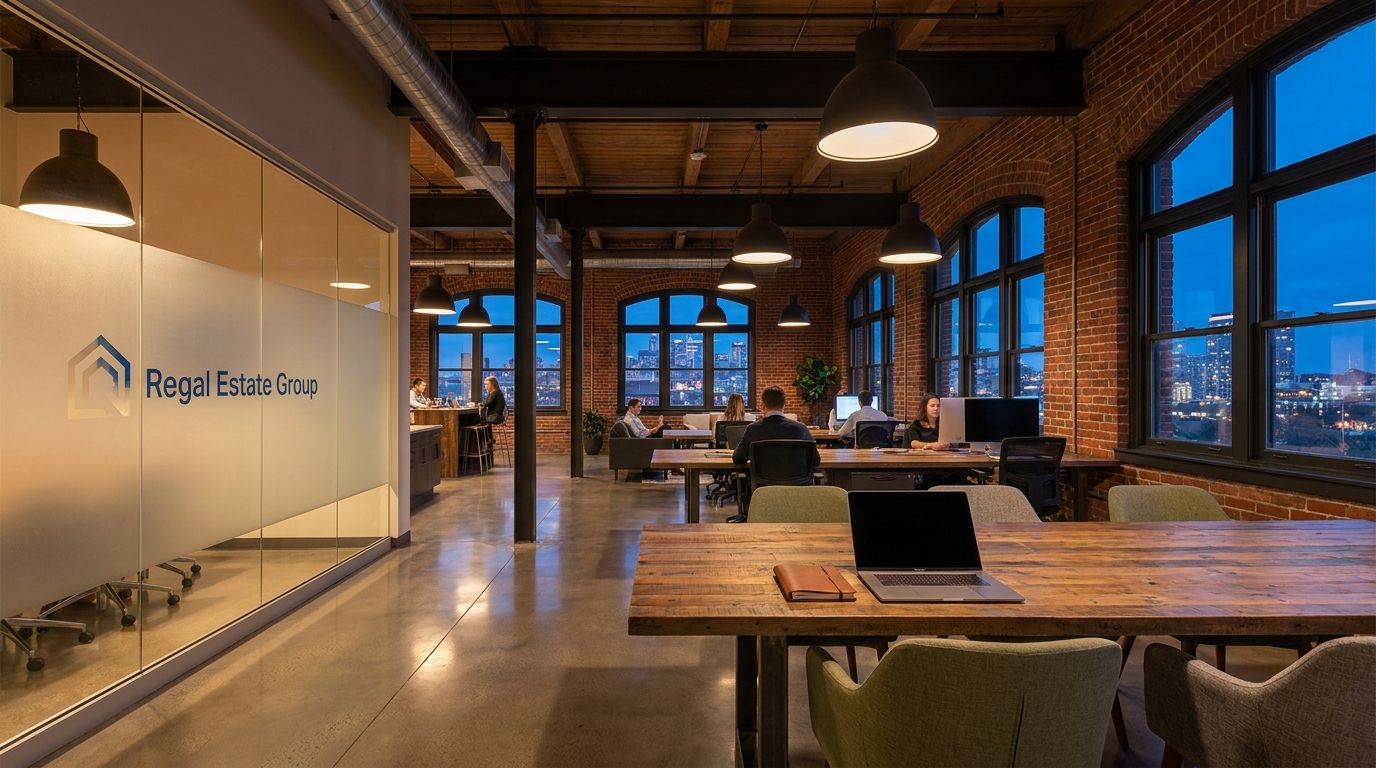
The global pandemic has acted as a catalyst, accelerating the shift towards more flexible and hybrid work models, a trend deeply impacting the design and function of European business districts. The traditional office, designed for a 9-to-5, five-day work week, is being re-imagined as a hub for collaboration, innovation, and connection, rather than just a place for individual task completion. In response, developers and landlords are offering more flexible lease terms and a greater variety of workspace solutions, including coworking spaces, serviced offices, and on-demand meeting rooms. This ‘space-as-a-service’ model provides companies with the agility to scale their real estate footprint up or down as needed, a crucial advantage in an uncertain economic climate. For international companies, including those from Los Angeles, this flexibility dramatically lowers the barrier to entry when establishing a European presence. Districts are now being curated to support this new way of working, with an emphasis on high-quality amenities, collaborative zones, and seamless technology integration to support a distributed workforce.
The strategic importance of connectivity and infrastructure
World-class connectivity, both digital and physical, remains a cornerstone of a successful business district. Proximity to major international airports, high-speed rail networks, and efficient public transportation systems is a critical factor in attracting and retaining global companies. European cities have long excelled in this regard, and they continue to invest heavily in upgrading their infrastructure to meet future demands. Amsterdam’s Schiphol Airport and its seamless integration with the Zuidas business district is a prime example of how strategic infrastructure planning can create a powerful economic engine. On the digital front, robust and redundant fiber-optic networks are essential for supporting the data-intensive operations of modern businesses. The rollout of 5G and the development of smart city platforms are further enhancing this digital infrastructure, enabling everything from autonomous vehicles to real-time data analytics for urban management. This commitment to superior infrastructure ensures that European business districts can provide the stable and high-performance environment that global businesses require to thrive.
Investment flows and the transatlantic connection
The strategic synergy between American capital and European innovation is a powerful force shaping the landscape of premier business districts. Investment firms and multinational corporations from hubs like Los Angeles are increasingly looking to Europe not just for market access, but for talent and technological partnerships. This flow of capital is particularly evident in the tech and life sciences sectors, where districts in cities like Dublin, Berlin, and Zurich offer deep talent pools and supportive regulatory environments. European cities are actively courting this investment, offering incentives and creating ecosystems that foster cross-Atlantic collaboration. The resulting partnerships are driving innovation and creating high-value jobs on both continents. As American firms seek to diversify their global operations and tap into new growth markets, Europe’s evolving business districts present a compelling value proposition, offering a stable political environment, a highly skilled workforce, and a strong commitment to sustainability and innovation. This transatlantic connection is not just transactional; it’s a strategic alignment of economic interests that is creating a more integrated and resilient global business community.
Navigating the future: a guide for global leaders
For corporate leaders, navigating the complexities of this new European landscape requires a forward-thinking and data-driven approach. The days of choosing an office location based solely on cost per square foot are over. Today, the decision must be a strategic one, taking into account a holistic set of factors including access to talent, technological infrastructure, sustainability credentials, and the overall quality of the urban environment. The most successful business districts of the future will be those that can create a seamless and enriching experience for employees, fostering a sense of community, well-being, and purpose. They will be resilient, adaptable, and deeply integrated into the fabric of the city. As European business districts continue to innovate and redefine the future of work, they offer a powerful lesson in urban planning and economic development. By embracing technology, prioritizing sustainability, and putting people at the center of their design, these districts are creating a compelling blueprint for the 21st-century global city, offering a rich field of opportunity for those ready to look beyond the horizon.
In conclusion, the evolution of European business districts reflects a broader shift in our understanding of work, community, and urban life. The move towards mixed-use, sustainable, and technologically advanced environments is creating more resilient and attractive hubs for global business. For investors and corporate leaders in Los Angeles and beyond, understanding these trends is paramount. The modern European business district is no longer just a location; it’s a strategic partner in fostering innovation, attracting top talent, and achieving long-term growth. The opportunities are vast for those who can navigate this dynamic landscape with foresight and a clear understanding of the new variables at play. The future of global commerce is being built today in these evolving urban centers, and the strategic decisions made now will determine the leaders of tomorrow.