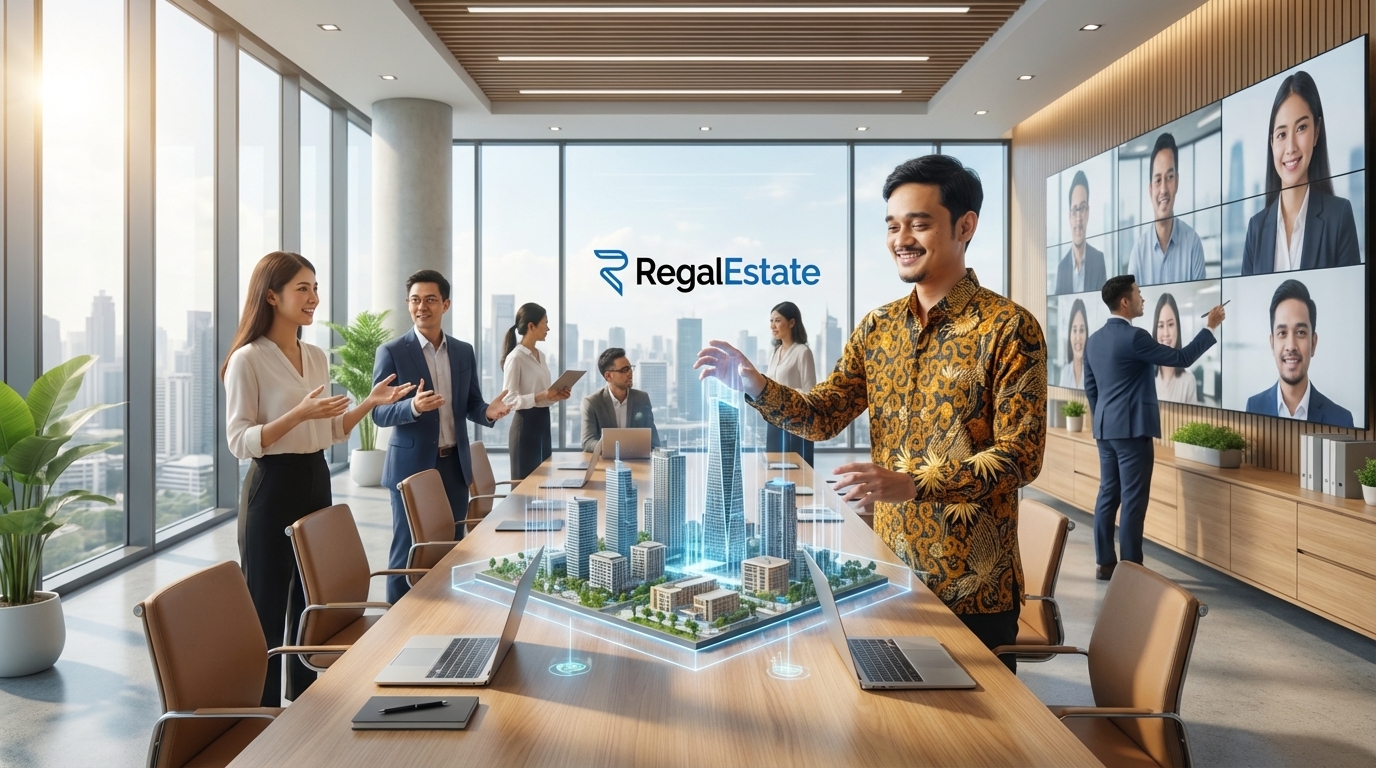
The seismic shift in the global work landscape has permanently altered our professional lives, cementing hybrid models not as a temporary fix, but as a strategic imperative for forward-thinking organizations. As companies move beyond the logistics of remote work, the new frontier is mastering the art of cultivating elite teams in this blended environment. The challenge is no longer about *if* we can work apart, but *how* we can perform at our peak together. Recent data shows that over 50% of U.S. employees now operate within a hybrid structure, demanding a fundamental redesign of leadership, communication, and performance measurement. This post offers a comprehensive playbook for leaders, moving beyond mere management to the intentional architecture of success. We will explore the critical strategies needed for building a high-performance team, from establishing digital trust and psychological safety to implementing equitable, outcome-driven metrics that render physical location irrelevant to success and recognition.
Rethinking leadership: the core traits of a successful hybrid team leader
Leading a team that is partially in-office and partially remote requires a significant departure from traditional management styles. The absence of constant physical proximity means leaders must cultivate new skills centered on trust, empathy, and digital fluency. The most critical trait is the ability to lead with trust, not surveillance. Micromanagement is poison to a hybrid team, eroding autonomy and signaling a lack of confidence. Instead, leaders must empower their teams, focusing on clear objectives and measurable outcomes rather than hours clocked in. This shift fosters a culture of accountability and ownership. Empathy and emotional intelligence are also paramount. Leaders need to be attuned to the unique challenges faced by both remote and in-office employees, from the potential isolation of working from home to the fear of missing out for those in the office on quiet days. Proactively checking in, actively listening, and creating a psychologically safe environment where team members feel comfortable expressing concerns are essential. Furthermore, leaders must become masters of asynchronous communication, ensuring that critical information is accessible to everyone, regardless of their time zone or work schedule. This involves leveraging project management tools, detailed documentation, and clear communication protocols to create a single source of truth, minimizing ambiguity and ensuring everyone is aligned on priorities and progress. Success hinges on a leader’s ability to be an intentional architect of connection and clarity.
Building the foundation: establishing trust and psychological safety
In a hybrid work model, trust is the essential currency. Without the organic, informal interactions of a fully co-located office, building and maintaining trust requires deliberate, consistent effort. The foundation of this trust is psychological safety—a shared belief that the team is safe for interpersonal risk-taking. Team members must feel confident that they can speak up with ideas, questions, concerns, or mistakes without facing punishment or humiliation. Leaders can foster this environment by modeling vulnerability themselves, admitting their own mistakes, and framing challenges as learning opportunities rather than failures. Another key strategy is to create equitable communication channels. Proximity bias, the unconscious tendency to favor those we are physically near, is a major threat to hybrid team cohesion. To combat this, leaders must ensure that remote team members have the same opportunities to contribute and be heard as their in-office counterparts. This means standardizing meeting practices, such as having everyone join video calls from their own device (even if some are in the same room) and actively soliciting input from those who are not physically present. Regular, structured check-ins, both for individual performance and personal well-being, also play a crucial role. These conversations should go beyond project updates to build personal rapport and demonstrate genuine care for each team member as an individual. When people feel seen, heard, and valued, they are more likely to invest their trust and full engagement in the team’s shared goals.
Communication architecture: designing a framework for seamless collaboration
Effective communication in a hybrid team doesn’t happen by accident; it must be architected with intention. The goal is to create a framework that balances synchronous (real-time) and asynchronous (non-real-time) communication, ensuring clarity, inclusivity, and efficiency. The first step is to conduct a channel audit and establish clear guidelines. Teams should explicitly define which tool is used for what purpose. For instance, Slack or Microsoft Teams might be for urgent, quick questions; email for formal, external communication; and a project management tool like Asana or Jira for all task-related updates and discussions. This prevents conversations from becoming fragmented across multiple platforms and ensures everyone knows where to find important information. A key element of this architecture is an emphasis on asynchronous-first communication. This approach respects different schedules and time zones, reduces the need for constant meetings, and promotes deeper, more thoughtful work. It involves detailed documentation, recording video walkthroughs instead of scheduling live demos, and encouraging comprehensive written updates. When synchronous communication is necessary, it must be optimized for a hybrid reality. All meetings should have a clear agenda, stated goals, and be facilitated to ensure equitable participation. Using features like virtual whiteboards, polls, and breakout rooms can help engage all attendees, while a strict policy of summarizing key decisions and action items in a shared document ensures alignment for everyone, whether they attended live or not.
Performance redefined: focusing on outcomes to drive results
One of the most profound shifts required for building a high-performance team in a hybrid model is the move away from measuring presence to measuring performance. The outdated metric of “time in seat” is irrelevant when your team is distributed. The new benchmark for productivity must be results. This outcome-based approach requires absolute clarity in goal setting. Leaders must work with each team member to define specific, measurable, achievable, relevant, and time-bound (SMART) goals. These goals should cascade down from broader company objectives, ensuring that every individual understands how their work contributes to the bigger picture. With clear goals in place, performance management becomes a continuous, transparent process rather than a dreaded annual review. Regular, frequent check-ins—weekly or bi-weekly—are essential for tracking progress, providing real-time feedback, and addressing roadblocks. This consistent dialogue helps build a coaching relationship between managers and employees and mitigates the risk of remote workers feeling disconnected or unsupported. To ensure fairness and combat proximity bias, performance data must be objective and consistent for all team members. Using shared dashboards or project management tools to track key performance indicators (KPIs) makes success visible to everyone. This transparency not only helps in equitable evaluation but also fosters a culture of accountability where the quality of one’s work is the ultimate measure of contribution.
The right tech stack: equipping your team for success
Technology is the central nervous system of any successful hybrid work model. Having the right combination of tools is not just a matter of convenience; it’s a critical component of productivity, collaboration, and team culture. The ideal tech stack should be integrated, intuitive, and designed to bridge the physical distance between team members. At its core are robust collaboration platforms like Slack or Microsoft Teams, which serve as the digital headquarters for daily communication. These tools must be paired with powerful video conferencing software, such as Zoom or Google Meet, that offers high-quality video and features like breakout rooms and virtual whiteboards to make meetings more interactive and inclusive. Beyond communication, project management software is non-negotiable for building a high-performance team. Platforms like Asana, Trello, or Jira provide a centralized hub for tracking tasks, deadlines, and progress, creating transparency and ensuring everyone is aligned on priorities. This is especially vital for asynchronous workflows, as it allows team members to see the status of a project without needing a meeting. Finally, organizations should invest in knowledge management systems, such as a company wiki or a platform like Notion or Confluence. This creates a single source of truth for important documents, processes, and company information, reducing reliance on individuals and empowering employees to find answers independently. The goal of the tech stack is to remove friction, automate low-value tasks, and create a seamless operational environment that empowers every team member to do their best work, from anywhere.
Cultivating connection: fostering team cohesion and culture
While technology and processes are crucial for functional hybrid work, a truly high-performing team is bound by a strong sense of community and a shared culture. In a distributed environment, fostering these connections requires proactive and creative effort. Leaders cannot rely on the spontaneous “water cooler” moments of the traditional office. Instead, they must intentionally design opportunities for social interaction. This can include virtual team-building activities, such as online games or virtual coffee breaks, where work-talk is off-limits. It’s equally important to leverage in-person time for maximum impact. When the team does gather physically, the focus should be on activities that build relationships and foster deep collaboration—strategic workshops, team celebrations, and brainstorming sessions—rather than on siloed, individual work that could be done from home. Recognition and appreciation are powerful tools for strengthening culture. A dedicated Slack channel for shout-outs or a regular agenda item in team meetings to celebrate wins ensures that contributions from all team members, regardless of location, are visible and valued. This public acknowledgment reinforces desired behaviors and makes individuals feel like integral parts of the team. Finally, creating shared rituals can help build a unique team identity. This might be a weekly virtual huddle to kick off the week, a monthly all-hands meeting to share progress, or even fun traditions like a “pet of the month” feature. These consistent, shared experiences create a rhythm for the team and strengthen the social fabric that holds it together through challenges and successes.
Ultimately, building a high-performance team in the era of hybrid work is an exercise in intentionality. It demands that leaders abandon outdated assumptions about productivity and presence, and instead, embrace a more flexible, trust-based, and human-centric approach. The transition requires a fundamental rewiring of how we lead, communicate, and measure success. By focusing on clear outcomes over observed hours, we empower our teams with the autonomy they crave and the accountability the business needs. Investing in a seamless technology stack is critical, but it is only an enabler. The true differentiator lies in cultivating a culture of psychological safety and deliberate connection, ensuring that every team member, whether at home or in the office, feels trusted, valued, and integral to the mission. The strategies outlined in this playbook are not simply adjustments to a new model; they are the foundational pillars of a more effective, resilient, and engaged way of working. The organizations and leaders who master this new dynamic will not only survive the future of work—they will define it, attracting top talent and achieving unparalleled results in the process.