Choosing an office is no longer just about square footage and a lease agreement; it’s a strategic decision that reflects a company’s brand, culture, and vision for the future. In a dynamic and competitive global hub like Tokyo, this decision carries even more weight. The city’s commercial real estate market is characterized by a ‘flight to quality,’ where businesses are increasingly prioritizing premium, amenity-rich spaces to attract and retain top talent. With a strong return-to-office trend, the purpose of the physical workspace is being redefined. It must be a destination for collaboration, innovation, and connection. This guide provides a strategic framework for navigating the complexities of the market, ensuring your chosen space is not just a location, but a catalyst for growth and success. We will explore the critical factors to consider, from aligning your space with your business objectives to understanding the nuances of location and cost in one of the world’s most vibrant metropolises.
Defining your workspace purpose
Before exploring listings or scheduling tours, the foundational step is to define the core purpose of your physical office. In the current business climate, the office is rarely just a place for employees to sit at desks. It’s an ecosystem. Is its primary function to foster intensive collaboration among teams? Is it a client-facing showroom designed to impress and build brand prestige? Or is it a flexible hub for a hybrid workforce that values connection and community? Answering these questions is critical. For a tech startup, the emphasis might be on creating an environment that sparks spontaneous innovation and brainstorming, with open-plan areas, writable walls, and breakout zones. Conversely, a financial consultancy might prioritize confidentiality and focused work, requiring a layout with more private offices and secure meeting rooms. Documenting this ‘why’ creates a clear mission statement for your workspace search. This purpose will act as your north star, guiding every subsequent decision, from the architectural style and interior design to the technological infrastructure required to support your team’s specific activities and goals.
Aligning real estate with business objectives
Your workspace is a powerful tool for achieving long-term business objectives. The physical environment should be a direct reflection of your company’s strategic goals. If your objective is to scale your team by 50% over the next two years, you need a workspace strategy that accommodates this growth. This could mean leasing a larger space than immediately necessary, securing a lease with flexible expansion clauses, or choosing a serviced office provider that allows you to add or subtract desks on demand. Similarly, if a primary business goal is to enhance your corporate brand and attract high-caliber talent, investing in a Grade-A building in a prestigious district of Tokyo becomes a strategic imperative, not an extravagance. The design, location, and quality of your office send a powerful message to potential employees and clients about your company’s stability, values, and success. By viewing your real estate decisions through the lens of your business plan, the office transforms from a fixed overhead cost into a dynamic asset that actively contributes to growth, talent acquisition, and market positioning.
Location intelligence and accessibility
In a sprawling metropolis like Tokyo, location is paramount and extends far beyond a prestigious address. A strategic location analysis must prioritize accessibility for your employees. Consider the primary train and subway lines your team uses and map out potential office locations that minimize commute times. A convenient location is a significant factor in employee satisfaction and retention. Furthermore, analyze the local ecosystem. What amenities are within walking distance? Proximity to banks, post offices, a variety of restaurants, and green spaces can dramatically improve the daily work-life experience for your team. For client-facing businesses, accessibility for visitors is equally crucial. Is the office easy to find? Is it near major transport hubs like Tokyo Station or Shinjuku Station? The choice between a central ward like Chiyoda or a rapidly developing business hub requires a careful weighing of cost, brand perception, and talent pool accessibility. A well-chosen location enhances productivity by reducing commute-related stress and enriches the employee experience by embedding your company in a vibrant, convenient urban fabric.
The financial equation: beyond the rent
Evaluating the cost of a workspace requires a comprehensive financial analysis that goes far beyond the monthly rent. The base lease rate is just the starting point. It is essential to factor in all associated costs to understand the true total cost of occupancy. These include management fees (‘kanrihi’), security deposits (‘shikikin’), and non-refundable ‘key money’ (‘reikin’), which is a unique feature of the Japanese real estate market. Additionally, you must budget for the fit-out and furnishing of the space to align with your brand and operational needs. Utilities, insurance, and regular maintenance costs also contribute significantly to the monthly expenditure. When comparing a traditional lease with a flexible or serviced office, this holistic financial view is critical. While a serviced office may have a higher all-inclusive monthly fee, it often eliminates the substantial upfront capital expenditure of a fit-out and the complexities of managing multiple vendor contracts. For businesses in Tokyo, understanding these nuanced costs is essential for accurate budgeting and making a financially sound decision that supports long-term sustainability.
Future-proofing your workspace
The nature of work is in constant flux, and your workspace strategy must be agile enough to adapt. Future-proofing your office means making decisions that will serve your company not just today, but in the years to come. This involves a deep consideration of technological infrastructure. Does the building have robust, high-speed internet connectivity and the capacity to support emerging technologies? Scalability is another critical factor. If you anticipate rapid growth, your lease agreement should ideally include options for expanding into adjacent spaces. Conversely, if you are exploring a more distributed work model, you need the flexibility to scale down if necessary. The design of the space itself should be adaptable. Using modular furniture and creating multi-purpose zones allows you to easily reconfigure the layout to accommodate changing team sizes and work styles. By anticipating future needs and prioritizing flexibility in your lease terms, technology, and design, you create a resilient workspace that can evolve alongside your business, preventing the costly and disruptive process of premature relocation.
The human-centric design approach
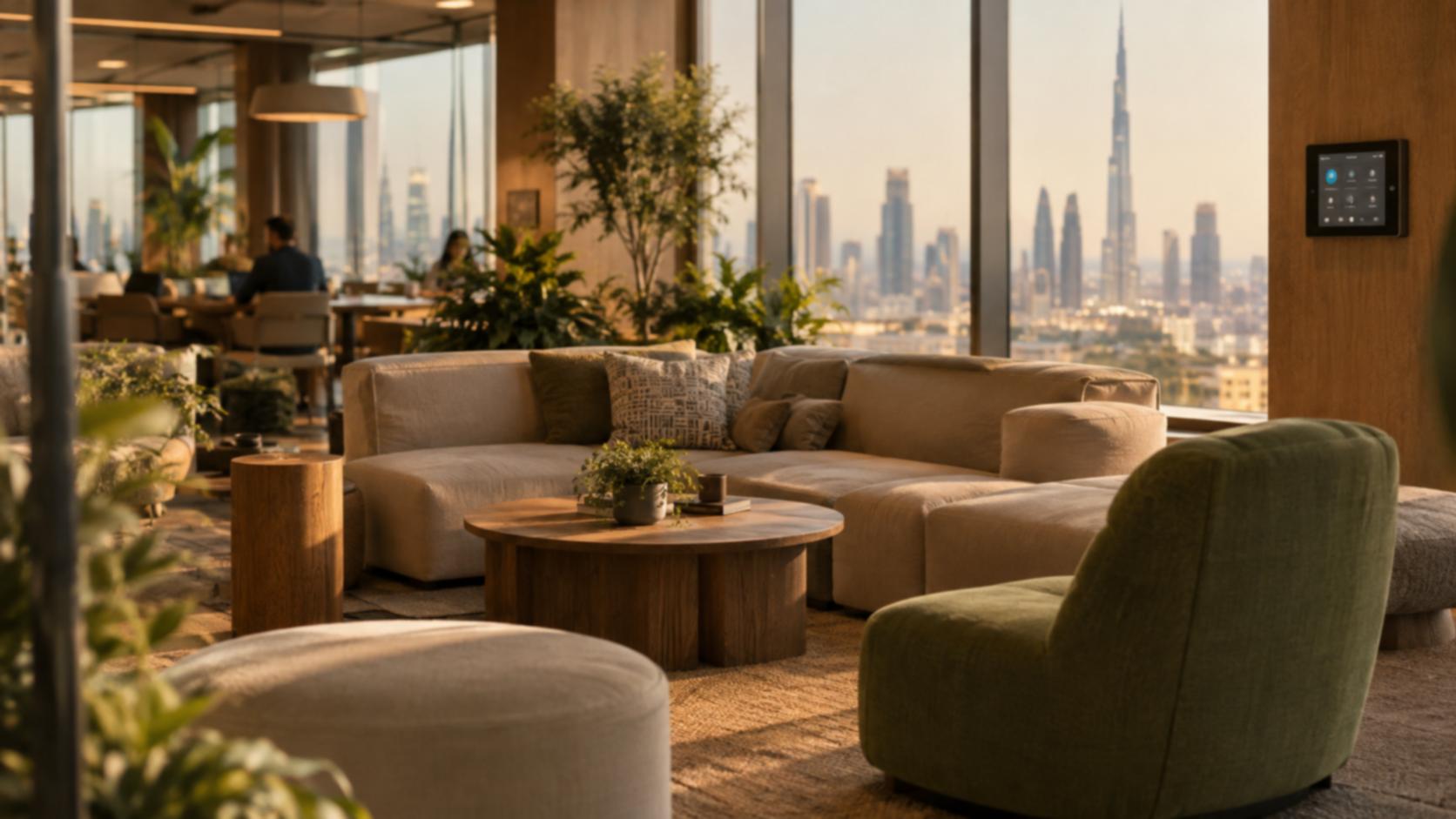
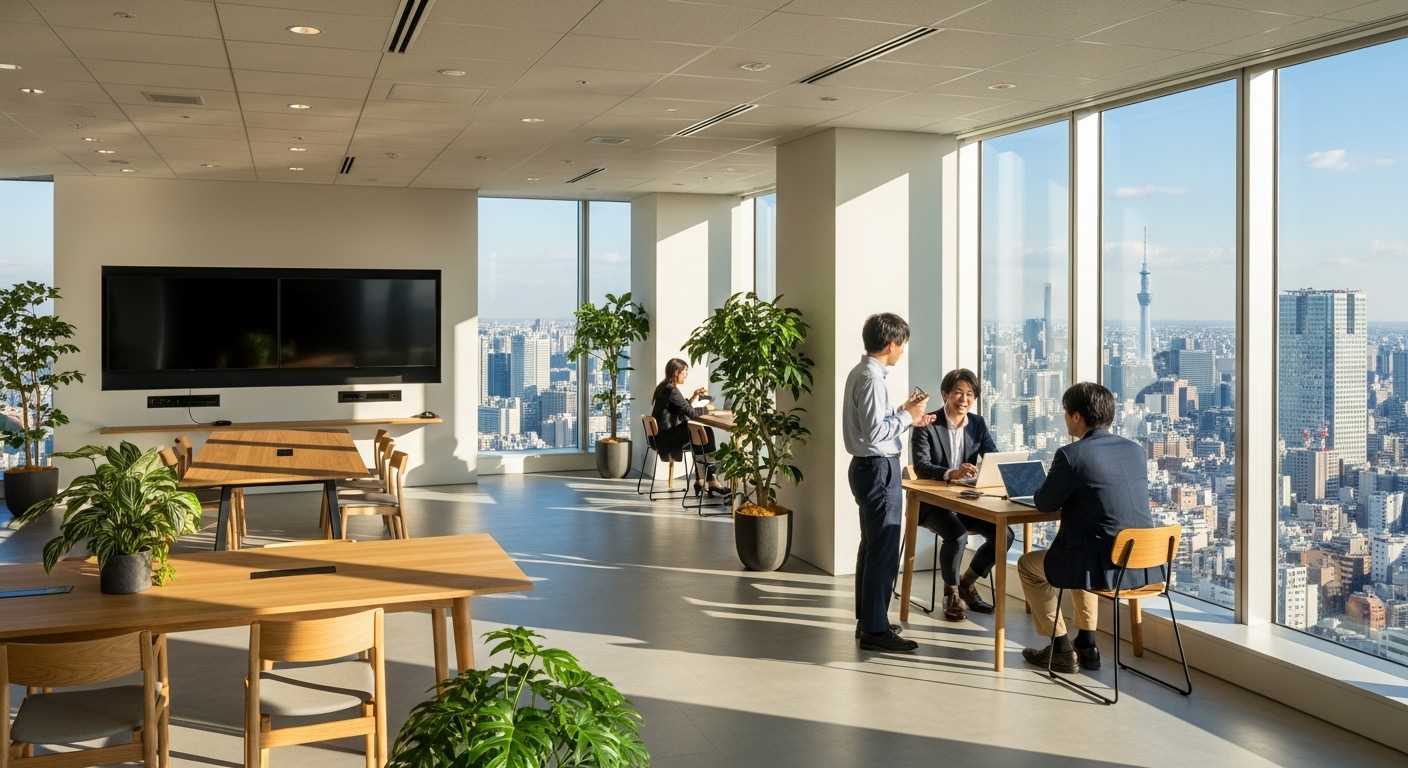
In the competition for top talent, the employee experience is a key differentiator. A human-centric design approach prioritizes the well-being, comfort, and productivity of the people who use the space every day. This goes beyond basic ergonomics. It involves creating a variety of work settings to accommodate different tasks and preferences—quiet zones for focused work, collaborative areas for brainstorming, and comfortable social spaces for informal interaction. Natural light and biophilic design, which incorporates natural elements like plants and wood, have been proven to reduce stress and improve cognitive function. Amenities that support a healthy work-life balance, such as wellness rooms, well-equipped kitchens, and secure bicycle storage, are increasingly important. When selecting a space in Tokyo, consider buildings that prioritize these elements. A human-centric workspace is an investment in your most valuable asset: your people. It fosters a positive culture, boosts morale, and ultimately drives engagement and productivity, making your office a place where people genuinely want to be.
Ultimately, the process of choosing a workspace is a strategic journey that requires foresight, careful analysis, and a deep understanding of your organization’s unique needs and aspirations. In Tokyo’s competitive landscape, the right office is a powerful asset that can elevate your brand, attract premier talent, and foster a culture of innovation and collaboration. By moving beyond a simple cost-per-square-foot calculation and embracing a holistic framework that considers purpose, business objectives, location, and future flexibility, you can secure a space that is not merely a container for work but an active contributor to your success. The most effective workspace strategies are human-centric, recognizing that the office is an ecosystem designed to support the people within it. A thoughtfully chosen workspace becomes the physical manifestation of your company’s culture and a cornerstone of its future growth, providing a distinct advantage in a market that demands excellence and adaptability.