The conversation around the physical office has fundamentally shifted. No longer a foregone conclusion, the decision of where and how a team gathers is now a complex, strategic imperative. In a world reshaped by remote and hybrid work, choosing a workspace is less about securing square footage and more about designing an ecosystem. It’s a multifaceted decision that sits at the intersection of finance, culture, technology, and human psychology. This guide provides a modern matrix for today’s leaders, moving beyond the simple metrics of cost per square foot to a more holistic framework. We will explore how to redefine the purpose of your office, align it with your financial and cultural goals, and leverage it as a powerful asset for attracting talent and driving innovation in a new era of work. This strategic approach ensures your workspace is not just a location, but a catalyst for success.
Redefining the purpose of the physical office
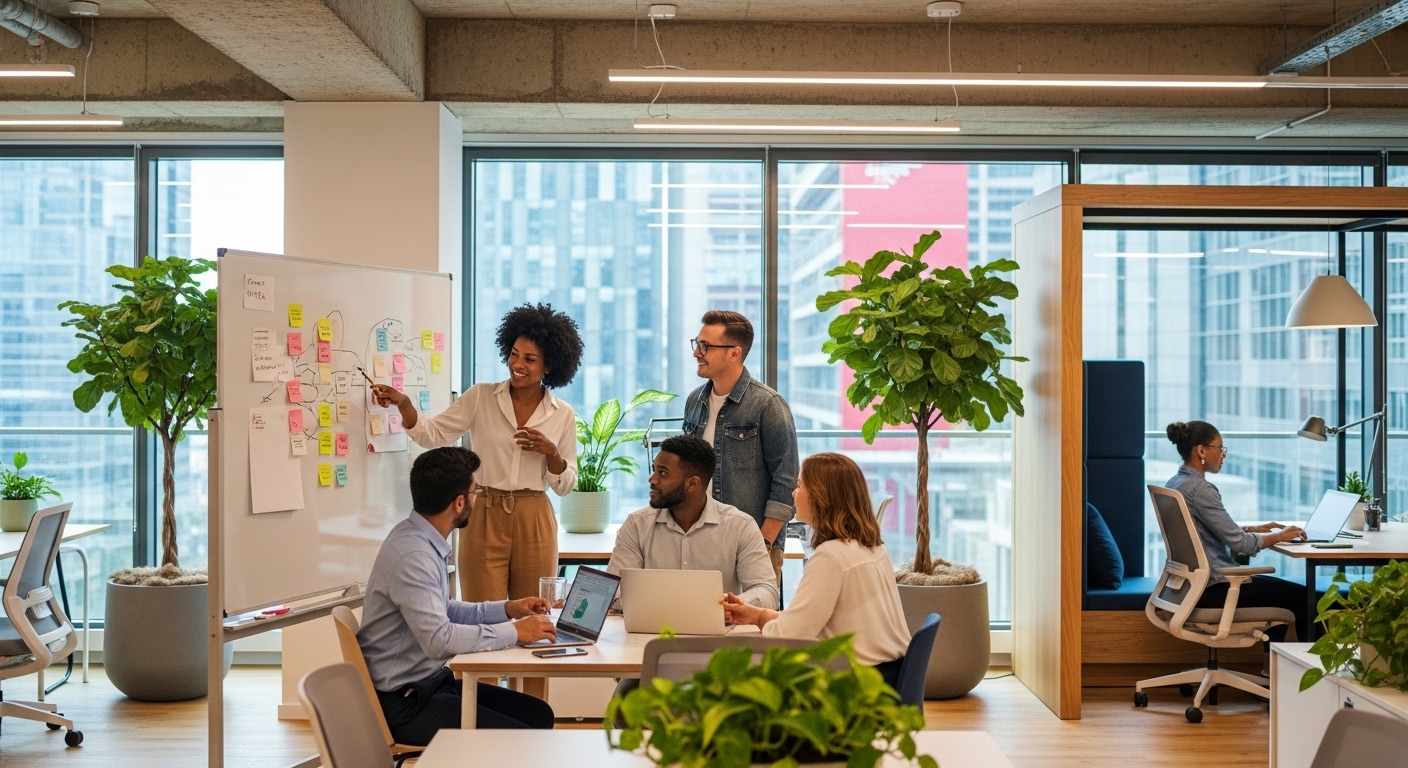
Before exploring layouts or locations, the foundational question must be answered: What is the office for? In the hybrid era, its purpose has evolved from a place of mandatory daily attendance to a central hub for specific, high-value activities. The modern office is a destination for collaboration, a crucible for innovation, and the primary stage for building and reinforcing company culture. It’s where complex problems are untangled on whiteboards, where spontaneous conversations spark new ideas, and where new hires absorb the intangible aspects of the organization’s identity. This shift requires a move away from seas of uniform desks toward a more dynamic environment. Think of a ‘hub-and-spoke’ model, where the central office serves as the cultural and collaborative core, supported by a network of remote workers and potentially smaller, satellite touchdown spaces. The primary function is no longer to house employees, but to empower them. By defining the office as a tool for connection and creativity, businesses can create a space that employees want to come to, transforming it from an obligation into a valuable resource that enhances flexibility and strengthens organizational bonds.
The financial calculus beyond the monthly rent
A strategic workspace decision requires looking beyond the headline rent figure to the Total Cost of Occupancy (TCO). This comprehensive financial view includes not only the lease but also capital expenditures on fit-out, ongoing operational costs like utilities and maintenance, technology infrastructure, and employee-related expenses. For example, a cheaper location with a difficult commute could lead to higher employee turnover and recruitment costs, negating the initial savings. Flexible office solutions, such as coworking spaces or serviced offices, are challenging traditional lease models by offering greater agility. While the cost per desk may appear higher, these options often bundle amenities, IT, and maintenance, eliminating unpredictable operational expenses and large upfront capital investments. This allows businesses to scale their space up or down in response to headcount changes or strategic shifts, turning a fixed, long-term liability into a more adaptable operating expense. A thorough financial analysis compares the predictable, all-inclusive costs of flexible models with the comprehensive TCO of a traditional lease, enabling a decision that is not just about minimizing cost but maximizing value and financial agility.
Aligning your workspace with your company culture
A workspace is a physical manifestation of a company’s culture; it speaks volumes before a single word is spoken. The design, layout, and amenities should all reflect and reinforce the values and behaviors you want to cultivate. A culture that prioritizes transparency and open communication might be best served by an open-plan design with numerous collaborative zones. Conversely, a company that values deep, focused work might need more private offices, quiet libraries, and soundproofed pods. The choice of amenities also sends a powerful cultural message. A fully-stocked kitchen, comfortable lounges, and wellness rooms signal that the company cares for its employees’ well-being. The workspace becomes a strategic tool for talent acquisition and retention. In a competitive market, an office that is thoughtfully designed to be a compelling and enjoyable destination gives a company a distinct edge. It demonstrates a commitment to employee experience, making staff feel valued and creating an environment where they can do their best work. Ultimately, the goal is to create a space where the physical environment and the desired culture are in perfect harmony, fostering a sense of belonging and shared purpose.
Location strategy in the age of hybrid work
The rise of hybrid work has fundamentally altered the logic of location strategy. The magnetic pull of the single, central business district headquarters has weakened, replaced by a more distributed and nuanced approach. The primary consideration is no longer just proximity to clients but accessibility for employees. Companies are now analyzing commuter patterns and employee location data to identify optimal office locations that minimize travel time and stress. This has led to the emergence of ‘hub-and-spoke’ models, where a central flagship office is complemented by smaller satellite offices or on-demand access to coworking spaces in suburban areas. This strategy provides employees with flexibility and choice, reducing commute burdens while still offering physical spaces for collaboration. Furthermore, the surrounding neighborhood is more important than ever. An office located in a vibrant area with access to restaurants, parks, and other amenities enhances the employee experience, making the commute worthwhile. The modern location strategy is less about a single pin on a map and more about creating a network of accessible, convenient, and desirable places that support a distributed workforce.
Integrating technology for a seamless experience
In a hybrid model, technology is the connective tissue that binds the physical and digital workspaces. A modern office must be built on a robust technological foundation to ensure a seamless and equitable experience for all employees, regardless of their location. This starts with non-negotiable basics: high-speed, reliable internet and enterprise-grade Wi-Fi. However, true integration goes much further. Conference rooms must be equipped with high-quality video conferencing systems that feature intelligent cameras and clear audio to properly include remote participants, avoiding a two-tiered meeting experience. Desk and room booking software is essential for managing a flexible workspace, allowing employees to reserve a spot before they even leave home. Smart building technology, such as occupancy sensors, can provide valuable data on how the space is being used, enabling leaders to optimize the layout and amenities over time. Security is also paramount, requiring secure networks and access control systems that protect company data in a more fluid work environment. By investing in the right technology, a company can create a ‘smart office’ that eliminates friction and empowers both in-person and remote collaboration.
Designing for employee well-being and productivity
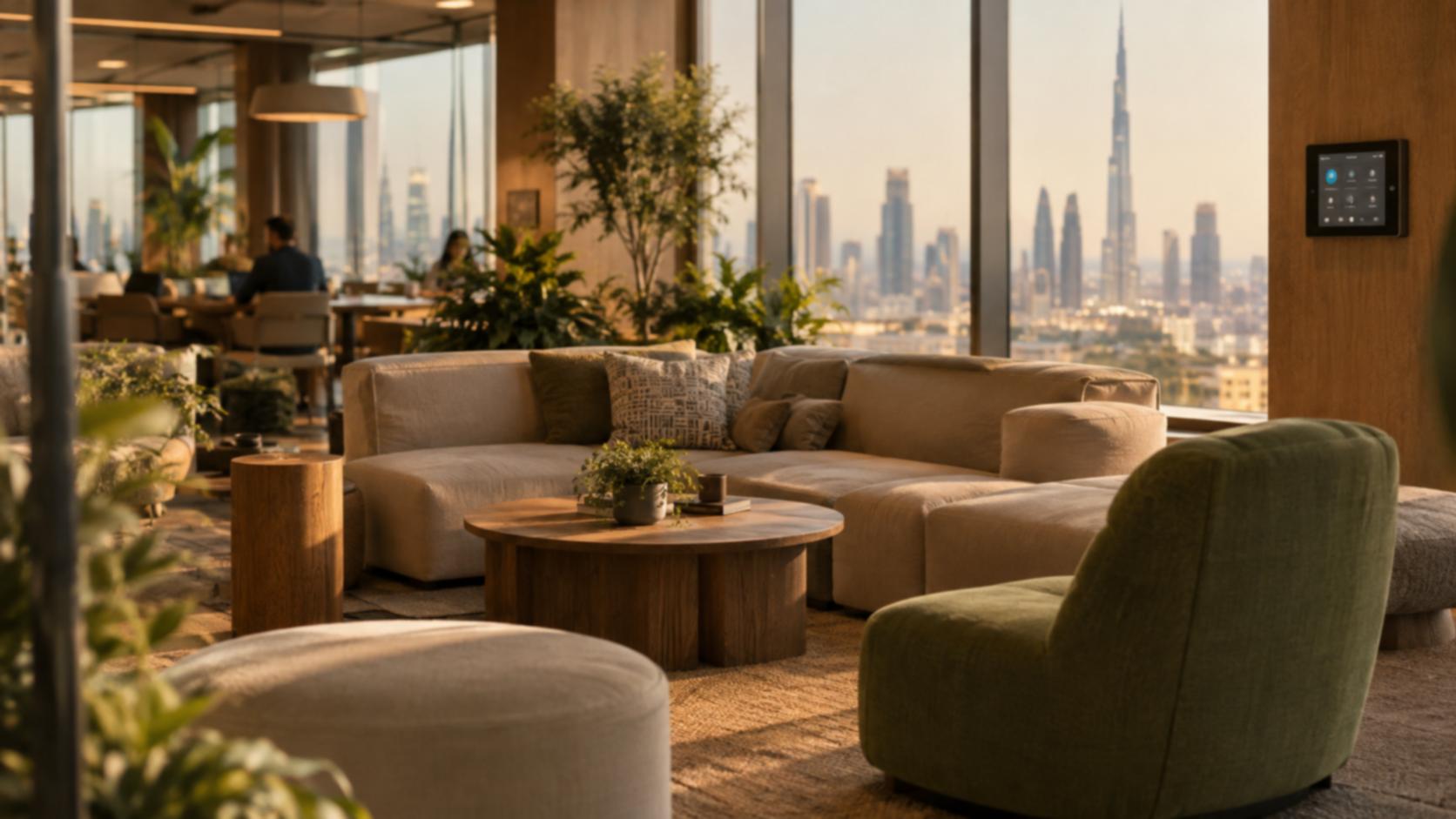
The modern workspace must be designed with a deep understanding of human needs. Creating an environment that actively promotes employee well-being is no longer a perk but a core component of a productive and resilient workforce. This human-centric approach involves several key elements. Biophilic design, which incorporates natural elements like plants, natural light, and organic materials, has been shown to reduce stress and improve cognitive function. Ergonomics are also critical; providing adjustable desks, supportive chairs, and monitor arms prevents physical strain and enhances comfort. The acoustic landscape of the office must also be carefully managed. This means creating a variety of zones, from bustling collaborative areas to designated quiet spaces for focused work, using sound-absorbing materials to minimize distracting noise. Furthermore, dedicating space for wellness, such as meditation rooms, fitness centers, or simply comfortable lounges for relaxation, signals a genuine commitment to employee health. By placing well-being at the heart of the design process, companies can create a workspace that not only supports productivity but also energizes and retains their most valuable asset: their people.
Conclusion
Choosing a workspace in the modern era is a strategic act of organizational design. The decision can no longer be delegated solely to a real estate team; it requires the insight of leaders from HR, IT, finance, and operations. The ‘modern workspace matrix’ provides a framework for navigating this complexity, urging a holistic evaluation that balances the interconnected needs of the business and its people. The six key pillars—redefined purpose, comprehensive financial analysis, cultural alignment, distributed location strategy, seamless technology integration, and a focus on employee well-being—form the blueprint for this critical decision. By moving beyond a singular focus on cost or convenience, leaders can transform their real estate from a mere expense into a strategic asset. The right workspace becomes a powerful tool that not only accommodates work but actively enhances it, fostering the innovation, collaboration, and culture required to thrive in the dynamic future of work. It is an investment in productivity, in talent, and in the long-term resilience of the organization itself.