The conversation around the modern workplace has fundamentally shifted. No longer a static backdrop for daily tasks, the office is now a dynamic tool for driving growth, fostering innovation, and attracting top talent. As companies solidify hybrid work models, the decision of ‘choosing your space’ has evolved from a simple real estate transaction into a complex strategic exercise. Recent trends show a clear move towards human-centric designs, technological integration, and flexible footprints. The office must now ‘earn the commute’ by providing an experience that remote work cannot replicate, focusing on collaboration, well-being, and brand immersion. This blueprint will guide you through the critical components of a modern workspace strategy, ensuring your real estate decisions actively power performance and future-proof your organization.
Rethinking the purpose of your physical space
In the era of hybrid work, the role of the central office has been redefined. It is no longer the sole location for individual tasks but has emerged as a vital hub for connection, collaboration, and cultural reinforcement. Before analyzing potential locations or lease terms, the first step is to define what purpose the physical space will serve for your unique organization. Is it a center for innovation, where teams gather for high-stakes brainstorming and creative problem-solving? Is it a cultural anchor, designed to onboard new employees and instill a sense of shared identity? Or is it a client-facing showroom that embodies your brand’s prestige and values? Your answer to this question will dictate every subsequent decision. For example, a company focused on deep, collaborative work might prioritize a variety of tech-enabled meeting rooms and project spaces, whereas a company using its office as a cultural hub might invest more in social areas, high-quality amenities, and event spaces. Defining this purpose is the foundational layer of a successful workspace strategy, ensuring that your physical environment is perfectly aligned with your business objectives and the needs of your people.
Aligning your workspace with business goals and brand identity
Your office is a physical manifestation of your company’s brand, culture, and strategic priorities. A poorly chosen space can create a disconnect, while a well-aligned one becomes a powerful asset. The selection process must go beyond square footage and consider how the environment will support overarching business goals. If your objective is to foster innovation, an open, adaptable layout with writable surfaces and informal breakout zones is essential. If you’re pursuing an aggressive growth strategy, flexible lease terms and scalable space options are paramount. Similarly, the workspace must be a tangible representation of your brand identity. A luxury brand’s office should exude sophistication and quality, while a tech startup’s space might reflect a more modern, agile, and disruptive ethos. This alignment extends to talent strategy; in a competitive market, the office environment is a key differentiator. A space that prioritizes employee well-being, offers desirable amenities, and reflects a positive company culture can be a deciding factor for top candidates. By viewing your workspace as a strategic tool, you can ensure it actively contributes to your brand’s strength and the achievement of your most important business objectives.
The human-centric framework: designing for well-being and productivity
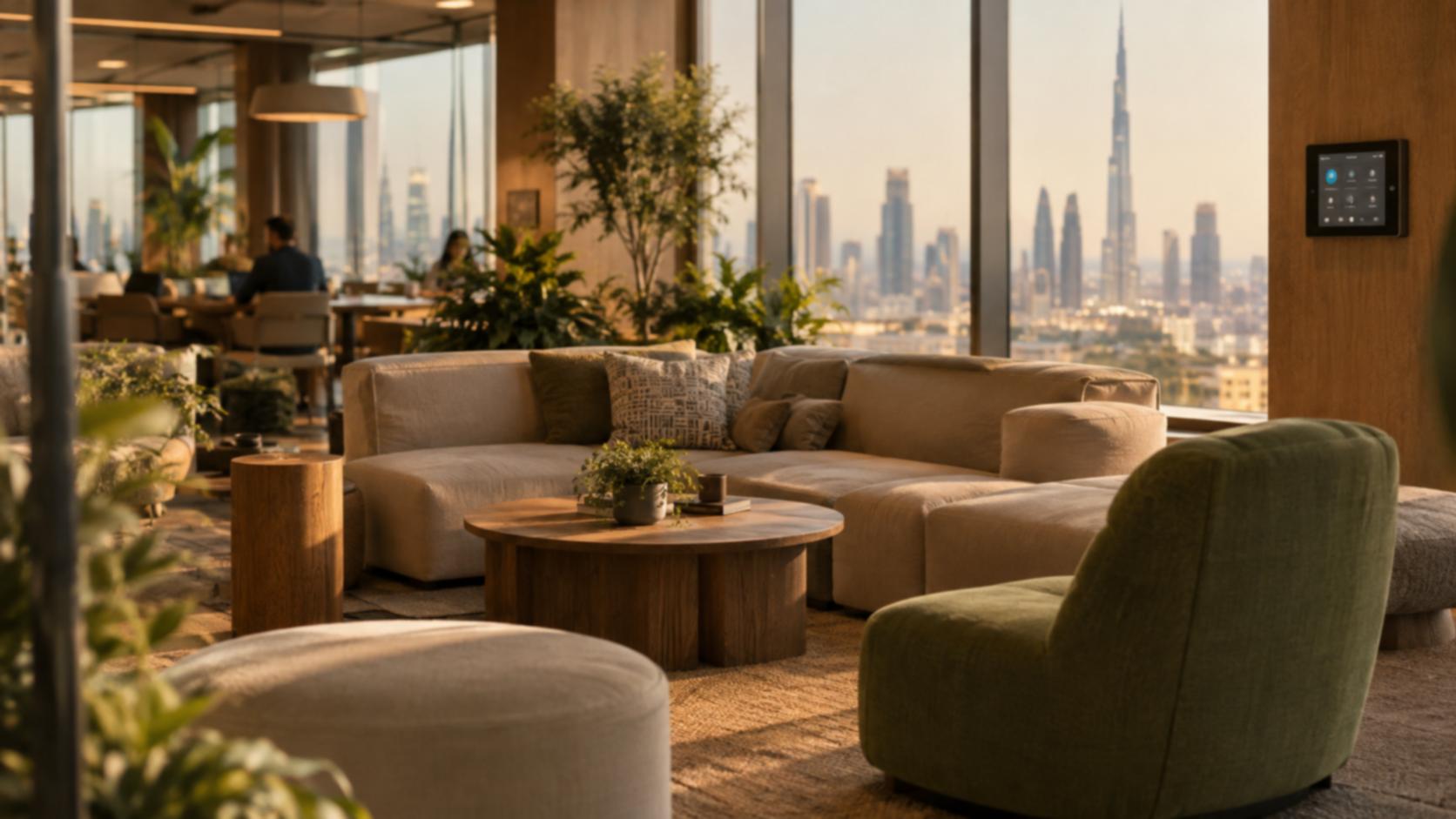
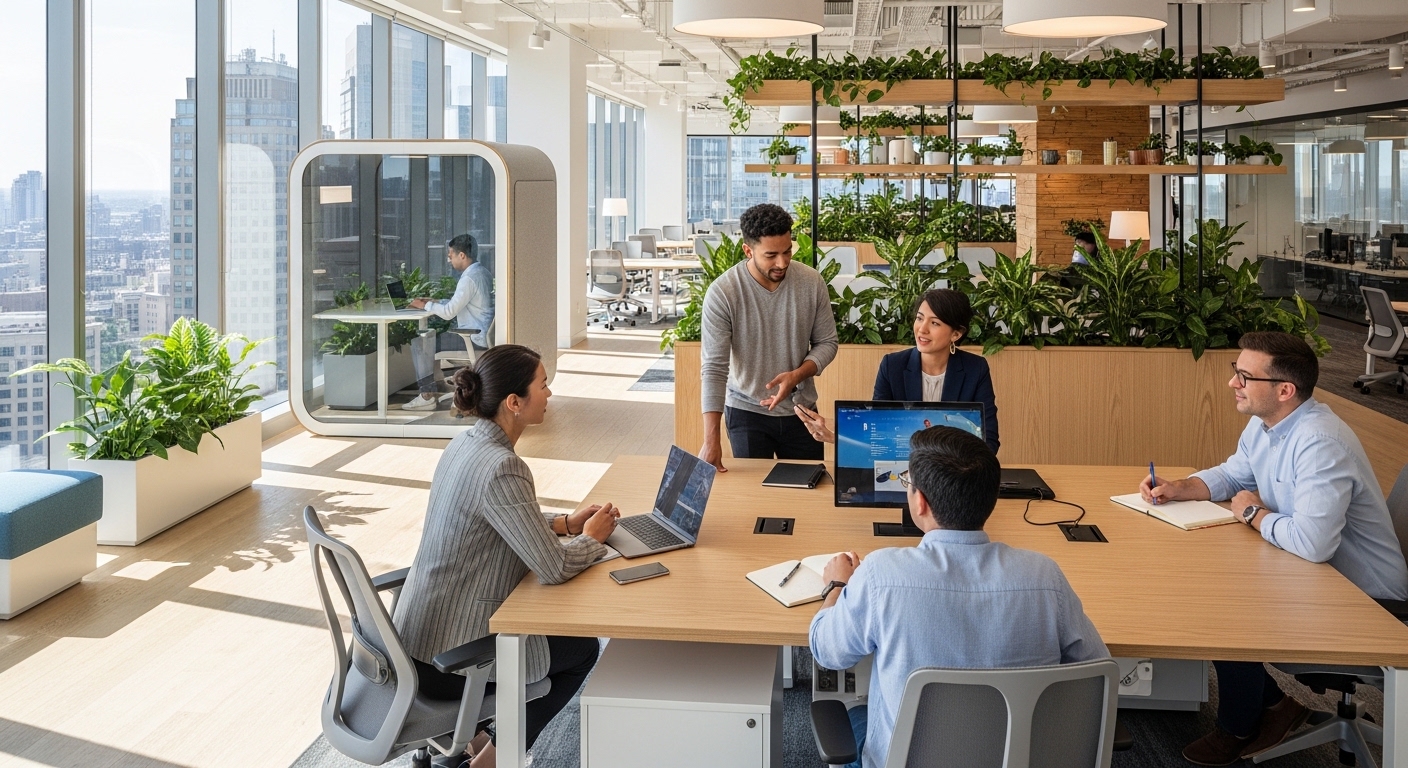
Today’s most effective workspaces are designed with people at their core. A human-centric approach recognizes that employee well-being is directly linked to productivity, engagement, and retention. This philosophy moves beyond basic ergonomics to create environments that support both the physical and mental health of the workforce. Key elements include biophilic design, which incorporates natural light, plant life, and organic materials to reduce stress and improve focus. Another critical factor is providing a variety of work settings to accommodate different tasks and preferences—a concept known as activity-based working. This means offering a mix of collaborative zones for team projects, quiet pods for focused concentration, and comfortable social spaces for informal interaction and relaxation. Furthermore, wellness amenities are no longer a luxury but an expectation. This can include everything from dedicated wellness rooms for meditation to healthy food options and fitness facilities. As one industry report notes:
‘Recognizing that the office must be a destination that earns the commute, companies are designing spaces that prioritize both physical and mental health.’
By investing in a human-centric design, companies create a supportive and energizing atmosphere that empowers employees to do their best work.
Navigating the financial landscape: beyond cost per square foot
A strategic evaluation of workspace costs requires looking beyond the headline rent figure. The true financial impact is understood through the Total Cost of Occupancy (TCO), which provides a comprehensive view of all space-related expenses. TCO includes not only the base rent but also operating expenses, property taxes, insurance, utilities, and maintenance fees. It also accounts for one-time capital expenditures like interior construction, furniture, IT infrastructure, and security systems, as well as ongoing costs for services like cleaning and reception. When comparing a traditional lease to a serviced office or coworking membership, the TCO model is essential. While a traditional lease might have a lower cost per square foot, it comes with significant upfront capital investment and long-term liability. Conversely, a flexible space membership often bundles most of these costs into a single monthly fee, offering greater cost certainty and less upfront expense. Understanding your TCO allows you to make a true apples-to-apples comparison between different real estate options and align your financial commitment with your company’s growth projections and risk tolerance.
The role of technology in a future-ready workspace
Technology is the backbone of the modern, connected workplace, enabling seamless collaboration between in-office and remote employees. A future-ready workspace strategy must prioritize robust and intelligent tech integration. This starts with foundational elements like high-speed, reliable internet and pervasive Wi-Fi. However, it extends much further into the realm of smart office technologies that enhance the user experience and provide valuable data. Integrated room-booking systems that sync with employee calendars, sensor technology that monitors space utilization to inform future design choices, and touchless entry systems are becoming standard. For hybrid teams, the most critical technology is in conference rooms. These spaces must be equipped with high-quality cameras, microphones, and collaborative software (like digital whiteboards) to ensure that remote participants are just as engaged as those in the room. This focus on ‘meeting equity’ is vital for maintaining a cohesive and effective hybrid culture. Investing in the right technology transforms a simple office into an intelligent, responsive environment that supports productivity and adaptability.
Sustainability as a strategic imperative
In today’s corporate landscape, sustainability is no longer a peripheral concern but a core component of a responsible business strategy, and this extends directly to real estate decisions. Choosing a sustainable workspace is a powerful statement of a company’s commitment to Environmental, Social, and Governance (ESG) principles. This goes far beyond recycling bins. It involves selecting buildings with high energy-efficiency ratings like LEED or BREEAM, which reduce operational costs and carbon footprint. The strategy also includes evaluating the use of sustainable and non-toxic materials in the interior build-out, prioritizing access to public transportation to reduce commuter emissions, and implementing smart building technology to optimize energy and water consumption. A focus on sustainability offers multiple business benefits. It enhances brand reputation, meets the growing demand from investors and clients for corporate responsibility, and is a significant factor in attracting and retaining talent, particularly among younger generations who prioritize working for environmentally conscious companies. Integrating sustainability into your workspace selection process is not just good for the planet; it’s a strategic move that builds long-term business resilience and value.
Conclusion
Choosing your space in the modern era is a strategic imperative that profoundly impacts every facet of your organization. It’s an opportunity to build a resilient, high-performing culture that can adapt to the future of work. The process demands a shift in perspective, from viewing real estate as a fixed cost to seeing it as a dynamic investment in your people and your brand. By first redefining the purpose of your physical office in a hybrid world, you lay the groundwork for all subsequent decisions. A successful strategy requires a holistic approach, carefully aligning your space with core business objectives, designing for the well-being and productivity of your team, and making financially sound decisions based on the total cost of occupancy. Furthermore, integrating smart technology and prioritizing sustainability are no longer optional but essential for creating a future-proof environment. By following this blueprint, you can select a workspace that does more than house your business—it propels it forward, creating a destination that empowers employees, impresses clients, and drives lasting success.