The landscape of work has fundamentally shifted, and nowhere is this more apparent than in the bustling metropolis of Tokyo. The city’s office market is currently navigating a period of intense dynamism, marked by the widespread adoption of hybrid work models and a fiercely competitive real estate environment. As of late 2025, vacancy rates for prime office space have fallen to historic lows, while demand continues to surge. This new reality demands a more strategic, human-centric approach to selecting a workspace. Gone are the days of simply securing a location; today’s businesses must choose a space that acts as a catalyst for innovation, collaboration, and talent retention. This guide offers a comprehensive framework for navigating the evolving workspace terrain, ensuring your chosen environment is not just a place of work, but a strategic asset that empowers performance and aligns with the future of business in one of the world’s most vibrant economic hubs.
Understanding the new dynamics of work
The modern workforce has new expectations. The one-size-fits-all office is a relic of the past, replaced by a demand for flexibility, autonomy, and a greater emphasis on work-life balance. This shift is profoundly influencing workspace strategy. Companies are moving away from dense, cubicle-filled floors and toward dynamic environments that offer a variety of settings for different tasks. The office is no longer solely for focused, individual work, much of which can now be done remotely. Instead, it is becoming a central hub for collaboration, team building, and fostering a shared corporate culture. This evolution requires a deep understanding of how your teams work best. Analyzing workflows, communication patterns, and employee preferences is the first critical step in designing a space that supports, rather than hinders, productivity. For businesses in Tokyo, this means contending with a highly competitive market while simultaneously meeting the demands of a workforce that values both the energy of the city and the flexibility of remote work options. The most successful strategies will be those that view the office as an experience, carefully curated to draw employees in and provide them with the tools and environment they need to thrive, innovate, and connect with their colleagues on a deeper level.
The rise of flexible and hybrid models
In response to the evolving demands of the workforce, flexible and hybrid workspace models are no longer niche alternatives but mainstream strategic choices. These models offer a powerful solution to the challenges of the current real estate market, providing agility and cost-effectiveness. Flexible spaces, including coworking and serviced offices, allow companies to scale their physical footprint up or down with ease, a crucial advantage in an unpredictable economic climate. This is particularly beneficial for startups and SMEs, for whom it provides a scalable, low-risk entry into the market. However, large enterprises are also leveraging this trend, using flexible spaces to establish satellite offices, house specialized project teams, or test new markets without the burden of long-term lease commitments. The financial benefits are significant, as these spaces often bundle rent, utilities, and amenities into a single, predictable monthly cost, reducing upfront capital expenditure and simplifying operational management. This model directly addresses the modern emphasis on employee choice, allowing for a hybrid approach where teams can fluidly move between a central office, remote locations, and flexible hubs, optimizing their work environment for the task at hand. This adaptability is key to attracting and retaining top talent in a competitive landscape.
Key considerations for space selection
Choosing the right workspace in today’s market is a multifaceted decision that extends far beyond square footage and rental costs. A critical first step is a thorough location analysis. Proximity to public transportation, clients, and industry partners remains paramount, directly impacting employee commutes and business accessibility. Secondly, the flexibility of the lease and the scalability of the space must align with your long-term business projections. A space that cannot accommodate growth can quickly become a liability. Thirdly, a comprehensive cost-benefit analysis is essential. This involves looking beyond the base rent to consider the total cost of occupancy, which includes service charges, fit-out expenses, and ongoing maintenance. Comparing a traditional lease against the all-inclusive model of a serviced office can reveal significant hidden savings. Furthermore, the available amenities and building infrastructure are increasingly important differentiators. Access to high-speed internet, modern meeting rooms, wellness facilities, and community events can significantly enhance the employee experience and overall productivity. Finally, the chosen workspace must be a physical embodiment of your company’s culture and brand identity. The design, atmosphere, and even the other tenants in the building contribute to the image you project to both employees and clients, making it a crucial element in your overall business strategy.
Designing for productivity and well-being
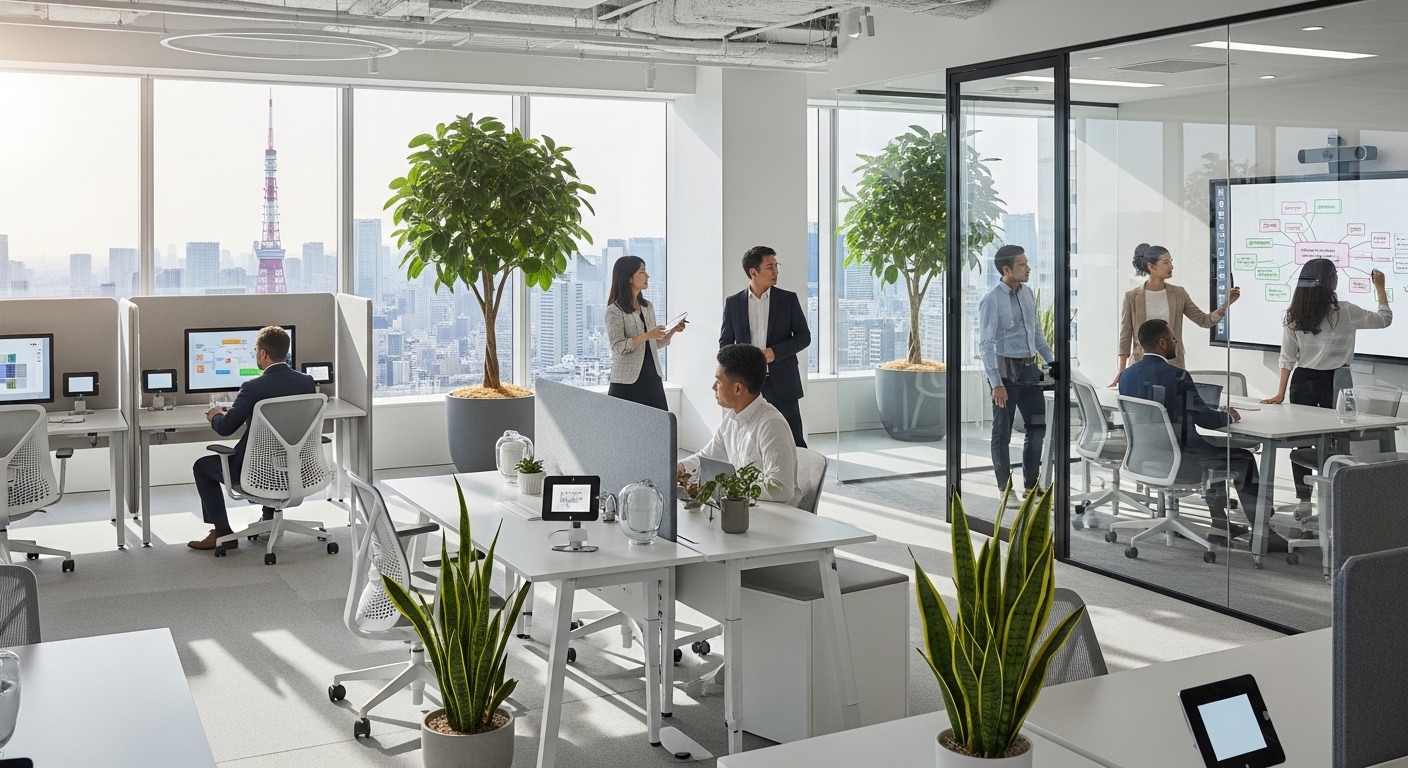
The design of a workspace has a profound impact on both employee productivity and overall well-being. A human-centric approach to design is now a critical component of any effective workspace strategy. This involves creating environments that are not only functional but also inspiring and supportive. Natural light, for example, has been repeatedly shown to boost mood and reduce eye strain, making spaces with large windows and open sightlines highly desirable. Biophilic design, which incorporates natural elements like plants, wood, and stone, can reduce stress and improve cognitive function. Beyond aesthetics, the layout of the space must cater to a variety of work styles. This means providing a mix of environments, from quiet zones for deep focus to open, collaborative areas that encourage spontaneous interaction and brainstorming. Ergonomics also plays a crucial role; providing adjustable chairs, desks, and monitor stands is a fundamental investment in the long-term health and comfort of your team. In a city as dynamic as Tokyo, where the pace of work can be intense, creating an office that serves as a sanctuary and a source of positive energy can be a powerful tool for attracting and retaining top talent and fostering a culture of sustained high performance.
Integrating technology for a seamless experience
In the era of hybrid work, technology is the connective tissue that holds a distributed workforce together. A forward-thinking workspace strategy must prioritize the seamless integration of technology to ensure fluid communication and collaboration, regardless of physical location. This starts with a robust and reliable IT infrastructure. High-speed internet is non-negotiable, as are advanced cybersecurity measures to protect sensitive data across multiple locations. The design of meeting rooms is also critical; they must be equipped with high-quality video conferencing systems, interactive whiteboards, and intuitive booking software to make interactions between in-office and remote employees as effortless as possible. Furthermore, investing in collaboration platforms that go beyond simple messaging—incorporating project management tools, document sharing, and virtual brainstorming spaces—is essential for maintaining productivity and a sense of shared purpose. The goal is to create a tech-enabled ecosystem where the transition from working at home to working in the office is frictionless. This technological foundation is not just a matter of convenience; it is a fundamental requirement for enabling the agility and connectivity that define the modern, high-performing organization in a global hub for innovation.
Future-proofing your workspace strategy
The world of work is in a perpetual state of evolution, and a successful workspace strategy must be built with an eye toward the future. Future-proofing your real estate decisions means embracing adaptability and anticipating change. This involves moving away from rigid, long-term leases and exploring more agile solutions that can evolve with your business. Regularly reviewing your workspace needs and soliciting feedback from your employees is crucial for staying ahead of the curve. Pay close attention to emerging trends in workplace design, technology, and employee expectations. Sustainability, for example, is becoming an increasingly important factor for both talent attraction and corporate responsibility. Choosing a building with green certifications or implementing sustainable practices within your own space can have a positive impact on your brand and your bottom line. Similarly, the growing focus on data analytics can provide valuable insights into how your space is being used, allowing you to optimize layouts and amenities for maximum efficiency and employee satisfaction. By adopting a mindset of continuous improvement and strategic foresight, you can ensure that your workspace remains a powerful asset, capable of supporting your business goals in the ever-changing economic landscape of Tokyo and beyond.
In conclusion, the process of choosing a workspace has transformed from a logistical necessity into a strategic imperative. The modern office is a powerful tool for shaping company culture, driving innovation, and attracting the best talent. In a competitive and rapidly evolving market, a thoughtful and forward-thinking approach is essential. By understanding the new dynamics of work, embracing flexible models, and prioritizing human-centric design, businesses can create environments that not only meet the needs of today but are also prepared for the challenges of tomorrow. The integration of technology is the final, critical piece of this puzzle, enabling the seamless connectivity required to thrive in a hybrid world. Ultimately, the most successful workspace strategies will be those that are agile, data-informed, and deeply aligned with the unique identity and aspirations of the organization. By investing in a workspace that empowers its people, a company is not just leasing square footage; it is building a foundation for sustained growth and success in an increasingly complex and dynamic global landscape.