In a city where historic brick-lined streets meet the cutting edge of global technology, a quiet revolution is reshaping the professional landscape. The global conversation around the future of work, accelerated by seismic shifts in employee expectations, has found a unique incubator in New England’s most populous city. While the world grapples with defining the next era of work, Boston is already building it, leveraging its unparalleled ecosystem of academia, technology, and life sciences to champion a more human-centric model of workplace innovation. This approach moves beyond mere technological adoption, focusing instead on creating environments that nurture creativity, well-being, and profound collaboration. This article explores the multifaceted strategy the city is employing, from redesigning physical spaces to prioritizing the holistic health of its workforce, setting a new global standard for what it means to work in the 21st century.
The convergence of technology and tradition
Boston’s unique character lies in its ability to seamlessly blend the old with the new. This same principle is now defining its approach to workplace innovation. Rather than erasing traditional office structures, companies are augmenting them with sophisticated technology to support unprecedented flexibility and efficiency. The rise of hybrid work is not just a trend but a core operational strategy, with a majority of local firms adopting flexible schedules. This shift is powered by investments in robust digital infrastructures that ensure seamless communication and collaboration between in-office and remote team members. The Seaport District, with its gleaming towers and state-of-the-art facilities, stands as a testament to this new paradigm. Here, smart building technology is becoming the norm, with systems that optimize energy use, monitor air quality, and allow employees to book desks or meeting rooms with a simple tap on their phone. This integration of technology is not about surveillance but empowerment, giving employees greater control over their work environment and fostering a sense of trust and autonomy. It’s a model where historical reverence and forward-thinking ambition coalesce to create a truly modern workplace.
Designing for people: the new workplace paradigm
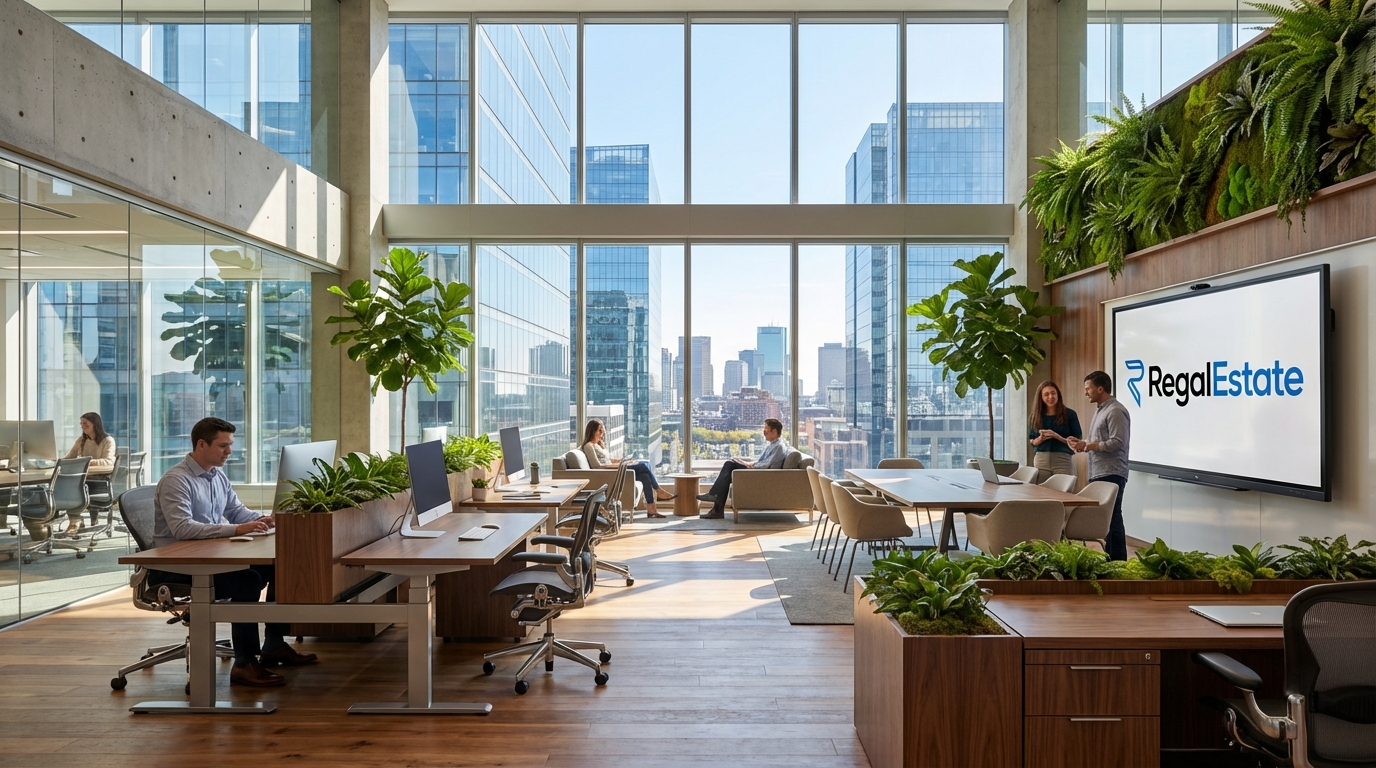
The most significant shift in workplace innovation is the move away from space-centric design to human-centric design. The office is no longer just a place to house employees but a destination that must earn their commute by offering experiences and resources unavailable at home. In response, companies across the metropolitan area are reimagining their layouts to prioritize employee well-being and diverse work styles. The open-plan office, once heralded as the key to collaboration, is being replaced by more nuanced, activity-based designs. These spaces feature a variety of zones: quiet areas for focused, deep work; vibrant hubs for brainstorming and social interaction; private pods for confidential calls; and comfortable lounges for informal connection. Biophilic design principles are also being widely adopted, incorporating natural light, living plants, and organic materials to reduce stress and improve cognitive function. This focus on the holistic employee experience extends to amenities that support mental and physical health, such as on-site fitness centers, mindfulness rooms, and healthy food options, fundamentally redefining the office as a tool for fostering a healthier, more engaged workforce in Boston.
The academic influence: a perpetual engine of innovation
It is impossible to discuss innovation in Boston without acknowledging the colossal influence of its academic institutions. Universities like MIT and Harvard are not just producers of top-tier talent; they are crucibles of experimentation that constantly feed new ideas into the local economy. This academic engine provides the corporate world with a steady stream of research on everything from organizational psychology to artificial intelligence, directly shaping how local companies approach the future of work. The concept of psychological safety, crucial for fostering a culture where employees feel comfortable sharing bold ideas, has deep roots in research from these institutions. This symbiotic relationship creates a unique feedback loop: corporations provide real-world laboratories for academic theories, while universities supply the data-driven insights and the next generation of leaders needed to implement them. This connection ensures that workplace strategies are not based on fleeting trends but on rigorous scientific understanding of what drives human motivation and creativity, making the city a global leader in evidence-based workplace design.
Biotech and life sciences: pioneering specialized work environments
The concentration of biotech and life sciences companies in the area, particularly in hubs like Kendall Square, has created a unique demand for highly specialized, innovative work environments. These organizations require a delicate balance between collaborative office spaces and sterile, highly regulated laboratories. The solutions they have developed offer valuable lessons for other industries. The modern biotech facility is a masterclass in integrated design, where a scientist can move seamlessly from a lab bench to a brainstorming session in a shared cafe space. This physical proximity between research and collaboration accelerates the pace of discovery. Furthermore, the intense focus on safety and precision in lab design has led to advancements in air filtration, environmental controls, and smart monitoring systems that are now being adapted for conventional offices. As health and air quality have become paramount concerns for all employees, the high standards pioneered by the life sciences sector are helping to create safer, healthier, and more resilient workplaces for everyone.
Sustainability as a cornerstone of modern workplace strategy
Innovation in the modern workplace is intrinsically linked to sustainability. As employees and investors alike demand greater corporate responsibility, creating environmentally conscious workspaces has become a strategic imperative. The city is at the forefront of the green building movement, with a growing number of new developments and retrofits achieving LEED certification and other environmental benchmarks. This commitment goes beyond energy-efficient lighting and HVAC systems. It encompasses a holistic approach that includes using recycled and locally sourced building materials, implementing comprehensive waste reduction programs, and designing spaces that encourage sustainable behaviors like cycling to work. These green workplaces offer a dual benefit: they significantly reduce a company’s carbon footprint while simultaneously creating healthier and more appealing environments for employees. This focus on sustainability is a powerful tool for talent attraction and retention, signaling that a company is forward-thinking, ethically managed, and invested in the well-being of both its people and the planet.
The talent imperative: attracting and retaining in a competitive market
Ultimately, every innovation in the workplace is aimed at solving the single most critical challenge for any business: attracting and retaining top talent. In a city with such a high concentration of world-class universities and companies, the competition for skilled professionals is fierce. An innovative, supportive, and flexible workplace is no longer a perk but a fundamental expectation. Companies that invest in creating exceptional employee experiences are seeing a direct return in their ability to secure the best and brightest minds. The human-centric approach—offering flexibility, prioritizing well-being, and providing a physically and psychologically safe environment—is the most potent recruiting tool in today’s market. By transforming the office from a place of obligation into a destination for growth, community, and inspiration, businesses in Boston are not just winning the war for talent; they are building more resilient, creative, and successful organizations for the long term.
In conclusion, the city’s approach to workplace innovation serves as a powerful blueprint for the future of work. By weaving together its unique strengths in technology, academia, and specialized industries, it has cultivated a human-centric model that prioritizes the well-being and empowerment of its people. This is not innovation for innovation’s sake; it is a strategic, evidence-based rethinking of the relationship between people, place, and productivity. The focus on flexible, healthy, and sustainable environments is more than a response to recent trends—it is a proactive strategy to build resilient organizations and attract the world’s top talent. As companies continue to navigate the evolving demands of the global workforce, the lessons being learned and applied in this historic yet profoundly modern city will undoubtedly light the way forward, proving that the most advanced technology is only as effective as the human culture it supports.