In the vibrant, ever-accelerating business landscape of China’s capital, the push for innovation is relentless. Companies are discovering that the key to unlocking sustained growth lies not just in technology or market strategy, but within the very fabric of their teams. Fostering genuine collaboration has become a critical objective, yet it presents a unique challenge in a metropolis that masterfully blends ancient traditions with futuristic ambitions. The old, hierarchical models of work are giving way to more fluid, interconnected structures demanded by the globalized digital economy. This transformation requires more than just a new org chart; it demands a holistic approach that considers both cultural dynamics and the physical environments where ideas are born. This blueprint will explore how businesses in Beijing City can create a powerful synergy between workspace design and team culture to build a truly collaborative and innovative workforce for the future.
1. Deconstructing traditional hierarchies for modern teamwork
For centuries, Chinese business culture has been deeply influenced by Confucian values, which emphasize respect for hierarchy, age, and authority. This structure provided stability and clear lines of communication in traditional industries. However, in today’s fast-paced tech and creative sectors, this rigid model can stifle the very agility and open dialogue required for innovation. The challenge for modern leaders is to deconstruct these hierarchies without disrespecting the underlying cultural values. This involves creating a culture of psychological safety where junior team members feel empowered to voice opinions and challenge ideas without fear of overstepping. Techniques like reverse mentoring, where younger, digitally-native employees guide senior leaders on new technologies, can be highly effective. Furthermore, shifting the focus from individual authority to collective project ownership encourages a flatter, more collaborative structure. It’s not about eliminating respect for leadership, but about building a framework where the best ideas can surface from anywhere within the organization, fostering a dynamic and responsive team environment ready to tackle complex problems.
2. The role of ‘guanxi’ in digital and physical collaboration
The concept of ‘guanxi’ (关系), often translated as ‘relationships’ or ‘connections,’ is a cornerstone of Chinese society and business. It’s a network of reciprocal trust and obligation that can be a powerful asset for collaboration if understood and nurtured correctly. In a traditional sense, ‘guanxi’ is built through face-to-face interactions, shared meals, and long-term relationship-building. In the modern hybrid workplace, this concept must be adapted. Companies in Beijing City are finding new ways to foster ‘guanxi’ both physically and digitally. In the office, this means designing spaces that encourage informal social interactions—coffee lounges, comfortable breakout areas, and communal dining spaces. Digitally, it means leveraging platforms beyond simple project management. Using internal social channels to celebrate team wins, share personal stories, or creating virtual ‘water cooler’ moments can help build the personal bonds that strengthen professional trust. By intentionally cultivating ‘guanxi’, organizations can transform a network of individuals into a cohesive team that is more resilient, communicative, and aligned towards common goals.
3. Designing workspaces that inspire interaction
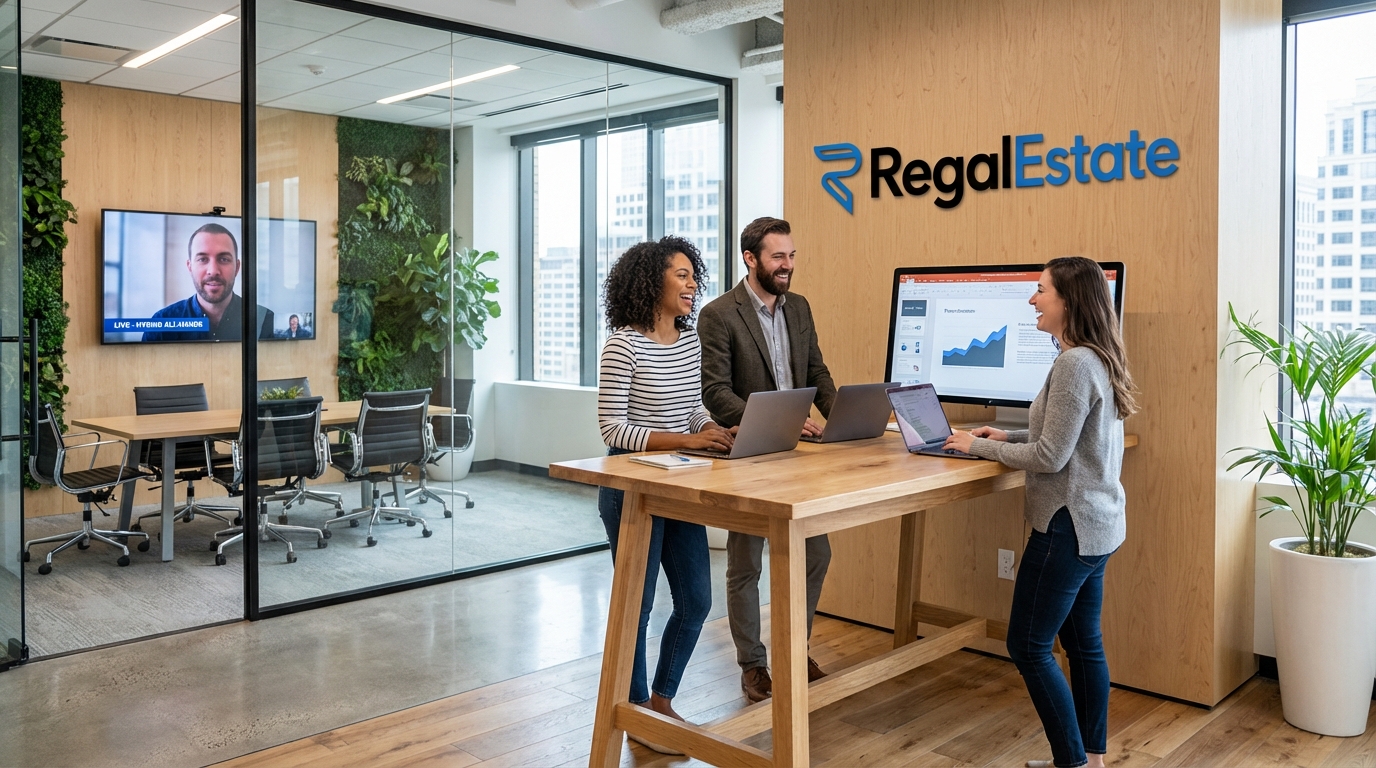
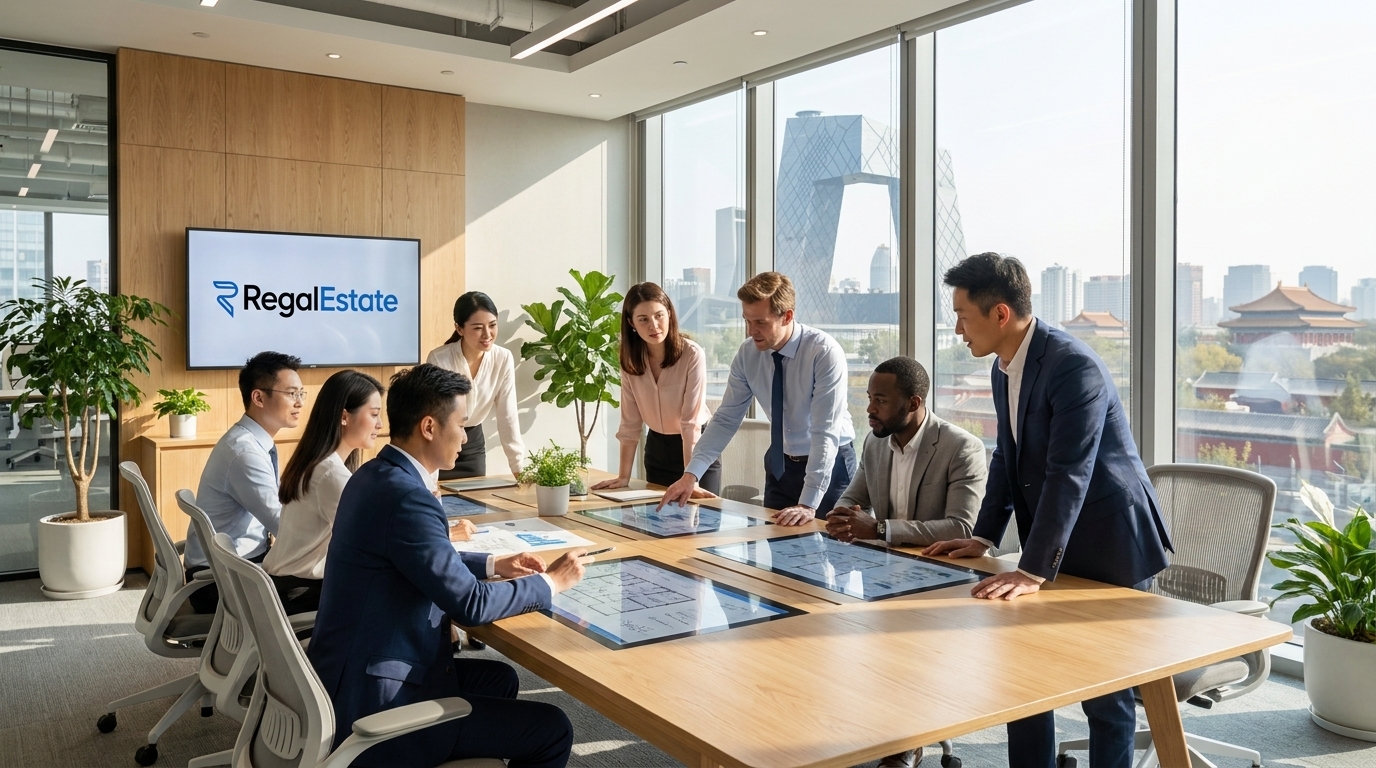
The physical office is no longer just a place to work; it’s a tool for collaboration. In a dense and dynamic urban center, the design of a corporate workspace is a critical statement of a company’s culture and priorities. The trend is moving away from monotonous rows of cubicles towards more diverse and activity-based environments. These spaces are designed to give employees choice and control over where and how they work, catering to different tasks throughout the day. A well-designed office might include open, collaborative zones for brainstorming sessions, sound-proofed pods for focused work or private calls, and comfortable, informal lounges for team huddles. Biophilic design, which incorporates natural elements like plants, natural light, and organic materials, has been shown to reduce stress and improve creativity. By investing in strategic office layouts, companies can break down departmental silos, increase spontaneous interactions, and create a physical environment that actively promotes the collaborative behaviors they wish to cultivate.
4. Integrating technology for seamless cross-functional synergy
Technology is the central nervous system of modern collaboration. In China, the tech landscape is unique, with platforms like WeChat Work and DingTalk dominating corporate communication. The key to successful technology integration is not just adopting these tools, but creating a seamless digital ecosystem where information flows freely between teams and functions. This means moving beyond basic chat and file sharing to embrace more sophisticated project management software, shared digital whiteboards, and cloud-based documents that allow for real-time, simultaneous co-creation. For companies operating in a hybrid model, investing in high-quality video conferencing equipment is paramount to ensure that remote employees feel just as present and included as their in-office counterparts. The goal is to use technology to eliminate friction and make collaboration the path of least resistance, allowing teams to focus their energy on innovation rather than on navigating clunky digital workflows.
5. Navigating cross-cultural communication in a global hub
As a global nexus for business and technology, teams are increasingly diverse, comprising individuals from across China and around the world. This diversity is a tremendous source of strength and innovation, but it can also present communication challenges. Different cultural backgrounds come with different communication styles—some direct, others more indirect and high-context. Effective collaboration depends on bridging these gaps. This requires proactive training and the development of clear communication protocols. Leaders should encourage teams to explicitly discuss their preferred working styles and establish shared norms for giving feedback, running meetings, and resolving disagreements. Providing language training or utilizing advanced translation tools can also be beneficial. By embracing and managing its multicultural workforce proactively, a company can unlock a wider range of perspectives, leading to more creative problem-solving and a truly global competitive edge in the market of Beijing City.
6. Cultivating psychological safety for open innovation
Ultimately, all the well-designed spaces and advanced technologies are ineffective if team members do not feel safe to contribute. Psychological safety is the shared belief that the team is safe for interpersonal risk-taking. It’s a climate where people are comfortable expressing themselves and their ideas without fear of negative consequences. Leaders play a crucial role in cultivating this environment. It starts with demonstrating vulnerability and admitting their own mistakes, which signals that it’s okay for others to do the same. It also involves actively soliciting input from every team member, especially the quieter ones, and responding to ideas with curiosity rather than judgment. When team members feel psychologically safe, they are more likely to share nascent ideas, experiment with new approaches, and engage in the kind of constructive debate that is the lifeblood of innovation. This foundation of trust is the most critical element in building a sustainable culture of collaboration.
In conclusion, fostering a collaborative culture is a multifaceted endeavor that requires deliberate and sustained effort. For businesses operating in China’s capital, success hinges on the ability to create a powerful synergy between the cultural context, the physical workspace, and the digital tools that connect them. It involves respectfully deconstructing traditional hierarchies, modernizing the concept of ‘guanxi’ for a hybrid world, and designing offices that are catalysts for interaction. It requires a seamless technology stack, a proactive approach to cross-cultural communication, and an unwavering commitment to building psychological safety. By weaving these threads together, organizations can create a resilient, innovative, and highly collaborative team culture. Mastering this blueprint is not just an operational upgrade; it is a strategic imperative for any company looking to attract top talent and thrive in the fiercely competitive and endlessly innovative landscape of today’s business world.