The decision of where your team works has evolved from a simple real estate transaction into a complex strategic choice that sits at the heart of your company’s culture, productivity, and future growth. In an era defined by hybrid models and a renewed focus on employee well-being, the office is no longer just a place to house desks. It is a destination, a cultural hub, and a critical tool for fostering innovation and collaboration. This shift requires a new framework for thinking, one that moves beyond square footage and lease terms to prioritize purpose, people, and performance. Recent trends show a clear demand for spaces that are not only functional but also flexible, technologically advanced, and conducive to mental and physical health. This guide provides a comprehensive framework for navigating this new landscape, ensuring your next workspace is not just a location, but a strategic asset that propels your business forward.
1. Defining your purpose: The strategic ‘why’ behind your workspace
Before ever looking at a floor plan or a location, the most critical first step is to define the fundamental purpose of your physical workspace in the modern work ecosystem. The question is no longer if you need an office, but why you need one. Is its primary role to be a hub for deep, focused collaboration that can’t be replicated remotely? Is it a cultural anchor, a physical manifestation of your brand and values designed to onboard new hires and build team cohesion? Or perhaps it’s a client-facing showroom, crafted to impress partners and close deals. Many businesses will find their ‘why’ is a blend of these elements. For example, a tech startup might prioritize a space for spontaneous innovation and engineering sprints, while a consulting firm may need a polished environment for client presentations and team strategy sessions. A recent study highlighted that over 70% of employees now view the office as a primary place for social connection and community building with colleagues. By clearly articulating the strategic role of your space, you create a guiding principle that informs every subsequent decision, from layout and technology to location and amenities. This purpose-driven approach prevents you from investing in a generic space that serves no specific function well, and instead allows you to create an environment that actively supports your most important business objectives.
2. Location and logistics through a modern lens
While the fundamentals of location and budget remain crucial, the criteria for evaluating them have been reshaped by flexible work patterns. The traditional model of a central headquarters that everyone commutes to five days a week is fading. Today, a strategic location might mean a ‘hub-and-spoke’ model with smaller, distributed offices, or a single location chosen for its accessibility to a geographically dispersed team that only gathers a few days a week. It’s essential to analyze where your employees live now, not where they lived pre-pandemic. Consider the ‘reverse commute’ and the appeal of suburban office hubs that reduce travel time and improve work-life balance. Beyond the building itself, the surrounding neighborhood is a critical part of the offering. Look for amenities that enhance the employee experience: quality coffee shops, diverse lunch options, green spaces for walking meetings, and fitness centers. The budget calculation has also become more nuanced. It’s not just about cost per square foot; it’s about value per employee. A slightly more expensive lease in a vibrant, convenient location can pay dividends in talent attraction and retention. Furthermore, consider the total cost of occupancy, including technology infrastructure, smart building management systems, and potential build-out costs to create the flexible, collaborative environment you need.
3. Designing for people: Wellness and inclusivity as strategic pillars
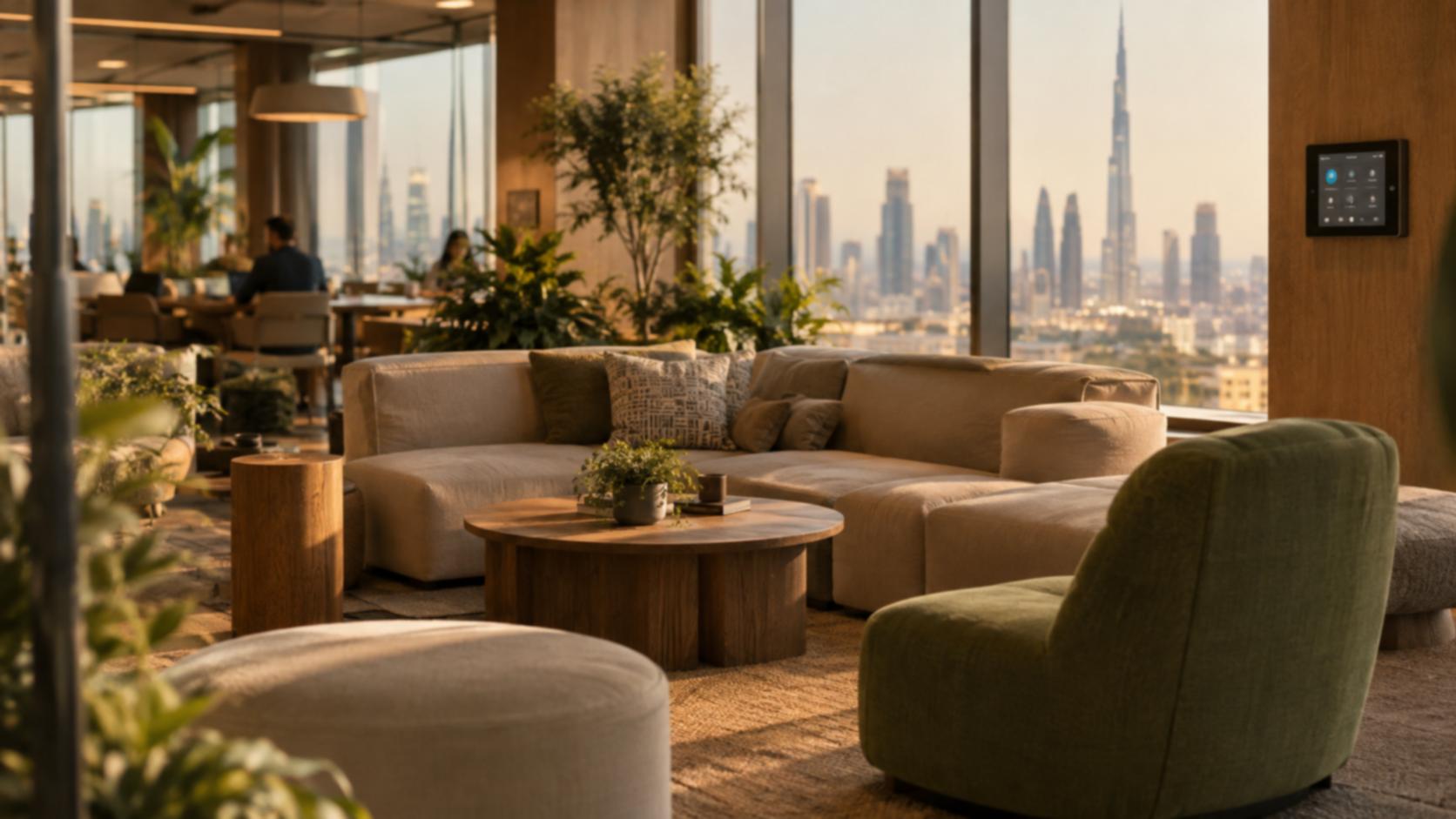
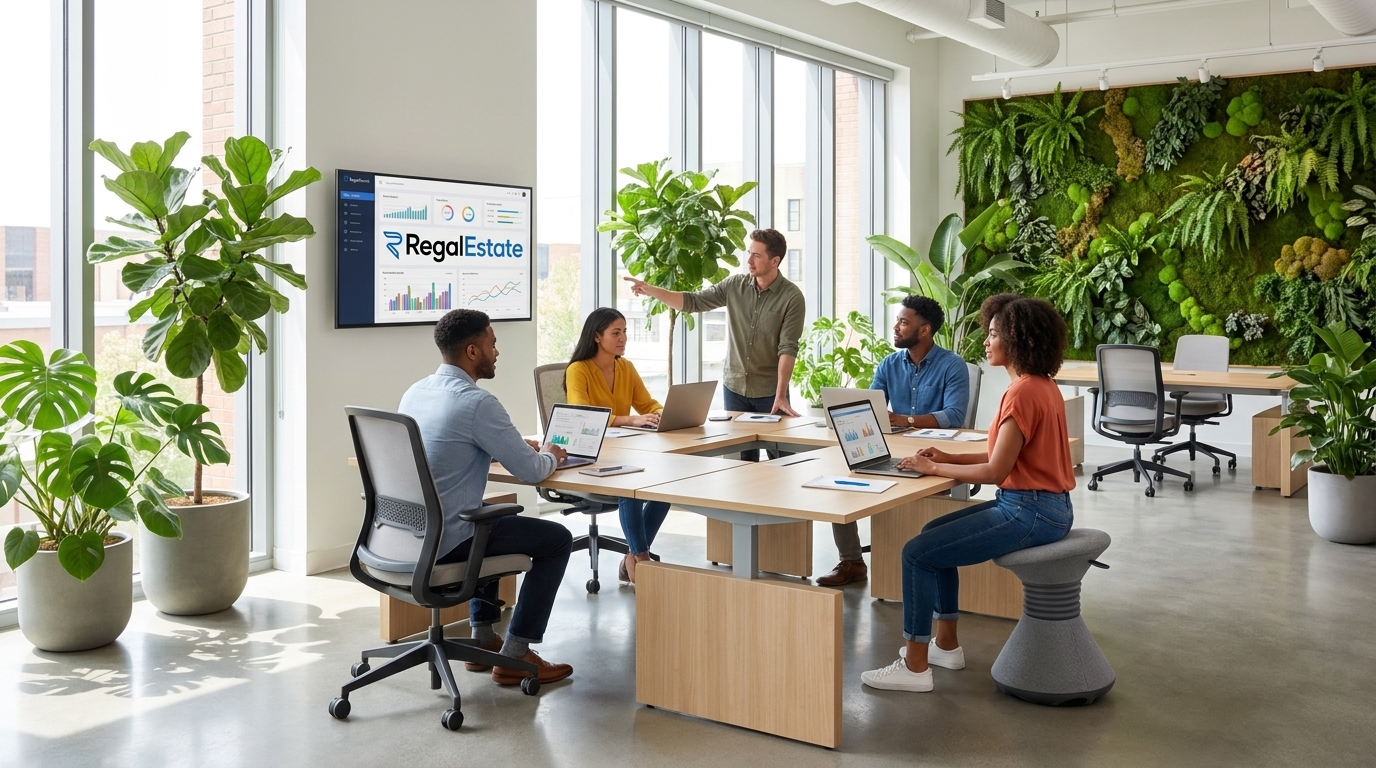
The modern workspace must be human-centric, designed to support the well-being and diverse needs of every employee. This goes far beyond simply offering ergonomic chairs. It’s about creating an environment where people feel good and can perform at their best. A major trend driving this is biophilic design, which involves incorporating natural elements into the office. Access to natural light, indoor plants, and natural materials like wood and stone have been shown to reduce stress and increase creativity. Another key consideration is neuro-inclusion. The open-plan office of the last decade is now understood to be a productivity killer for many. A truly inclusive design provides a variety of work settings to match different tasks and personality types. This includes quiet zones for focused work, private phone booths for calls, comfortable soft-seating areas for informal chats, and dynamic, high-energy zones for brainstorming. Sustainability is also a core component of wellness-focused design. Using eco-friendly materials, ensuring high-quality air filtration, and maximizing energy efficiency not only reduces your carbon footprint but also creates a healthier indoor environment. By placing wellness and inclusivity at the forefront of your design strategy, you signal to your team that you value them as individuals, fostering a culture of care that is a powerful competitive advantage.
4. The technology backbone: Integrating digital and physical worlds
In a hybrid world, the physical office and its digital infrastructure are two halves of the same whole. A workspace strategy is incomplete without a robust technology plan that ensures seamless connectivity and collaboration for all employees, regardless of their location. The primary requirement is frictionless communication between in-office and remote team members. This means investing in high-end video conferencing systems with intelligent cameras that track speakers, and superior audio systems that eliminate echoes and background noise. Meeting rooms should be equipped with interactive digital whiteboards that allow real-time collaboration with remote participants. Beyond meeting rooms, consider implementing a smart-office platform. These systems can manage desk and room bookings, provide data on space utilization, and even control lighting and climate for optimal comfort and energy efficiency. Employees should be able to book a desk, reserve a meeting room, and find a colleague all from a simple app on their phone. A reliable, high-speed Wi-Fi network is non-negotiable, and robust cybersecurity measures are essential to protect your data as employees connect from various devices and locations. By building a powerful technology backbone, you empower your team to work effectively and transform the office from a simple building into an intelligent, responsive, and highly productive environment.
5. The flexibility factor: Building an agile and scalable workspace
The one certainty in today’s business landscape is uncertainty. Your team might grow, shrink, or shift its work patterns unexpectedly. An effective workspace strategy must therefore be built on a foundation of flexibility and agility. This begins with the lease itself. Increasingly, businesses are moving away from long-term, rigid leases towards more flexible arrangements, such as serviced offices, coworking memberships, or shorter-term leases with options to expand or contract. This allows you to scale your real estate footprint in line with your business needs, minimizing financial risk. The physical design of the space should also be modular. Think of your office as a kit of parts rather than a static construction. Use movable walls, reconfigurable furniture, and modular workstations that allow you to easily transform a space from a series of individual focus areas into a large, open-plan event space. This adaptability ensures your workspace can evolve over time, supporting different projects, team structures, and work styles without requiring a costly and disruptive renovation. By embracing flexibility in both your lease and your layout, you future-proof your workspace, creating a sustainable environment that can adapt to whatever comes next.
6. Measuring success: Key metrics for a high-performance environment
Choosing and designing your workspace is not the final step; it’s the beginning of an ongoing process of optimization. To ensure your space is delivering on its strategic purpose, you must establish clear metrics for success that go beyond simple cost analysis. Start by gathering data on space utilization. Smart office sensors and booking software can tell you which areas are most popular and which are underused, allowing you to make data-driven decisions about future design changes. But quantitative data only tells part of the story. It’s crucial to gather qualitative feedback directly from your employees. Regular surveys and feedback sessions can provide invaluable insights into what’s working and what’s not. Ask specific questions about noise levels, comfort, the availability of different types of spaces, and the quality of technology. Track key HR metrics as well. You might correlate your new workspace with changes in employee engagement scores, voluntary attrition rates, and even the time it takes to fill open positions. A well-designed workspace should be a powerful tool for talent attraction and retention. By continuously measuring both the quantitative and qualitative performance of your space, you can ensure it remains a dynamic and effective asset that actively contributes to employee satisfaction and overall business success.
In conclusion, the process of choosing a workspace has been fundamentally transformed. It is no longer a tactical decision managed by an operations team, but a strategic imperative that requires leadership from across the organization. The modern framework for success involves a paradigm shift: from seeing the office as a container for work to viewing it as a catalyst for culture, collaboration, and innovation. By starting with the strategic ‘why,’ designing for your people’s well-being and diverse needs, integrating technology seamlessly, and building in flexibility from the start, you create a powerful ecosystem. This environment does more than just support the work; it enhances it. The right workspace is an investment that pays dividends in productivity, employee engagement, and brand identity. It becomes a physical representation of your company’s vision and values, providing a competitive edge in the ongoing race for top talent and market leadership.