Data-driven site selection replaces intuitive property leasing
Data-driven site selection completely transforms how organizations establish their physical operations across the globe. Modern enterprises discard rigid long-term commitments and opaque market analyses that fail to account for rapid economic changes. Advanced empirical frameworks systematically replace traditional intuition-based leasing models. Sophisticated algorithms process massive datasets to identify optimal geographic locations for expanding businesses worldwide. This analytical approach empowers companies to align their physical footprints precisely with operational requirements. Facility managers gain actionable insights into demographic shifts, local infrastructure quality, and regional economic stability, ensuring every lease supports broader corporate goals.
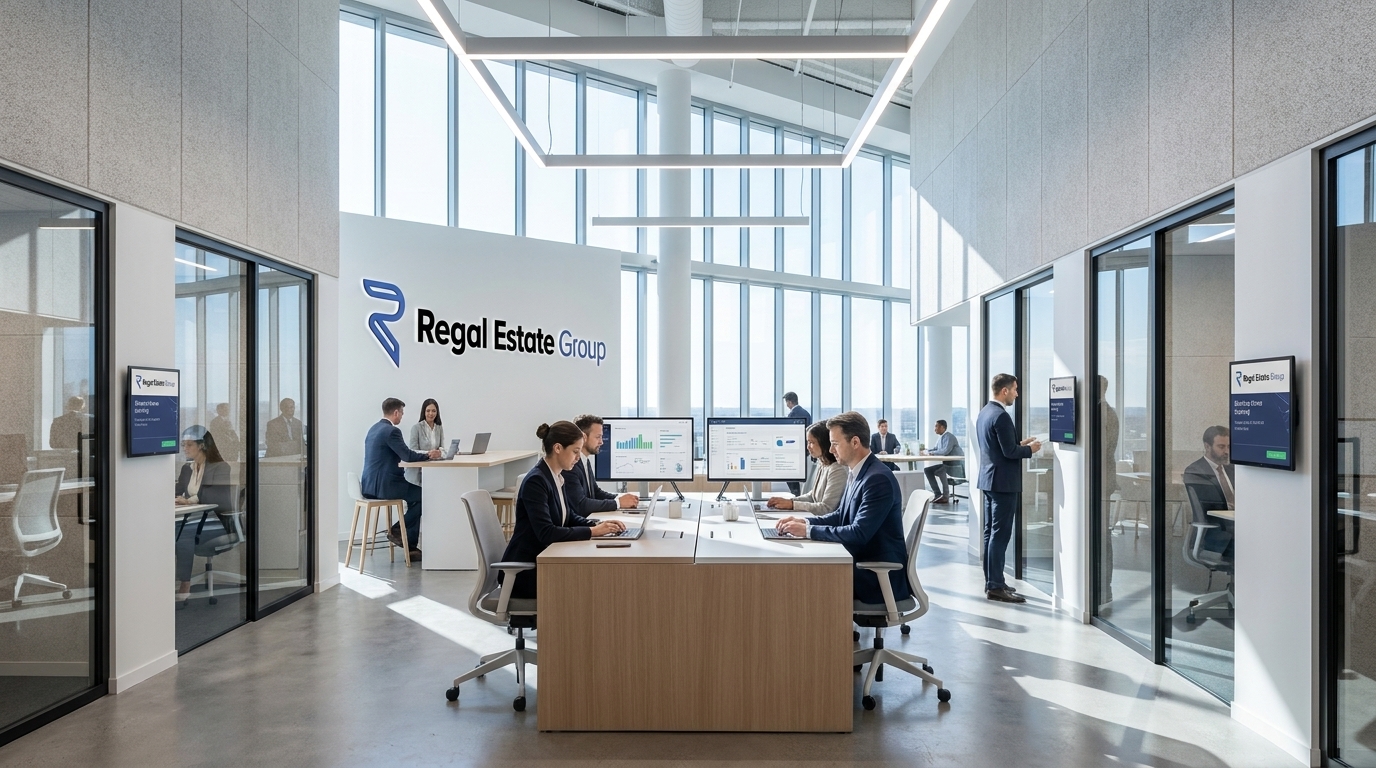
Regal Estate Group stands at the forefront of this technological transition. The firm provides a comprehensive platform that connects growing brands with flexible global workspaces tailored to specific business needs. Eliminating the friction of conventional leasing allows decision-makers to execute agile market expansions without bureaucratic delays. Accurate financial forecasting becomes possible when leaders base their property choices on verifiable spatial intelligence. Strategic property acquisition establishes a new standard for operational efficiency across modern industries. Leaders utilize these objective insights to outmaneuver competitors in volatile markets effectively.
Evaluating talent proximity through data-driven site selection
Finding specialized skills remains a top priority for corporate expansion teams entering competitive regions. Data-driven site selection evaluates localized talent pools with unprecedented accuracy and granularity. Algorithms map commuter patterns, educational institution proximity, and competitor density to pinpoint emerging labor hubs before they become oversaturated. Organizations position their physical offices strategically to attract and retain top-tier professionals effortlessly. Evaluating workforce availability before signing a lease significantly reduces future recruitment costs and onboarding times. Forward-thinking companies prioritize access to skilled individuals over simply finding the cheapest square footage available.
Research from Savills confirms that structural megatrends reshape the traditional location strategy model toward labor resilience. Analytical tools synthesize this labor data to forecast long-term viability for specific geographic zones over extended periods. Executives review these objective dashboards to make confident placement decisions that support human resources initiatives. Understanding regional skill concentrations ensures that new satellite offices launch with immediate productivity and minimal disruption. This empirical approach permanently alters how global corporations build their human capital infrastructure. Identifying talent density remains crucial for sustainable commercial growth everywhere.
Artificial intelligence transforms data-driven site selection models
Machine learning algorithms fundamentally alter the methodology behind corporate geographic planning and facility procurement. Data-driven site selection utilizes predictive artificial intelligence to forecast the success of potential office installations accurately. Spatial intelligence tools process zoning changes, urban development plans, and live foot traffic metrics instantly. Decision-makers view comprehensive heat maps that highlight optimal zones for establishing physical operations without relying on guesswork. Expanding businesses secure premium commercial spaces under highly favorable conditions by identifying emerging hubs early. Platform integration guarantees rapid deployment across diverse global markets smoothly.
Continuous data influxes refine these predictive models over time to maximize their strategic value. Integrated software ensures that the empirical recommendations remain highly accurate and relevant to current market conditions seamlessly. Evaluating property viability through this objective lens drastically reduces the financial risks associated with entering new territories blindly. Companies ensure their physical presence adapts seamlessly to unexpected economic shifts and consumer trends. Precision replaces the guesswork traditionally associated with conventional brokerage advice and manual market research. Real estate professionals leverage these insights to optimize portfolio performance continually.
Aligning hybrid demands with data-driven site selection
Hybrid work models necessitate a total restructuring of legacy corporate property portfolios across all major industries. Organizations increasingly discard fixed environments in favor of scalable facility setups that accommodate fluctuating daily attendance. This structural transition requires spaces that expand or contract without triggering severe financial penalties or lengthy renegotiations. Data-driven site selection provides the empirical foundation for implementing these flexible infrastructure strategies effectively. Administrators analyze daily attendance patterns and geographical employee distribution to determine optimal seating ratios dynamically. Workplace analytics ensure maximum utility for every leased square foot utilized.
Implementing agile hubs allows enterprises to maintain a regional presence without carrying vast, underutilized headquarters centrally. Regal Estate Group offers customizable solutions that cater directly to these fluctuating operational requirements seamlessly. This inherent adaptability ensures that physical setups reflect exact workforce utilization rates at any given moment. Flexible workspaces mitigate the inherent risks of rapid organizational growth or sudden economic contractions. Linking smart building management to smarter asset portfolios provides leaders with maximum financial agility. Corporate agility dictates ongoing enterprise success in an increasingly unpredictable world.
Utilizing transparency dashboards for facility evaluations
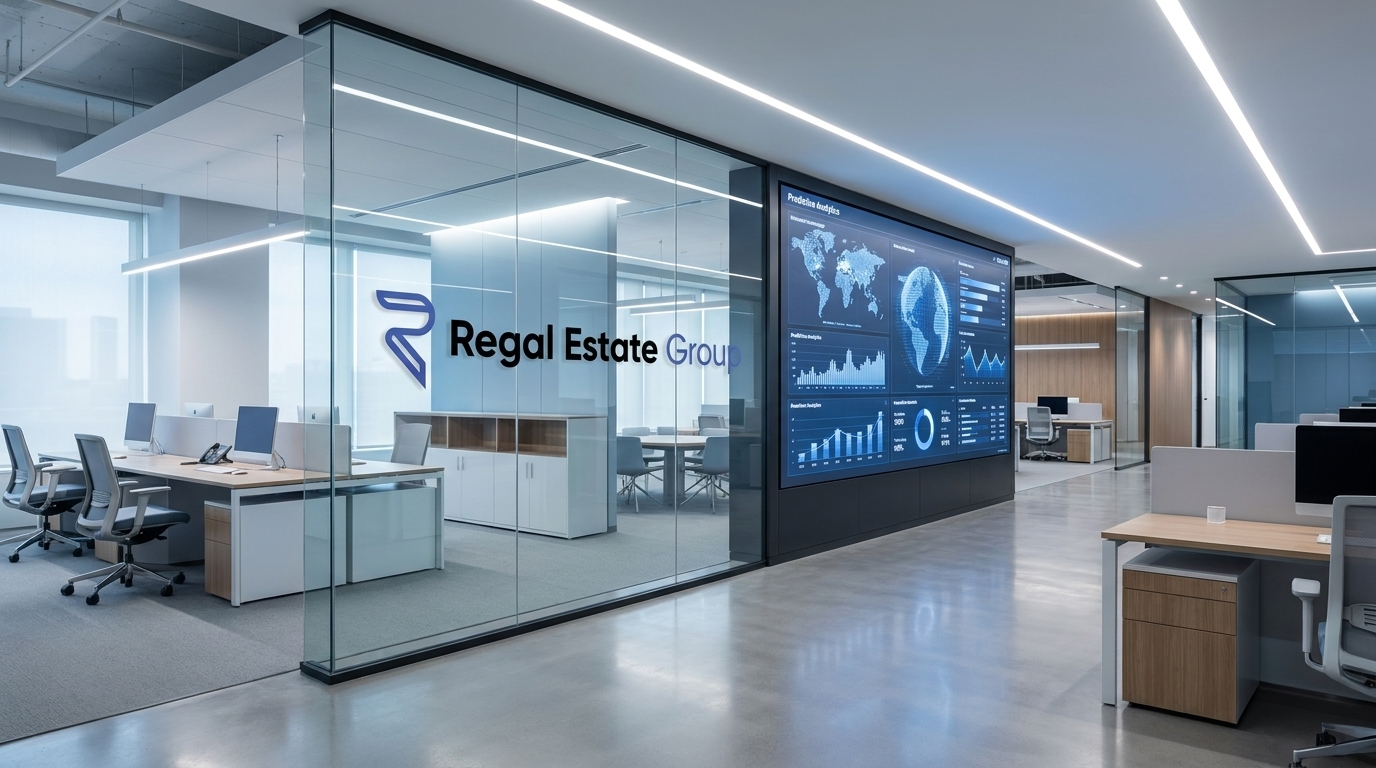
Transparent data presentation empowers leaders who evaluate multiple global workspace options simultaneously. Executives demand immediate access to comparative metrics to identify the most advantageous property investments without unnecessary delays. Centralized analytical dashboards consolidate complex market variables into easily digestible visual interfaces for rapid comprehension. Platform users compare facility choices side-by-side to evaluate square footage, on-site amenities, and logistical advantages effortlessly. This direct empirical comparison entirely eliminates the ambiguity common in standard broker negotiations and opaque property listings. Digital tools provide unfiltered visibility into commercial markets, establishing complete operational transparency.
Centralizing property information significantly accelerates the corporate procurement process for expanding global teams. Companies secure essential facilities rapidly while bypassing protracted legal delays and complex local negotiations. Accessing real-time inventory and precise pricing metrics ensures that organizations forecast operational budgets accurately and avoid hidden fees. Market transparency fundamentally shifts the balance of power from the lessor directly to the tenant, fostering fairer agreements. Leaders cross-reference critical data points like internet infrastructure quality to guarantee comprehensive due diligence. Verifiable information drives equitable corporate real estate transactions globally.
Overcoming global expansion hurdles via data-driven site selection
Entering foreign markets presents significant logistical and administrative challenges for growing enterprises lacking local expertise. Securing physical property in international jurisdictions typically involves navigating obscure regulations and potential language barriers. Technology-driven platforms streamline this complex expansion process by granting direct global access to verified workspaces instantly. Data-driven site selection facilitates rapid entry into new territories without relying on commissioned intermediaries or disjointed local brokers. Regal Estate Group connects businesses directly with thousands of global locations through one unified system. Cross-border integration happens instantly, supporting continuous organizational momentum.
Multinational corporations establish regional headquarters with unprecedented speed by leveraging these centralized digital networks. Verified intelligence regarding local economic stability supports these rapid deployment phases, ensuring safe operational investments. Bypassing conventional leasing hurdles allows teams to focus entirely on core operational objectives rather than administrative real estate tasks. Strategic international expansion relies heavily on testing new markets with minimal upfront financial exposure. Systematic approaches to global growth minimize corporate risk and maximize overall operational efficiency. Expanding footprints safely requires continuous spatial monitoring and intelligent resource allocation.
Streamlining financial planning with predictable cost structures
Accurate budget forecasting remains imperative for organizations managing diverse physical infrastructures across multiple jurisdictions. Traditional commercial leases routinely conceal hidden expenses, including fluctuating utility costs and unpredictable maintenance fees. These variable financial obligations complicate resource allocations and strain corporate treasury departments trying to balance global ledgers. Transitioning toward all-inclusive pricing models provides administrators with absolute fiscal predictability from day one. Consolidating high-speed internet, utilities, and professional cleaning services into a single price completely eliminates budgetary ambiguity. Financial stability drives aggressive business scaling initiatives and confident market entries.
Distinct financial structures allow established enterprises to project operational expenditures accurately without fearing surprise invoices. Regal Estate Group implements this straightforward pricing methodology to protect clients from unexpected fiscal liabilities globally. Standardizing costs across global facilities streamlines accounting processes for brands managing multiple currencies and regional tax codes. All-inclusive models remove the administrative burden of juggling localized vendor contracts and building management disputes. Decision-makers rely on clear financial data to confirm the long-term viability of their infrastructure investments. Operational clarity fosters sustainable market dominance and secure resource planning.
Integrating smart concierges into data-driven site selection frameworks
Managing physical workspaces requires continuous oversight and rapid issue resolution to maintain high employee productivity. Traditional tenant support mechanisms often suffer from delayed response times and protracted communication channels. Integrating artificial intelligence into the administrative infrastructure revolutionizes the daily tenant experience completely. Automated systems monitor facility operations and systematically address user inquiries without requiring direct human intervention. This continuous availability ensures that flexible environments remain highly responsive to occupant requirements around the clock. Smart technologies elevate standard property management to unprecedented levels of reliability.
Regal Estate Group deploys an intelligent continuous concierge to provide uninterrupted operational support for all facility users. Machine learning algorithms process historical tenant requests to anticipate common logistical issues preemptively before they disrupt workflows. Applying artificial intelligence in facility administration allows human resources to concentrate exclusively on strategic oversight instead of administrative troubleshooting. Tenants receive immediate guidance regarding building access, technical setups, and contract modifications instantly via automated chat interfaces. Objective automation directly reduces the friction associated with managing expansive global property portfolios. Innovation continues to redefine modern workplace execution.