The modern workplace is in a state of profound and accelerated transformation. What once felt like futuristic predictions are now daily realities, driven by technological leaps, shifting employee expectations, and a collective reassessment of what it means to be productive and engaged. The conversation has moved far beyond simple remote work policies. We are now tasked with architecting a new work ecosystem—one that is intelligent, flexible, and fundamentally human. Recent trends show a clear convergence around three core pillars: the role of artificial intelligence as a collaborative partner, an unwavering focus on the holistic employee experience, and the integration of sustainability as a business imperative. This article will explore how these forces are not just changing where we work, but are fundamentally reshaping our roles, our skills, and the very culture of our organizations. We will delve into how leading companies are moving beyond automation to create a workplace that augments human potential and fosters true innovation.
The new AI partnership: moving from automation to augmentation
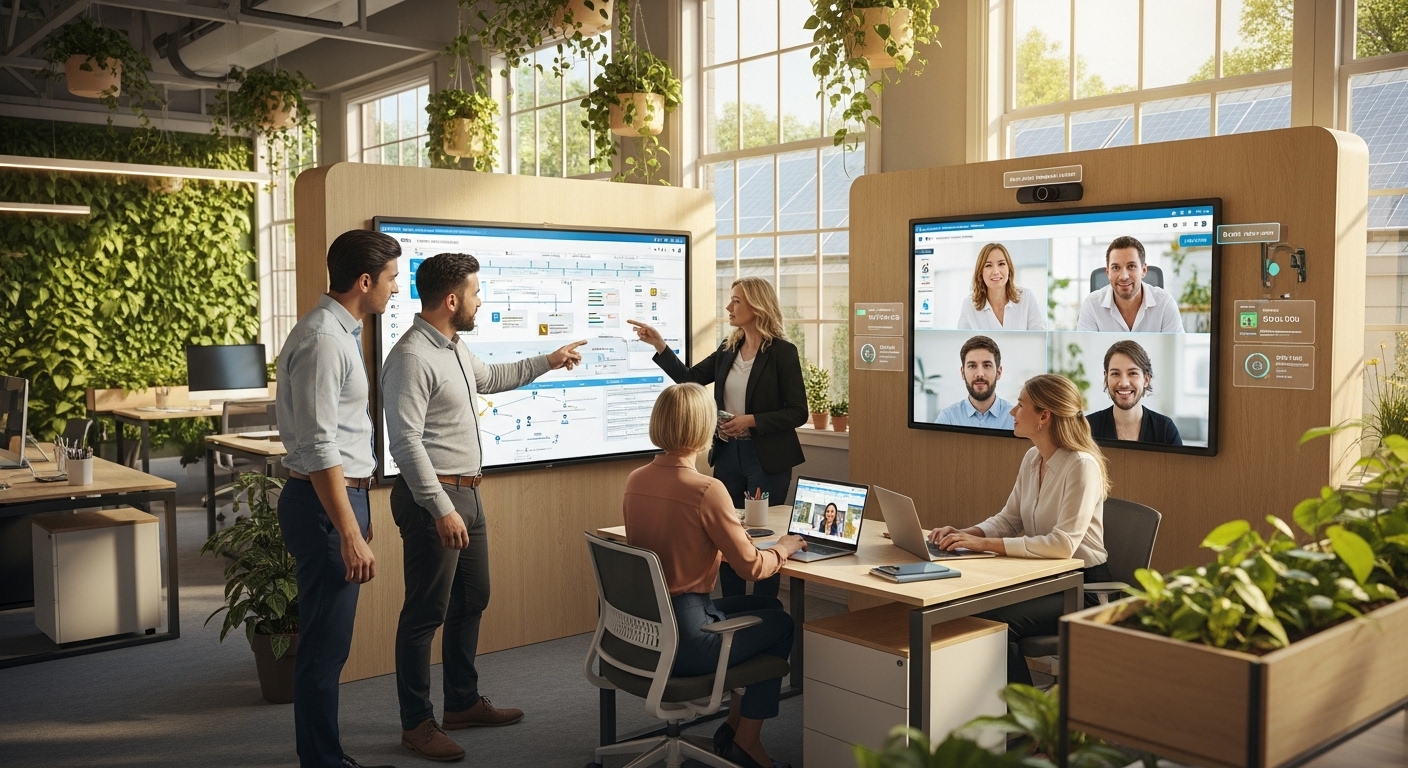
For years, the narrative surrounding artificial intelligence in the workplace has been dominated by automation and the fear of job displacement. However, the current, more nuanced reality is proving to be one of partnership rather than replacement. The primary impact of AI is shifting from automating repetitive tasks to augmenting human capabilities. Think of AI not as a replacement for a human worker, but as a powerful collaborator that handles complex data analysis, identifies patterns, and manages logistical tasks, thereby freeing up its human counterpart to focus on strategic thinking, creative problem-solving, and empathetic communication. This symbiotic relationship allows for a significant redesign of job roles, where tasks are strategically allocated between humans and intelligent systems to maximize efficiency and innovation. This evolution demands a massive investment in workforce development. A significant skills gap is emerging, creating an urgent need for robust upskilling and reskilling initiatives. Organizations must pivot their training programs to focus on teaching employees how to work alongside AI—how to query it effectively, interpret its outputs critically, and leverage its power for higher-level objectives. Furthermore, the ethical dimension of AI integration is paramount. Establishing clear governance, ensuring transparency in how AI is used for decision-making, and building a framework for responsible implementation are critical steps to fostering the employee trust necessary for this new partnership to succeed.
Redefining the office: creating ‘commute-worthy’ experiences
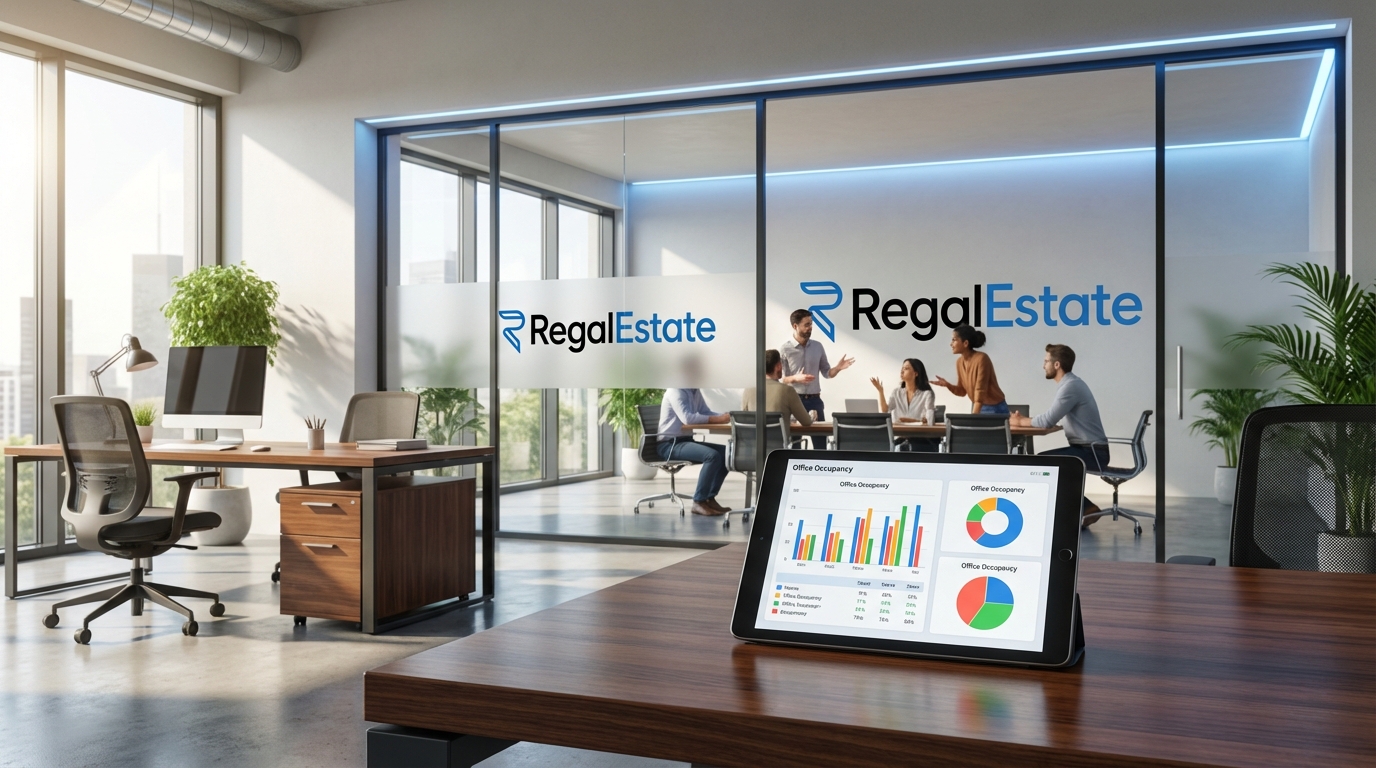
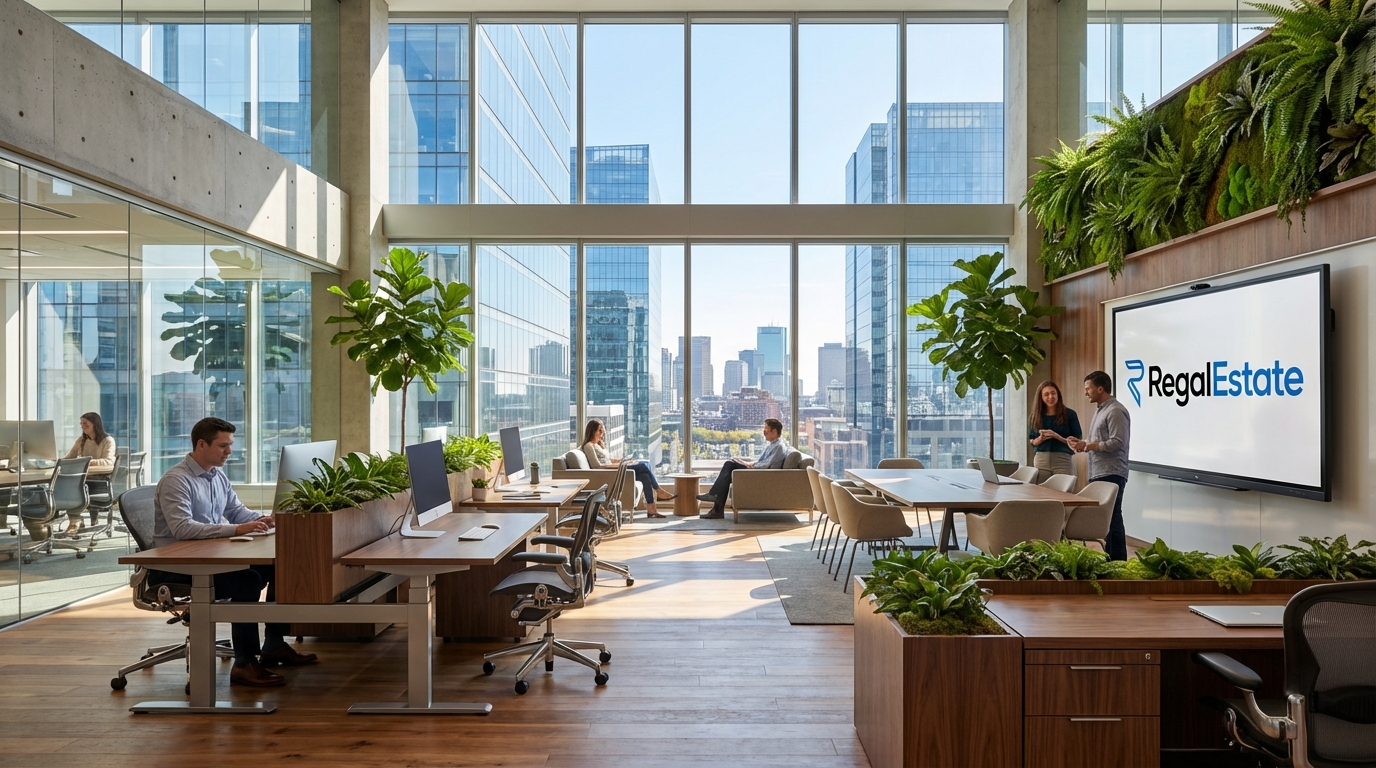
With hybrid and remote models becoming the norm, the role of the physical office has been fundamentally questioned. The answer that is emerging is the concept of the ‘commute-worthy’ workplace. If employees have the choice to work from home, the office must offer something compellingly different—it must become a destination. This means shifting the office’s purpose from a place of individual, heads-down work to a vibrant hub for intentional collaboration, deep mentorship, and cultural immersion. The focus is on creating experiences that cannot be replicated through a screen. Office redesigns now prioritize flexible, multi-purpose spaces over seas of monotonous cubicles. Think fewer assigned desks and more ‘neighborhoods’ for specific teams, project rooms equipped with advanced collaboration technology, and comfortable, café-style lounges that encourage serendipitous encounters and informal knowledge sharing. Technology plays a crucial role in making this seamless, with apps for booking desks, scheduling meetings, and even ordering lunch to remove friction from the on-site experience. The goal is to make any time spent in the office feel purposeful and valuable, reinforcing the idea that the office is a tool for connection and innovation, not a place for mere attendance. This intentional design fosters a stronger sense of community and belonging, which are often the first casualties of a poorly managed distributed work model.
The rise of the skills-based organization
As artificial intelligence and automation absorb more routine technical tasks, the value of uniquely human skills is skyrocketing. This has given rise to the concept of the skills-based organization, a strategic shift away from hiring and promoting based on static job titles and credentials towards a focus on dynamic, transferable capabilities. The most in-demand skills in this new era are often labeled ‘soft skills’, but their impact is anything but soft. These are the human-centric competencies that machines cannot replicate: creativity, critical thinking, complex problem-solving, emotional intelligence, and persuasive communication. Forward-thinking companies are overhauling their talent management strategies to reflect this reality. They are building comprehensive skills taxonomies to understand the capabilities they have versus the capabilities they need. Hiring practices are evolving to include assessments that evaluate a candidate’s problem-solving and collaborative abilities, rather than just their technical knowledge. Internally, this means creating a culture of continuous learning, where upskilling and reskilling are not occasional events but an integrated part of the workflow. By focusing on skills, organizations can build more agile, resilient teams capable of adapting to rapid change. It also promotes internal mobility and creates clearer career pathways for employees, boosting engagement and retention by showing a clear commitment to their long-term professional growth.
Psychological safety as the bedrock of innovation
In a hybrid world where teams are geographically dispersed and digital communication can lead to misinterpretation, fostering psychological safety has become more critical than ever. Psychological safety is the shared belief that a team is safe for interpersonal risk-taking. It means that employees feel they can speak up with ideas, questions, concerns, or even mistakes without fear of punishment or humiliation. It is the foundational element that enables true collaboration, candid feedback, and the creative abrasion necessary for breakthrough innovation. Without it, employees default to silence, and valuable insights are lost. Leaders play the most significant role in cultivating this environment. It requires them to model vulnerability, admit their own mistakes, and actively solicit input from every member of the team, especially the quieter ones. In a hybrid setting, this must be done with intention. It means ensuring that remote employees have the same opportunities to contribute as their in-office counterparts, using collaboration tools to facilitate equitable participation, and checking in on team members’ well-being, not just their task progress. Creating this culture of trust not only unlocks higher levels of performance and engagement but also builds a more resilient and inclusive organization where everyone feels empowered to contribute their best work, regardless of their physical location.
Holistic well-being as a strategic imperative
The conversation around employee well-being has matured significantly. It has moved from surface-level perks like gym memberships and free snacks to a much deeper, strategic focus on holistic health—encompassing mental, physical, and financial well-being. Organizations now recognize that burnout, stress, and anxiety are not just personal issues but are significant business risks that impact productivity, retention, and innovation. A truly supportive workplace culture is one that embeds well-being into its very fabric. This includes providing comprehensive and easily accessible mental health resources, from counseling services to mindfulness apps. It means training managers to recognize the signs of burnout and to lead with empathy, fostering an environment where it’s okay to discuss mental health openly. Flexibility is also a key component, allowing employees the autonomy to structure their workdays in a way that supports their life outside of the office. Financial wellness programs, offering resources for budgeting, saving, and retirement planning, are also becoming increasingly common, as financial stress is a major contributor to overall anxiety. By treating well-being as a strategic imperative, companies are not only supporting their employees but are also building a more sustainable and high-performing workforce that is better equipped to navigate the complexities of the modern world.
Integrating sustainability into the workplace fabric
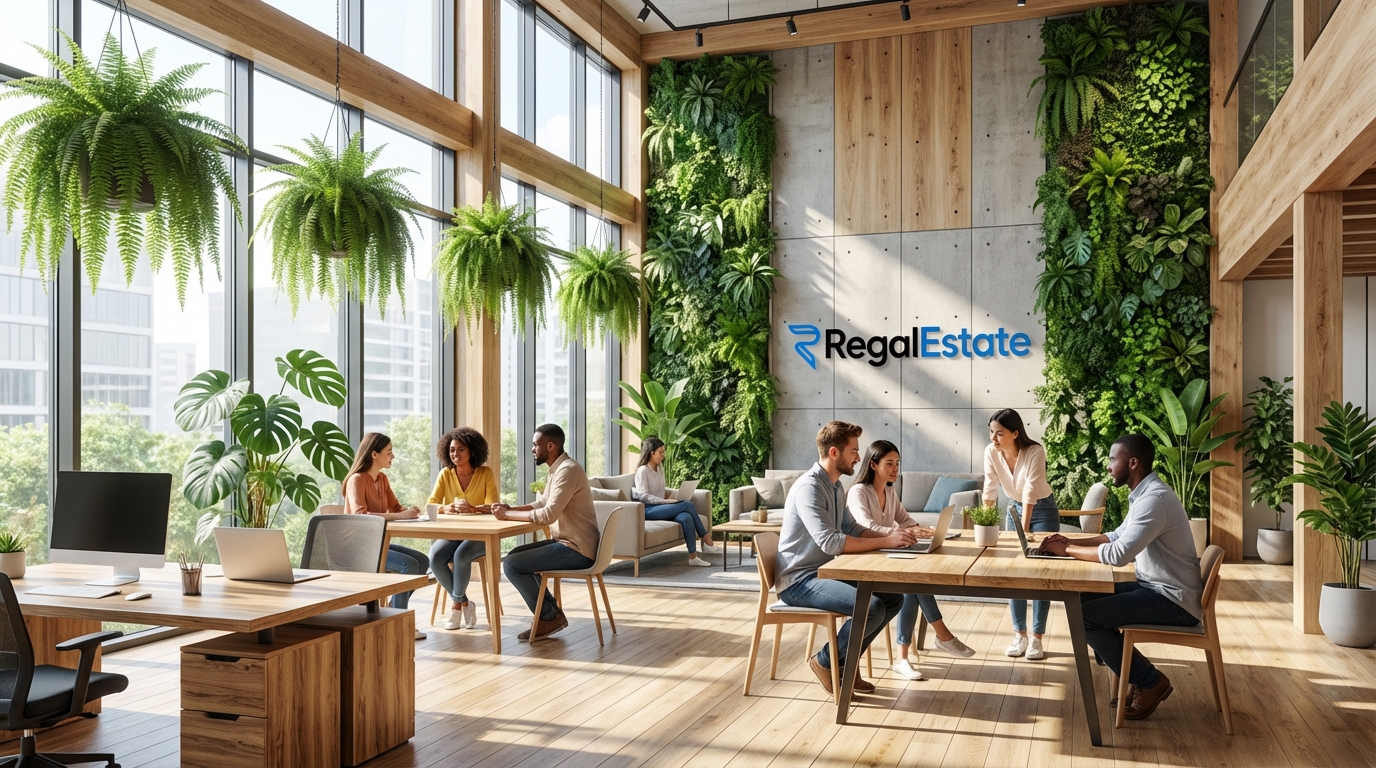
Sustainability has transcended its origins as a corporate social responsibility checkbox to become a core driver of business strategy and workplace innovation. This shift is fueled by both an urgent need to address climate change and a growing demand from employees who want to work for organizations that align with their values. Integrating sustainability is now a critical factor in attracting and retaining top talent. This integration manifests in several ways. The most visible is the move towards ‘green workspaces.’ This involves designing and operating buildings that are energy-efficient, utilize sustainable materials, minimize waste, and promote the health of their occupants with features like enhanced air quality and natural light. However, sustainability in the workplace goes beyond the physical office. The widespread adoption of remote and hybrid work models is itself a powerful sustainability strategy, significantly reducing the collective carbon footprint by cutting down on daily commutes. Furthermore, companies are adopting circular economy principles in their procurement, choosing durable, repairable, and recyclable products and equipment. This holistic approach, where environmental and social responsibility are woven into every aspect of the business, creates a powerful sense of shared purpose and reinforces a positive corporate culture that resonates deeply with the modern workforce.
In conclusion, the future of work is not about a single solution or trend, but about the thoughtful integration of technology, humanity, and purpose. The shift from automation to AI-powered augmentation is creating new roles that place a premium on our most human skills. The physical office is being reimagined as a purpose-driven destination for collaboration, while psychological safety and holistic well-being are now correctly seen as non-negotiable foundations for high performance. Tying this all together is a deep commitment to sustainability, which is becoming a core tenet of corporate identity and a magnet for top talent. These are not isolated initiatives; they are deeply interconnected components of a new, more resilient, and more innovative workplace. The organizations that thrive in the coming decade will be those that move beyond incremental changes and embrace this holistic vision, crafting a human-centric environment where both people and progress can flourish. The challenge is complex, but the opportunity to build a better future of work has never been greater.