In a city where historic brownstones stand as a testament to a rich past, a quiet revolution is reshaping the future. Boston, long a global hub for academia, healthcare, and technology, is now at the epicentre of a profound transformation in how and where we work. The global shift towards flexible work has found fertile ground here, but the city’s approach is anything but generic. It’s a calculated, data-driven, and human-centric movement that blends cutting-edge technology with a deep-seated focus on employee well-being. This isn’t just about offering remote work options; it’s about fundamentally re-engineering the purpose of the physical workspace. As companies grapple with attracting and retaining top talent in a competitive market, they are discovering that the office itself can be a powerful tool for innovation, collaboration, and cultural cohesion. This post will explore the key pillars of Boston’s unique model for workplace innovation, from the strategic reimagining of real estate to the integration of AI and a foundational commitment to a healthier, more engaged workforce.
The strategic evolution of the hybrid hub
The transition to hybrid work in Boston is evolving from a reactive policy to a strategic operating model. Companies are moving beyond simply dictating which days employees should be in the office and are instead focusing on purpose-driven attendance. The office is being recast as a ‘hub’ for specific activities that thrive on in-person interaction: collaborative sprints, complex problem-solving sessions, mentorship opportunities, and cultural celebrations. This intentional approach requires a new layer of management and technology to ensure equity and effectiveness between remote and in-office staff. The goal is to create a seamless experience where technology bridges physical distances, making collaboration feel effortless regardless of location. This involves investing in sophisticated video conferencing tools that create a sense of presence, digital whiteboarding platforms that allow for real-time brainstorming, and project management systems that provide clarity and transparency for all team members. Furthermore, leaders are being trained to manage distributed teams, focusing on outcomes rather than hours logged and fostering trust through clear communication and consistent feedback loops. The most innovative firms are using this shift as an opportunity to completely rethink workflow, questioning old assumptions about how tasks are assigned, tracked, and completed, ultimately building a more agile and resilient operational core.
The flight to quality in commercial real estate
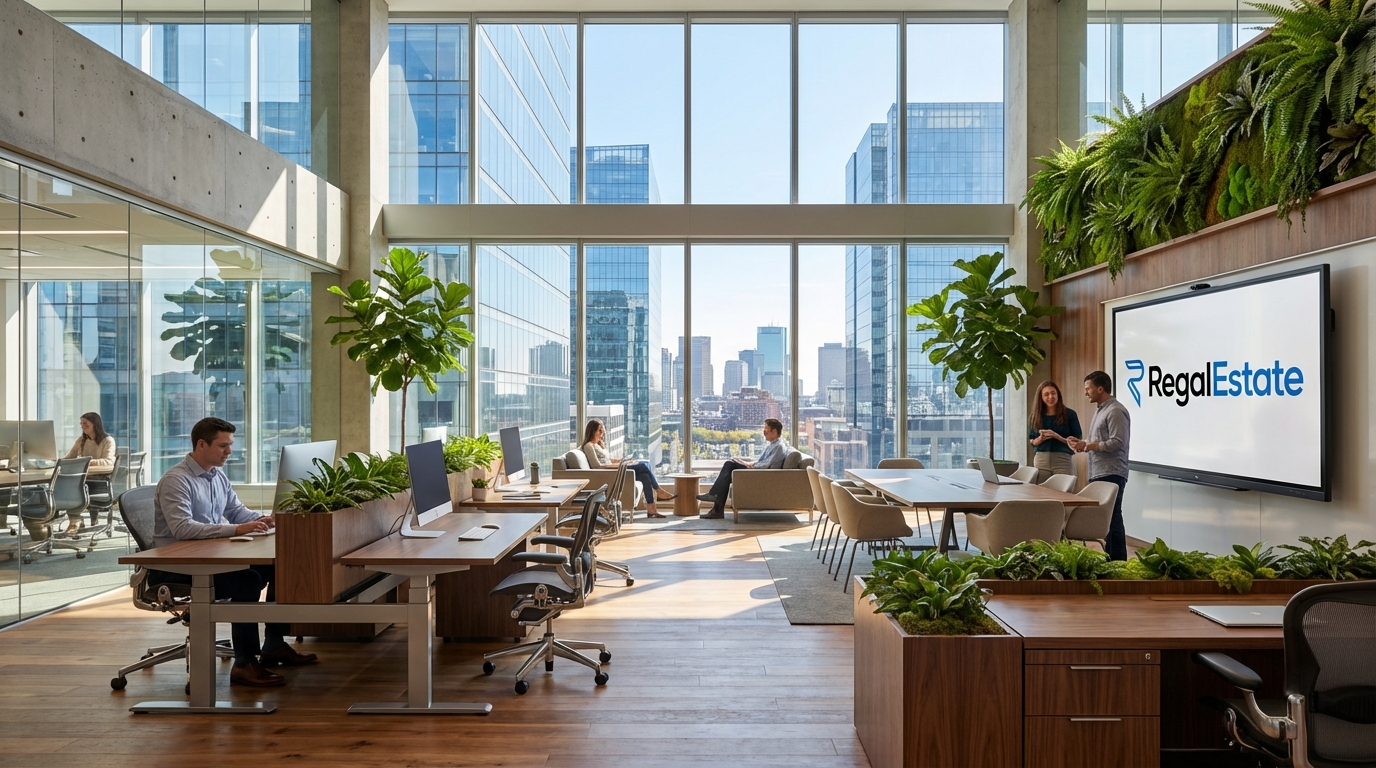
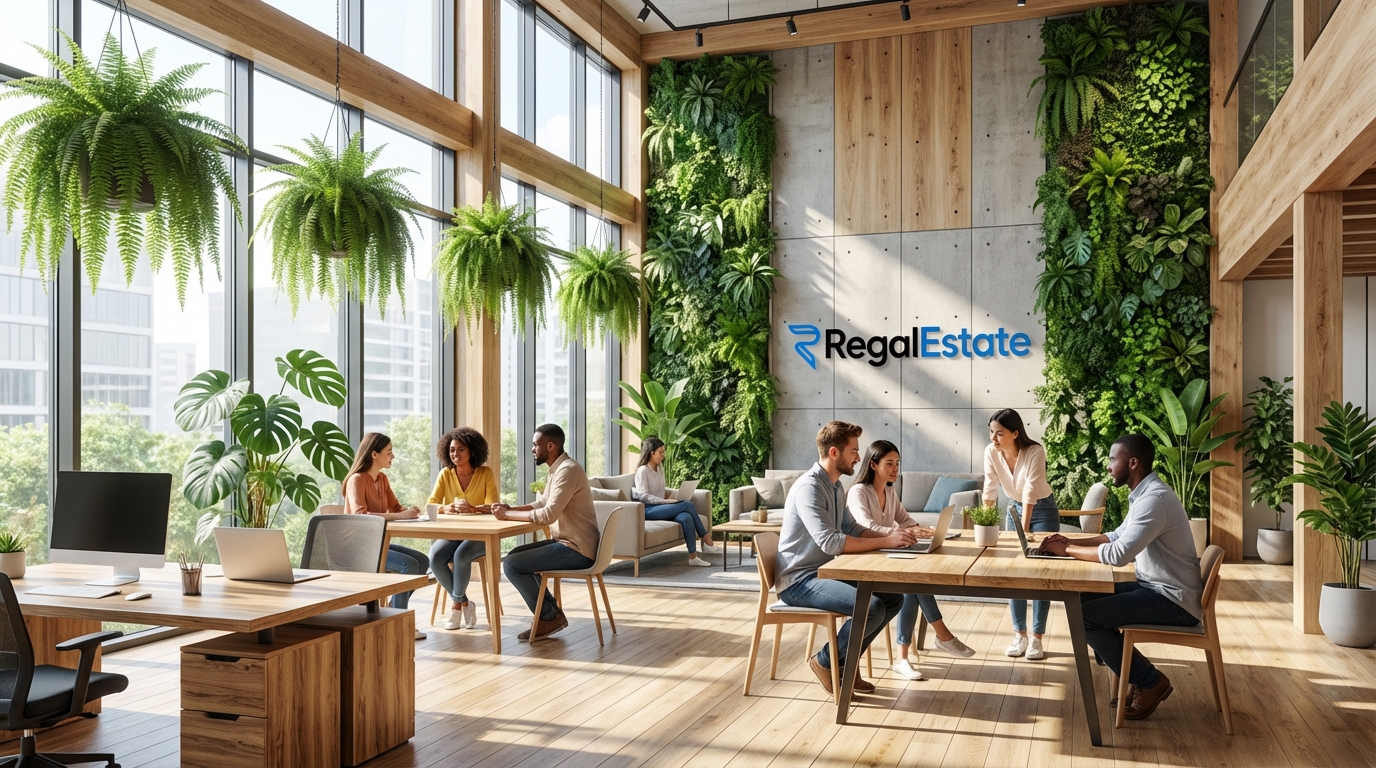
The new emphasis on the office as a collaborative destination is fueling a significant ‘flight to quality’ in the commercial real estate market. Businesses are recognizing that if they are going to ask employees to commute, the destination must be compelling. This means a move away from traditional, dense cubicle farms and towards dynamic, amenity-rich environments. Landlords and developers in Boston are responding by creating buildings that are more than just places to work; they are holistic experiences. These spaces often feature state-of-the-art fitness centers, expansive outdoor terraces, high-quality food and beverage options, and dedicated wellness rooms. The interior design is also undergoing a revolution, with a focus on creating a variety of ‘zones’ that cater to different work styles. This includes quiet libraries for focused tasks, open lounge areas that mimic the feel of a coffee shop for informal meetings, and high-tech conference rooms designed for seamless hybrid collaboration. Biophilic design, which incorporates natural elements like wood, stone, and abundant plant life, is becoming a standard feature, proven to reduce stress and enhance creativity. This investment in the physical environment is a direct investment in people, signaling that the company values their comfort, health, and overall experience, which is becoming a critical differentiator in the war for talent.
Technology as the central nervous system
Underpinning Boston’s workplace innovation is a robust technological infrastructure that acts as the central nervous system for the modern hybrid organization. This goes far beyond basic communication tools. Companies are leveraging a sophisticated stack of technologies to optimize both the employee experience and operational efficiency. Artificial intelligence (AI) and machine learning are being deployed to analyze workspace utilization data, helping facilities managers understand how and when spaces are being used. This allows for dynamic adjustments to the office layout, ensuring that the physical environment evolves with the team’s needs. Smart office platforms enable employees to seamlessly book desks, reserve meeting rooms, and even order lunch through a single mobile app, removing friction from the in-office experience. On the collaboration front, the integration of AI into meeting platforms is providing real-time transcription, translation, and even sentiment analysis, making hybrid meetings more inclusive and effective. Moreover, automation is being used to handle repetitive administrative tasks, freeing up employees to focus on higher-value, more creative work. This deep integration of technology is not about surveillance; it’s about creating a responsive, intelligent, and human-centric environment that empowers employees to do their best work, wherever they may be.
The biotech blueprint for collaborative design
The influence of the life sciences and biotech sectors on workplace design extends far beyond their own labs. These industries have long understood that specific types of innovation require specific environmental conditions. The design of a modern biotech lab, with its mix of private research stations, shared equipment areas, and informal collision spaces, provides a powerful blueprint for other industries. The core concept is creating a journey between deep, focused work and spontaneous, cross-functional collaboration. This philosophy is now being applied to corporate offices across Boston, where the floor plan is intentionally designed to encourage movement and interaction. Workstations might be located in a quiet zone, but the path to the coffee machine or a conference room is strategically routed through a comfortable lounge area or past a bank of whiteboards. This architectural nudging increases the probability of unplanned encounters and conversations—the very sparks that often lead to breakthrough ideas. This model challenges the old binary of open-plan versus private offices, offering instead a diverse ecosystem of spaces that employees can choose from based on the task at hand. It acknowledges that a single day can involve a wide spectrum of work activities, and the physical environment should be fluid enough to support them all.
Fostering a foundational culture of wellness
Perhaps the most profound shift in workplace innovation is the elevation of employee well-being from a fringe benefit to a core business strategy. Leading companies now understand that a burnt-out, stressed workforce cannot be an innovative one. This has led to a holistic approach to wellness that addresses physical, mental, and emotional health. On the physical front, this manifests as ergonomic furniture, sit-stand desks, and access to healthy food options. However, the bigger focus is on mental and emotional well-being. This includes providing confidential access to mental health professionals, offering subscriptions to mindfulness and meditation apps, and training managers to spot signs of burnout and lead with empathy. The concept of ‘psychological safety’—creating an environment where employees feel safe to speak up, ask questions, and take calculated risks without fear of punishment or humiliation—is central to this effort. When employees feel secure, they are more likely to share nascent ideas, challenge the status quo, and collaborate authentically with their colleagues. This cultural foundation is the invisible architecture of an innovative workplace. Without it, even the most beautifully designed office or the most advanced technology will fail to unlock a team’s full creative potential.
Building the innovation-ready workforce
Beyond physical space and technology, the future of work is being defined by a commitment to continuous learning and adaptability. The skills required to succeed today may be obsolete tomorrow, and innovative companies are building a workforce that is prepared for this reality. This means creating a culture that champions curiosity and invests heavily in professional development. Rather than relying solely on external training, businesses are fostering internal ecosystems of learning. This includes peer-to-peer mentorship programs, internal ‘gigs’ that allow employees to work on projects outside their core department, and dedicated time for self-directed learning. By providing access to online courses, industry conferences, and internal workshops, companies empower their employees to take ownership of their career growth. This not only equips the workforce with the latest skills but also sends a powerful message that the company is invested in their long-term success. An innovation-ready workforce is not just about technical proficiency; it’s about cultivating soft skills like critical thinking, creative problem-solving, and emotional intelligence. These are the durable skills that allow teams to navigate complexity and ambiguity, turning challenges into opportunities and ensuring the organization remains agile and competitive in an ever-changing landscape.
Conclusion: A new benchmark for the future of work
The evolution of the workplace is one of the defining business narratives of our time, and the trends taking shape here are setting a new global benchmark. It’s a comprehensive ecosystem where physical space, digital infrastructure, and human-centric culture are inextricably linked. The focus has shifted from where work gets done to how it can be done best, creating environments that are not just efficient, but also inspiring, healthy, and inclusive. By treating the workplace as a strategic asset for talent attraction, innovation, and cultural reinforcement, companies are building a significant competitive advantage. The city’s unique blend of legacy and innovation provides the perfect canvas for this experiment, proving that the most forward-thinking office designs are those that prioritize human connection and well-being. The lessons being learned within the corporate and biotech corridors of Boston will undoubtedly influence the blueprint for the future of work in cities around the world, demonstrating that the most valuable innovations are those that empower people to thrive.