Denmark’s capital has long been a global benchmark for design, sustainability, and quality of life. It’s no surprise, then, that it’s now at the epicenter of one of the most critical conversations of our time: the future of work. As companies worldwide grapple with the shift to hybrid models, the city is pioneering a new philosophy of workplace innovation. This isn’t just about offering remote work options; it’s a fundamental reimagining of the office’s purpose. The emerging model is one that prioritizes human well-being, leverages smart technology, and embeds sustainability into its very core. This approach moves beyond simply providing a space to work and instead creates an environment that attracts, engages, and inspires. This blueprint explores the key pillars of this transformation, offering a strategic guide to creating workspaces that are not just functional, but truly dynamic and human-centric destinations for the modern workforce.
The office as a destination: curating the employee experience
In the new era of work, the office’s primary role has shifted from a place of mandatory attendance to a hub for intentional connection and collaboration. The most forward-thinking companies understand that to entice employees away from the comfort of their home offices, the workplace must offer a superior experience. This has given rise to the concept of the ‘curated office,’ a space designed less like a corporate facility and more like a destination. This trend involves creating multi-dimensional hubs that blend work with social, wellness, and cultural elements. Imagine spaces that feature not just desks and meeting rooms, but also boutique fitness centers, quiet libraries for deep work, rooftop gardens for social gatherings, and pop-up cafes. The goal is to create an ecosystem of experiences that supports the whole employee. It’s a strategic investment in culture, making the office a tangible asset for attracting and retaining top talent. This model acknowledges that the value of a physical workspace is no longer measured in square footage alone, but in its ability to foster a sense of community, spark creativity, and reinforce a company’s unique identity and values in a way that remote environments cannot.
Human-centric design: embedding well-being into workplace DNA
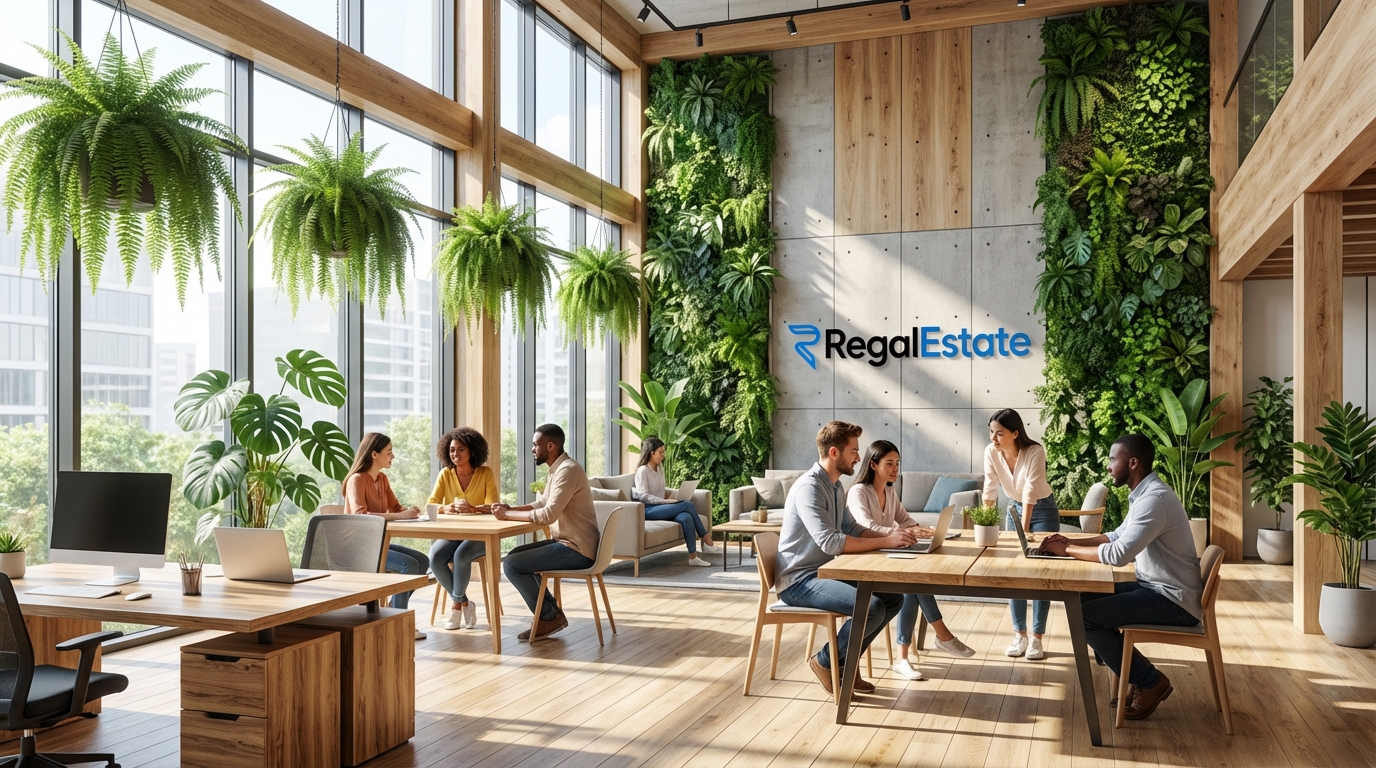
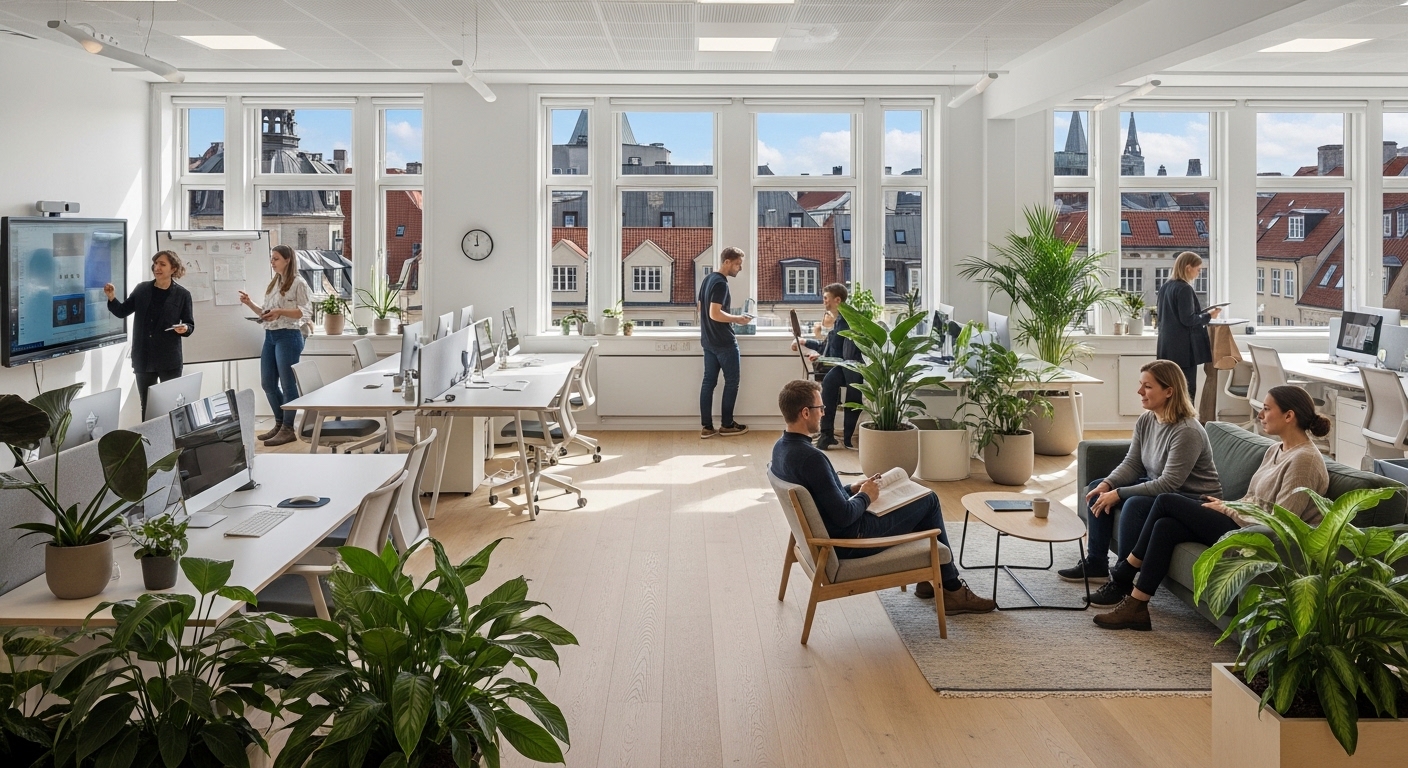
At the heart of Danish design philosophy is a deep respect for the human experience, and this principle is the cornerstone of its approach to workplace innovation. The concept of ‘hygge’—a sense of coziness, contentment, and well-being—is now being intentionally engineered into corporate environments. This human-centric approach goes far beyond ergonomic chairs and standing desks. It involves creating spaces that cater to neurodiversity, offering a variety of work settings for different tasks and personalities, from bustling collaborative zones to quiet, library-like areas for focused concentration. Natural light is maximized, biophilic design elements like indoor plants and natural materials are integrated to reduce stress, and acoustics are carefully managed to create a calm and productive atmosphere. In Copenhagen, this focus on well-being is not a perk but a core business strategy, leading to higher employee engagement, lower burnout rates, and sustained productivity. It reflects a profound understanding that a healthy, happy, and psychologically safe workforce is the most innovative and resilient one.
Smart and sustainable: leveraging technology for a better workspace
Innovation in the workplace is intrinsically linked to the thoughtful integration of technology. The goal is not tech for tech’s sake, but to create a seamless, personalized, and efficient environment that empowers employees. This is where the ‘smart office’ comes into its own. We’re seeing the deployment of AI-driven systems that personalize the workspace in real-time; imagine lighting and temperature adjusting automatically to your preferences as you move through the building. On-demand space reservation via a simple app allows employees to book a desk, a meeting room, or a private booth tailored to their specific needs for the day. This hyper-personalization gives employees greater autonomy and control over their work environment. Simultaneously, sustainability remains a non-negotiable aspect of workplace design in the region. This includes everything from using recycled and locally sourced building materials to implementing advanced energy-saving systems and promoting green commuting options. The smart and sustainable office is a powerful statement about a company’s values, demonstrating a commitment to both its people and the planet.
The new leadership paradigm: managing for autonomy and trust
The shift to a hybrid, innovation-focused workplace requires a corresponding evolution in leadership. The old command-and-control model is obsolete in an environment where employees are given greater autonomy over where and when they work. The new leadership paradigm is built on a foundation of trust, communication, and a focus on outcomes rather than hours logged. Managers must become coaches and facilitators, skilled in leading dispersed teams and fostering a sense of inclusion and belonging among both remote and in-office employees. This involves upgrading a critical set of skills: clear and consistent communication, the ability to set unambiguous goals and expectations, and the emotional intelligence to safeguard the mental and physical health of their teams. Companies are investing in training their line managers to lead with empathy, to check in on their team members’ well-being, and to champion a culture where flexibility and performance go hand in hand. This trust-based model empowers employees, giving them the freedom and accountability to do their best work, regardless of their location.
Fostering collaboration in a hybrid world
If the purpose of the office is no longer to house rows of individual workers, its most crucial function becomes fostering collaboration and innovation. The physical workspace is the stage for the kind of spontaneous interactions and creative friction that are difficult to replicate through scheduled video calls. Workplaces are being radically redesigned to support this. Instead of individual desks dominating the floor plan, there is a greater emphasis on dynamic, configurable project spaces, comfortable social lounges, and high-tech meeting rooms designed for seamless collaboration between in-person and remote participants. The office in Copenhagen is being architected as a ‘social condenser,’ a place that deliberately brings people together to build relationships, share knowledge, and co-create. These collaborative hubs are equipped with digital whiteboards, robust video conferencing tools, and flexible furniture that can be easily rearranged for workshops, brainstorming sessions, or informal team huddles. The focus is on creating an energetic and inspiring environment that makes the commute worthwhile for moments of genuine teamwork.
Beyond the office walls: work-life integration in the Danish model
True workplace innovation extends beyond the physical confines of the office. It is deeply intertwined with a cultural commitment to work-life balance, or more accurately, work-life integration. The Danish model has long prioritized reasonable working hours, generous family leave policies, and a societal understanding that life outside of work is essential for well-being and productivity. This cultural foundation is a critical enabler of the new hybrid work model. It provides the psychological safety for employees to disconnect and recharge, which is vital for preventing the ‘always-on’ culture that can lead to burnout in remote settings. Companies in Copenhagen support this through policies that encourage asynchronous work, respect personal time, and focus on overall employee wellness. This holistic view recognizes that a person’s ability to innovate and contribute at work is directly influenced by their ability to lead a fulfilling life outside of it. This societal support system is perhaps the most significant, and hardest to replicate, component of its successful workplace model.
In conclusion, the evolution of the workplace is about much more than adapting to post-pandemic realities; it’s about building a better, more effective, and more human way of working for the long term. The blueprint emerging from Denmark’s capital offers a compelling vision for this future. By focusing on the office as a curated destination, embedding human-centric design and well-being into its DNA, leveraging smart and sustainable technology, and fostering a culture of trust and autonomy, this model provides a comprehensive framework for success. It transforms the workplace from a mere utility into a strategic asset that can drive culture, collaboration, and innovation. For business leaders looking to navigate the complexities of the modern work landscape, this approach offers a clear and inspiring path forward, demonstrating that the most innovative workplaces are, and always will be, the ones that put their people first.