In a city celebrated for its design-forward thinking and a deep-seated culture of ‘arbejdsglæde’ (happiness at work), the approach to corporate culture is anything but ordinary. Workplace innovation isn’t just a buzzword here; it’s woven into the fabric of daily operations. For leaders and teams looking to sharpen their competitive edge, the key might not be in another boardroom meeting, but in shared, meaningful experiences. This is where strategic team bonding comes into play. Moving beyond trust falls and generic corporate retreats, the modern workplace demands activities that genuinely foster connection, spark creativity, and build resilient, collaborative teams. This guide explores fun team bonding ideas specifically tailored to the unique spirit of this vibrant city, demonstrating how shared activities can become a powerful catalyst for innovation and synergy. From hands-on creative workshops to strategic outdoor challenges, we’ll show you how to leverage the city’s unique environment to build a more connected and inventive team.
Unleashing collective creativity: artistic workshops
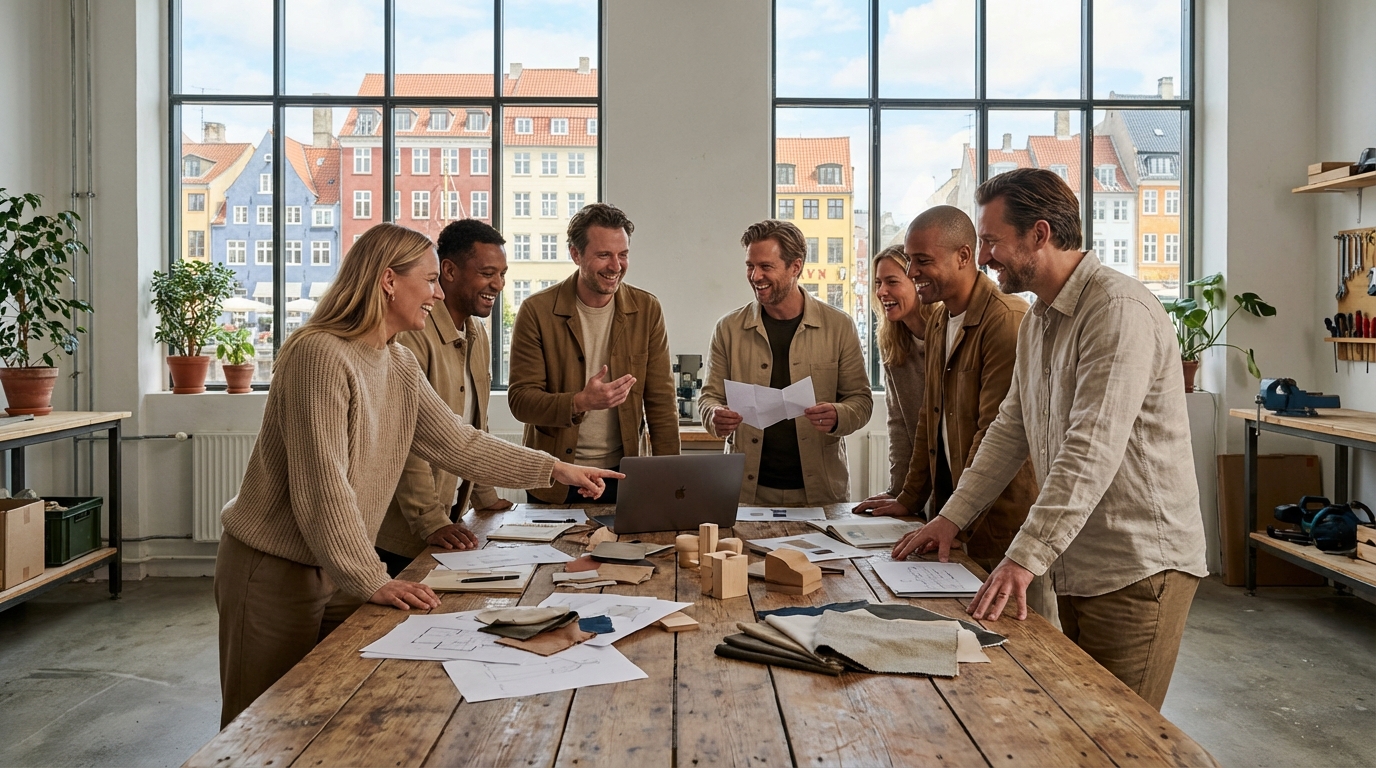
The Danish design philosophy emphasizes simplicity, functionality, and craftsmanship. Tapping into this local ethos through artistic workshops offers a powerful way to break down corporate silos and foster a different kind of collaborative thinking. Imagine your team, away from the pressures of deadlines and KPIs, gathered in a bright, minimalist studio for a pottery or ceramics class. Here, the focus shifts from analytical left-brain thinking to intuitive, creative right-brain exploration. The shared vulnerability of trying something new, the hands-on process of creating something tangible, and the non-linear problem-solving required can unlock surprising insights into team dynamics. These workshops are not about producing masterpieces; they are about the process. They encourage non-verbal communication, mutual support, and a shared sense of accomplishment. When a senior manager and a junior analyst are both beginners at the potter’s wheel, hierarchical structures dissolve, paving the way for more authentic relationships back in the office. This shared creative struggle builds a unique form of camaraderie that can translate into more open and innovative brainstorming sessions.
The culinary connection: gastronomic team challenges
Food is a universal language, and the New Nordic cuisine movement has placed Copenhagen at the epicenter of the gastronomic world. A culinary team bonding event is a sensory and highly collaborative experience that energizes and unites. Consider a hands-on cooking class where teams are divided into groups to create a multi-course meal using fresh, local ingredients from a place like Torvehallerne market. This environment mimics the workplace in surprising ways: it requires clear communication, precise division of labor, time management, and the ability to adapt when things don’t go as planned. Yet, it does so in a context that is inherently enjoyable and rewarding. The act of preparing and then sharing a meal together is a deeply ingrained human ritual that builds community. It’s a fantastic leveler, where team members can discover hidden talents in their colleagues and connect on a personal level. The satisfaction of creating a delicious meal together provides a powerful and immediate sense of shared achievement, reinforcing the team’s ability to collaborate effectively towards a common, tangible goal. It’s an exercise in project management, creativity, and execution, all disguised as a delicious dinner.
Gamified problem-solving: escape rooms and city hunts
For teams that thrive on logic, strategy, and a bit of friendly competition, gamified challenges like escape rooms and city-wide mystery hunts offer a thrilling alternative to traditional team building. These activities are essentially interactive innovation labs. An escape room, for instance, locks a team in a themed space and presents them with a single, clear objective: get out within the hour. To succeed, they must pool their collective intelligence, delegate tasks based on individual strengths, and communicate under pressure. It’s a fast-paced, high-stakes simulation of a complex project. Who emerges as a natural leader? Who is the meticulous observer finding overlooked clues? Who keeps the team calm and focused? These dynamics reveal themselves organically, providing valuable insights for both the team and its leadership. Similarly, a tech-driven city hunt that sends teams navigating the historic streets to solve riddles and complete challenges encourages strategic planning, resource management, and agile decision-making. These games are not just fun; they are powerful diagnostic tools that highlight a team’s problem-solving style and capacity for collaborative innovation in a dynamic, real-world environment.
Embracing the outdoors: leveraging the city’s green and blue spaces
The Danish commitment to work-life balance and well-being is intrinsically linked to an appreciation for the outdoors. Leveraging the city’s abundant green parks and clean waterways can provide a refreshing and inspiring backdrop for team bonding. A guided kayak tour through the canals offers a unique perspective of Copenhagen and requires synchronized effort and communication. Alternatively, a team-based ‘amazing race’ style challenge on bicycles through parks like Frederiksberg Have encourages navigation, teamwork, and strategic thinking in a healthy, active setting. These activities do more than just provide a break from the office; they physically change the team’s environment and mental state. Exposure to nature has been proven to reduce stress and improve cognitive function, creating a relaxed and open mindset more conducive to creative thought and genuine connection. An outdoor challenge can reset team energy levels, break monotonous routines, and associate the feeling of well-being and adventure with the team itself, fostering a more positive and resilient company culture. It’s a way to invest in both team cohesion and employee wellness simultaneously.
Strategic thinking and skill development: innovation-focused workshops
While fun is a critical component, team bonding can also be directly tied to professional development and strategic business goals. Facilitated workshops focused on methodologies like Design Thinking or Agile frameworks can serve as a powerful team-building exercise. Unlike a standard training session, these workshops are highly interactive and task-oriented, requiring the entire team to collaborate on solving a complex, hypothetical (or even a real) business problem. Guided by an expert facilitator, the team learns and applies a new toolkit for innovation together. They practice empathy mapping to understand a user’s needs, engage in rapid-fire brainstorming, develop and critique prototypes, and formulate a final presentation. This process not only equips the team with valuable new skills but also strengthens their collaborative muscles. They learn a shared language for innovation and develop a deeper appreciation for each other’s intellectual contributions. It’s a sophisticated form of team bonding that aligns personal growth with organizational objectives, creating a unified sense of purpose and a clear path to implementing a more innovative culture back at the office.
The power of play: incorporating danish ‘hygge’ into team bonding
Perhaps one of the most unique and impactful team bonding concepts one can adopt from Danish culture is ‘hygge’. Often translated as ‘coziness’, hygge is more about creating a warm, comfortable atmosphere and enjoying the good things in life with good people. Integrating hygge into a team context is about fostering psychological safety and genuine connection through informal, relaxed settings. This could be as simple as transforming a weekly meeting into a session at a local board game cafe or dedicating a Friday afternoon to a shared ‘kage’ (cake) and coffee break with no work talk allowed. Another option is a group visit to an iconic location like Tivoli Gardens, not for structured activities, but simply to enjoy the atmosphere together. These low-pressure events allow for the spontaneous, informal conversations that build the bedrock of strong working relationships. In a world of remote work and digital communication, creating intentional moments of hygge within a team can be revolutionary. It fosters a sense of belonging and mutual respect that is essential for the kind of trust required for true workplace innovation. It acknowledges that a strong team in Copenhagen isn’t just productive; it’s also a community.
Ultimately, fostering workplace innovation is about nurturing the human connections that drive it. The most effective team bonding ideas are not one-off events but part of a continuous strategy to build a culture of trust, collaboration, and psychological safety. From the creative chaos of a pottery studio to the shared calm of a hygge-inspired coffee break, these activities build a reservoir of shared experiences and mutual respect. By investing in how your team connects, you are directly investing in their collective ability to create, problem-solve, and innovate. Forging a truly collaborative and forward-thinking team requires moving beyond the conventional, and embracing the fun, strategic, and deeply human experiences that strengthen bonds and spark new ideas.