The modern office is undergoing its most significant transformation in a generation. Driven by the dual forces of hybrid work models and rapid technological advancement, the concept of the workplace has evolved from a static location to a dynamic, responsive environment. At the heart of this change is smart office technology, a sophisticated ecosystem of interconnected devices and AI-driven platforms designed to enhance efficiency, foster collaboration, and prioritize employee well-being. Recent trends show a clear shift towards creating more human-centric, sustainable, and data-informed workspaces. This article explores the core components of the intelligent workplace, from the Internet of Things (IoT) sensors that manage our environment to the AI that helps us use our space more effectively. We will delve into the tangible benefits, navigate the potential challenges of implementation, and look ahead to what the future holds for the truly connected office.
The role of IoT in creating responsive environments
The Internet of Things (IoT) is the foundational layer of any smart office, creating a neural network of sensors and devices that collect and exchange data in real-time. This constant flow of information allows the office environment to become responsive and adaptive to the needs of its occupants. Smart lighting systems, for example, use occupancy sensors to illuminate areas only when they are in use, drastically reducing energy consumption. These systems can also adjust brightness and color temperature throughout the day to align with human circadian rhythms, which has been shown to improve focus and reduce eye strain. Similarly, intelligent climate control systems move beyond simple thermostats. They use a distributed network of sensors to monitor temperature, humidity, and even air quality (detecting CO2 levels and volatile organic compounds) in different zones. This allows for granular control, ensuring optimal comfort for employees while preventing the energy waste associated with heating or cooling empty rooms. By automating these environmental factors, IoT not only creates a more comfortable and healthier workplace but also delivers significant operational cost savings and contributes to corporate sustainability goals. The data gathered provides facilities managers with a clear picture of building performance, enabling predictive maintenance and further optimization.
AI-powered analytics for optimizing space utilization
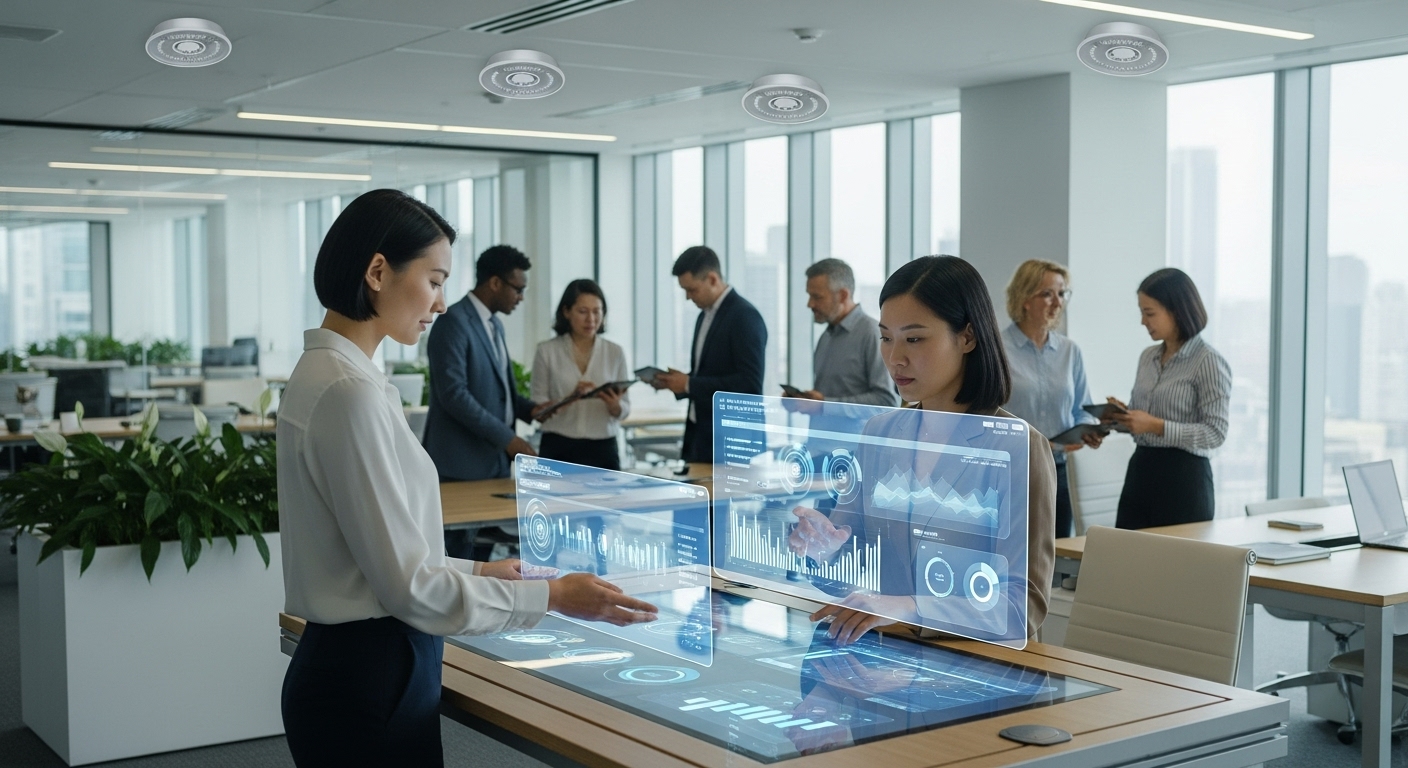
While IoT provides the data, Artificial Intelligence (AI) and machine learning provide the insights. In the era of hybrid work, understanding how physical office space is actually used is more critical than ever. AI-powered analytics platforms process data from occupancy sensors, desk booking systems, and even Wi-Fi networks to create a detailed, dynamic picture of workspace utilization. This intelligence allows organizations to move beyond static floor plans and make data-driven decisions about their real estate footprint. For instance, analytics might reveal that large conference rooms are consistently underutilized while small, informal collaboration pods are in high demand. Armed with this knowledge, a company can reconfigure its layout to better match employee behavior, potentially reducing its overall square footage and associated costs. AI can also predict future needs, helping to manage office density on peak days and ensuring resources are available when required. This predictive capability is key to eliminating friction in a flexible work model. By understanding traffic patterns, AI can even suggest the best times for team gatherings or quiet, focused work, transforming the office from a simple container for work into an active participant in its optimization.
Enhancing collaboration for a hybrid workforce
Smart office technology is crucial for bridging the gap between in-office and remote employees, ensuring a seamless and equitable collaboration experience for all. The modern smart meeting room is a prime example. It goes far beyond a simple webcam and screen, incorporating intelligent cameras that can automatically frame the active speaker, high-fidelity microphone arrays that capture clear audio from anywhere in the room, and interactive digital whiteboards that allow real-time co-creation from any location. Cloud-based software platforms integrate these hardware components with scheduling and communication tools. An employee can book a room from their phone, which automatically syncs with their calendar and pre-loads the relevant video conference link onto the room’s display. Some advanced systems even use facial recognition to start meetings automatically when attendees arrive. This level of automation removes the technological friction that often disrupts the flow of hybrid meetings. Furthermore, smart collaboration tools ensure that remote participants are not just passive observers but active contributors, fostering a more inclusive and effective team dynamic, which is essential for innovation in the future of work.
Smart security and access for a seamless workday
The traditional key card is quickly becoming a relic of the past, replaced by more sophisticated and seamless smart security solutions. Modern access control systems leverage mobile credentials, allowing employees to use their smartphones or wearables for entry, eliminating the need for physical badges that can be lost or stolen. This approach can be integrated with visitor management systems, where temporary digital passes can be sent directly to a guest’s phone, streamlining the check-in process. Biometric systems, such as facial recognition or fingerprint scanners, offer an even higher level of security where needed. Beyond just opening doors, these smart systems create a log of who is in the building and when, which is invaluable for security and safety protocols. This data can be integrated with other smart office functions; for example, an employee’s access credential could automatically log them into their reserved hot desk and adjust the environmental settings to their pre-set preferences. In an emergency, these systems can provide first responders with an accurate real-time headcount. This evolution in security technology is about creating a workday that is not only safer but also more convenient and personalized from the moment an employee arrives.
Prioritizing wellness with human-centric technology
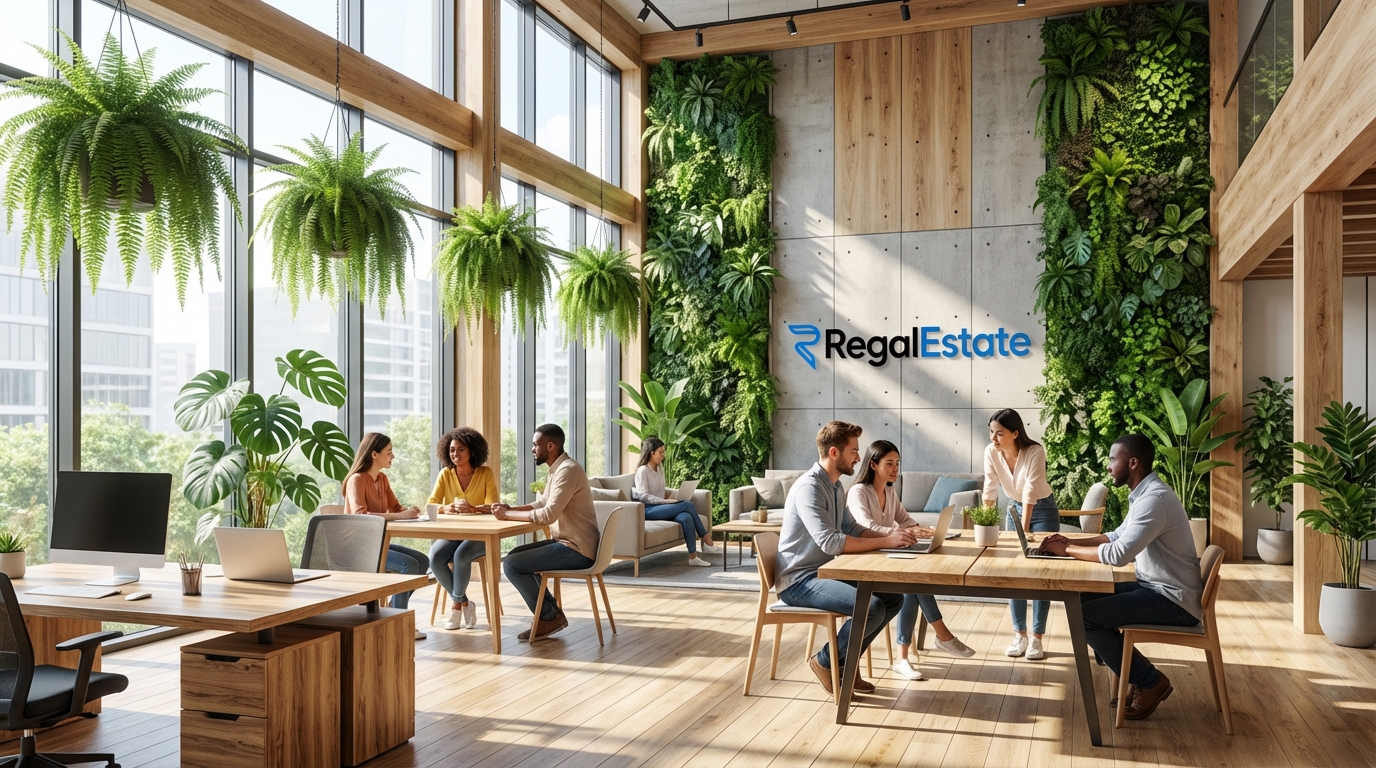
A significant trend in smart office design is the focus on employee well-being, using technology to create healthier and more supportive work environments. This human-centric approach recognizes that productivity is directly linked to physical and mental health. Smart environmental controls are a key component, with sensors continuously monitoring indoor air quality, including levels of CO2, humidity, and airborne particulates. If quality drops, the HVAC system can automatically increase ventilation. Smart lighting that mimics natural daylight patterns helps regulate employees’ circadian rhythms, improving sleep quality and daytime alertness. Even the furniture is becoming intelligent. Ergonomic smart chairs can detect poor posture and send subtle vibrational alerts to the user, while smart desks can be programmed to remind employees to stand at regular intervals. Integrating biophilic design principles with technology, such as automated watering for indoor plants or digital displays showing nature scenes, can also reduce stress. By actively monitoring and improving the physical environment, these technologies demonstrate a company’s commitment to its employees’ health, which is a powerful tool for attracting and retaining top talent in a competitive market.
Navigating the challenges of implementation and data privacy
Despite the clear benefits, the transition to a smart office is not without its challenges. The initial investment in hardware, software, and infrastructure can be substantial, requiring a clear cost-benefit analysis to secure executive buy-in. Integrating technologies from multiple vendors can also create complex interoperability issues, making it essential to choose platforms that are built on open standards. However, perhaps the most critical challenge is data security and privacy. A smart office generates vast amounts of data about the building and its occupants, which, if not properly secured, could be vulnerable to cyberattacks. Organizations must implement robust security protocols to protect this sensitive information. Furthermore, there is a crucial ethical consideration regarding employee privacy. It is vital to be transparent with employees about what data is being collected and how it is being used.
The potential for increased employee surveillance also presents ethical questions that organizations must address with clear policies.
The focus should always be on using data to improve the collective workspace experience and operational efficiency, not on monitoring individual employee behavior. Building trust through clear communication and strong data governance policies is fundamental to the successful adoption of any smart office strategy.
The future outlook: predictive buildings and hyper-personalization
Looking ahead, the evolution of the smart office is set to accelerate, driven by advancements in AI, edge computing, and emerging technologies like augmented reality (VR). The next generation of smart buildings will be predictive, not just responsive. By analyzing historical data and learning patterns of use, these buildings will anticipate the needs of their occupants before they even arise. For example, the building might predict a surge in meeting room demand on a certain day and proactively suggest alternative collaboration spaces to employees. The concept of hyper-personalization will also become central to the employee experience. An employee might move from a collaboration space to a focus pod, and the lighting, temperature, and even ambient soundscape will adjust automatically to their saved preferences, creating an environment perfectly tailored to the task at hand. Augmented reality could overlay digital information onto the physical world, providing real-time directions or displaying the profiles of colleagues in a meeting. As these technologies mature, they will further blur the lines between the physical and digital realms, creating a truly intelligent, intuitive, and productive workplace that is built entirely around the needs of its people.