The modern office is undergoing a profound transformation. No longer just a physical space for work, it is evolving into a dynamic, responsive ecosystem—a networked nerve center designed to enhance productivity, well-being, and collaboration. This shift is being driven by the widespread adoption of smart technology, moving beyond standalone gadgets to fully integrated systems that manage everything from climate control to resource allocation. In the global race to define the future of work, forward-thinking cities are becoming living laboratories for this evolution. At the forefront of this movement, leading businesses are leveraging a suite of interconnected technologies to create workplaces that are not only intelligent but also deeply human-centric, setting a new global standard for the corporate environment. This evolution is critical in attracting and retaining top talent in an increasingly flexible work landscape.
The rise of the integrated office ecosystem
The foundational shift in smart office technology is the move away from isolated devices toward a single, cohesive ecosystem. The Internet of Things (IoT) is the backbone of this transformation, creating a web of interconnected sensors and devices that collect and share data in real-time. In a truly integrated office, this means that the lighting, HVAC, security systems, and room booking platforms all communicate with one another. For example, when an employee books a meeting room via a mobile app, the system can automatically adjust the room’s temperature and lighting to their preset preferences moments before they arrive. Upon the meeting’s conclusion, sensors detect the room is empty, dim the lights, and adjust the climate control to an energy-saving mode. This level of integration eliminates friction in the workday, creating a seamless and intuitive experience for employees while providing facilities managers with unprecedented control and insight over the building’s operations and energy consumption, leading to significant cost savings and a reduced carbon footprint.
AI as the brains of the building
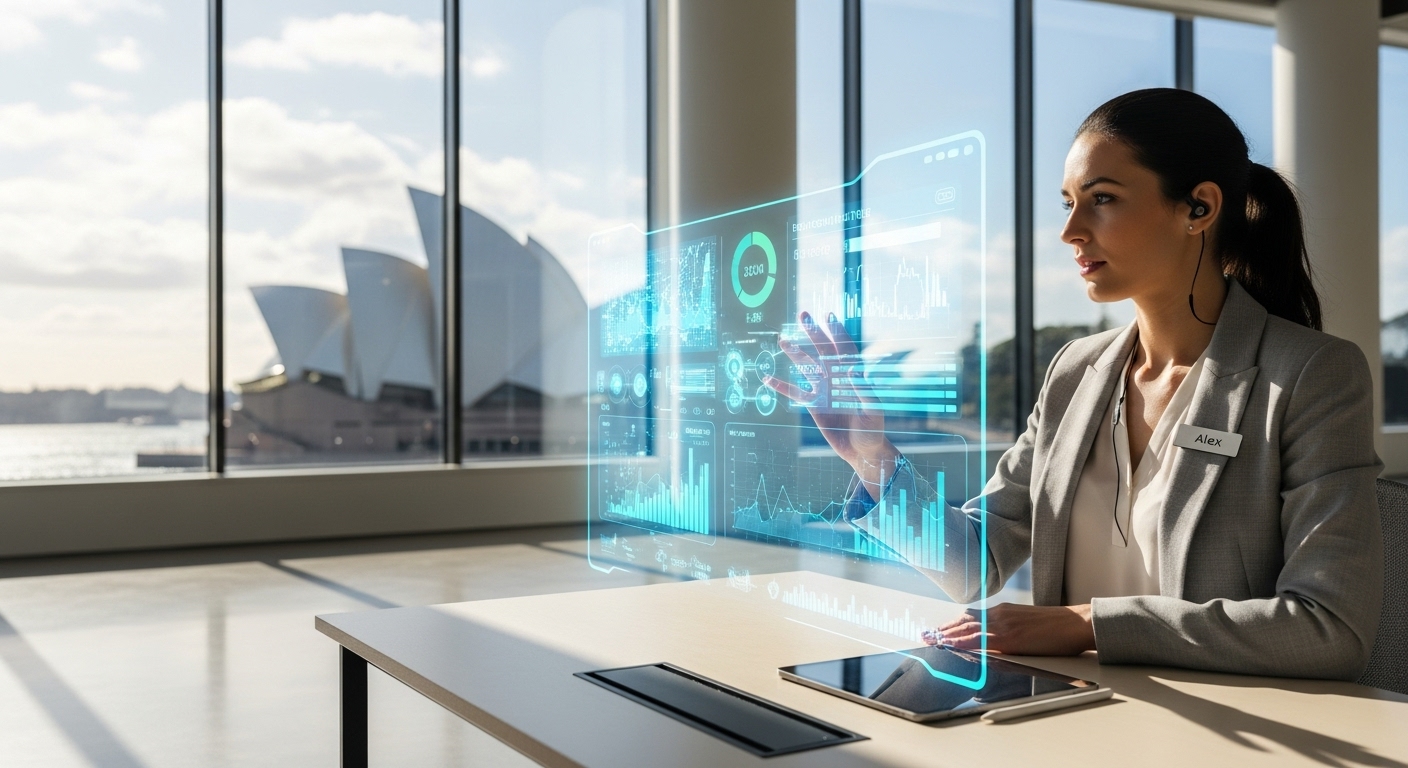
If IoT sensors are the office’s nervous system, then Artificial Intelligence (AI) is its brain. AI and machine learning algorithms process the vast amounts of data collected by IoT devices to identify patterns, predict needs, and make intelligent, autonomous decisions. This predictive capability is a game-changer for operational efficiency. For instance, an AI-powered building management system can analyze historical and real-time occupancy data to forecast energy demand, optimizing HVAC performance to prevent waste without sacrificing comfort. It can predict when equipment, like an elevator or air conditioning unit, is likely to fail, scheduling preventative maintenance before a breakdown occurs and disrupts the workday. AI also plays a crucial role in optimizing space utilization. By understanding which areas of the office are most frequently used and for what purpose, AI-driven analytics can provide businesses with the insights needed to reconfigure their floor plans, ensuring the workspace is perfectly aligned with the evolving needs of its workforce.
Personalizing the employee experience
In the competitive landscape of talent acquisition, the employee experience has become a key differentiator. Smart technology offers powerful tools to create personalized, frictionless, and empowering workplace environments. Mobile applications are central to this, acting as a remote control for the office. Employees can use their smartphones for touchless building entry, to find and book available desks or meeting rooms, and even to order coffee from the building’s cafe. The most advanced systems take personalization further, allowing individuals to customize their immediate environment. Upon arriving at a booked hot desk, the system can automatically adjust the connected monitor to the user’s preferred height and brightness. This focus on individual well-being and convenience is a core principle for innovative companies in Sydney, where creating a superior workplace experience is seen as essential to fostering creativity and retaining top performers in a dynamic, global talent market.
Data-driven design and space optimization
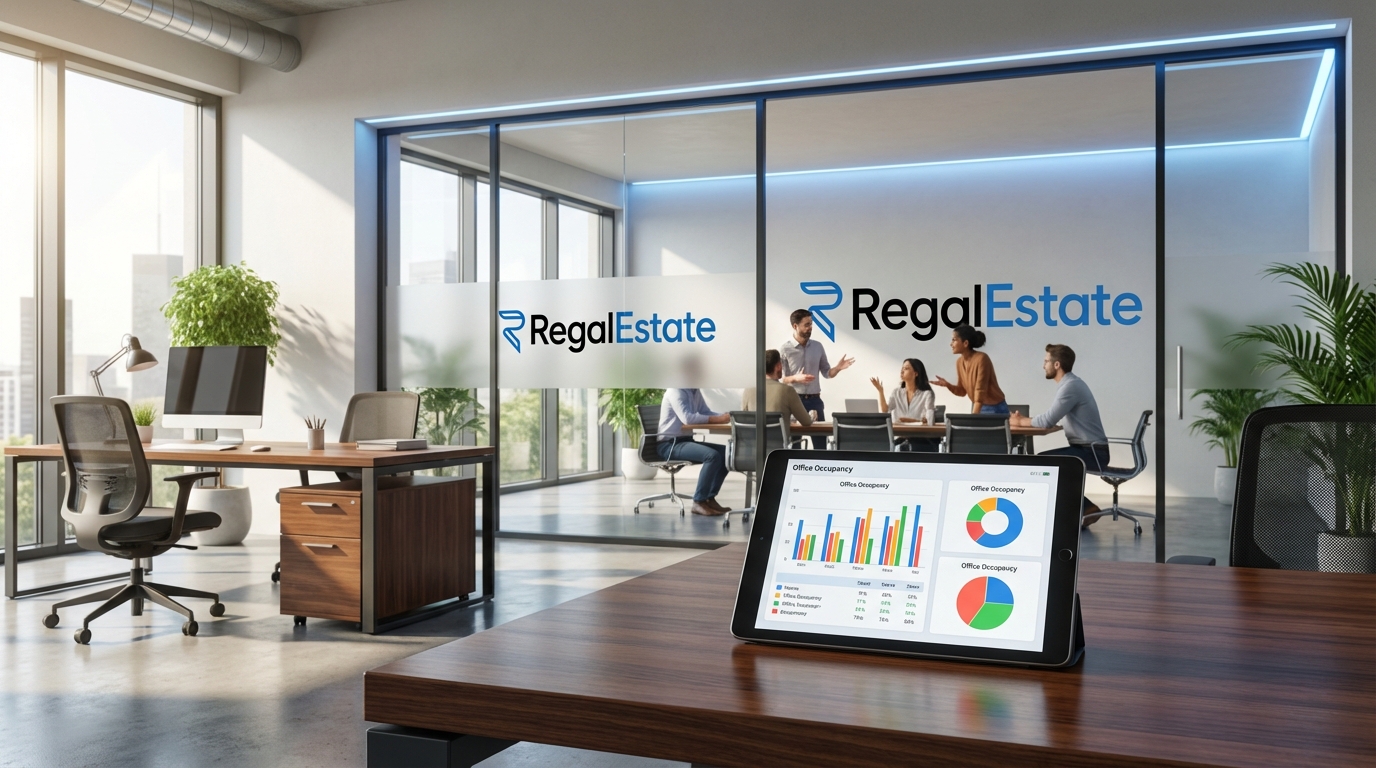
Historically, office design was based on assumptions and best guesses about how employees work. Smart technology replaces this ambiguity with concrete data. Occupancy sensors, Wi-Fi analytics, and booking system data provide a clear, detailed picture of how every square meter of a workspace is being used. This information is invaluable for strategic decision-making. Are the large boardrooms consistently underutilized? Are there not enough small pods for focused work? The data answers these questions definitively. This allows organizations to move beyond static, one-size-fits-all layouts and embrace agile, modular designs that can be adapted over time. For example, if data shows a high demand for informal collaboration zones, a company can confidently invest in reconfiguring an underused area. This data-driven approach ensures that the physical workspace is a strategic asset that actively supports productivity, rather than a sunk cost based on outdated work models.
The green imperative and sustainable tech
Sustainability is no longer a peripheral concern for corporations; it is a core business imperative. Smart office technology is one of the most effective tools for achieving ambitious environmental goals. Intelligent building management systems are at the heart of this, capable of reducing a building’s energy consumption by up to 30% or more. They achieve this by optimizing lighting and HVAC based on real-time occupancy, sunlight levels, and even the external weather forecast. Beyond energy, smart tech helps manage other resources more effectively. Smart water sensors can detect leaks instantly, while integrated waste management systems can monitor bin levels to optimize collection routes, reducing fuel consumption and emissions. This commitment to green operations is particularly strong in a city like Sydney, which has ambitious targets for emissions reduction. By adopting these technologies, businesses not only lower their operational costs but also enhance their corporate reputation and align with the city’s broader sustainability objectives.
Securing the connected workplace
As offices become more connected, they also become more vulnerable to cyber threats. Every IoT sensor, smart lightbulb, and connected camera represents a potential entry point for malicious actors. Therefore, a robust cybersecurity strategy is a non-negotiable component of any smart office implementation. This requires a multi-layered approach to security. At the network level, it involves segmenting the network to isolate critical building management systems from general office Wi-Fi. It means implementing stringent access controls, ensuring that only authorized personnel can access sensitive data and controls. For employees, it involves secure authentication methods, often using multi-factor authentication on their personal devices. Regular security audits, penetration testing, and firmware updates are essential to protect against emerging threats. Ensuring the digital and physical security of the workplace is paramount to building trust and ensuring the long-term viability of the smart office ecosystem.
The future outlook for smart offices
The evolution of the smart office is far from over. The next wave of innovation will likely center on even deeper integration and more predictive capabilities. The concept of the ‘digital twin’—a virtual, real-time replica of the physical office—will become more common, allowing managers to simulate changes and optimize operations in a virtual environment before implementing them in the real world. We can also expect more advanced ambient intelligence, where the office environment proactively anticipates and responds to the needs of its occupants without direct commands. Imagine a conference room that automatically starts a video call and pulls up the relevant presentation based on the attendees’ calendars. As a global business hub, Sydney is perfectly positioned to be an early adopter of these next-generation technologies, further cementing its status as a leader in creating workplaces that are not just smart, but truly prescient and responsive to the human element.
In conclusion, the transition to the smart office represents a fundamental shift in how we view the workplace. It’s an evolution from a static collection of desks and rooms to a living, breathing organism—a networked nerve center that adapts to its occupants. By integrating IoT, AI, and data analytics, businesses can create environments that are more efficient, sustainable, and, most importantly, more human. The key takeaways are clear: integration is paramount, the employee experience is the ultimate goal, and data is the currency of optimization. For cities and companies looking to thrive in the future of work, embracing this technological transformation is not just an option, but a strategic necessity. The intelligent workplace is no longer a concept of science fiction; it is the new standard for business success.