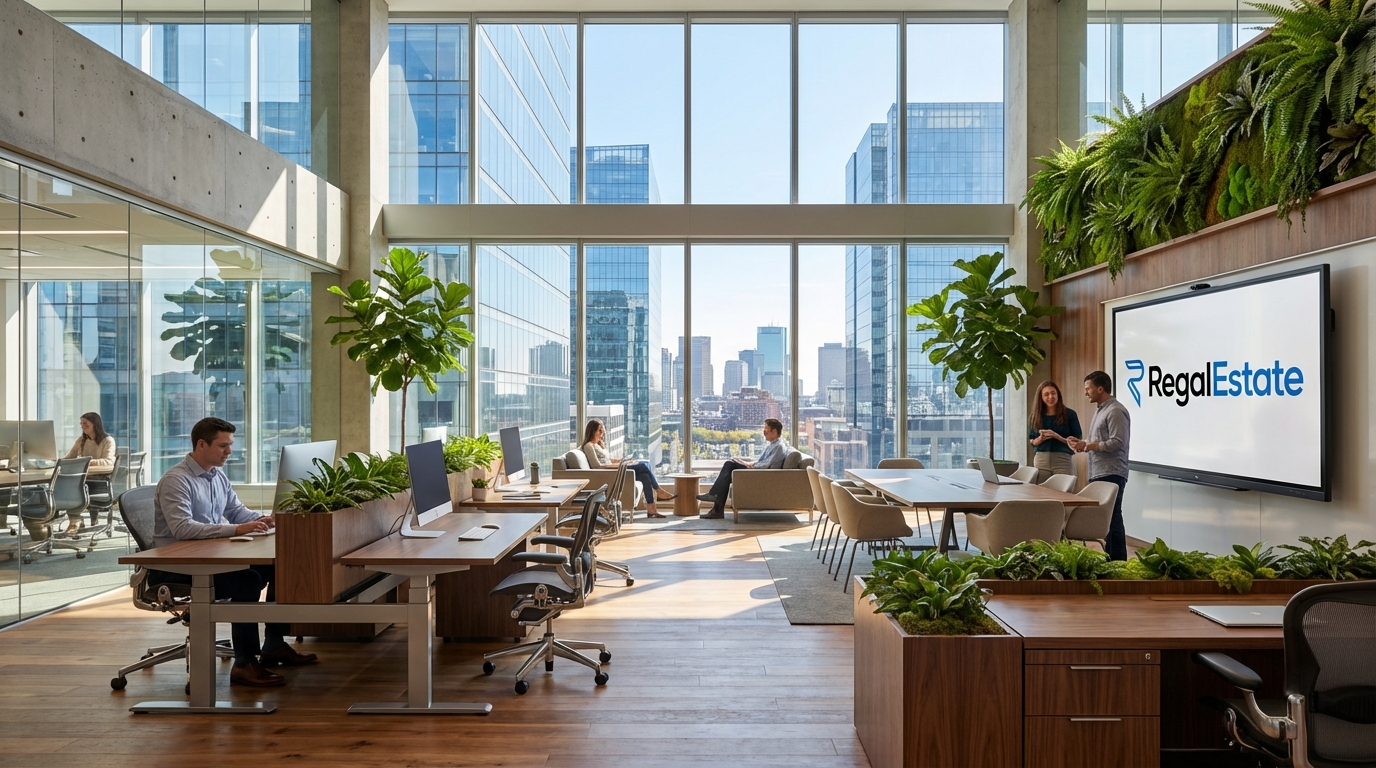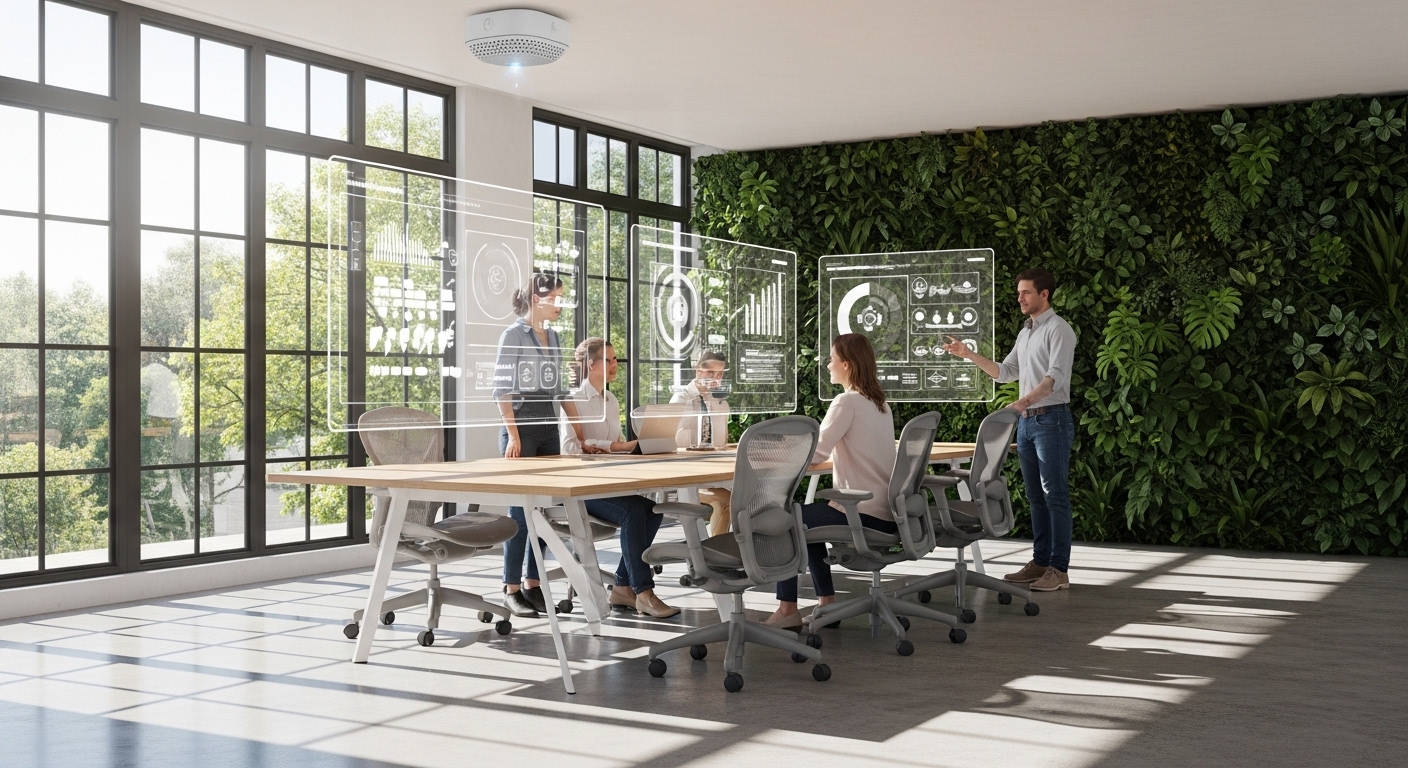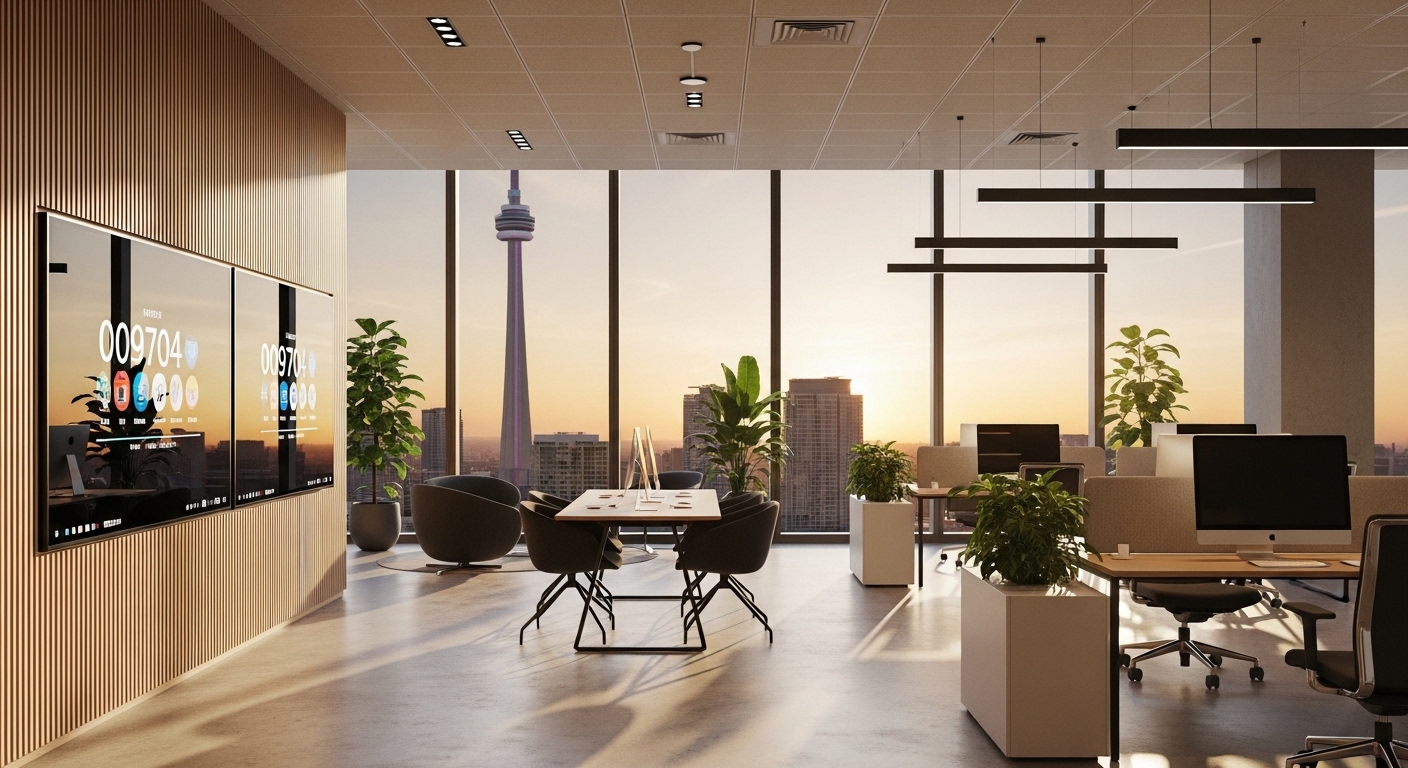
The traditional office is undergoing a seismic shift, and nowhere is this more apparent than in the bustling commercial landscape of Toronto. As companies grapple with the dynamics of hybrid work, the focus has pivoted from mere physical space to creating intelligent, responsive, and human-centric environments. This evolution is powered by smart office technology, a suite of integrated solutions designed to enhance productivity, collaboration, and employee well-being. Recent trends clearly show that businesses are moving away from sprawling, static headquarters towards more flexible, strategically designed spaces. This transition isn’t just about cutting costs; it’s a fundamental reimagining of the workplace’s purpose. The goal is to create destinations that are not only efficient but also experiential, enticing employees with seamless technology and enhanced comfort. This post will serve as a blueprint, exploring the key technologies defining the intelligent workplace and their transformative impact on the future of work.
The foundational layer: IoT and intelligent infrastructure
At the core of any smart office lies the Internet of Things (IoT), a vast network of interconnected sensors and devices that collect and exchange data in real time. This intelligent infrastructure is the central nervous system of the modern workplace, enabling a level of automation and insight that was previously unimaginable. IoT sensors can monitor everything from room occupancy and desk usage to air quality and temperature, providing a granular view of how the office is functioning. This data is invaluable for optimizing space utilization, a critical concern as businesses adapt to fluctuating in-office attendance. For instance, if data shows that certain collaborative zones are consistently underused, they can be repurposed. Similarly, environmental sensors can automatically adjust lighting and HVAC systems based on occupancy, leading to significant energy savings and a more comfortable environment for employees. In a competitive market like Toronto, leveraging this technology is key to creating sustainable and cost-effective office spaces. The implementation of IoT also extends to creating a frictionless employee experience, with features like touchless entry systems and personalized environmental controls becoming increasingly common. This foundational layer of connectivity is what enables all other smart office technologies to function, creating a truly responsive and adaptive workplace.
Enhancing collaboration in the hybrid era
With teams now spread across various locations, the technology that facilitates seamless communication and collaboration is more critical than ever. The smart office must bridge the gap between in-person and remote employees, ensuring that everyone has an equal seat at the table. This goes beyond standard video conferencing. We’re seeing the rise of sophisticated collaboration tools like interactive digital whiteboards that allow real-time brainstorming from anywhere in the world. Advanced room-booking systems integrated with employee calendars prevent scheduling conflicts and help teams find appropriate spaces effortlessly. Furthermore, unified communication platforms that consolidate various channels—like instant messaging, video calls, and project management—into a single interface are becoming standard. These technologies are designed to break down communication silos and foster a cohesive team culture, regardless of physical location. The goal is to make collaborating with a colleague on another continent as easy as turning to the person at the next desk. This focus on high-fidelity, inclusive communication is a hallmark of the modern intelligent workplace and a key driver in attracting and retaining top talent.
AI and analytics: optimizing the workplace experience
If IoT is the nervous system, then Artificial Intelligence (AI) and data analytics are the brain of the smart office. AI-powered platforms can analyze the vast amounts of data collected by IoT sensors to uncover deep insights and predictive patterns about workplace usage. This allows for a proactive, rather than reactive, approach to office management. For example, AI can predict peak occupancy times, allowing for better management of resources like catering and cleaning services. It can analyze space utilization data to recommend optimal office layouts that foster collaboration while respecting personal space needs. For employees, AI can personalize their office experience, perhaps by suggesting available quiet rooms when their calendar shows a focus-work block. The potential applications are extensive, from optimizing energy consumption on a macro level to fine-tuning the desk environment for an individual’s comfort. This data-driven approach allows businesses in Toronto to make informed decisions that enhance operational efficiency and, more importantly, create a workplace that is genuinely responsive to the needs of its people. By understanding precisely how the office is being used, companies can continuously refine and improve the employee experience, ensuring the physical space remains a valuable asset.
Fostering wellness and sustainability through smart tech
The future of work is not just about productivity; it’s also about promoting employee well-being and environmental responsibility. Smart office technology plays a pivotal role in achieving both of these objectives. Features that were once considered perks are now becoming essential components of a wellness-focused workplace. This includes systems that monitor and improve indoor air quality, a significant factor in employee health and cognitive performance. Human-centric lighting systems that mimic natural daylight patterns can help regulate circadian rhythms, reducing eye strain and boosting energy levels. Smart sensors can also ensure that spaces are not overcrowded, contributing to a less stressful environment. On the sustainability front, the same technologies used to optimize space also drastically reduce a building’s carbon footprint. Automated lighting and HVAC systems that power down when rooms are empty, coupled with sensors that monitor water usage, contribute to significant resource conservation. For many companies, demonstrating a commitment to sustainability is a core part of their brand identity and a key factor in attracting talent that is increasingly environmentally conscious. Smart technology provides the tools to make these commitments a tangible reality.
Cybersecurity in the hyper-connected office
As offices become more intelligent and connected, they also become more vulnerable to cyber threats. The proliferation of IoT devices, from smart lighting to security cameras, creates countless new endpoints that could potentially be exploited by malicious actors. Therefore, a robust cybersecurity strategy is not an optional extra but an absolute necessity for any organization implementing smart office technology. This requires a multi-layered approach to security. It starts with ensuring that all connected devices are secured with strong passwords and are running the latest, patched firmware. Network segmentation is also crucial, isolating smart office devices on a separate network from critical business systems to contain any potential breach. Regular security audits and vulnerability assessments are essential to identify and address weaknesses before they can be exploited. Furthermore, employee education is a vital component. Staff must be trained to recognize phishing attempts and other social engineering tactics, as human error remains one of the most significant security risks. In a world where a compromised smart thermostat could theoretically provide a backdoor into a corporate network, treating cybersecurity as an integral part of the smart office blueprint is paramount for protecting sensitive company and employee data.
Future-proofing: preparing for the next wave of innovation
The field of smart office technology is in a constant state of evolution. What seems cutting-edge today will likely be standard tomorrow. Therefore, a forward-thinking approach is essential when investing in a smart office ecosystem. The key is to build a flexible and scalable infrastructure that can accommodate future innovations without requiring a complete overhaul. This means prioritizing platforms that are open and interoperable, allowing for the easy integration of new devices and software from different vendors. Cloud-based management systems are often preferable as they can be updated remotely with new features and security patches. As we look to the horizon, we can anticipate the growing influence of technologies like augmented reality (AR) for interactive building navigation and virtual reality (VR) for immersive remote collaboration. The integration of more sophisticated AI will lead to even more personalized and predictive workplace experiences. By adopting a modular, adaptable strategy, businesses in Toronto can ensure their investment in smart technology delivers value not just today, but for years to come, allowing them to remain agile and competitive in a rapidly changing world.
Conclusion
The transition to the intelligent workplace represents a pivotal moment in the future of work. It’s a move away from the static, one-size-fits-all office of the past towards a dynamic, data-driven environment that adapts to the needs of its users. By harnessing the power of IoT, AI, and advanced collaboration tools, companies can create spaces that are not only more efficient and sustainable but also more engaging and supportive of their workforce. This technological integration is the key to unlocking the full potential of a hybrid work model, ensuring that the office remains a vital hub for innovation, culture, and connection. For businesses, the adoption of smart office tech is no longer a luxury but a strategic imperative for attracting top talent, optimizing real estate assets, and future-proofing their operations. As this technological revolution continues to unfold, it is reshaping not just our physical workspaces, but the very nature of how we work together, paving the way for a more connected, intelligent, and human-centric professional world. The blueprint is clear; the intelligent workplace is the future, and it is being built today.