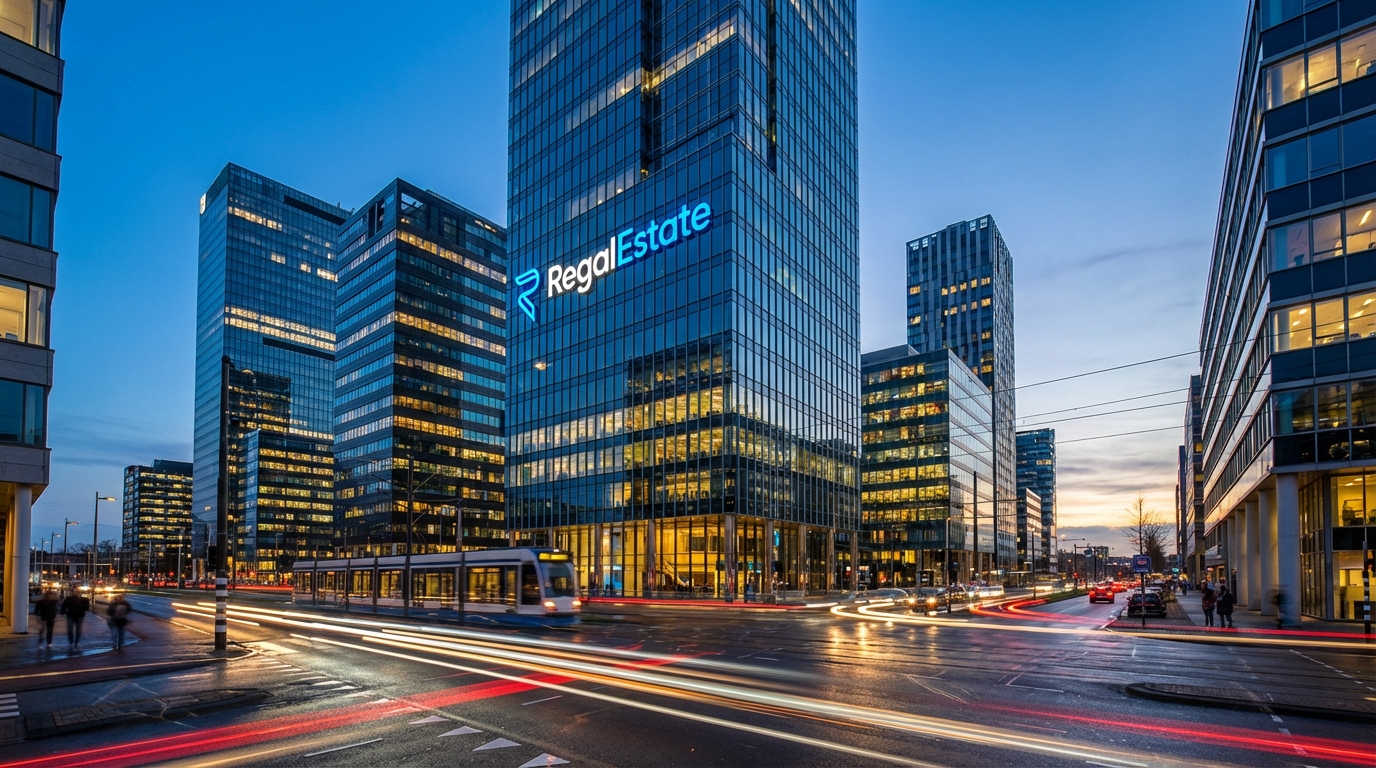
In the dynamic landscape of European business districts, few cities command as much attention as Amsterdam. Renowned for its strategic location, innovative spirit, and exceptional quality of life, the Dutch capital has cemented its status as a top-tier destination for international business and investment. For corporate leaders and investors, conducting a commercial property value search in this thriving hub is the first step toward strategic expansion and portfolio growth. Recent trends reveal a market characterized by resilience, strong rental growth, and a significant pivot towards sustainability and technological integration. As businesses worldwide recalibrate their real estate strategies in a post-pandemic era, understanding the nuances of Amsterdam’s commercial property market—from the high-tech corridors of the Zuidas to the creative pulse of the city center—is more critical than ever. This guide will navigate the key districts, value drivers, and future-forward trends shaping the city’s commercial real estate, offering a comprehensive blueprint for your next strategic move.
Decoding value in Zuidas: the financial heart of the Netherlands
Often referred to as the ‘Financial Mile,’ Zuidas is the premier business district in the Netherlands and a focal point for any serious commercial property value search. This meticulously planned urban center is home to major financial institutions, law firms, and the Dutch headquarters of numerous multinational corporations. The property values here are among the highest in the country, driven by exceptional connectivity—including a direct line to Schiphol Airport—and a concentration of high-specification, modern office buildings. Recent market analysis consistently shows that Zuidas commands premium rental prices due to its low vacancy rates and the constant demand from blue-chip tenants. The district’s appeal is further enhanced by its commitment to sustainability; many buildings boast high BREEAM ratings, a factor that is increasingly non-negotiable for top-tier corporate occupiers. Investors looking at Zuidas are not just buying into a location but an ecosystem of prestige, innovation, and robust infrastructure. The ongoing development and expansion of the district, including significant public transport upgrades, signal a strong future growth trajectory, ensuring that property values are likely to remain on an upward trend. Understanding the intricate balance of prestige, sustainability, and connectivity is key to accurately assessing commercial asset values in this powerhouse district.
The enduring appeal of Amsterdam’s historic city center
While Zuidas represents the modern face of Dutch commerce, the historic City Center of Amsterdam offers a different but equally compelling proposition for a commercial property value search. This area, characterized by its iconic canal houses and vibrant streets, is a magnet for creative industries, tech startups, and high-end retail. The value proposition here is rooted in atmosphere, brand identity, and access to a rich cultural environment. Unlike the uniform towers of a traditional business district, properties in the City Center are unique, often blending historic architecture with modern interior renovations. This uniqueness can translate into significant brand value for companies seeking to project an image of creativity and heritage. The demand for office and retail space in this district is consistently high, driven by both its aesthetic appeal and its central location. However, the historic nature of the buildings can also present challenges, such as limitations on renovations and floorplate inefficiencies. A successful property search in this area requires a nuanced understanding of these factors, balancing the undeniable charm and prestige against the practical considerations of modern business operations. For companies in sectors like marketing, design, and boutique tech, the cultural capital and unique identity afforded by a City Center location can be a powerful driver of long-term value.
Sloterdijk’s evolution into a modern commercial hub
Once considered a purely functional office location, Amsterdam Sloterdijk has undergone a remarkable transformation, emerging as a dynamic and increasingly valuable business district. Its strategic position, centered around one of the city’s major transport hubs, has always been a key asset, offering excellent rail and road connectivity. However, recent urban planning initiatives have focused on transforming Sloterdijk from a monofunctional office park into a vibrant, mixed-use area with residential buildings, hotels, and amenities. This evolution is a critical factor in any contemporary commercial property value search. The diversification of the area is making it more attractive to a wider range of businesses and their employees, who now have access to a better work-life environment. Property values in Sloterdijk are generally more accessible than in Zuidas or the City Center, presenting a compelling opportunity for companies seeking modern facilities and excellent connectivity at a more competitive price point. The district is becoming a hotbed for tech companies and corporate services, drawn by the new-build office spaces that are often designed with sustainability and flexibility in mind. As the area continues to develop its residential and leisure offerings, its appeal is set to grow, suggesting a strong potential for value appreciation for early and strategic investors.
The impact of sustainability and ESG on property valuations
Across all of Europe’s top business districts, no trend is shaping commercial property valuations more profoundly than the focus on Environmental, Social, and Governance (ESG) criteria. In Amsterdam, a city known for its progressive and environmentally conscious mindset, this is particularly true. A modern commercial property value search is incomplete without a thorough analysis of a building’s sustainability credentials. Properties with high energy efficiency ratings, green certifications like BREEAM or LEED, and features that promote employee well-being are no longer just ‘nice-to-haves’—they are essential drivers of value. These assets command higher rents, attract and retain high-quality tenants, and are increasingly seen as less risky, future-proof investments. Conversely, older, less efficient buildings face the threat of obsolescence and potential ‘brown discounts’ on their valuation. Stricter government regulations regarding energy consumption and carbon emissions are accelerating this trend. For investors and corporate occupiers, prioritizing sustainable properties aligns not only with corporate social responsibility goals but also with sound financial strategy. It reduces operational costs, mitigates regulatory risks, and enhances brand reputation, all of which contribute directly to the long-term value and marketability of the commercial asset.
Navigating the market with data-driven search strategies
The days of assessing commercial real estate based on location and intuition alone are long gone. Today, a successful commercial property value search is fundamentally a data-driven exercise. The rise of PropTech has equipped investors and analysts with powerful tools to dissect the market with unprecedented precision. By leveraging data on rental trends, vacancy rates, tenant demand, and even foot traffic, decision-makers can build sophisticated valuation models that go far beyond simple comparables. In a complex market like Amsterdam, this analytical approach is crucial for identifying genuine opportunities and avoiding overpriced assets. For instance, data analysis can reveal emerging sub-markets or pinpoint specific building features that are commanding the highest premiums. It can also help forecast future demand based on economic indicators and corporate expansion trends. Integrating technology into the search process allows for a more efficient and accurate assessment, ensuring that investment decisions are based on a comprehensive understanding of both current market dynamics and future potential. This reliance on data enhances transparency and empowers stakeholders to negotiate with confidence, ultimately leading to more strategic and profitable real-tate outcomes.
The future of office space: flexibility and hybrid work models
The global shift towards hybrid work has fundamentally reshaped the office sector, and this is a critical consideration for any commercial property value search. The demand is no longer just for square footage but for flexible, high-quality, and experience-driven workspaces. Buildings that can accommodate this new reality are proving to be the most resilient and valuable assets. This includes properties offering a mix of private offices, collaborative zones, and state-of-the-art tech infrastructure to support a distributed workforce. Furthermore, the rise of managed office solutions and flexible lease terms is changing how tenants approach their real estate commitments. Landlords and investors who adapt to this demand for flexibility are better positioned for success. For those conducting a property search, it is vital to assess a building’s adaptability. Can it be easily reconfigured? Does it have the amenities—such as wellness facilities, smart building technology, and high-quality communal areas—that make commuting to the office worthwhile for employees? The value of an office building today is increasingly tied to its ability to function as a destination for collaboration, culture, and innovation, rather than just a place for heads-down work. This qualitative aspect is becoming a key quantitative driver in property valuation.
In conclusion, conducting a successful commercial property value search in the competitive landscape of European business districts requires a multifaceted and forward-looking approach. The Amsterdam market, with its distinct and thriving districts like Zuidas, the historic City Center, and the evolving Sloterdijk, offers a compelling case study in modern real estate dynamics. The core drivers of value have evolved significantly; prestige and location must now be balanced with quantifiable metrics in sustainability, technological integration, and adaptability to new work models. As our analysis shows, ESG criteria are no longer a peripheral concern but a central pillar of asset valuation, capable of future-proofing an investment against regulatory shifts and tenant demands. Similarly, the ability to leverage data analytics and embrace the demand for flexible, hybrid-supportive workspaces is what separates a good investment from a great one. For business leaders and investors, navigating this complexity is the key to unlocking long-term growth and strategic advantage in one of Europe’s most dynamic commercial hubs.