In an era of profound global connectivity, the economic landscapes of major world cities are increasingly shaped by international partnerships and cultural exchange. Nowhere is this more apparent than in the dynamic commercial real-eState scene, where transatlantic collaborations are fostering new paradigms of work and innovation. The influence of European business culture, known for its emphasis on sustainability, refined design, and a balanced work-life ethos, is becoming a significant force in shaping the commercial hubs of Los Angeles. This synergy goes beyond mere foreign direct investment; it represents a fusion of ideas that is redefining office environments, corporate strategy, and the very fabric of the city’s premier business districts. As companies from across the Atlantic establish and expand their presence, they bring with them distinct operational philosophies that are beginning to permeate the local market, creating a unique and compelling business ecosystem. This article will explore the multifaceted impact of this transatlantic synergy, from architectural trends in corporate spaces to the evolving priorities of the modern workforce.
The new wave of European investment in Southern California
For decades, Southern California has been a magnet for international capital, but recent trends indicate a strategic shift in European investment. Moving beyond traditional sectors, a new wave of capital is flowing into technology, green energy, and digital media, reflecting both Europe’s evolving economic strengths and the unique opportunities offered by the local market. This isn’t simply about planting a flag; European firms are actively seeking to integrate into the innovation ecosystem, drawn by the region’s deep talent pool and pioneering spirit. Areas like Silicon Beach, stretching from Santa Monica to Playa Vista, have become hotspots for European tech startups and established firms alike, eager to tap into the vibrant venture capital scene and collaborative tech culture. This influx is creating a powerful feedback loop: as more European companies succeed, the region’s reputation as a premier global business destination grows, attracting further investment. The result is a more diverse and resilient economic base, less dependent on a single industry and more attuned to the nuances of the global marketplace. This strategic diversification is not only beneficial for the companies themselves but also enriches the local economy by introducing new technologies, management styles, and competitive dynamics that spur innovation across the board.
Architectural fusion: European design principles in LA’s office spaces
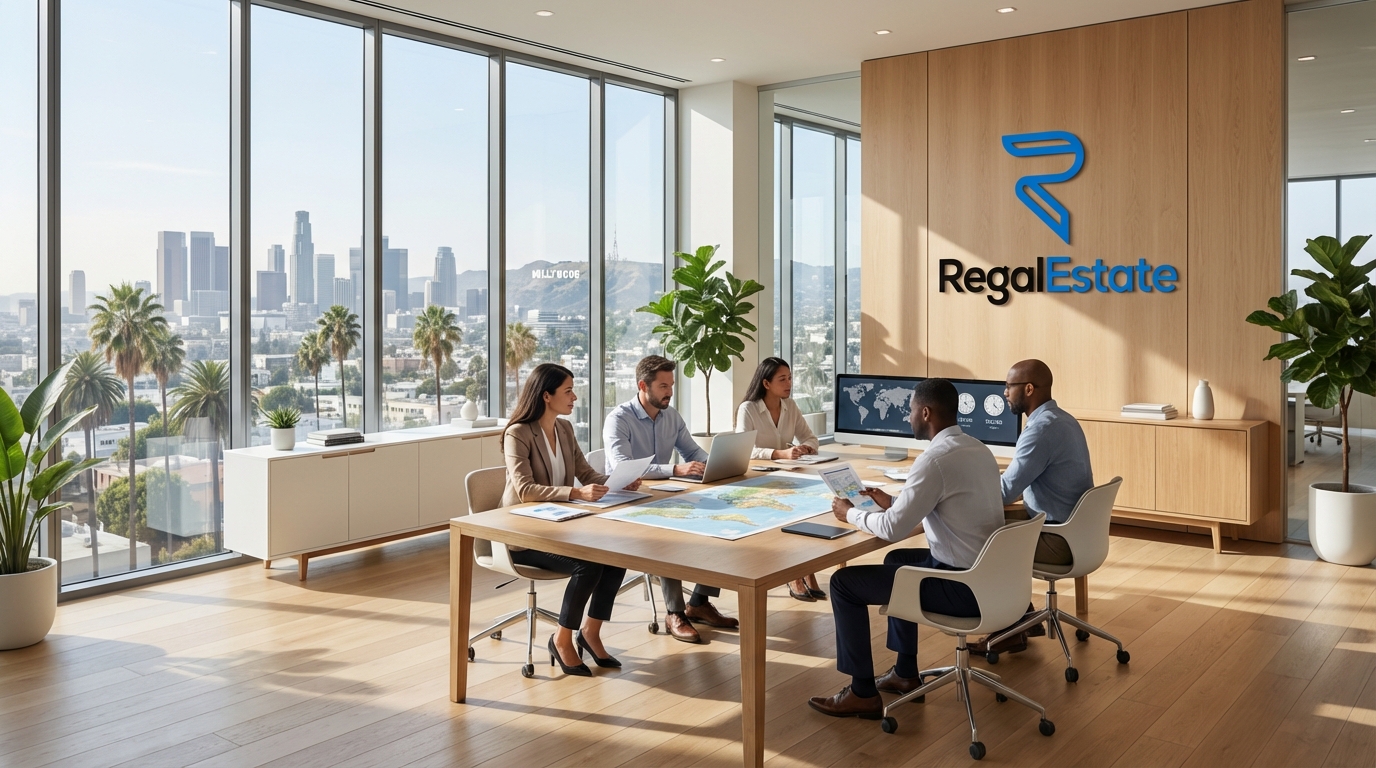
The impact of European business extends beyond financial metrics and into the physical environment of the workplace. There is a growing trend of incorporating European design principles—such as minimalism, biophilia, and a focus on communal spaces—into the corporate architecture of key business districts. This contrasts with older, more traditional American office layouts that prioritized density and hierarchical structures. Today’s forward-thinking developments emphasize natural light, sustainable materials, and flexible, human-centric designs that foster collaboration and well-being. This shift is a direct response to the values espoused by many modern European companies, which have long championed a more holistic approach to the work environment. The result is the emergence of office buildings that are not just places to work, but destinations designed to enhance creativity, productivity, and employee satisfaction. These spaces often feature amenities like open-air terraces, integrated green spaces, and state-of-the-art wellness facilities, reflecting a belief that a healthy and happy workforce is a productive one. This architectural fusion is creating a new visual and functional language for the city’s commercial hubs, making them more attractive to a global talent pool that expects more from their workplace.
Silicon Beach and beyond: identifying key hubs for transatlantic tech
While Silicon Beach is the most prominent example, it is not the only area experiencing a surge in European interest. Downtown LA’s Arts District and Culver City are also emerging as key hubs for transatlantic tech and creative industries. These neighborhoods offer a compelling mix of repurposed industrial spaces, vibrant cultural scenes, and growing residential populations, making them attractive to companies looking to cultivate a strong corporate culture. European media and gaming companies, in particular, are drawn to Culver City’s rich history in film and entertainment, creating a modern nexus for digital content creation. The Arts District, with its raw, industrial aesthetic, appeals to design and architecture firms from Europe looking for a foothold in the American West. The deliberate cultivation of these areas by city planners and private developers has been crucial. By creating flexible zoning, investing in public transit, and fostering a mix of commercial and residential properties, the city has laid the groundwork for these organic innovation ecosystems to thrive. The clustering of these firms creates a powerful network effect, where talent, ideas, and capital can move fluidly between companies, sparking new ventures and driving regional growth in the highly competitive global tech landscape.
The sustainability imperative: how European green standards are influencing development
Sustainability is a cornerstone of modern European corporate and social policy, and this commitment is visibly influencing commercial real estate development. As European companies expand their operations, they are bringing with them stringent environmental standards and expectations for their physical workspaces. This includes a demand for buildings with LEED, BREEAM, or similar green certifications, which focus on energy efficiency, water conservation, and the use of sustainable materials. This ‘green-standard’ imperative is pushing local developers to adopt more environmentally conscious construction and operational practices. The influence extends to the entire supply chain, from sourcing materials to waste management. The long-term benefits are substantial, leading to lower operating costs, healthier indoor environments for employees, and a reduced carbon footprint for the city’s commercial sector. This alignment of values not only makes Los Angeles more attractive to environmentally-conscious international firms but also helps future-proof its commercial real estate assets against evolving climate regulations and shifting market expectations. It represents a powerful example of how international business can be a catalyst for positive environmental change and responsible urban development.
Adapting to a new work-life ethos
Perhaps one of the most significant cultural imports from European business is the emphasis on work-life balance. Many European nations have strong traditions and regulations that promote shorter workweeks, generous parental leave, and the ‘right to disconnect’ outside of office hours. While the American work culture has historically been more intense, the values brought by European firms are finding fertile ground, especially among the millennial and Gen Z workforce who prioritize flexibility and well-being. This is manifesting in corporate policies that support remote and hybrid work models, mental health resources, and a greater respect for personal time. Companies that adopt these people-first policies are finding they have a competitive advantage in attracting and retaining top talent in a tight labor market. This shift is not just about employee perks; it reflects a deeper understanding that sustainable productivity is linked to employee well-being. As this ethos spreads, it has the potential to reshape corporate culture far beyond the offices of European subsidiaries, influencing local companies to rethink their own approach to employee engagement and what it means to be a modern, desirable employer in a globalized world.
Navigating the legal and cultural landscape for transatlantic expansion
For European companies, expanding into the United States market presents a unique set of challenges and opportunities. The legal and regulatory environment can be significantly different, with variations in employment law, tax structures, and industry-specific compliance requirements between the federal, state, and local levels. Successfully navigating this complex landscape requires deep local expertise and strategic partnerships. Firms often rely on specialized legal and consulting services to ensure a smooth market entry and ongoing compliance. Beyond the legal hurdles, there are subtle but important cultural differences to consider. Business communication styles, negotiation tactics, and networking practices can vary significantly between Europe and the American West Coast. Building a corporate culture that effectively blends the parent company’s values with local norms is crucial for long-term success. This often involves empowering local leadership and fostering a diverse and inclusive team that can bridge any cultural gaps. Companies that invest in understanding and adapting to the local context are better positioned to build strong relationships, attract top talent, and fully capitalize on the immense opportunities that the vibrant and diverse market of Los Angeles provides.
The future of transatlantic collaboration in urban centers
The growing synergy between European and American business cultures is not a fleeting trend but a foundational element of the future of global commerce. As technology continues to erase geographical boundaries, this cross-pollination of ideas, capital, and talent will only intensify. The future will likely see even deeper integration, with the rise of transatlantic innovation districts and joint ventures focused on solving global challenges like climate change, urbanization, and public health. We can expect to see a continued evolution in workspace design, with an even greater emphasis on flexibility, technology integration, and sustainability. The one-size-fits-all corporate headquarters may be replaced by a network of smaller, more agile spaces designed to serve specific functions and foster a sense of community. This ongoing dialogue between continents is creating a more dynamic, resilient, and human-centric model for urban business. By embracing the best of both worlds, global cities are positioning themselves not just as centers of commerce, but as vibrant hubs of innovation and cultural exchange that will drive progress for decades to come.
In conclusion, the relationship between European business and the commercial hubs of major American cities is a powerful example of modern globalization. It’s a dynamic partnership that extends far beyond financial transactions, influencing everything from the architectural design of our workplaces to the very culture of work itself. The fusion of European principles of sustainability, design, and work-life balance with the innovative and fast-paced spirit of the American market is creating a new, hybrid model for corporate success. This transatlantic synergy is not merely shaping skylines; it’s building a more resilient, diverse, and forward-thinking economic foundation. As we look to the future, the continued collaboration and exchange of ideas between these economic powerhouses will be essential in navigating the complexities of the global economy and creating urban centers that are not only prosperous but also sustainable and equitable for all.