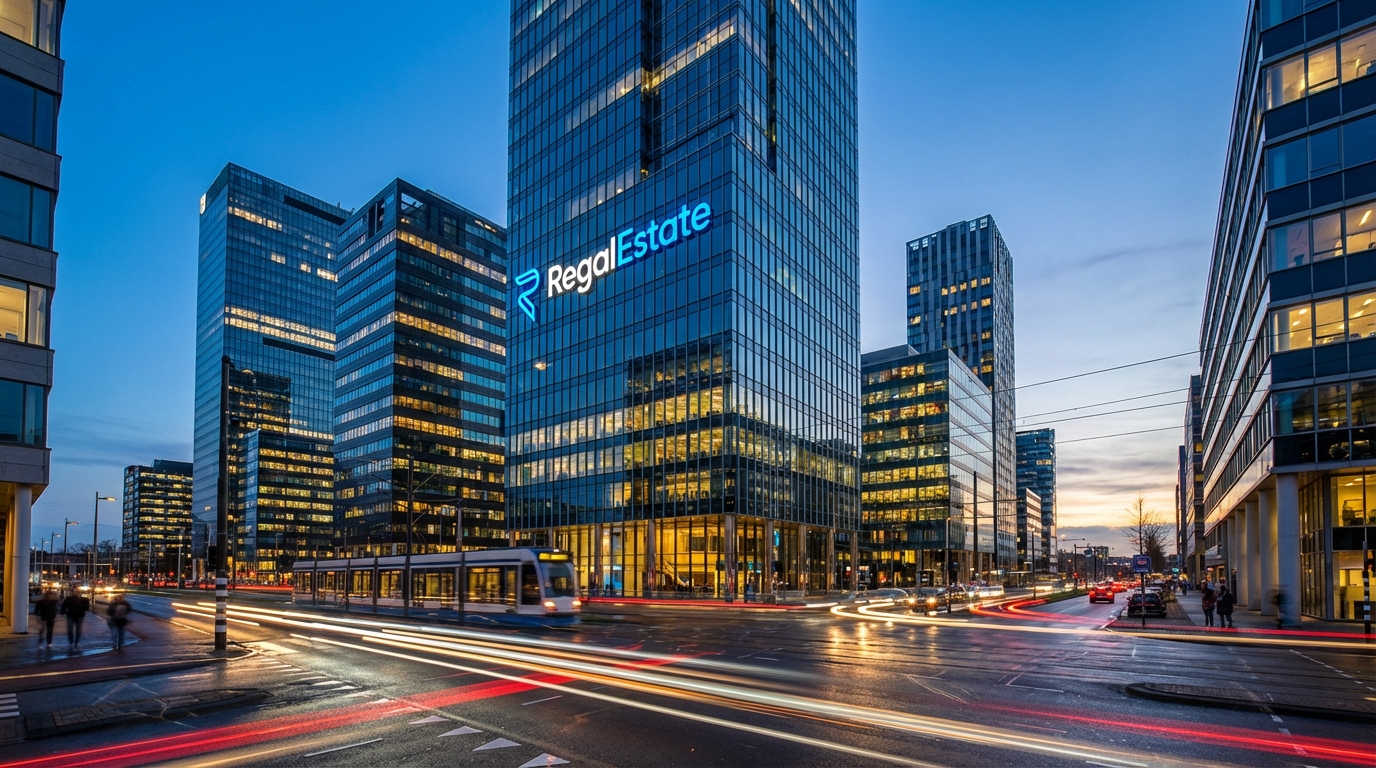
In an era of unprecedented global connectivity, the most ambitious firms are extending their horizons far beyond their domestic markets. For industry leaders and innovators rooted in the dynamic landscape of Southern California, the European continent presents a compelling, albeit complex, frontier for expansion. The allure of its stable, diverse economies and access to a vast single market is undeniable. However, success hinges on more than just securing a prime office location; it requires a nuanced understanding of a business environment that operates on a different rhythm. This analysis serves as a strategic compass for Los Angeles-based companies, navigating the established financial powerhouses and the burgeoning innovation hubs of Europe, and translating their distinct characteristics into actionable intelligence for transatlantic growth.
Decoding the European business landscape
For any executive accustomed to the relentless pace and networking-centric culture of the American West Coast, the European approach to business can feel like a paradigm shift. The primary differentiator is the deeply ingrained concept of work-life balance, which is not merely a corporate perk but often a legally protected standard. Generous vacation allowances, shorter standard workweeks, and comprehensive social support systems create a workforce that is highly productive during office hours but places a premium on personal time. This contrasts sharply with the ‘always-on’ mentality that can permeate the business world in Los Angeles. Furthermore, the regulatory environment, while unified under the EU, is layered with national complexities. Navigating the legal frameworks for employment, commerce, and real estate requires specialized local expertise, a departure from the more uniform federal and state system in the U.S. Understanding these foundational differences in culture and compliance is the critical first step for any firm planning a successful market entry, as it impacts everything from talent acquisition and retention to operational timelines and management styles.
The established titans: London, Paris, and Frankfurt
For companies seeking stability and access to deep-rooted financial and corporate ecosystems, Europe’s traditional business centers remain the gold standard. The City of London, despite Brexit, continues to be a global financial epicenter, offering unparalleled access to capital markets, investment banking, and a dense network of professional services firms. Its legal system is transparent and familiar to U.S. investors, making it a common first port of call. La Défense in Paris stands as continental Europe’s largest purpose-built business district, a modernist hub housing the headquarters of numerous CAC 40 and global corporations, particularly in the insurance and energy sectors. Its grand scale and excellent connectivity to the heart of Paris make it a statement location. Meanwhile, Frankfurt’s Bankenviertel, or ‘Mainhattan,’ is the undisputed financial heart of Germany and the Eurozone, home to the European Central Bank. For FinTech firms and banking institutions, its concentration of financial power is magnetic. These districts represent the blue-chip choice for investors who prioritize market depth, prestige, and access to a vast pool of established corporate talent. They offer a sense of permanence and strength, providing a solid foundation for large-scale European operations.
The rise of the new hubs: Madrid, Lisbon, and Berlin
Beyond the traditional power centers, a new wave of energetic and tech-driven business districts is capturing the attention of forward-thinking investors. These emerging hubs offer a different value proposition, one centered on innovation, affordability, and quality of life. Madrid is making headlines with Madrid Nuevo Norte, one of the most ambitious urban regeneration projects in Europe, promising a next-generation central business district focused on sustainability and technology. Lisbon has rapidly ascended as a top destination for tech startups and digital nomads, drawn by its vibrant culture and burgeoning innovation ecosystem, exemplified by new mixed-use neighborhoods like Campo Novo. Berlin’s district of Friedrichshain, once a symbol of counter-culture, is now attracting major tech companies like Amazon and Zalando, blending its creative energy with corporate dynamism. These cities are not trying to replicate London or Frankfurt; instead, they are cultivating unique ecosystems that appeal to a younger, more mobile talent pool. For a tech or creative firm from Southern California, these districts offer a familiar spirit of disruption and growth, fostering environments where innovation can flourish without the legacy costs and constraints of the more established financial capitals.
A focus on sustainability and mixed-use design
A defining trend across Europe’s newest business districts is the wholesale commitment to sustainability and integrated, human-centric design. The development model is shifting away from monolithic, single-use office parks toward vibrant, 24/7 neighborhoods where commercial, residential, and leisure spaces coexist seamlessly. Projects like King’s Cross in London and Cloche d’Or in Luxembourg are exemplars of this philosophy, prioritizing green buildings with high BREEAM or LEED ratings, extensive public transit integration, and abundant green spaces. This focus on ESG (Environmental, Social, and Governance) criteria is not just an architectural trend; it is a core demand from corporations, investors, and the talent they wish to attract. This holistic approach to urban development can present a notable contrast to the historically more zoned and car-dependent urban planning of cities like Los Angeles. As employee well-being and corporate responsibility become central to business strategy, these sustainable, mixed-use districts offer a powerful competitive advantage in attracting and retaining a globally conscious workforce, setting a new standard for the future of work environments.
Navigating the financial and legal framework
A successful European expansion requires meticulous navigation of the continent’s diverse financial and legal landscapes. While the EU provides a degree of harmonization, critical areas like real estate acquisition and taxation remain matters of national law. A U.S. company cannot assume the process of securing a commercial lease or purchasing a property in Germany will mirror the process in Spain. Each country has its own legal procedures, from the role of notaries to zoning regulations and foreign ownership stipulations. Engaging local legal counsel with deep expertise in commercial real estate is non-negotiable. On the financial front, understanding the tax implications is paramount. U.S. corporations are taxed on their worldwide income, but they can often claim a Foreign Tax Credit for taxes paid to a European government, preventing double taxation. However, navigating the specific Value Added Tax (VAT) systems, corporate income tax rates, and available government incentives for foreign investment in each country requires specialized financial advice. Diligent due diligence and assembling a team of local experts are crucial to de-risk the investment and ensure a compliant, financially sound European operation.
Strategic alignment for Los Angeles firms
The optimal European business district is not a one-size-fits-all solution; it is a decision that must be deeply aligned with a company’s specific industry, scale, and corporate culture. A large financial institution from downtown’s financial district would likely find its most synergistic home in Frankfurt’s Bankenviertel or the City of London, where it can tap into a deep well of industry-specific talent and regulatory bodies. In contrast, a fast-growing entertainment tech startup from Silicon Beach might find the creative energy and burgeoning tech scene of Lisbon or Berlin to be a more natural cultural and operational fit, offering lower costs and a talent pool geared toward innovation. The key is to look beyond surface-level metrics and analyze the qualitative aspects of each district. Does the local business culture support your company’s values? Is the talent pool aligned with your technological or creative needs? Does the regulatory environment favor your industry? For decision-makers in Los Angeles, the most successful expansions will come from matching the unique DNA of their organization to the equally unique ecosystem of a carefully chosen European hub.
In conclusion, the journey from the Pacific coast to the heart of Europe’s commercial centers is one of immense opportunity. The continent offers a rich tapestry of options, from the towering financial districts that have shaped global commerce for centuries to the dynamic, tech-forward hubs that are actively defining its future. For Los Angeles leaders, the key to unlocking this potential lies in a strategic, informed approach. It requires recognizing that the operational and cultural playbooks that drive success at home must be adapted to a new context. By conducting thorough due diligence, embracing the nuances of local business cultures, and strategically aligning their choice of location with their core business identity, firms can build a formidable presence across the Atlantic. The European market is not simply a new territory to be claimed, but a complex ecosystem to be understood. Those who invest the time to understand it will be best positioned for sustainable, long-term growth and global leadership.