The great remote work experiment, sparked by necessity, has fundamentally reshaped the professional landscape. What began as a temporary solution has now solidified into a permanent feature of the modern career. In 2024, flexibility isn’t a perk; it’s a core expectation, with hybrid models becoming the norm and a significant portion of the workforce preferring a fully remote setup. However, this new freedom presents its own complex challenges. The lines between professional and personal life have never been more blurred, leading to a pervasive ‘always-on’ culture that risks burnout. This guide moves beyond basic tips, offering a strategic framework for mastering a holistic remote work life—one that fosters productivity, supports well-being, and ensures long-term career vitality.
The new professional landscape in 2024
The defining trend of the current professional world is the solid establishment of flexible work arrangements. Hybrid models now dominate, with a majority of companies embedding some form of remote work into their permanent operational strategy. Statistics from 2024 show that this isn’t a fleeting trend but a response to overwhelming employee demand. According to recent surveys, a staggering 98% of workers prefer to work remotely at least some of the time, highlighting a near-universal desire for greater autonomy. This preference is a major driver in the talent market, compelling employers to adapt or risk losing top candidates. The data shows a split in preferences, with a large percentage favoring a hybrid mix of in-office and remote days, while another substantial group desires a fully remote role. This shift has created tangible benefits, including significant cost savings for employees who eliminate commutes, which can amount to thousands of dollars annually. For employers, the advantages extend to accessing a global talent pool, unbound by geography. However, this new landscape is not without its complexities, including debates around productivity and the critical need to maintain engagement and culture across distributed teams.
Architecting your ideal remote workspace
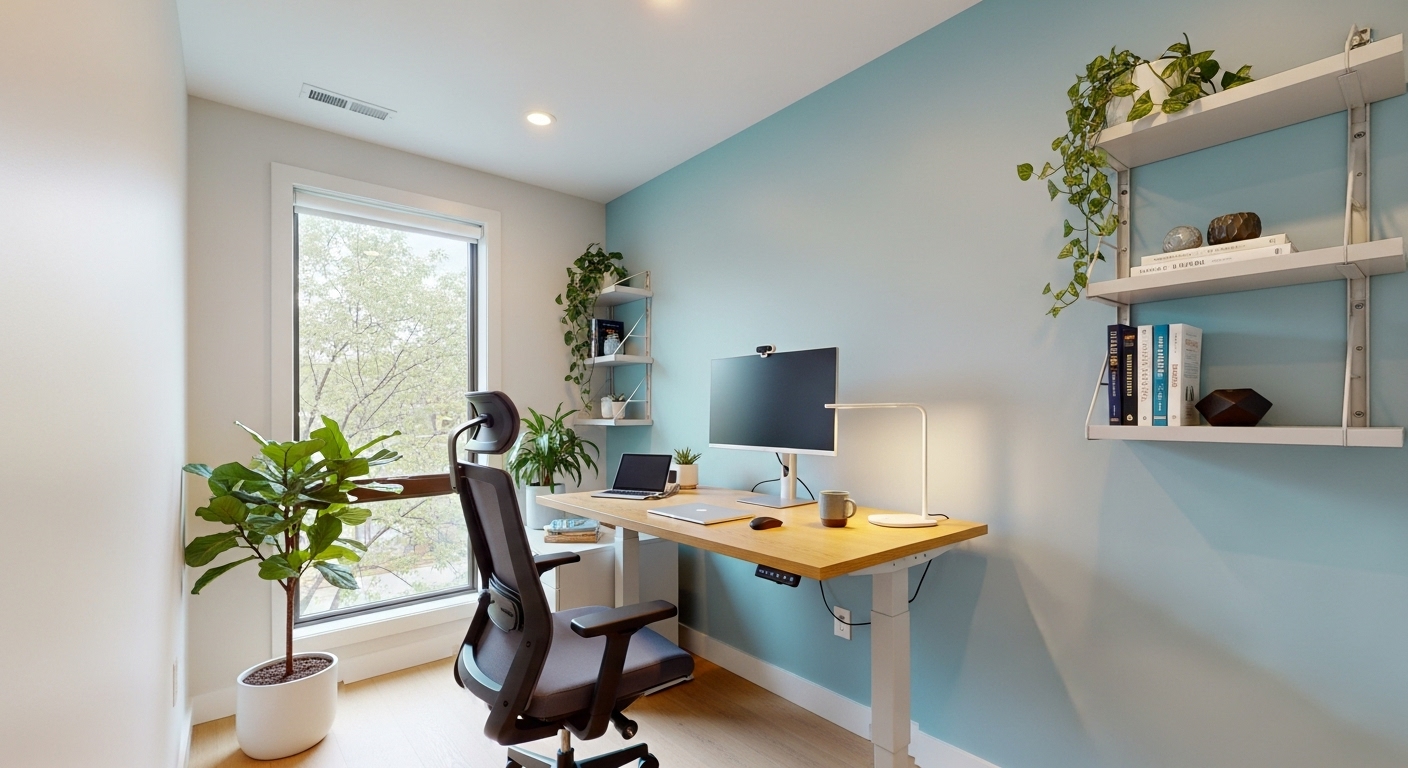
Creating a functional workspace is one of the most critical first steps to succeeding in a remote role, yet it’s often underestimated. An effective remote office is more than a laptop on the dining table; it’s a thoughtfully designed environment engineered for focus and well-being. The primary goal is to create a distinct physical boundary that mentally separates your professional duties from your personal life. If a dedicated room isn’t possible, a specific corner or desk in a low-traffic area can be just as effective. Invest in ergonomics. An adjustable chair that supports your posture, a monitor at eye level to prevent neck strain, and an external keyboard and mouse are not luxuries—they are essential tools for preventing long-term physical strain. Good lighting is also crucial; position your desk to take advantage of natural light where possible, and supplement with a quality desk lamp to reduce eye fatigue. Beyond the physical setup, consider the technological infrastructure. High-speed, reliable internet is non-negotiable. A quality headset with a microphone is essential for clear communication and helps to block out household distractions, signaling to both yourself and others that you are in work mode.
Mastering the art of the boundary
The greatest challenge in remote work is the erosion of the natural boundaries that a physical office provides. Without the daily commute to bookend the workday, professionals can easily find themselves working longer hours, checking emails late into the evening, and feeling perpetually on the clock. This is a direct path to burnout. Mastering the art of the boundary requires proactive and intentional effort. Start by establishing a strict schedule with a defined start and end time, and communicate these hours to your colleagues. More importantly, enforce them for yourself. Create a ‘shutdown ritual’ at the end of your day. This could be as simple as closing your laptop, turning off work notifications on your phone, and tidying your desk. This ritual acts as a psychological cue to your brain that the workday is over. Use time-blocking techniques to structure your day, dedicating specific blocks for focused work, meetings, and breaks. Taking deliberate breaks is vital. Step away from your screen for a proper lunch break and incorporate short 5-10 minute breaks throughout the day to stretch, walk around, or simply rest your eyes. These small pauses are crucial for maintaining mental clarity and preventing exhaustion.
Combating digital isolation and staying connected
While remote work offers autonomy, its downside is the potential for profound social and professional isolation. The spontaneous ‘water cooler’ conversations and casual team lunches that build camaraderie in an office are absent, and remote professionals must be deliberate about fostering connections. Feeling disconnected not only impacts mental health but can also hinder collaboration and career progression. To combat this, schedule regular, informal video calls with colleagues that aren’t tied to a specific project agenda. These virtual coffee chats can replicate the casual social interactions of the office. Actively participate in team communication channels; don’t just be a passive observer. Share successes, ask questions, and engage in non-work-related conversations to build rapport. Many companies are now organizing virtual team-building activities, from online games to remote happy hours. While they may sometimes feel forced, participating is a valuable way to strengthen bonds with your team. Beyond your immediate team, continue to network. Join online industry groups, attend virtual conferences, and connect with peers on professional networking platforms to stay integrated within your broader professional community.
Navigating career growth from a distance
A common fear among remote professionals is that being ‘out of sight’ will lead to being ‘out of mind’ when it comes to promotions, key projects, and professional development. Advancing your career in a remote setting requires a strategic approach to visibility and impact. It begins with clear communication and expectation-setting with your manager. Schedule regular one-on-one meetings to discuss your progress, goals, and challenges. Use these meetings not just to report on tasks but to align on priorities and demonstrate your strategic value. Proactively seek feedback and be explicit about your career aspirations. Document your achievements meticulously. Keep a running list of your accomplishments, successful projects, and positive feedback, and be prepared to share it during performance reviews. Take ownership of projects and don’t be afraid to volunteer for new challenges. This demonstrates initiative and commitment. Finally, seek out mentorship opportunities. A mentor within your organization can provide invaluable guidance and act as a sponsor for you, advocating on your behalf in rooms you’re not in. Maintaining visibility is about consistently and clearly communicating your value, not just your activity.
Building a sustainable routine for long-term success
Thriving in a remote career is a marathon, not a sprint. Short-term productivity hacks are useful, but long-term success depends on building a sustainable routine that integrates work with well-being. Burnout is the ultimate threat to sustainability, and it’s often caused by a slow creep of overwork and a lack of separation. Prioritize your physical and mental health as you would any critical work project. Incorporate physical activity into your daily schedule, whether it’s a morning workout, a midday walk, or an evening yoga session. Pay attention to your nutrition; working from home makes it easier to eat healthier, so take advantage of a kitchen that isn’t a corporate breakroom. Protect your sleep schedule, as adequate rest is fundamental to cognitive performance and emotional resilience. It’s also critical to schedule downtime and pursue hobbies and interests completely unrelated to work. This detachment is essential for recharging your creativity and maintaining perspective. Ultimately, a sustainable remote work life is one where professional ambition doesn’t come at the cost of personal health and fulfillment, but rather, is supported by it.
The shift to remote work is more than a change in location; it’s a fundamental change in how we approach our careers and lives. Success in this new paradigm requires a holistic strategy that goes beyond the home office setup. By architecting an intentional workspace, mastering personal and professional boundaries, actively cultivating connections, strategically navigating career growth, and building sustainable daily routines, modern professionals can do more than just work from home—they can build a truly integrated and fulfilling life. The future of work is not just about flexibility in where we work, but about having the wisdom and skills to create a balanced, productive, and sustainable career on our own terms. This intentional approach is the new benchmark for professional success in the modern era.