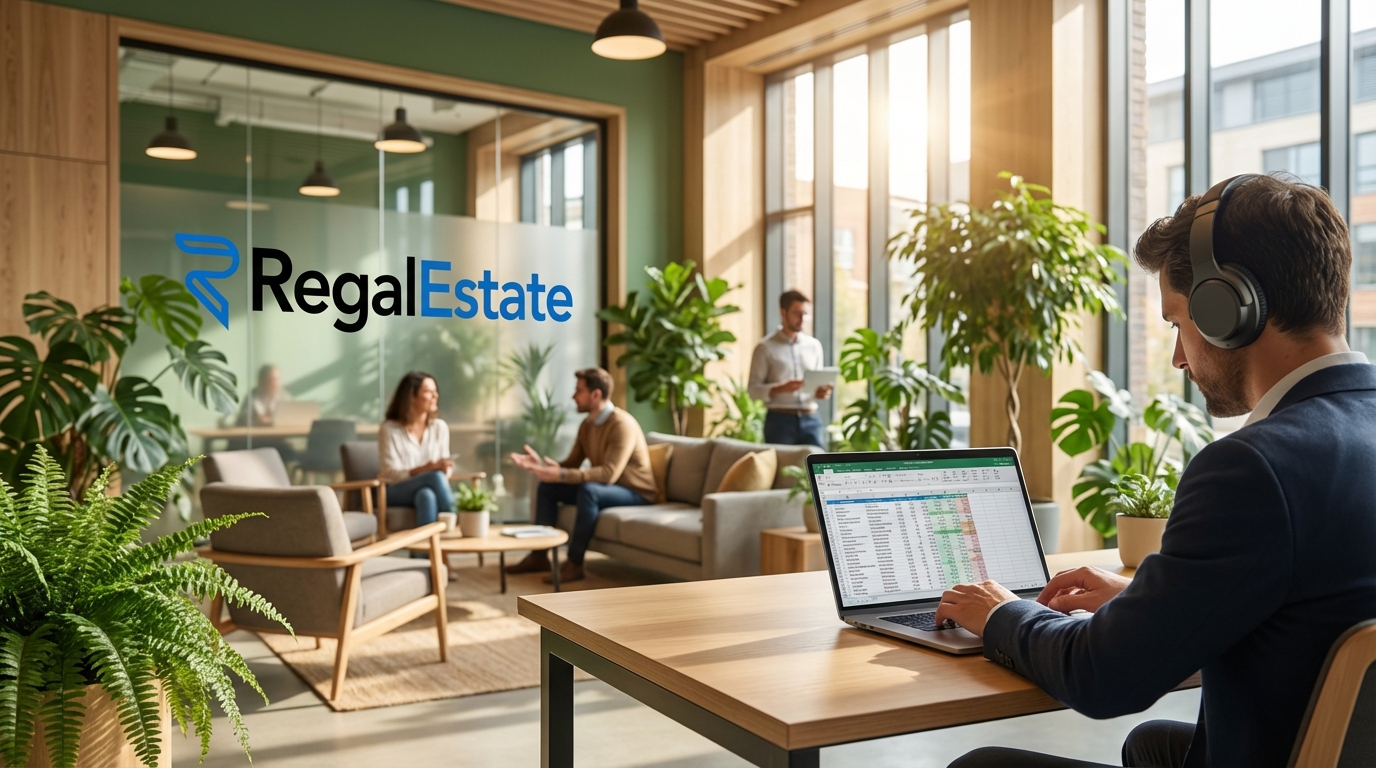
The modern coworking space presents a compelling paradox. It’s a vibrant ecosystem engineered for collaboration and serendipitous connection, yet for many professionals, that same energy can feel like a direct assault on deep, focused work. The ambient chatter, the constant movement, and the open invitation to network can easily derail the best-laid plans. However, abandoning these dynamic environments isn’t the answer. The solution lies in a more intentional approach. As coworking spaces evolve in 2024 with a greater emphasis on wellness, smart technology, and modular design, the opportunity to architect a truly productive workday has never been greater. This guide moves beyond the generic advice of just ‘putting on headphones.’ We will explore a comprehensive framework for structuring your day, leveraging space design, and cultivating habits that transform your shared office from a source of distraction into a powerful engine for productivity. By mastering the synergy between your personal strategy and the physical environment, you can harness the collaborative energy without sacrificing your focus.
The psychology of shared ambition and focus
One of the most significant, yet often overlooked, benefits of a coworking space is the powerful psychological influence of your peers. Unlike a home office, which can foster isolation, a shared workspace creates an atmosphere of collective industry. This concept, known as social facilitation, suggests that the presence of others performing similar tasks can enhance individual performance. Seeing fellow professionals engaged in focused work creates a subtle, positive pressure to remain on task. This shared ambition establishes a productive social norm that is far more motivating than solitary discipline. Furthermore, the clear demarcation between home and work environments helps to mentally prime you for productivity. The simple act of commuting to a designated workspace signals to your brain that it’s time to concentrate, a ritual that is often lost in remote work arrangements. This separation is crucial for preventing the work-life blur that can lead to burnout. Statistics support this, with studies showing that 68% of coworkers report an improved ability to focus. The environment isn’t just about avoiding the distractions of home; it’s about immersing yourself in a culture of achievement that naturally elevates your own standards and work ethic. This ambient accountability helps you push through challenging tasks and maintain momentum throughout the day.
Architecting your personal focus zone
While the overall environment provides motivation, true productivity requires carving out a personal sanctuary for concentration amidst the buzz. This goes beyond simply finding an empty desk; it’s about intentionally engineering your immediate surroundings to minimize friction and distractions. Start by choosing your location strategically. If you have deep work planned, opt for a desk in a designated quiet zone or a corner with low foot traffic. Conversely, if your day involves calls and collaborative tasks, position yourself in a more active area to avoid disrupting others. Once you’ve chosen your spot, the next step is managing sensory input. High-quality, noise-canceling headphones are a non-negotiable tool in the modern professional’s arsenal. They serve a dual purpose: blocking out auditory distractions and acting as a universal visual cue that you are in a ‘do not disturb’ mode. Curate a playlist of instrumental music, ambient sounds, or white noise that helps you achieve a flow state. Beyond audio, manage your visual and digital space. Keep your physical desk tidy and organized to reduce cognitive load. More importantly, practice rigorous digital hygiene. Turn off all non-essential notifications on your laptop and smartphone. It can take over 20 minutes to fully regain focus after a single interruption, making that quick glance at an email or social media alert incredibly costly. Use website blockers if you need to enforce discipline and create an impenetrable digital bubble for your most demanding tasks.
Leveraging intentional space design for task-specific work
The evolution of coworking spaces in 2024 has brought a much-needed emphasis on intentional and varied design. The most forward-thinking spaces are moving away from monolithic open-plan layouts and toward a more nuanced, modular approach that offers a variety of environments suited for different types of work. Mastering your productivity involves learning to map your daily tasks to these specific zones. Think of yourself as a strategist deploying your attention in the most effective setting. For tasks requiring intense, unbroken concentration—what Cal Newport calls ‘deep work’—the designated quiet zones, private phone booths, or bookable single-person offices are your greatest assets. These areas are purpose-built to eliminate distractions. When your work shifts to making calls, participating in virtual meetings, or light collaborative efforts, move to common areas or specially designed soft-seating lounges. This not only prevents you from disturbing those in deep-work mode but also allows you to embrace a more relaxed and communicative posture. Many modern spaces now incorporate elements of biophilic design, such as abundant natural light and indoor plants, and offer dedicated wellness rooms. Use these to your advantage. Taking a break in a green, calming space can be far more restorative than scrolling through your phone at your desk, helping you return to your work with renewed focus and creativity. By treating the entire coworking facility as your office, rather than just your single desk, you can create a dynamic workday that aligns your environment with your objectives.
The art of setting soft boundaries without sacrificing community
One of the primary reasons professionals choose coworking is for the community, but the fear of appearing rude or unapproachable can make it difficult to protect your focus. The key is to master the art of setting ‘soft boundaries’—polite but firm signals that communicate your needs without alienating your colleagues. Your noise-canceling headphones are the first and most effective line of defense, a universally understood symbol of concentration. However, when someone does approach you, having a few prepared, respectful phrases can make all the difference. Instead of a blunt ‘I’m busy,’ try a more collaborative approach. You could say, “I’d love to chat about this. I’m right in the middle of a focused task right now, but can I find you in an hour?” This response validates the other person’s request while protecting your immediate workflow. Another useful technique is to be proactive. If you’re starting a task that requires two hours of uninterrupted time, you might mention to your immediate desk neighbors, “I’m going heads-down on a deadline for the next couple of hours, but I’ll be free for a catch-up after that.” This preemptive communication sets expectations and is often appreciated. It’s also important to be a good community member yourself by respecting the boundaries of others. Pay attention to their cues and avoid interrupting someone who is clearly in a state of flow. This mutual respect is the foundation of a productive and positive coworking culture, proving that it’s possible to be both a friendly collaborator and a highly focused professional.
Time blocking and task batching in a dynamic environment
Successfully navigating the variable energy levels of a coworking space requires a structured approach to your schedule. Time blocking, a method where you schedule every part of your day, is particularly effective in this context. Instead of a simple to-do list, you assign specific blocks of time to individual tasks, treating your time as a finite resource. This method forces you to be realistic about what you can achieve and helps you prioritize high-value activities. To supercharge this strategy, align your blocks with the natural rhythms of the coworking space. Schedule your most demanding deep work for the early morning or late afternoon, times that are typically quieter. Reserve the busier, mid-day period for ‘task batching’—grouping similar, less intensive tasks together. For example, create a 90-minute block for answering emails, returning calls, and handling administrative work. This prevents these smaller tasks from scattering throughout your day and repeatedly breaking your concentration. This approach also allows you to be more present and engaged during collaborative or social moments. By scheduling time for networking or coffee breaks, you can enjoy the community aspect guilt-free, knowing that your critical work has its own protected time. Using a digital or physical calendar to visualize your day provides a clear roadmap, reducing the cognitive load of deciding what to work on next and making it easier to decline spontaneous interruptions that don’t align with your planned objectives for a specific block.
Tapping into the collaborative ecosystem for a productivity boost
While much of the focus is on mitigating the distractions of a shared workspace, it’s crucial to remember that the collaborative element, when harnessed correctly, is a significant productivity enhancer. The diversity of skills and experiences within a coworking community is a powerful resource. Instead of viewing every conversation as an interruption, reframe planned interactions as strategic investments. If you’re stuck on a problem, chances are someone just a few desks away has the expertise to offer a new perspective. A quick, five-minute conversation could save you hours of solitary struggle. To facilitate this, actively participate in the community. Attend the networking events, workshops, and social gatherings organized by the space. These are not just social distractions; they are opportunities to build a network of collaborators and informal advisors. Data shows that 91% of coworkers report better interactions with others, which directly translates to a more supportive and resourceful professional environment. Being intentional is key. Schedule time for these interactions, just as you would for deep work. This could be a ‘collaboration hour’ in your time-blocked schedule or a commitment to have lunch with a different member each week. By proactively engaging with the community, you transform the space from a random collection of individuals into a synergistic ecosystem where shared knowledge and mutual support become powerful catalysts for your own professional growth and efficiency.
Conclusion
Maximizing your productivity in a coworking space is not a passive activity; it is an act of intentional design. It requires moving beyond the simple search for a desk and Wi-Fi and embracing a holistic strategy that aligns your work habits with the unique architecture of your environment. By understanding the psychology of shared ambition, you can draw motivation from the energy around you. By carefully architecting your personal focus zone with both physical and digital tools, you create a sanctuary for deep work. Leveraging the varied zones within a modern coworking space allows you to match your task to the optimal setting, while mastering the art of soft boundaries ensures you can protect your focus without sacrificing valuable community connections. Integrating structured methodologies like time blocking and proactively tapping into the collaborative ecosystem transforms potential distractions into strategic assets. Ultimately, the modern coworking space is a powerful tool. When you learn to wield it with purpose and strategy, you don’t just accomplish your tasks—you unlock a higher level of professional performance, innovation, and connection that is simply unattainable in a traditional office or isolated home setup. Your most productive day is not about finding the perfect space; it’s about designing it.