Coworking space productivity presents a compelling challenge for the modern professional. These vibrant ecosystems naturally engineer serendipitous connections and collaborative energy. However, that same dynamic atmosphere can sometimes feel like a direct assault on deep, focused work. Ambient chatter, constant movement, and open invitations to network easily derail even the most carefully planned schedules. Abandoning these innovative environments does not solve the underlying issue. The true solution involves adopting a highly intentional approach to how you operate within shared hubs. Modern flexible offices now emphasize wellness, smart technology, and modular layouts, providing incredible opportunities to architect a highly effective workday. Simply putting on noise-canceling headphones serves as just one small piece of a much larger puzzle. Professionals must explore comprehensive frameworks for structuring their schedules, leveraging physical space, and cultivating sustainable habits. Mastering this synergy between personal strategy and the physical environment transforms a shared office from a potential source of distraction into a powerful engine for achievement.
Coworking space productivity requires strategic environmental control
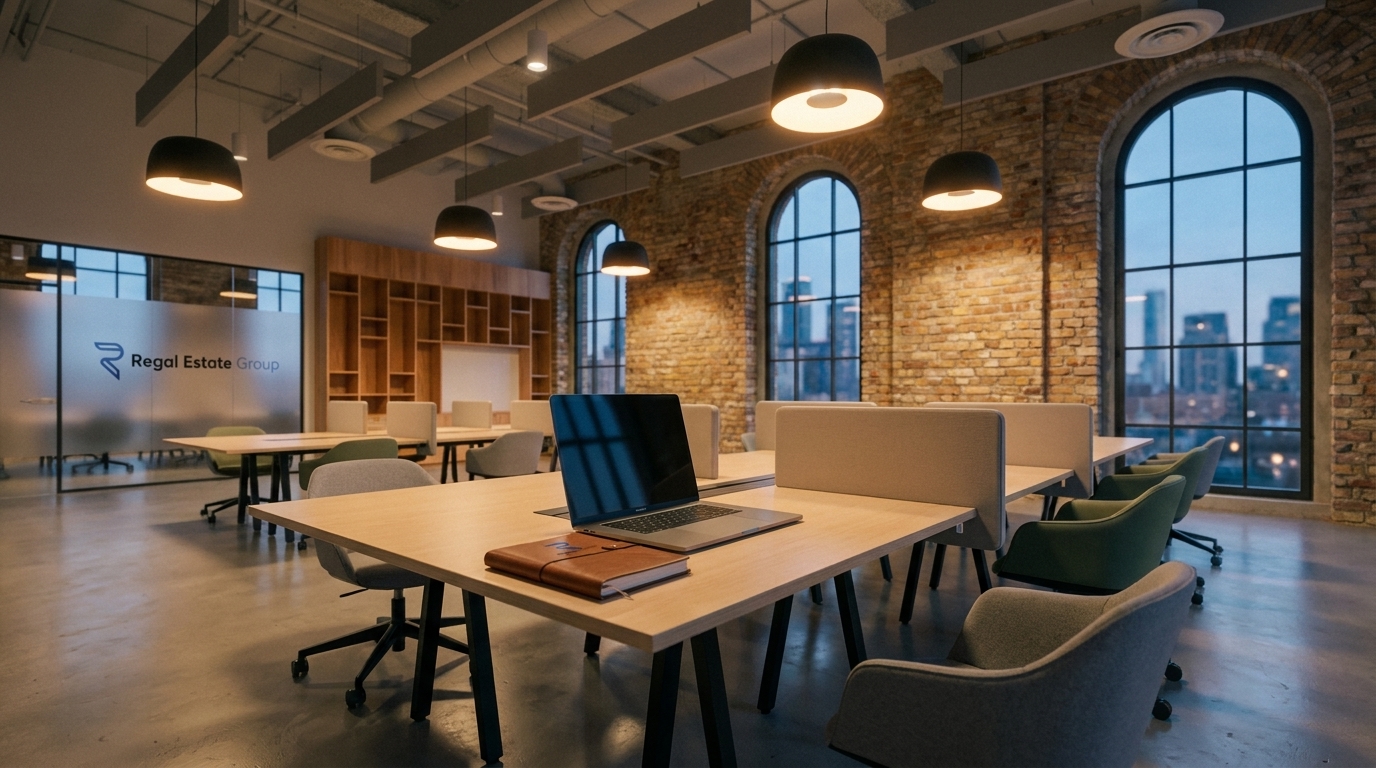
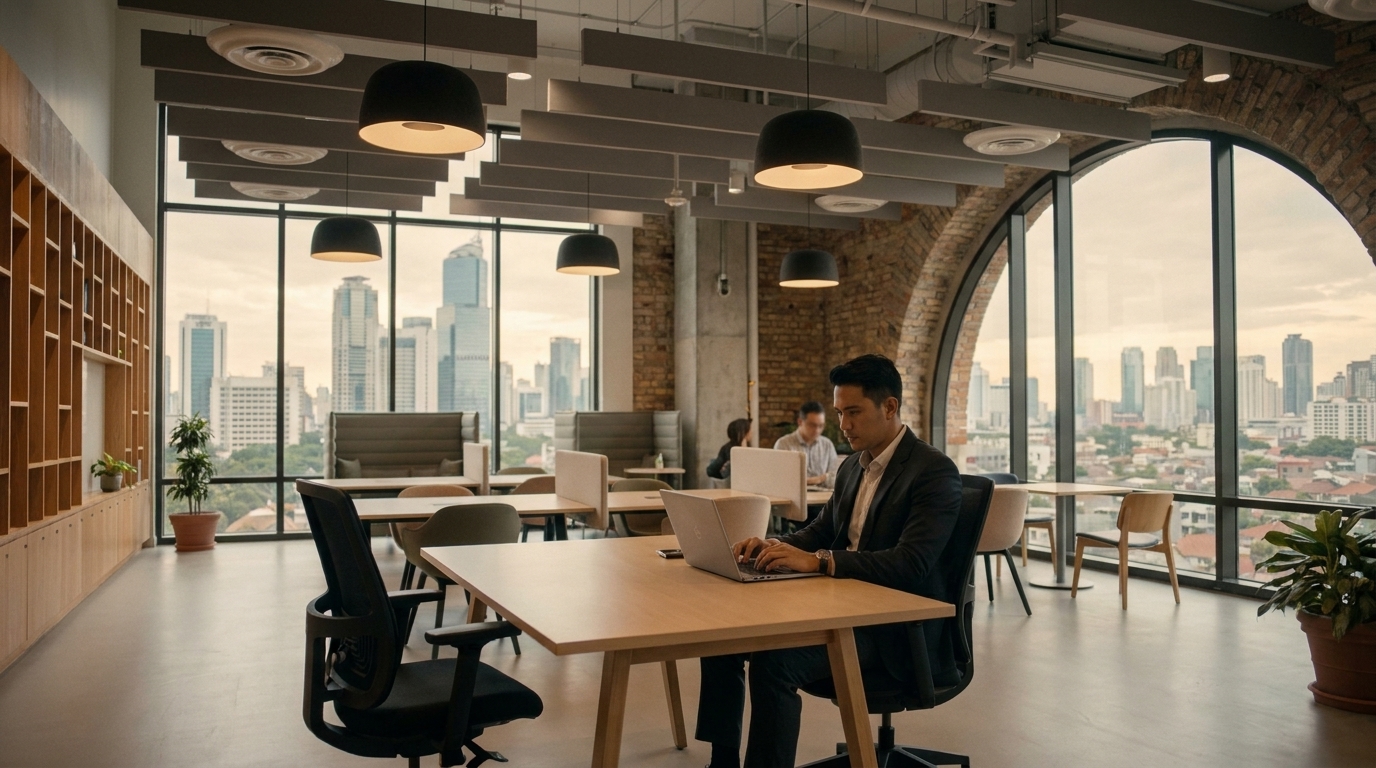
Achieving peak coworking space productivity demands an active relationship with your surroundings. Many individuals treat their workspace as a static backdrop rather than a flexible tool. Recognizing the layout shifts toward privacy and micro-zoning allows you to select the exact right setting for your immediate task. Recent data highlights an optimal balance in modern shared hubs, favoring private offices and dedicated desks over traditional open seating. This evolution directly reflects the modern professional’s demand for high-focus environments. When your schedule dictates intensive concentration, securing a spot in a designated quiet zone or an acoustically treated pod becomes essential. Selecting a highly visible desk near a central kitchen during a deep-work phase invites inevitable interruptions. You must view yourself as a tactician deploying your attention across different environmental zones throughout the day. By treating the entire facility as your personalized toolkit, you actively manage your cognitive load and protect your workflow.
The psychology of shared ambition in your coworking space productivity journey
Peers exert a massive psychological influence over your individual output within these hubs. Unlike solitary home offices that often breed isolation, shared workspaces cultivate an atmosphere of collective industry. Social facilitation dictates that witnessing others engaged in focused tasks naturally enhances your own performance. Observing fellow professionals typing furiously or deep in thought creates a subtle, positive pressure to remain disciplined. This shared ambition establishes a productive social norm that frequently outweighs personal willpower alone. Furthermore, commuting to a distinct professional environment mentally primes your brain for action. Crossing the threshold of an office building signals an immediate transition into professional mode. This clear demarcation remains crucial for preventing the psychological blur that frequently leads to remote worker burnout. Immersing yourself in a culture of achievement elevates your own standards and work ethic. Ambient accountability consistently pushes you through challenging projects and helps maintain momentum throughout the afternoon.
Architecting your personal focus zone for maximum coworking space productivity
Carving out a personal sanctuary constitutes a foundational step for true coworking space productivity. Finding an empty desk represents merely the beginning of this process. Intentionally engineering your immediate physical and digital surroundings minimizes friction and blocks out external chaos. High-quality acoustic headsets operate as non-negotiable assets in any modern professional’s toolkit. They effectively muffle auditory distractions while simultaneously projecting a universal ‘do not disturb’ signal to colleagues. Curating a specialized playlist of instrumental tracks or ambient soundscapes further assists in triggering a state of flow. Beyond controlling audio input, you must rigorously manage your visual field and digital devices. Maintaining a tidy, organized physical desk dramatically reduces unnecessary cognitive load. Implementing rigorous digital hygiene yields even greater dividends for your attention span. Deactivating non-essential notifications on laptops and smartphones prevents the constant pinging that derails concentration. Because regaining absolute focus requires substantial time after a minor interruption, building an impenetrable digital bubble guarantees your best output.
You can learn more about finding the right environment by exploring the intentional office: designing spaces for purpose and productivity.
Leveraging intentional space design for task-specific work
Forward-thinking flexible offices have moved far beyond monolithic open-plan layouts. Current facilities embrace nuanced, modular approaches offering diverse settings perfectly tailored to specific activities. Environments now function elastically, utilizing movable acoustic partitions and mobile furniture to rapidly adapt to daily occupancy levels. Mastering your daily output involves mapping individual tasks to these specialized zones. Professionals executing intense, unbroken concentration should secure private phone booths, bookable single-person rooms, or dedicated library areas. These purpose-built sanctuaries eliminate visual movement and ambient noise entirely.
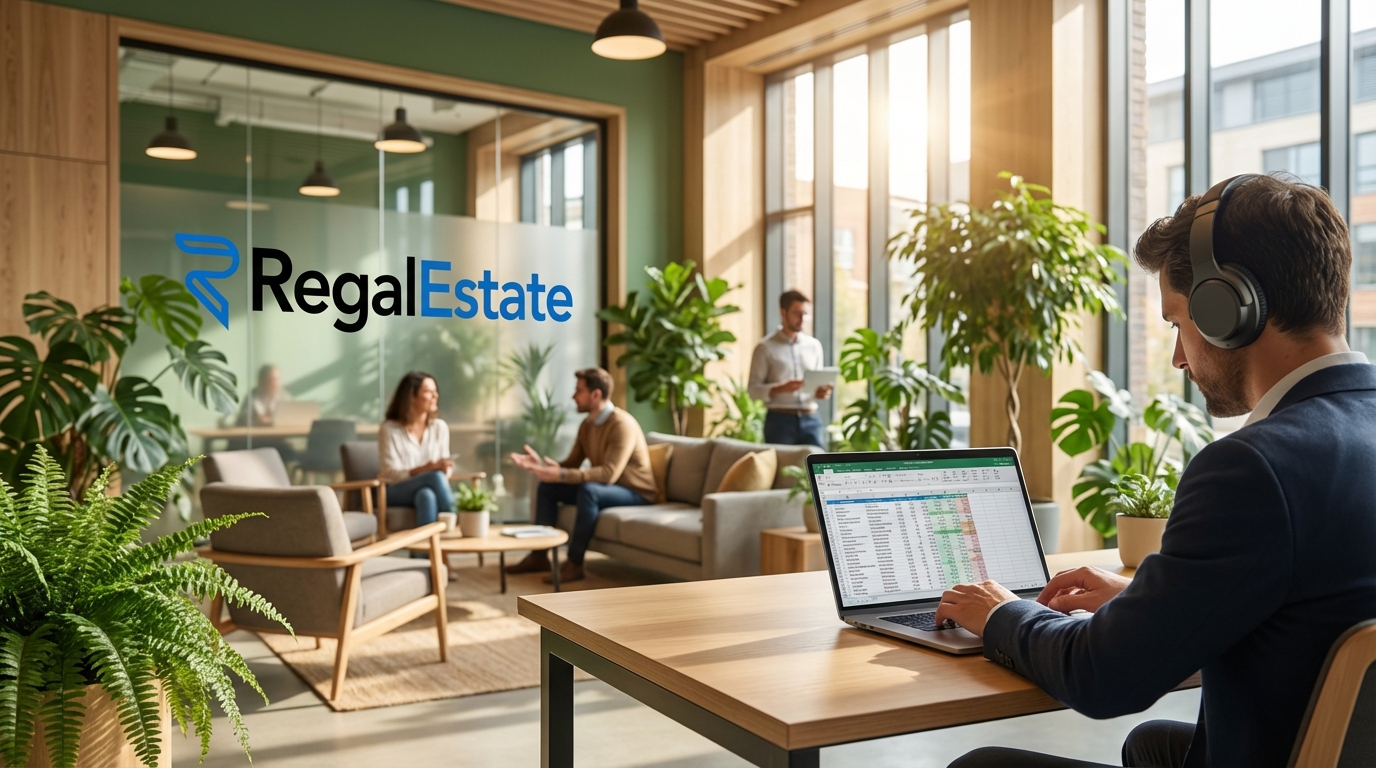
When your agenda shifts toward virtual meetings, phone calls, or light collaborative brainstorming, relocating to common lounges prevents you from disturbing others. Transitioning into soft-seating areas encourages a more relaxed, communicative posture suitable for interactive work. Modern facilities frequently incorporate biophilic design elements, including abundant natural light and indoor plant walls. Utilizing dedicated wellness rooms provides necessary mental resets during demanding afternoons. Taking a brief break in a calming, green space restores cognitive energy far better than scrolling through social media at your primary desk.
According to ongoing workplace performance surveys, aligning specific tasks with the correct physical environment drastically reduces friction and errors.
Managing soft boundaries to boost coworking space productivity
Protecting your focus without appearing unapproachable requires significant social finesse. Community stands out as a primary reason professionals join shared hubs, making outright isolation counterproductive. Setting ‘soft boundaries’ communicates your immediate needs clearly while maintaining positive relationships with your peers. Wearing headphones acts as the initial defense mechanism against casual interruptions. Developing polite but firm responses prepares you for moments when someone inevitably taps your shoulder. Instead of issuing a blunt rejection, try employing a more collaborative phrase. Stating that you would love to chat after finishing a current milestone validates the other person’s request while safeguarding your workflow. Proactive communication eliminates many potential issues before they arise. Informing immediate desk neighbors about an upcoming heads-down session sets clear expectations for the next few hours. Respecting the visual cues of others establishes you as a considerate community member. This mutual understanding forms the bedrock of a positive, high-performing culture.
Implementing a strategic blueprint for deep work in a shared office helps you navigate these social dynamics flawlessly.
Time blocking and task batching in a dynamic environment
Navigating the variable energy of a bustling hub requires structured scheduling methodologies. Time blocking forces you to assign specific hours to individual tasks rather than relying on endless, disorganized lists. This tactic treats your attention as a finite, highly valuable resource. Aligning your most demanding analytical work with the natural rhythms of the building yields excellent results. Early mornings and late afternoons generally offer quieter atmospheres perfect for heavy lifting. Reserving the energetic, mid-day periods for task batching groups similar, lower-intensity activities together. Processing emails, returning phone calls, and handling administrative duties within a single ninety-minute window prevents them from fracturing your primary concentration. Consolidating minor chores allows you to remain fully present during strategic networking moments. Scheduling dedicated coffee breaks ensures you enjoy the social benefits of the community without experiencing guilt over delayed projects. Visualizing your entire day through a strict calendar reduces decision fatigue and blocks spontaneous distractions.
Tapping the collaborative ecosystem for long-term coworking space productivity
Harnessing the collective intelligence of your peers represents a massive advantage within flexible offices. Viewing every conversation strictly as a nuisance severely limits your potential growth. Planned interactions frequently serve as strategic investments that accelerate problem-solving. Encountering a difficult roadblock often requires just a five-minute discussion with an expert sitting three desks away. Actively participating in organized workshops and social gatherings builds a robust network of informal advisors. Statistics consistently demonstrate that professionals who engage with their immediate community report higher satisfaction and better access to valuable resources. Scheduling specific collaboration hours guarantees you reap these benefits without compromising your private deadlines. Committing to a weekly lunch with a different member gradually expands your perspective and industry knowledge. Proactive engagement transforms a random assortment of strangers into a synergistic ecosystem. Shared knowledge and mutual support ultimately catalyze unparalleled professional efficiency and long-term career advancement.
Conclusion: Owning your workplace environment
Transforming your workday requires moving far beyond the simple search for fast internet and a comfortable chair. True excellence demands a holistic strategy that seamlessly integrates your personal habits with the unique architecture of your chosen facility. Understanding the psychology of social facilitation empowers you to draw limitless motivation from the ambitious energy surrounding you. Architecting a customized focus zone utilizing advanced acoustic tools and strict digital hygiene guarantees a reliable sanctuary for complex projects. Leveraging specialized modular zones ensures your physical setting always matches your cognitive requirements. Establishing polite soft boundaries protects your precious time while preserving vital networking relationships. Embracing structured methodologies like time blocking prevents administrative tasks from overwhelming your primary objectives. Proactively engaging the broader community turns potential distractions into incredibly powerful career assets. Mastering these sophisticated techniques guarantees you will unlock unprecedented levels of innovation and performance in your professional journey.