In the hyper-competitive business landscape of Hong Kong, the race for premier talent has never been more intense. As companies navigate skills shortages and a growing gap between employer offerings and employee expectations, the focus is shifting from mere recruitment to holistic team building. Fostering a deeply collaborative culture has emerged as a cornerstone of modern talent acquisition and retention strategies. This approach is not just about filling seats; it’s about cultivating an environment where innovation, shared purpose, and mutual support drive sustainable growth. For businesses in the dynamic core of the city, this cultural imperative is paramount. The challenge lies in weaving the principles of collaboration into the very fabric of an organization, from the first interview to long-term career development, ensuring that the team you build is the team that stays and thrives together. This guide explores the integrated strategies necessary to attract top performers and, more importantly, to create a workplace they won’t want to leave.
Aligning recruitment with a collaborative vision
The foundation of a collaborative workforce is built long before a new hire’s first day. It begins with a recruitment process meticulously designed to identify individuals who not only possess the requisite skills but also demonstrate a strong aptitude for teamwork. Traditional hiring metrics often overlook crucial soft skills like communication, empathy, and conflict resolution. To truly embed collaboration into your company DNA, your talent acquisition process must evolve. This means shifting from siloed interviews to team-based evaluation panels where potential colleagues can assess a candidate’s fit within the group dynamic. It involves using behavioral interview questions that probe past experiences in team projects, asking candidates to describe how they handled disagreements or contributed to a collective success. Furthermore, showcasing your collaborative culture during recruitment is essential. Share stories of successful team projects, feature employee testimonials about the supportive work environment, and be transparent about how cross-departmental cooperation is a daily reality, not just a corporate buzzword. In a talent-scarce market like Central Hong Kong, attracting candidates who value teamwork gives you a distinct competitive advantage, as these individuals are often more engaged, innovative, and committed to the organization’s long-term success.
Onboarding for integration and teamwork
Once a talented individual is hired, the first 90 days are critical in shaping their perception of the company and their role within it. A strategic onboarding process is paramount for retention and is the first real opportunity to immerse a new employee in your collaborative culture. Instead of a simple administrative checklist, onboarding should be an integrated experience that fosters connection and understanding. Assigning a dedicated mentor or ‘buddy’ from a different department can immediately break down silos and encourage cross-functional relationships. Structure the initial weeks to include meetings not just with their direct team but with leaders and peers from across the organization. This provides a holistic view of the business and reinforces the message that every role is interconnected. Collaborative onboarding projects can also be highly effective. Tasking a small group of new hires with solving a real-world business challenge encourages them to learn from each other, leverage their diverse skills, and build a foundational sense of camaraderie. The goal is to move beyond simply teaching them their job; it’s about teaching them how to succeed with others in your unique environment. A robust onboarding program accelerates productivity and significantly improves employee morale and loyalty, making it a cornerstone of effective retention strategies.
Cultivating psychological safety for open collaboration
True collaboration cannot exist without a foundation of psychological safety—the shared belief that team members can take interpersonal risks without fear of negative consequences. When employees feel safe to voice ideas, ask questions, admit mistakes, or challenge the status quo, innovation flourishes. Leaders play the most critical role in cultivating this environment. It requires active listening, showing vulnerability, and framing work as a learning process rather than a purely execution-driven one. Managers should be trained to encourage curiosity and to respond to failure with support, not blame. One powerful technique is to celebrate ‘intelligent failures’—well-intentioned experiments that didn’t pan out but provided valuable lessons. This signals that risk-taking is encouraged. Furthermore, fostering psychological safety is essential in a high-pressure business hub like Central Hong Kong, where the stakes are high. It empowers team members to speak up about potential risks or concerns, leading to better decision-making and preventing costly errors. Regular check-ins and anonymous feedback channels can also provide outlets for concerns before they fester. By making psychological safety a non-negotiable aspect of your team and culture, you unlock the full potential of your talent, as people bring their most creative and authentic selves to work, driving collaboration and collective success.
Designing physical and digital spaces for interaction
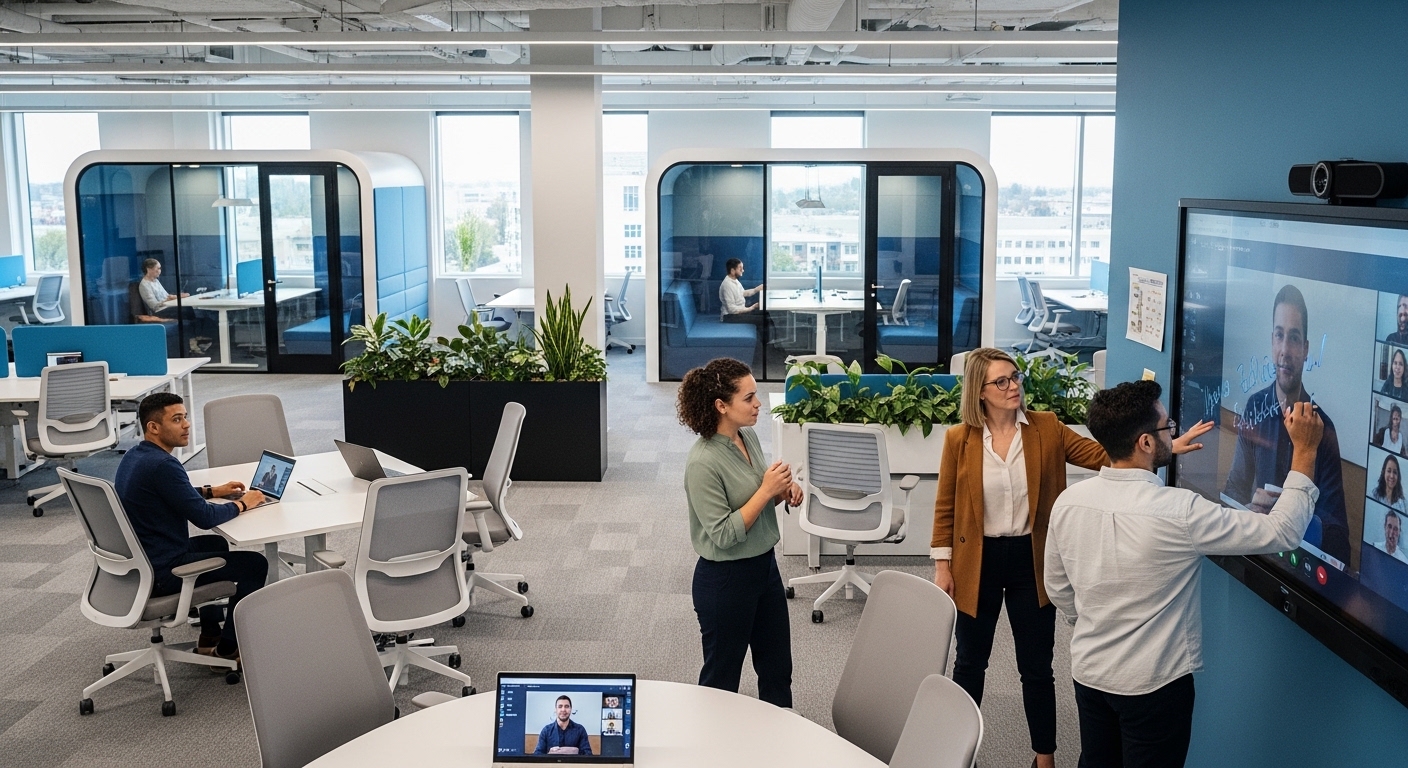
The environment in which a team works—whether physical or digital—has a profound impact on their ability and willingness to collaborate. An intentional workspace design is a critical component of your retention strategy. In the physical office, this means moving beyond endless rows of cubicles to create a dynamic ecosystem of spaces. This includes open-plan areas for spontaneous discussion, private pods for focused work, comfortable lounges for informal brainstorming, and technologically equipped conference rooms for seamless hybrid meetings. The goal is to provide flexibility and choice, empowering employees to select the environment that best suits their task. In the digital realm, the tools you provide are equally important. A unified communications platform that integrates chat, video conferencing, and project management is essential. However, technology is only a facilitator. The real key is establishing digital etiquette and norms that promote healthy collaboration. This includes setting clear expectations for response times, encouraging video calls to foster personal connection, and creating virtual ‘water cooler’ channels for non-work-related interaction. By thoughtfully designing both your physical and digital workspaces, you can break down communication barriers and create more opportunities for the serendipitous encounters that often spark the most innovative ideas, making the workplace an asset in your talent retention efforts.
Linking recognition and rewards to team achievements
To genuinely foster a collaborative culture, recognition and reward systems must evolve beyond celebrating individual superstars to acknowledging collective success. When incentives are solely tied to individual performance metrics, it can inadvertently create internal competition and discourage teamwork. A powerful retention strategy is to build a framework where team-based achievements are prominently celebrated and rewarded. This can take many forms, from team performance bonuses to public accolades for successful project collaborations in company-wide meetings. Spotlight awards that highlight cross-departmental efforts can be particularly effective in breaking down silos. Consider implementing a peer-to-peer recognition program where employees can easily acknowledge colleagues who have been exceptionally helpful or collaborative. This not only boosts morale but also reinforces the desired behaviors from the ground up. By aligning your reward systems with collaborative outcomes, you send a clear and consistent message: the organization values and invests in teamwork. This shift encourages employees to think beyond their individual roles and contribute to the greater good of the team and the company, fostering a powerful sense of shared purpose and collective ownership that is difficult for competitors to replicate.
Investing in continuous learning and shared growth
A commitment to employee development is a cornerstone of modern talent acquisition and retention strategies, and it becomes even more potent when framed around shared growth. Top talent is attracted to organizations where they can expand their skills and see a clear path for advancement. In a collaborative culture, learning is not an isolated activity but a collective one. Companies can foster this by investing in team-based training programs, workshops on communication and conflict resolution, and cross-functional ‘lunch and learn’ sessions where departments share insights and expertise. Creating opportunities for job shadowing or rotational programs allows employees to gain a deeper appreciation for the roles and challenges of their colleagues in other parts of the business, building empathy and strengthening interdepartmental relationships. In a city known for its professional drive, providing clear growth pathways linked to collaborative leadership can be a major differentiator. When employees see that their ability to mentor others, lead team projects, and contribute to a positive group dynamic is valued and rewarded with career progression, they are more invested in the success of their peers. This culture of shared growth creates a self-reinforcing cycle: talented individuals are attracted to the development opportunities, and as they grow, they strengthen the collaborative fabric of the entire organization, making it a place where everyone can thrive.
Fostering a culture of collaboration is not a single initiative but a sustained commitment woven into every aspect of the employee lifecycle. For businesses operating in the demanding environment of Central Hong Kong, adopting integrated talent acquisition and retention strategies centered on teamwork is no longer a choice but a competitive necessity. By aligning recruitment to find team-oriented individuals, creating immersive onboarding experiences, building a foundation of psychological safety, and designing supportive environments, companies can attract and keep the talent needed to thrive. Reinforcing these efforts by rewarding team achievements and investing in shared growth ensures that collaboration becomes an enduring part of the corporate identity. Ultimately, an organization that champions collective success builds a resilient, innovative, and deeply engaged workforce, creating a powerful defense against talent drain and a clear roadmap for long-term success in a challenging market.