The seismic shift to remote and hybrid work, catalyzed by global events, has moved beyond a temporary solution to become a permanent fixture in the modern professional landscape. As we navigate this new era, the conversation has evolved from *if* companies should adopt hybrid models to *how* they can perfect them. Recent data shows a clear preference for flexibility, with a significant majority of the global workforce viewing hybrid arrangements as ideal. This isn’t just about location; it’s a fundamental reimagining of the interplay between work, life, and culture. The challenge for today’s leaders is no longer logistical but cultural: how do you build a cohesive, engaged, and equitable team when your workforce is distributed across homes and office hubs? This post will explore a culture-first framework designed to address this question. We will delve into the critical components of structuring a successful hybrid model, fostering a unified culture, leveraging technology as an enabler, and overcoming the persistent challenges of this dynamic work environment to create a truly thriving, next-generation workplace.
The evolution from reactive to intentional hybrid models
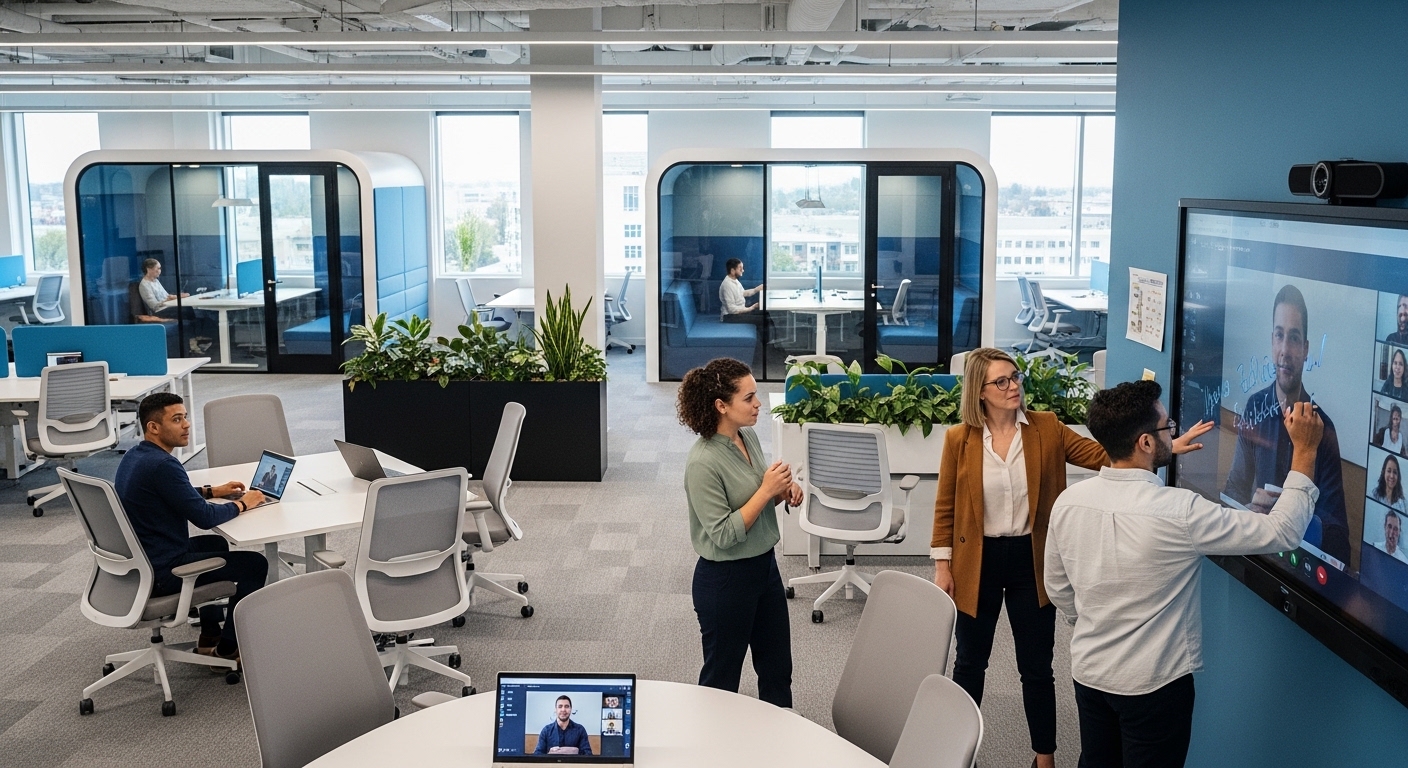
In the initial phases of the pandemic, companies scrambled to implement remote work policies out of sheer necessity. These were reactive, often clunky, and focused on basic operational continuity. Now, the trend is shifting dramatically towards creating highly intentional and structured hybrid work models. The one-size-fits-all mandate is being replaced by a more nuanced, employee-centric approach that prioritizes flexibility and autonomy. Leading organizations are offering employees greater say in their schedules, with some empowering individual teams to determine their own “anchor days” for in-person collaboration. This evolution is a direct response to overwhelming employee demand for adaptable arrangements that better suit their personal and professional lives. A key part of this intentional design involves a renewed focus on the physical office. Instead of being the default place of work, the office is being reimagined as a hub for specific activities—a destination for collaboration, innovation, and cultural connection. Companies are investing in healthier, more appealing, and technologically advanced workspaces designed to make the commute worthwhile. This strategic approach recognizes that the value of in-person time is highest when it is purposeful, fostering meaningful interactions that are difficult to replicate through a screen. The goal is to create a magnetic culture where employees *want* to come together, rather than feeling forced.
Structuring a hybrid framework for equity and inclusion
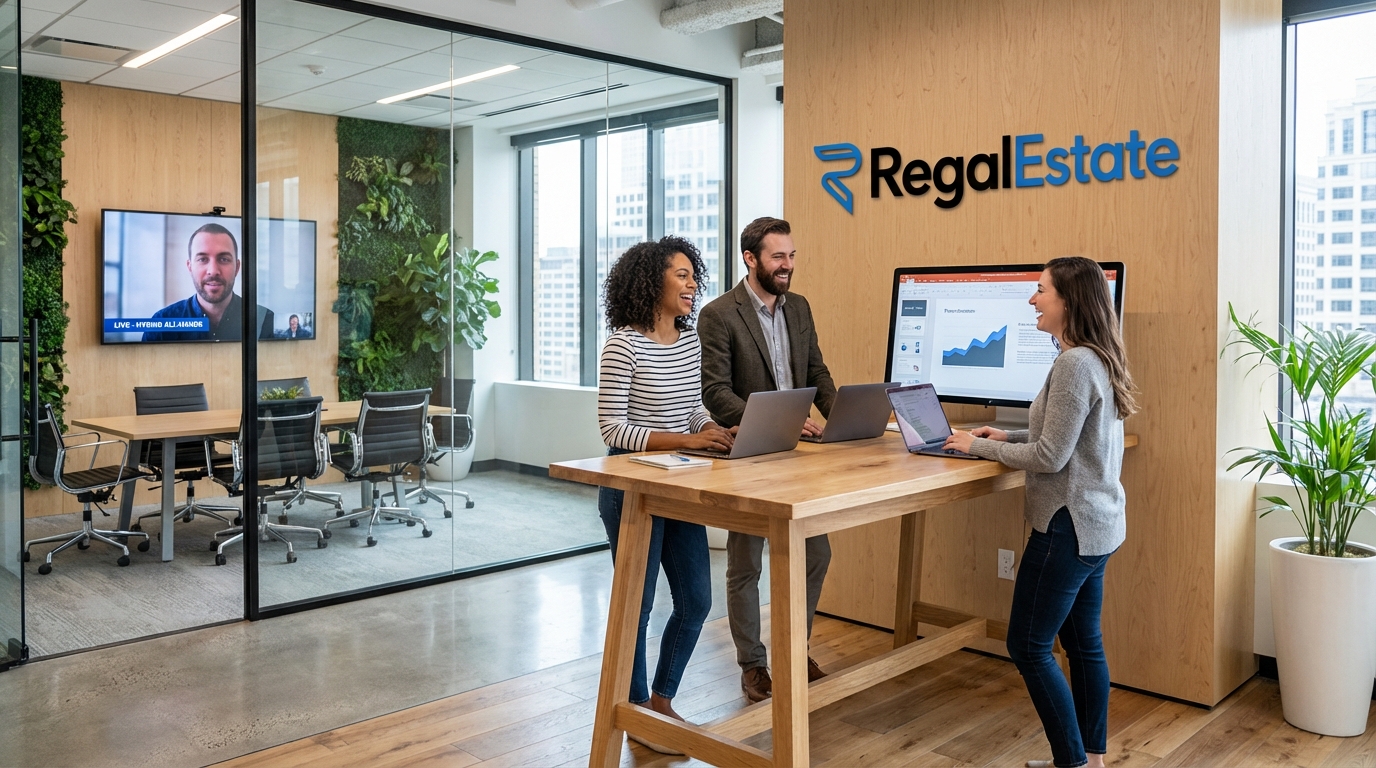
Designing an effective hybrid model requires more than just a calendar. It demands a structure that actively promotes equity and inclusion for all employees, regardless of their location. A primary challenge in hybrid environments is the risk of creating a two-tiered system where in-office employees are perceived as more committed or have greater access to opportunities—a phenomenon known as proximity bias. To counter this, organizations must establish clear and transparent communication protocols. This includes standardizing meeting etiquette, such as ensuring all meetings have a virtual component and that remote participants are given equal opportunity to contribute. Furthermore, performance metrics should be results-oriented, focusing on output and impact rather than hours spent at a desk. Another significant benefit of a well-structured hybrid model is its power to advance Diversity, Equity, and Inclusion (DEI) goals. By removing geographical barriers, companies can access a much wider and more diverse talent pool. This opens doors for individuals with disabilities, caregivers, and others who may have faced obstacles in traditional office-centric roles. Creating an equitable hybrid framework means ensuring that career advancement opportunities, mentorship programs, and informal networking are equally accessible to everyone. Leaders must be trained to manage distributed teams inclusively, fostering a sense of belonging and ensuring that every voice is heard and valued.
Technology as the central nervous system of hybrid culture
In a distributed workforce, technology is not just a tool; it is the central nervous system that connects every employee and underpins the entire company culture. A seamless and integrated tech stack is crucial for bridging the physical distance between team members. The focus is on investing in platforms that facilitate effortless communication and collaboration, moving beyond basic video conferencing to more immersive and interactive solutions. This includes project management software that provides a single source of truth, instant messaging platforms that foster spontaneous connection, and virtual whiteboarding tools that enable dynamic brainstorming sessions. However, technology can also be a significant source of friction. Many workers report losing valuable time to technical difficulties, which can lead to frustration and disengagement. Therefore, providing robust IT support and ensuring secure, reliable connectivity for all employees is non-negotiable. The goal is to make the digital employee experience as frictionless and intuitive as the in-person one. This involves not only providing the right hardware and software but also offering comprehensive training to ensure everyone can use the tools effectively. When technology works seamlessly in the background, it empowers employees to focus on what truly matters: meaningful work and genuine connection with their colleagues, thereby strengthening the cultural fabric of the organization.
Fostering connection and belonging across distances
Maintaining a strong, unified company culture is perhaps the most complex challenge of the hybrid model. When employees are physically separated, the informal interactions that build camaraderie and trust—the coffee machine chats, the hallway conversations—can easily disappear. To counteract this, leaders must be incredibly intentional about fostering connection and a sense of belonging. This requires a multi-faceted approach that goes beyond the occasional virtual happy hour. It involves creating structured opportunities for social interaction, such as virtual team-building activities, special interest groups, and dedicated non-work-related chat channels. More importantly, it requires embedding connection into the daily workflow. Managers should start team meetings with personal check-ins, encourage peer-to-peer recognition, and facilitate cross-departmental projects that allow employees to build new relationships. Leadership visibility is also critical. When leaders regularly communicate the company’s vision and values and are transparent about challenges and successes, it helps everyone feel connected to a shared purpose.
As one industry report noted, “Keeping remote workers integrated and feeling like a part of the team requires intentional effort and inclusive policies.”
Ultimately, a thriving hybrid culture is one where every employee feels seen, heard, and valued, regardless of where they log in from. This sense of psychological safety and belonging is the glue that holds a distributed team together.
Leading and managing in the new hybrid paradigm
The shift to a hybrid model demands a corresponding evolution in leadership and management styles. The command-and-control approach of traditional office environments is ineffective when managing a distributed team. Instead, successful hybrid leaders practice empathy, trust, and flexibility. They focus on outcomes rather than micromanaging processes, giving their team members the autonomy to work in a way that is most productive for them. Communication skills become even more critical; leaders must be masters of clear, concise, and consistent communication across multiple channels to ensure everyone is aligned and informed. Training for managers is essential to equip them with the skills needed to navigate this new paradigm. This includes learning how to conduct effective one-on-one meetings with remote employees, how to spot signs of burnout or disengagement through a screen, and how to provide equitable feedback and coaching. Managers must also become champions of the company culture, actively modeling inclusive behaviors and creating a team environment where both remote and in-office employees feel equally supported. They are the primary conduit between the organization’s vision and the employee’s daily experience, making their role pivotal in the success or failure of the hybrid model. By empowering managers with the right training and resources, organizations can ensure that their leadership is a key enabler of a high-performing and connected hybrid team.
Measuring success and iterating for the future
In the dynamic world of hybrid work, the initial model a company launches is rarely its final form. Continuous measurement and iteration are essential for long-term success. Organizations must move beyond simplistic metrics like office attendance and instead focus on what truly matters: productivity, employee engagement, and overall well-being. This requires a sophisticated approach to data collection and analysis. Regular employee surveys, pulse checks, and feedback sessions are invaluable for gauging sentiment and identifying pain points. Key performance indicators (KPIs) should be re-evaluated to ensure they are location-agnostic and focused on results. Are projects being completed on time and to a high standard? Are employees feeling connected to their teams and the company’s mission? Are there signs of burnout, such as increased absenteeism or decreased participation? By tracking these metrics, leaders can gain a holistic view of the health of their hybrid model. It is also crucial to remain agile and willing to adapt. If a certain policy isn’t working—for example, if mandatory in-office days are causing more friction than collaboration—the organization must be prepared to pivot. The future of work is not a fixed destination but an ongoing experiment. The companies that will thrive are those that listen to their employees, learn from their data, and continuously refine their approach to create a hybrid environment that is productive, sustainable, and truly human-centric.
The transition to a hybrid work model is a journey of continuous improvement, not a one-time event. The framework outlined here—focusing on intentional design, equity, technology, and culture—provides a roadmap for navigating this complex terrain. By moving from a reactive to a proactive stance, organizations can build a workplace that offers the best of both worlds: the flexibility and autonomy that employees crave, and the connection and collaboration that drive innovation and growth. The core principle must be a relentless focus on culture. A strong, inclusive culture is the foundation upon which a successful hybrid model is built, ensuring that all team members feel valued, connected, and empowered to do their best work, no matter where they are. The future of work isn’t about choosing between the office and remote; it’s about thoughtfully integrating them. For leaders, the mandate is clear: build a culture-first hybrid model that not only accommodates the new expectations of the workforce but also serves as a strategic advantage in the ongoing competition for top talent. The organizations that embrace this challenge with intention and empathy will be the ones that define the next generation of work.