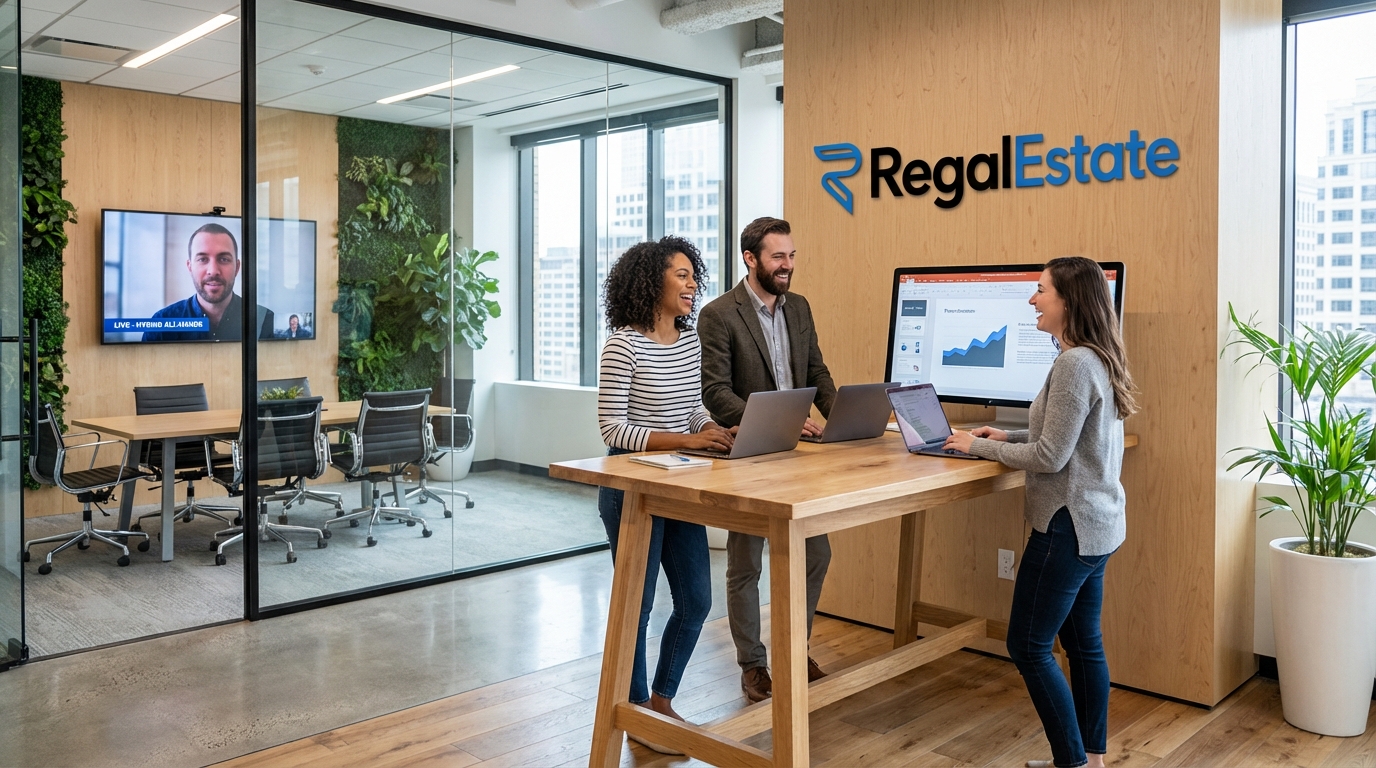
The seismic shift to hybrid work is no longer a temporary experiment; it’s a permanent fixture in the modern professional landscape. While companies have largely figured out the logistical and technological nuts and bolts, a more profound challenge has emerged: how do you build and sustain a vibrant, cohesive team culture when your workforce is scattered across offices and homes? The casual, organic interactions that once formed the bedrock of company culture have been replaced by scheduled video calls and chat messages, creating a complex new environment. This new reality demands more than just flexible schedules and the right software; it requires a deliberate and intentional approach to cultural architecture. Recent trends show that organizations succeeding in this new era are not leaving culture to chance. Instead, they are actively designing systems and rituals that foster connection, equity, and a shared sense of purpose, regardless of physical location. This post will explore the essential blueprint for cultivating a thriving culture in the hybrid workplace, moving from abstract ideals to actionable strategies.
Redefining connection in a distributed world
In a traditional office, connection often happens spontaneously—a chat by the coffee machine, a shared lunch, or an impromptu brainstorming session. A hybrid model, however, can inadvertently create a two-tiered social structure, leaving remote employees feeling isolated and disconnected from the office-based camaraderie. To counteract this, leaders must become architects of connection, intentionally creating pathways for communication and relationship-building. The first step is to establish crystal-clear communication norms. This means defining which channels are used for what types of conversations—for instance, using Slack for quick updates, email for formal announcements, and project management tools for task-specific discussions. This reduces ambiguity and the cognitive load of constant notifications. Furthermore, embracing asynchronous communication is vital. It respects diverse schedules and time zones, empowering employees to contribute thoughtfully without the pressure of immediate response. Documenting decisions and key conversations in a centralized, accessible location ensures that no one is left out of the loop, a common pitfall that can quickly erode trust and create information silos. The goal is to build a communication ecosystem that is inclusive by design, ensuring that every team member has equal access to information and the opportunity to participate, fostering a sense of belonging for all.
Building a foundation of trust and equity
Trust is the currency of a successful hybrid team, yet it’s far more challenging to cultivate without consistent face-to-face interaction. A primary threat to this trust is ‘proximity bias’—the unconscious tendency to favor employees who are physically present in the office. This can manifest in remote workers being overlooked for key projects, promotions, or informal development opportunities. To build a truly equitable hybrid culture, organizations must proactively dismantle this bias. This starts with training managers to evaluate performance based on outcomes and results, not on physical presence or hours clocked. Performance metrics should be clear, objective, and applied consistently across the entire team. Another critical component is creating a level playing field for all interactions, especially meetings. Adopting a ‘remote-first’ approach, where all attendees join meetings from their own devices (even if they’re in the office), prevents the side conversations and subtle exclusion that can happen when some are in a conference room and others are on a screen. Leaders must also be intentional about creating equal access to networking and mentorship, perhaps through structured virtual programs that connect junior and senior team members regardless of their location. By embedding fairness and transparency into every process, companies can build a culture where everyone feels seen, valued, and trusted to do their best work.
The office as a destination for collaboration
As the function of daily work shifts away from a centralized location, the purpose of the physical office must be completely reimagined. It is no longer the default place to work; it is a destination for specific, high-value activities that are best done in person. This transforms the office from a mere workspace into a ‘collaboration hub.’ The key is intentionality. Instead of mandating arbitrary ‘in-office days,’ leading companies are designing purposeful gatherings focused on activities like strategic planning, complex problem-solving, team-building retreats, and project kick-offs. These events become powerful cultural touchstones that strengthen bonds and align the team around a shared mission. To make this effective, the physical space itself often needs a redesign. Rows of cubicles are giving way to more flexible, dynamic environments with a variety of collaboration zones, project rooms, and social spaces that can be adapted to the needs of different teams and tasks. Scheduling these in-person moments requires careful planning to maximize their impact while respecting the flexibility that employees value. By treating in-office time as a valuable resource for specific collaborative purposes, organizations can enhance teamwork and innovation while still offering the autonomy and work-life balance that are hallmarks of a successful hybrid model.
Empathetic leadership as the cultural glue
In a hybrid environment, the role of a leader transforms from a supervisor to a facilitator of culture and connection. The most effective hybrid leaders are those who lead with a high degree of empathy and emotional intelligence. They understand that each team member has a unique set of circumstances, challenges, and preferences. This requires a shift from a one-size-fits-all management style to a more personalized and supportive approach. Regular, meaningful one-on-one check-ins are more critical than ever. These conversations should go beyond simple status updates to include discussions about well-being, workload, and career aspirations, helping employees feel supported and connected to the bigger picture. Empathetic leaders are also skilled at fostering psychological safety, creating an environment where team members feel comfortable speaking up, sharing ideas, and admitting mistakes without fear of retribution. This is especially important for remote participants in meetings, who might hesitate to interject. Leaders can actively solicit their input first to ensure their voices are heard. Ultimately, leaders are the primary role models for a healthy hybrid culture. By demonstrating trust, respecting boundaries, and communicating transparently, they set the tone for the entire team and provide the cultural glue that holds a distributed workforce together.
Leveraging technology to enhance human connection
While technology is the enabler of hybrid work, its role extends far beyond simple collaboration tools. The right technology stack, used thoughtfully, can be a powerful force for enhancing human connection and reinforcing a positive team culture. While platforms like Slack and Microsoft Teams are essential for workflow, organizations should also invest in tools that facilitate the informal social interactions that are missing in a distributed setup. This could include dedicated channels for non-work topics like hobbies, pets, or travel, which help team members connect on a personal level. Some companies are implementing ‘virtual water cooler’ apps that randomly pair colleagues for short, informal video chats, recreating the serendipitous encounters of the office. It’s also crucial to use technology to recognize and celebrate contributions. Public recognition channels where peers can give shout-outs for great work can significantly boost morale and visibility, especially for remote employees whose efforts might otherwise go unnoticed. Technology can also be used to gather regular feedback on the health of the company culture through pulse surveys and other tools, providing leaders with the data they need to make informed adjustments. The key is to view technology not just as a means for productivity, but as a bridge to build community and ensure that every employee, no matter where they log in from, feels like an integral part of the team.
Cultivating rituals for a shared identity
Rituals are the shared behaviors and experiences that define a culture and create a sense of collective identity. In the absence of a shared physical space, creating new, intentional rituals is essential for unifying a hybrid team. These rituals can be simple but powerful. A weekly ‘wins’ announcement in a company-wide channel, a monthly virtual all-hands meeting that starts with personal stories, or a structured virtual onboarding process that pairs new hires with cultural ‘buddies’ can all help to weave a strong cultural fabric. On a team level, this could look like starting each meeting with a non-work-related icebreaker or ending the week with a virtual social gathering. The key is consistency and inclusivity. The rituals must be designed so that both in-office and remote employees can participate equally. For example, if a team celebrates a project milestone with a lunch in the office, a budget should be provided for remote employees to order their own celebratory meal. Over time, these repeated, positive interactions become the cultural bedrock of the organization. They create a predictable rhythm of connection and reinforce the company’s values in a tangible way. By being deliberate about creating these shared experiences, leaders can foster a powerful sense of community and ensure that their company’s unique cultural identity not only survives but thrives in the hybrid era.
The transition to a successful hybrid model is a journey, not a destination. It requires a fundamental rethinking of how we approach team culture, moving from an environment of organic, assumed connection to one of intentional, deliberate design. The blueprint for success is not found in rigid policies but in a commitment to core principles of trust, equity, and empathetic leadership. By redefining connection, reimagining the office as a destination, and embedding cultural rituals into the workflow, organizations can overcome the challenges of a distributed workforce. This intentional approach allows companies to build a resilient, inclusive, and engaging culture that attracts and retains top talent. The future of work is not just about where we work, but how we connect, collaborate, and grow together. For leaders willing to architect this new cultural blueprint, the hybrid model offers an unparalleled opportunity to build stronger, more effective, and more human-centric teams than ever before.