The world of work has irrevocably shifted, and the aftershocks are reshaping the commercial real-estate landscape. The rise of hybrid models, the flight to quality, and an emphasis on employee well-being have created a complex but opportunity-rich environment for businesses. In this new era, the office is no longer just a place to work; it’s a strategic tool for attracting and retaining talent, fostering innovation, and driving growth. This is particularly true in a dynamic and competitive market like Boston, where the right workspace can be a key differentiator. This guide will provide a strategic framework for navigating the complexities of choosing a workspace, from understanding the current market dynamics to designing a space that aligns with your unique business goals and culture.
Analyzing the current workspace landscape
The current workspace landscape is characterized by a number of key trends, each of which has significant implications for your workspace strategy. The most significant of these is the widespread adoption of hybrid work models. With a majority of businesses now offering employees the flexibility to work from both the office and home, the traditional five-day-a-week commute is becoming a thing of the past. This has led to a fundamental rethinking of the purpose of the office. It’s no longer just a place for individual work, but a hub for collaboration, connection, and culture-building. Another key trend is the “flight to quality.” As companies downsize their real estate footprints, they’re reinvesting in higher-quality spaces that offer a better employee experience. This includes amenities like fitness centers, outdoor spaces, and high-tech meeting rooms. Finally, there’s a growing emphasis on sustainability and well-being. Employees are increasingly looking for workplaces that are not only good for the planet but also good for their physical and mental health. This means features like natural light, biophilic design, and wellness rooms are becoming increasingly important. Understanding these trends is the first step in developing a workspace strategy that will meet the needs of your business and your employees, both now and in the future.
Defining your workspace needs and objectives
Before you can begin to think about choosing a workspace, you need to have a clear understanding of your needs and objectives. This means taking a step back and thinking about the big picture. What are your business goals? What is your company culture? How do you want your employees to work? Answering these questions will help you to develop a workspace strategy that is aligned with your overall business strategy. For example, if your goal is to foster innovation, you’ll want to create a space that encourages collaboration and creativity. This might mean an open-plan layout with plenty of breakout spaces and whiteboards. On the other hand, if your goal is to attract and retain top talent, you’ll want to focus on creating a space that is comfortable, convenient, and offers a great employee experience. This might mean a location with easy access to public transportation and a variety of amenities. Once you have a clear understanding of your needs and objectives, you can begin to think about the specific features and amenities you’re looking for in a workspace. This will help you to narrow down your options and find a space that is the perfect fit for your business.
Exploring different workspace models
The days of the traditional long-term lease being the only option are long gone. Today, there is a wide variety of workspace models to choose from, each with its own advantages and disadvantages. The most popular of these is coworking, which offers flexible, on-demand access to shared workspace. Coworking is a great option for startups, freelancers, and small businesses that are looking for a cost-effective and collaborative environment. Another popular option is the serviced office, which provides a private, fully-furnished office with all the amenities and services of a traditional office. Serviced offices are a good choice for businesses that need a professional, move-in ready space without the commitment of a long-term lease. For businesses that are looking for a more customized solution, there is the option of a managed office. With a managed office, a third-party provider will work with you to design, build, and manage a workspace that is tailored to your specific needs. This is a great option for businesses that want a unique, branded space without the hassle of managing it themselves. Finally, for businesses that have a distributed workforce, there is the option of a virtual office. A virtual office provides a professional business address, mail handling services, and access to meeting rooms, without the need for a physical office space. Making the right choice will depend on a variety of factors, including your budget, your business needs, and your company culture. It’s important to carefully consider all of your options before making a decision. For companies in Boston, the diverse market offers a range of choices from the Financial District to the Seaport.
Key factors to consider when choosing a location
The location of your workspace is one of the most important decisions you’ll make. It can have a significant impact on your ability to attract and retain talent, your brand image, and your bottom line. There are a number of key factors to consider when choosing a location. First, you need to think about your employees. Where do they live? How will they get to work? A location with good public transportation links and easy access to major highways will be a major selling point for potential employees. You also need to think about your clients. Where are they located? A location that is convenient for your clients will make it easier to do business with them. Another important factor to consider is the local talent pool. If you’re in a high-growth industry, you’ll want to choose a location with a large and growing pool of skilled workers. The local amenities are also important. A location with a good mix of restaurants, shops, and other amenities will be more attractive to employees and clients. Finally, you need to think about your brand image. The location of your workspace says a lot about your company. A prestigious address in a prime location can help to enhance your brand image and attract new business. A thoughtful analysis of these factors is crucial for any business, and especially so for those looking to establish a presence in a competitive city like Boston.
The role of technology in the modern workspace
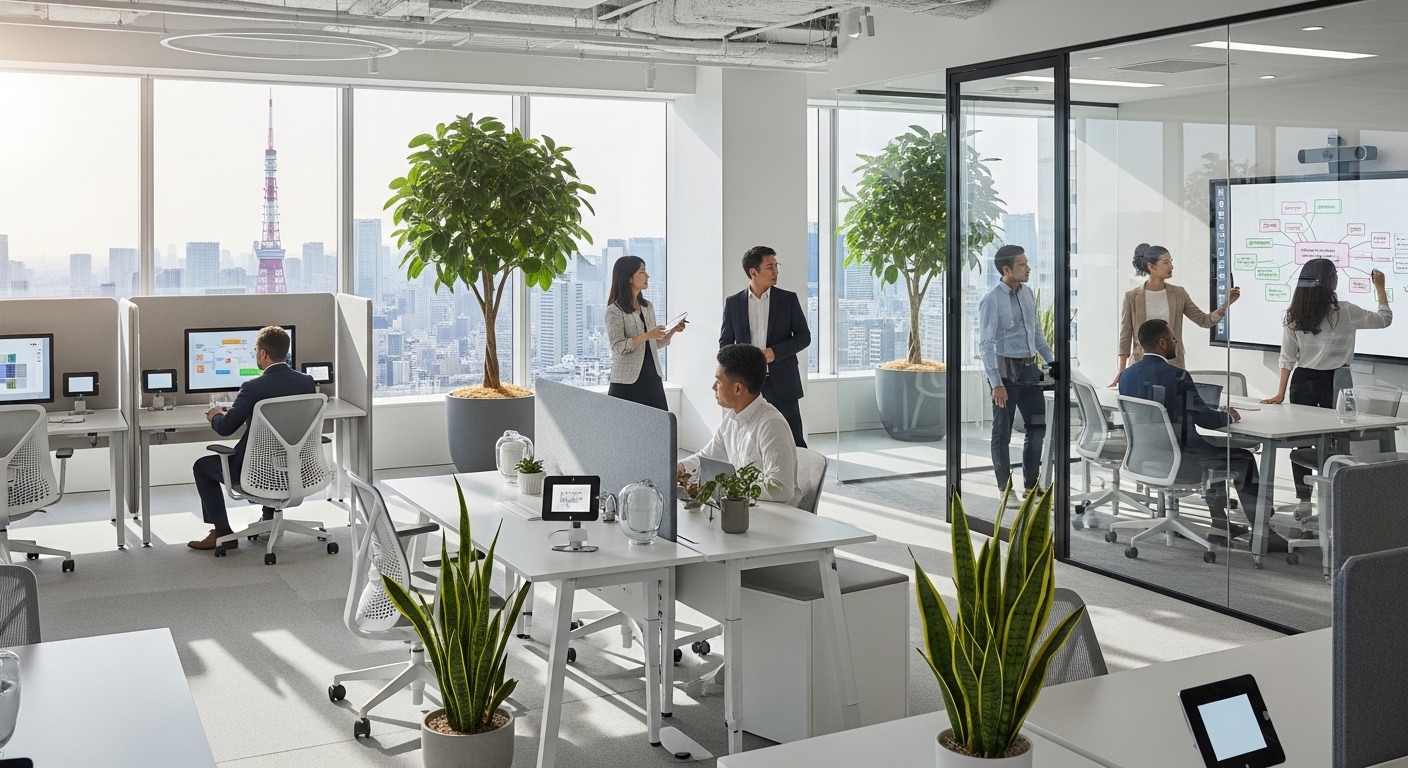
Technology has become an indispensable tool in the modern workspace. From collaboration software to smart building systems, technology is transforming the way we work. When choosing a workspace, it’s important to consider the role that technology will play in your business. First, you need to think about your IT infrastructure. Do you need a high-speed internet connection? Do you need a secure network? Do you need access to cloud-based services? Make sure the workspace you choose can meet your IT needs. You also need to think about collaboration tools. With a growing number of employees working remotely, it’s important to have tools that allow them to collaborate effectively with their colleagues. This might include video conferencing, instant messaging, and project management software. Finally, you need to think about smart building systems. Smart building systems can help you to improve energy efficiency, enhance security, and create a more comfortable and productive work environment. For example, you can use sensors to automatically adjust the lighting and temperature, and you can use a mobile app to book meeting rooms and access other building services. By embracing technology, you can create a workspace that is more efficient, collaborative, and enjoyable for your employees.
Designing a workspace for productivity and well-being
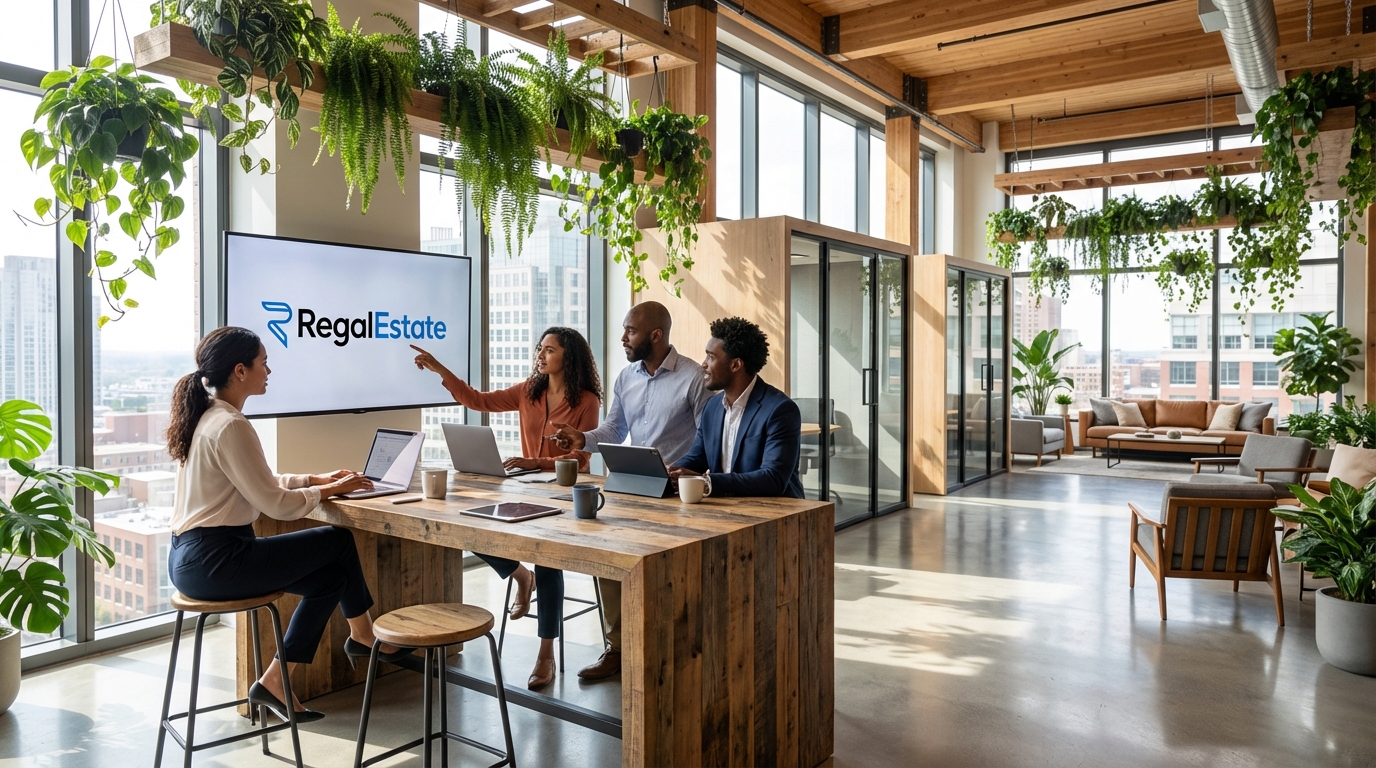
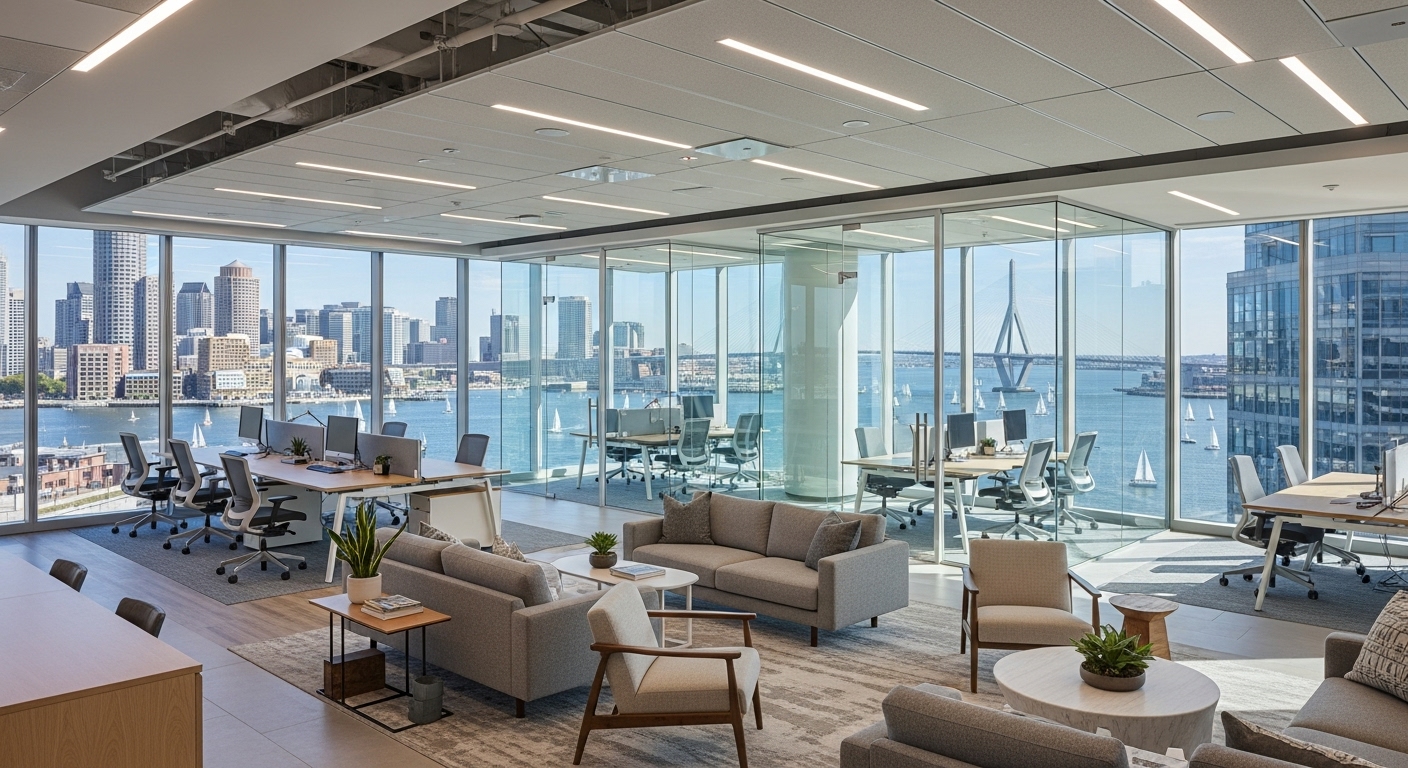
The design of your workspace can have a significant impact on the productivity and well-being of your employees. A well-designed workspace can help to improve focus, creativity, and collaboration. It can also help to reduce stress and improve employee morale. There are a number of key principles to follow when designing a workspace for productivity and well-being. First, you need to create a variety of work settings. Not everyone works in the same way. Some people prefer to work in a quiet, focused environment, while others prefer to work in a more collaborative setting. By providing a variety of work settings, you can allow employees to choose the environment that works best for them. You also need to incorporate biophilic design. Biophilic design is the practice of incorporating natural elements into the built environment. This can include things like plants, natural light, and water features. Studies have shown that biophilic design can help to reduce stress, improve cognitive function, and increase creativity. Finally, you need to provide amenities that support employee well-being. This might include a fitness center, a yoga studio, or a meditation room. By investing in the well-being of your employees, you can create a more positive and productive work environment. The Seaport District in Boston is a great example of a neighborhood that has embraced this trend, with many new buildings incorporating these design principles.
Future-proofing your workspace strategy
The world of work is constantly evolving. The trends that are shaping the workspace today may be different from the trends that will shape it tomorrow. That’s why it’s important to future-proof your workspace strategy. This means creating a strategy that is flexible and adaptable to change. One way to do this is to choose a workspace model that offers flexibility. For example, a coworking membership or a short-term lease will give you the ability to scale your workspace up or down as your needs change. Another way to future-proof your strategy is to embrace technology. Technology can help you to create a more agile and resilient workspace. For example, you can use cloud-based services to allow employees to work from anywhere, and you can use smart building systems to optimize your energy consumption and reduce your environmental impact. Finally, it’s important to stay up-to-date on the latest trends in workspace design and technology. By continuously learning and adapting, you can ensure that your workspace will continue to meet the needs of your business and your employees in the years to come.
In conclusion, choosing the right workspace is a critical decision that can have a lasting impact on your business. It’s no longer just about finding a place for your employees to work; it’s about creating a strategic asset that can help you to achieve your business goals. By taking a thoughtful and strategic approach, you can create a workspace that is not only functional and efficient but also a source of inspiration and innovation for your team. The current market offers a wealth of options, and by understanding the trends, defining your needs, and exploring the possibilities, you can find a workspace that will help your business to thrive in the years to come. In a city like Boston, with its rich history and dynamic future, the right workspace can be the key to unlocking your full potential.