The great workspace debate has moved far beyond assigning desks and measuring square footage. In an era defined by hybrid models and distributed teams, the office is no longer a default destination but a deliberate choice. Today’s forward-thinking organizations are asking a more fundamental question: What is our workspace for? This shift demands a new approach—one that is intentional, flexible, and rooted in purpose. Simply having a physical office is no longer enough; it must serve as a strategic tool that enhances collaboration, fosters innovation, and strengthens company culture. Recent trends show a clear move away from monolithic headquarters toward dynamic ecosystems of spaces tailored to specific activities. This article introduces a purpose-driven framework to guide your workspace selection process, ensuring your physical environment is not just a cost center, but a powerful driver of performance and engagement in the new world of work.
Defining your workspace purpose: the core of your strategy
Before exploring layouts or locations, the foundational step is to define the core purpose of your physical workspace. The ‘why’ behind your office will dictate every subsequent decision. For decades, the purpose was implicit: it was where work happened. Today, with work happening everywhere, the office’s role must be explicit. Start by engaging with your teams and leadership to ask critical questions. Is the primary goal to foster spontaneous innovation through in-person collaboration? Is it to provide a high-tech hub for client presentations and brand immersion? Or is it to serve as a cultural anchor, a place for team-building, mentorship, and strengthening social bonds that can fray in a remote setting? Many organizations find their purpose is a blend of these. For example, a tech company might designate its space primarily for deep, collaborative engineering sprints that are difficult to replicate remotely, while a consulting firm might prioritize creating a premium client-facing experience. Documenting this purpose statement becomes your North Star. It transforms the conversation from ‘How much space do we need?’ to ‘What kind of space will best achieve our strategic objectives?’ This initial step ensures you’re not just leasing real estate, but investing in a strategic asset tailored to your unique operational DNA.
The ecosystem approach: designing for diverse work modes
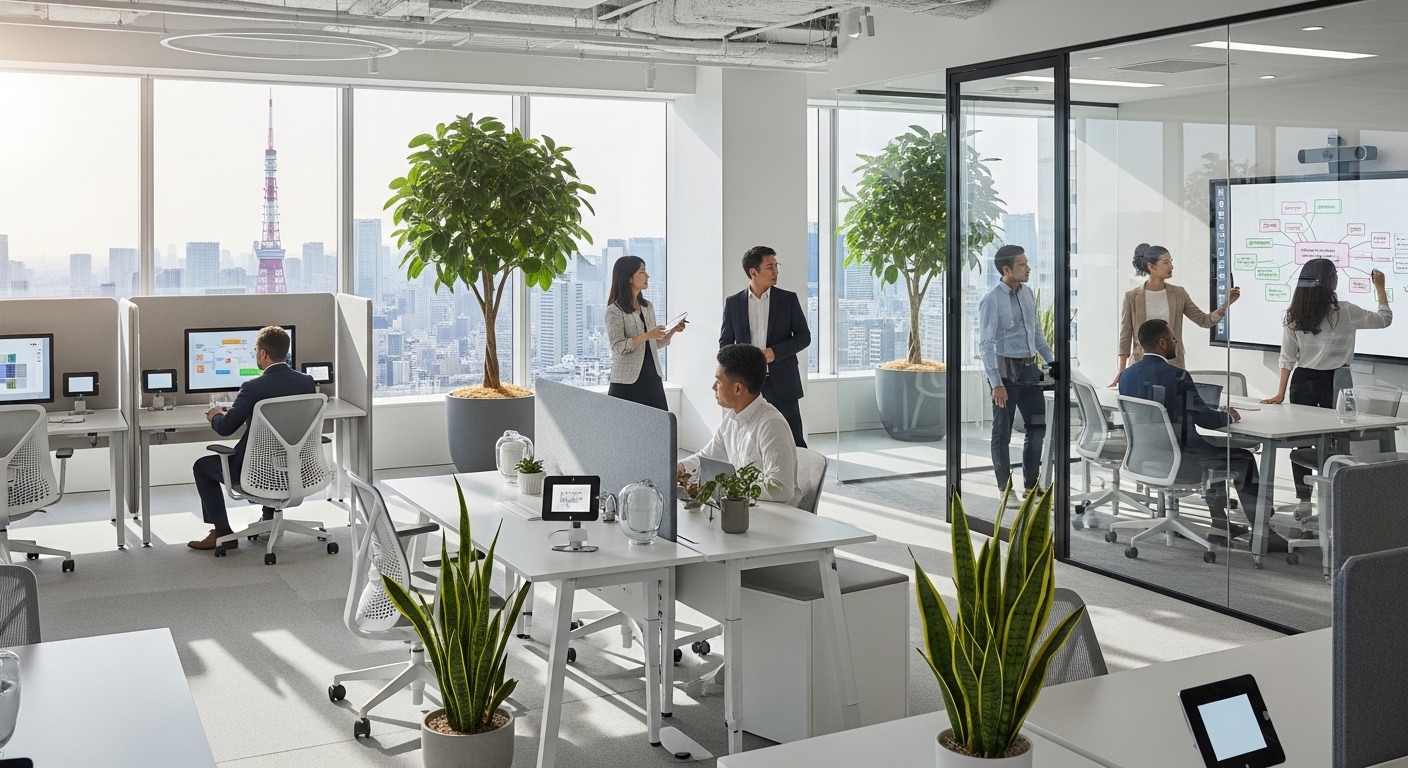
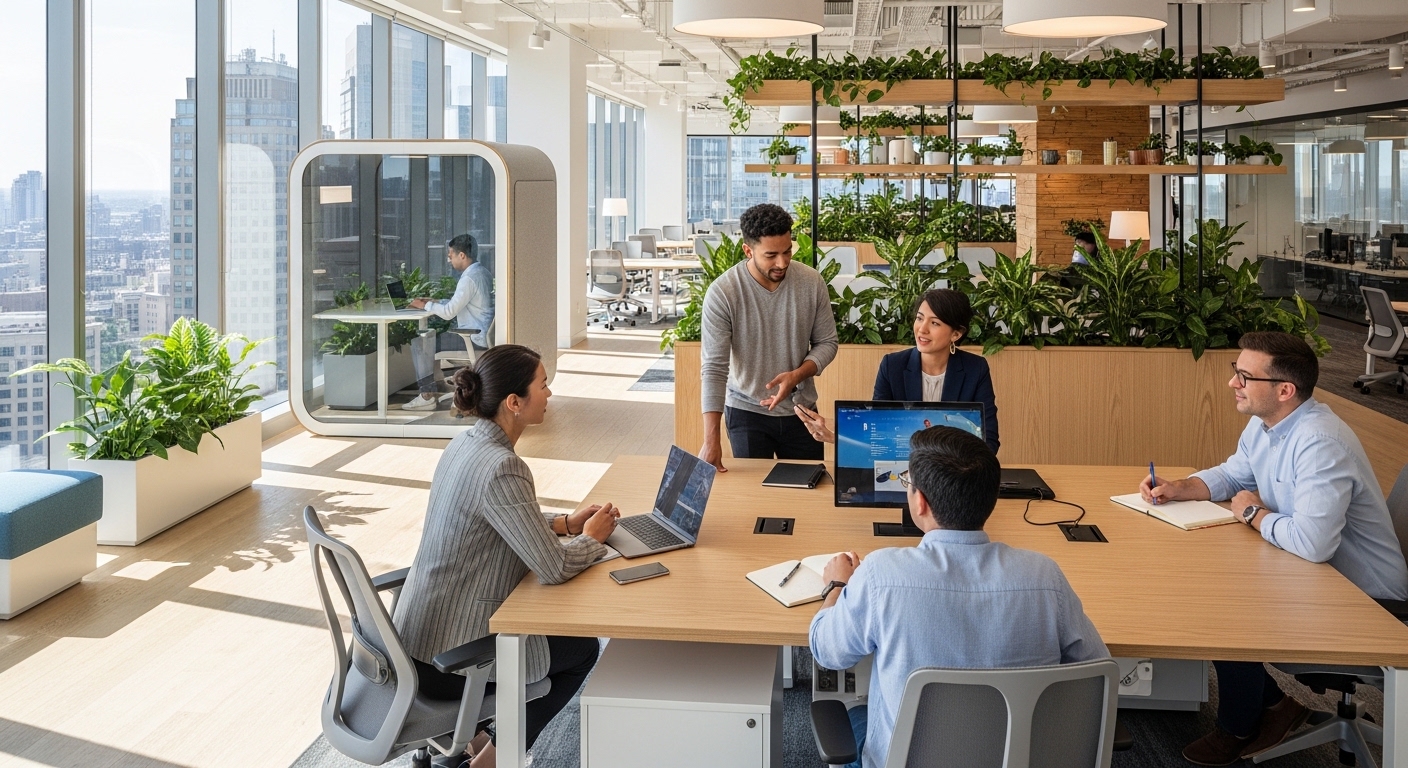
Once you’ve defined your overarching purpose, the next step is to recognize that a single, open-plan office cannot fulfill the diverse needs of a modern workforce. The solution is an ecosystem of varied spaces designed for different modes of work, a concept known as Activity-Based Working (ABW). This model empowers employees to choose the environment that best suits their task at hand. Your workspace ecosystem should be a carefully curated collection of zones. For instance, include ‘focus pods’ or library-like quiet areas where individuals can perform deep, concentrated work without distraction. Contrast this with dynamic ‘collaboration hubs’ featuring modular furniture, digital whiteboards, and seamless video conferencing technology to support brainstorming and team projects. ‘Social zones,’ such as cafes or comfortable lounges, are crucial for fostering the informal interactions that build culture and spark creativity. Finally, don’t forget ‘private spaces’—small, enclosed rooms for confidential calls and one-on-one meetings. This approach moves away from the rigid assignment of one desk per person and embraces a more fluid, trust-based model like hot-desking or hoteling, managed by user-friendly booking software. By providing a rich tapestry of work settings, you cater to the natural rhythm of an employee’s day and empower them to be more productive and engaged.
Location, location, collaboration: rethinking accessibility and geography
The purpose-driven framework fundamentally changes the calculus of choosing a location. The old model prioritized a central headquarters that maximized commute times for a five-day work week. The new model, however, prioritizes accessibility and convenience for a workforce that may only come to the office for specific, high-value activities. If your workspace’s primary purpose is to be a hub for team collaboration, its location should be strategically chosen to be easily reachable for the majority of your team members. This has led to the rise of the ‘hub-and-spoke’ model, where a company might have a smaller central hub for major events and client meetings, supplemented by smaller satellite offices or memberships to coworking spaces in suburban areas where employees live. This distributed approach reduces commute burdens, improves work-life balance, and can even widen your talent pool. When evaluating potential locations, analyze employee demographic data. Where do your people live? What are the transport links like? Consider proximity to amenities that align with your company culture, such as restaurants for team lunches, parks for well-being, or industry hubs for networking. The goal is no longer to bring everyone to one massive building, but to create intentional, accessible gathering points that make the commute worthwhile.
Integrating technology as the connective tissue
In a purpose-driven workspace designed for a hybrid workforce, technology is not an afterthought; it is the essential connective tissue that binds the physical and digital realms. A seamless tech experience is critical to making the office a viable and attractive option for employees. The infrastructure must be robust, starting with enterprise-grade, high-speed Wi-Fi that can handle dozens of simultaneous video calls without faltering. Every collaboration space must be equipped with high-quality, user-friendly video conferencing hardware. The goal is to achieve ‘meeting equity,’ ensuring that remote participants feel just as present and included as those in the room. Beyond meetings, consider investing in smart office solutions. Desk and room booking systems are essential for managing a flexible, non-assigned seating plan. These platforms not only reduce friction for employees but also provide valuable utilization data, helping you understand which spaces are most popular and how to optimize your layout over time. Smart sensors can monitor air quality and occupancy, aligning with a growing focus on employee well-being. This integrated technology stack ensures that the office is not an isolated island but a fully connected node in your broader workplace network, enabling productivity and collaboration regardless of physical location.
Financial flexibility: aligning cost models with agile needs
A workspace strategy built on purpose and flexibility demands an equally agile financial model. The era of signing a rigid 10-year lease for a space that may not suit your needs in three years is fading. The purpose-driven model often means that daily office occupancy fluctuates, making the traditional cost-per-square-foot metric less relevant. Businesses are now increasingly turning to more flexible real estate solutions that better align costs with actual usage. Serviced offices and managed workspaces offer the ability to scale up or down with shorter commitment terms, providing an operational agility that is invaluable in a volatile market. These options often bundle costs like utilities, cleaning, and IT support into a single, predictable fee, simplifying financial planning. For companies still preferring a traditional lease, negotiations are changing. There is greater emphasis on break clauses, rights to sublet, and landlord contributions towards building out a flexible, tech-enabled ecosystem of spaces. The key is to view your real estate portfolio not as a fixed, long-term liability but as a dynamic component of your operational strategy. This financial agility allows you to adapt your physical footprint as your business purpose, team size, and work patterns evolve over time.
Measuring success: metrics for a purpose-driven workspace
How do you know if your purpose-driven workspace is truly working? The metrics for success must evolve alongside the strategy itself. While budget adherence remains important, a more holistic set of indicators is needed to measure the true return on your investment. Start by gathering qualitative and quantitative data directly from your employees. Regular surveys and feedback sessions can gauge satisfaction levels with the new environment and identify pain points. Are they able to find the right type of space when they need it? Does the office environment help them feel more connected to their colleagues and the company culture? Complement this with quantitative utilization data from your booking systems. Which zones are most used? What are the peak occupancy times? This information is gold, allowing you to make data-driven decisions about reconfiguring layouts or investing in more of what works. Link these workspace metrics to broader business KPIs. For example, you could track if in-person collaboration days correlate with faster project completion times or increased innovation outputs. By focusing on metrics related to productivity, engagement, and employee retention, you can build a powerful business case demonstrating that your workspace is not just a place, but a strategic lever for success.
In conclusion, the selection of a workspace has transformed from a simple operational task into a complex strategic decision. The purpose-driven framework provides a clear roadmap for navigating this new landscape. By starting with ‘why,’ you anchor your strategy in the unique needs of your organization and its people. Designing an ecosystem of diverse work modes, choosing locations that prioritize accessibility, integrating seamless technology, and adopting flexible financial models are the pillars that support this core purpose. The future of work is not about mandating attendance in a specific building; it is about creating intentional, compelling environments that empower people to do their best work. By moving beyond the desk and embracing a purpose-driven approach, you can create a workspace that is not only resilient and adaptable but also a true catalyst for collaboration, culture, and sustained business growth.