The decision of where your team works has evolved from a simple real estate transaction into a complex strategic choice that sits at the intersection of finance, technology, and human resources. In an era defined by hybrid models and a renewed focus on employee well-being, the right workspace is more than just a physical location; it’s a critical tool for fostering culture, driving productivity, and attracting top talent. Gone are the days of choosing an office based solely on cost per square foot. Today’s leaders must weigh a dynamic set of variables, from technological infrastructure to the daily commute of a distributed team. This guide provides a strategic framework for navigating this new landscape. We will explore the essential factors—from defining your team’s core operational needs to designing a space that promotes flexibility and well-being—to help you select a workspace that not only fits your budget but also empowers your team to do their best work and propels your business forward.
Defining your operational needs
Before you can find the right space, you must first develop a deep understanding of how your team actually operates. The most common mistake in workspace selection is choosing a physical environment that clashes with the company’s workflow and culture. Begin by conducting a thorough analysis of your team’s daily activities. Are your employees primarily engaged in deep, focused work that requires quiet and concentration? Or is their day dominated by collaborative projects, brainstorming sessions, and frequent communication? A data-driven approach is invaluable here. Utilize employee surveys and focus groups to gather qualitative insights into what your team needs to be productive and engaged. Ask them about their current pain points and what they would value in a new environment. This process of internal discovery helps build a foundational requirements list that goes beyond a simple headcount. Consider implementing an activity-based working (ABW) model, which provides a variety of settings tailored to different tasks. This could include quiet zones for individual focus, open hubs for collaboration, private pods for calls, and social areas for informal interaction. By understanding the unique rhythm of your business, you can create a detailed blueprint of your ideal workspace, ensuring your final choice is based on function and purpose, not just aesthetics or location.
The financial equation beyond rent
Securing a workspace involves a much more complex financial picture than the headline rent price. A truly strategic approach requires a comprehensive analysis of the Total Cost of Occupancy (TCO), which encompasses all expenses related to leasing and operating a space. While the base rent is the largest component, hidden costs can significantly impact your budget if not accounted for. These often include Common Area Maintenance (CAM) charges, property taxes, and insurance, which landlords pass through to tenants. Beyond these, you must factor in the direct costs your business will incur. This includes utilities like electricity, internet, and water, as well as recurring services such as cleaning and security. Don’t forget the significant one-time capital expenditures. Will the space require a custom build-out to align with your operational needs? The costs for construction, furniture, fixtures, and IT infrastructure—cabling, servers, and AV equipment for conference rooms—can be substantial. When comparing a traditional lease to a flexible or serviced office space, it’s crucial to compare the all-inclusive nature of the latter against the complete TCO of the former. A serviced office might have a higher monthly fee, but it often includes furniture, internet, utilities, and access to shared amenities, simplifying your budget and reducing upfront capital outlay.
Location and the new commute
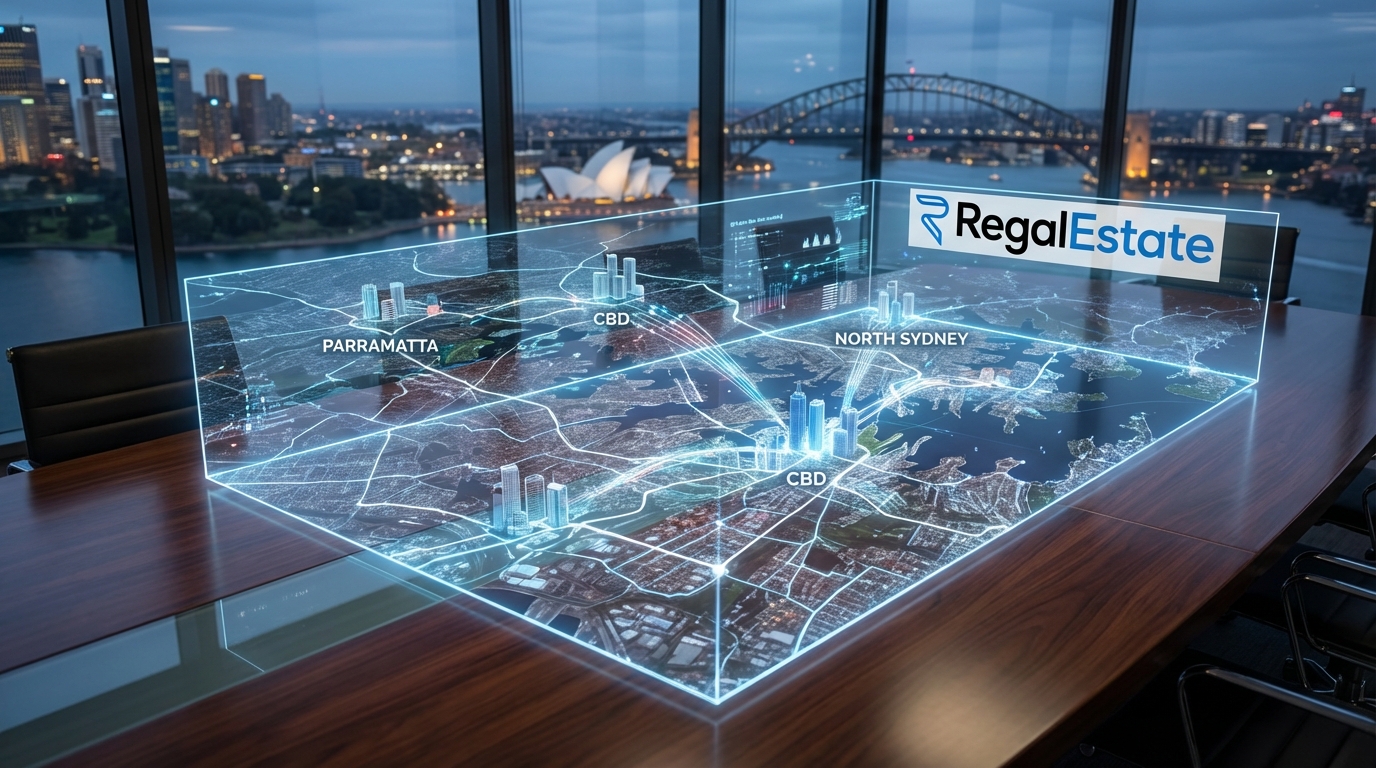
The old real estate mantra of “location, location, location” still holds true, but its meaning has fundamentally shifted in the age of hybrid work. While a prestigious downtown address might have once been a primary driver, the focus has pivoted towards employee experience and accessibility. The ideal location is now one that serves a distributed workforce, minimizing commute times and stress for the entire team. Start by mapping where your employees live. This data will reveal central hubs of accessibility that can make the office an attractive destination rather than a daily obligation. Proximity to major public transportation lines and arterial roads is critical to ensure the journey is as seamless as possible. Furthermore, the surrounding neighborhood plays a key role in employee well-being and satisfaction. A location rich with amenities like coffee shops, healthy lunch options, parks, and gyms adds significant value. It extends the workspace beyond its four walls, providing opportunities for employees to recharge, socialize, and run errands. This holistic view of location transforms the office from an isolated island into an integrated part of a vibrant community, making the days employees do come in more purposeful and enjoyable. This strategic approach to location can become a competitive advantage in attracting and retaining talent who value convenience and work-life integration.
Designing for flexibility and future growth
In today’s volatile business climate, agility is paramount. The workspace you choose must be able to adapt to changing team sizes, evolving work styles, and unforeseen market shifts. This requirement for flexibility should be a core component of both your lease negotiations and your interior design strategy. Traditional long-term, rigid leases are becoming less appealing. Instead, explore options with shorter terms, rights to expand or contract your footprint, or break clauses that provide an exit strategy if your business needs change dramatically. This contractual flexibility protects your business from being locked into a space that no longer serves its purpose. Internally, the design of the space should be just as adaptable. Move away from fixed, permanent structures and embrace modularity. Utilize movable walls, reconfigurable furniture, and mobile whiteboards to create zones that can be easily transformed. A space that serves as a collaborative project area on Monday can become a training room on Wednesday and a quiet zone for focused work on Friday. This activity-based design not only maximizes the utility of every square foot but also empowers employees to choose the environment that best suits their task at hand. By building in this level of adaptability from the start, you create a future-proof workspace that can evolve in lockstep with your organization’s growth and strategic pivots.
Integrating technology for a seamless experience
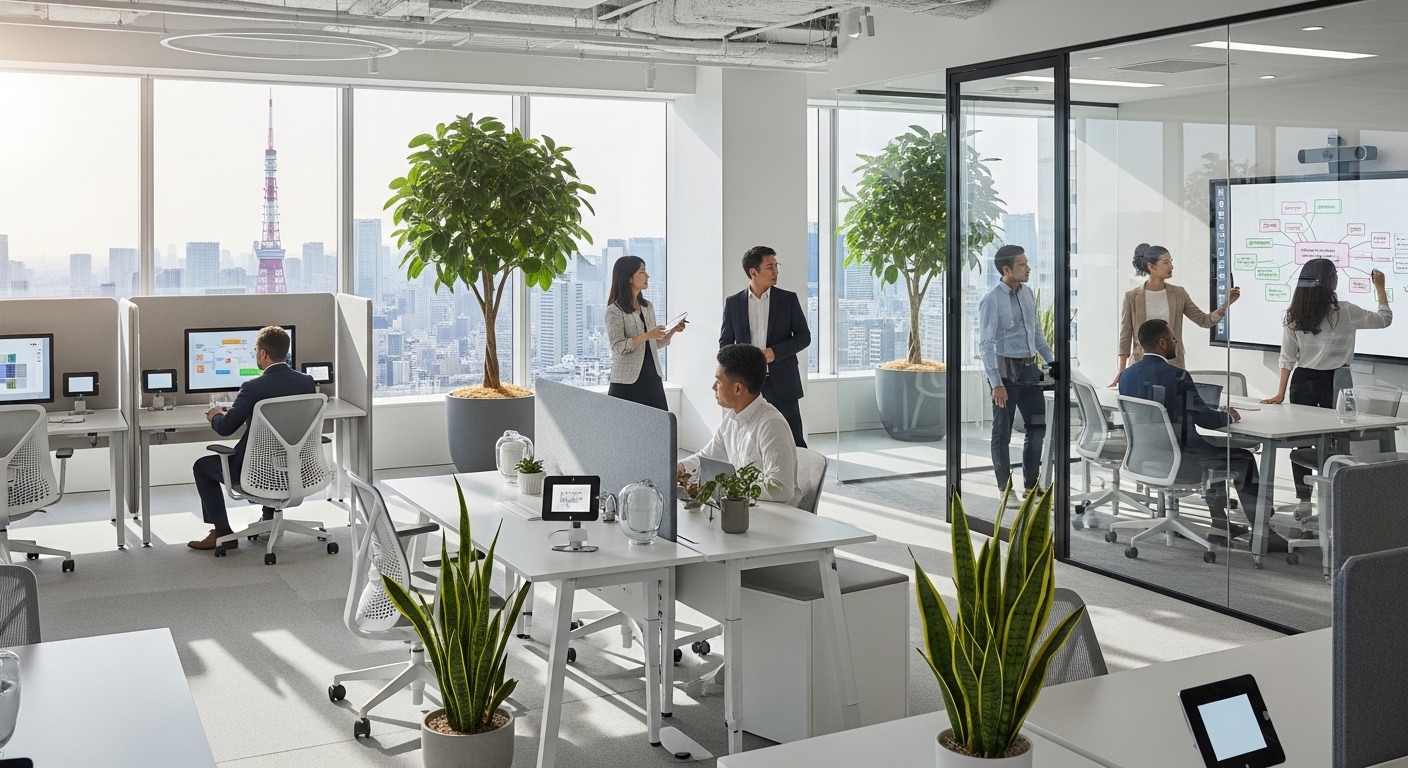
Technology is the central nervous system of the modern workplace, and its seamless integration is non-negotiable, especially for supporting hybrid teams. A workspace with inadequate technological infrastructure can create a frustrating and inequitable experience, hindering productivity and collaboration. The absolute baseline is high-speed, reliable, enterprise-grade Wi-Fi that can handle high-density usage and constant video conferencing without lag. However, true integration goes much further. Conference rooms must be equipped to bridge the gap between in-office and remote participants. This means investing in high-quality cameras that can capture the entire room, intelligent microphones that track who is speaking, and large displays that make remote team members feel present. User-friendly tools like interactive whiteboards and one-touch video conferencing software are essential for frictionless collaboration. Beyond meeting rooms, consider implementing workspace management software. These platforms allow employees to easily book desks, reserve conference rooms, and even see which of their colleagues are in the office on any given day. This technology is crucial for managing a flexible, non-assigned seating arrangement and helps optimize space utilization by providing valuable data on how and when the office is being used. By prioritizing a robust and intuitive tech stack, you ensure that your physical workspace is a powerful enabler of productivity for every member of your team, regardless of their location.
Fostering well-being and company culture
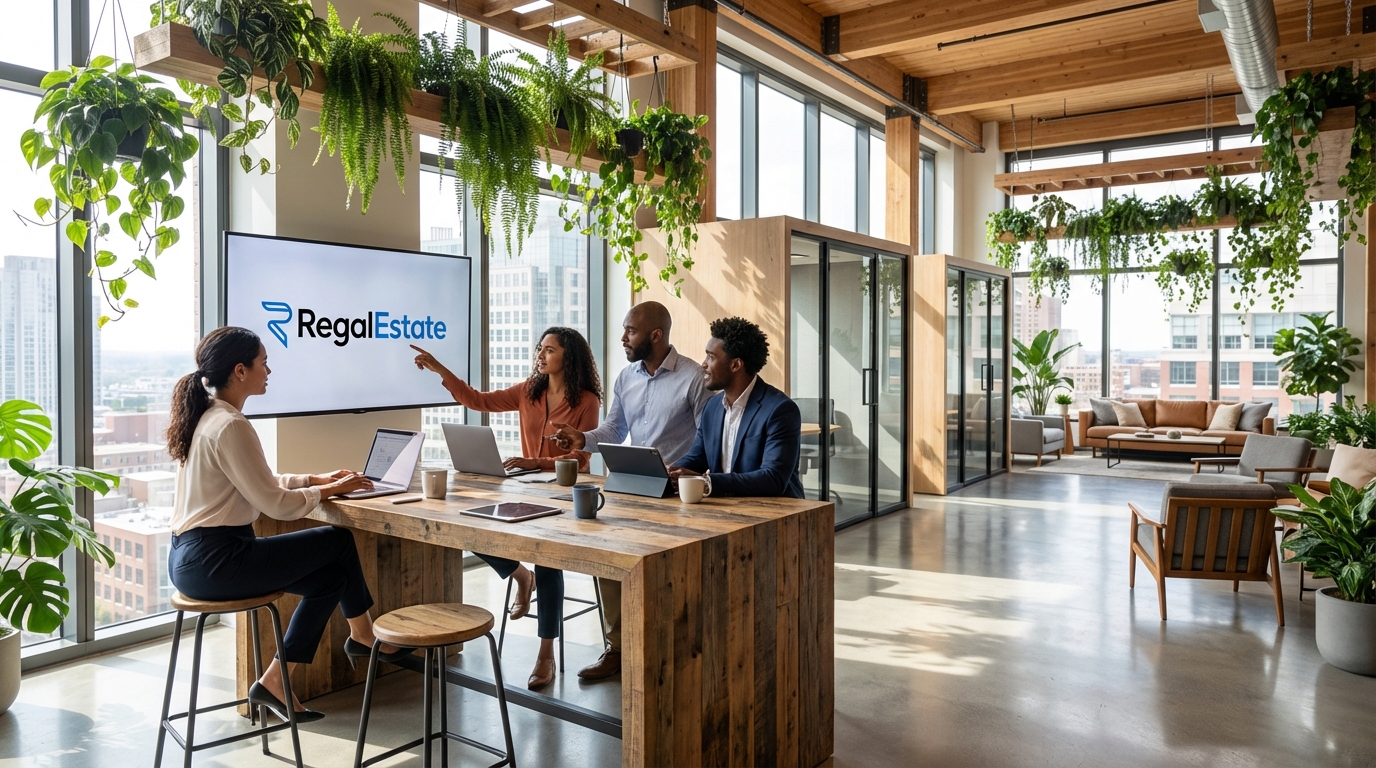
The role of the office has transcended mere functionality; it is now a primary vehicle for expressing company culture and investing in employee well-being. To make the office a true destination, it must be a place where people feel supported, comfortable, and energized. This begins with human-centric design principles. Prioritize access to natural light and outdoor views, which have been proven to boost mood and reduce eye strain. Incorporate biophilic design by integrating natural elements like wood, stone, and an abundance of indoor plants, which can lower stress and enhance creativity. Ergonomics are also critical. Providing high-quality, adjustable chairs and sit-stand desks demonstrates a direct commitment to your team’s physical health. The amenities you offer should be thoughtful and purposeful. Consider wellness rooms for meditation or quiet reflection, fully stocked kitchens with healthy snacks and quality coffee, and comfortable lounge areas that encourage informal social interaction. The design should also be an authentic reflection of your brand’s values and identity. The colors, materials, and artwork should tell your company’s story and create a sense of belonging. By intentionally designing a workspace that prioritizes the holistic well-being of your employees, you create a powerful magnet for talent and a physical embodiment of a positive, thriving company culture.
Conclusion
Choosing your space in the modern business landscape is a multi-layered strategic decision that reverberates through every facet of your organization. It’s an investment not just in real estate, but in your people, your culture, and your future success. Moving beyond the outdated metrics of cost and location alone, the process now requires a holistic framework that balances financial prudence with the nuanced needs of a dynamic workforce. By starting with a deep analysis of your operational needs, you lay a foundation for a space that truly works for you. Factoring in the total cost of occupancy ensures long-term financial stability, while a modern approach to location and flexibility creates an environment that can adapt to the unpredictable nature of business. Critically, integrating seamless technology and designing for employee well-being are no longer optional perks; they are essential components for attracting and retaining top talent in a competitive market. Ultimately, your workspace is one of the most powerful statements you can make about your company’s values and vision. By making a thoughtful, strategic, and human-centric choice, you create more than just an office—you build an environment that empowers your team to thrive.