The very definition of a ‘workspace’ has undergone a seismic shift. No longer just a physical location for completing tasks, the modern workspace is an ecosystem designed to foster productivity, well-being, and cultural cohesion. Recent trends indicate a decisive move away from purely cost-based metrics towards a more human-centric model. As hybrid work solidifies its place as a permanent fixture, the purpose of the physical office is being reimagined as a hub for collaboration and connection. This evolution demands a new blueprint for choosing your space—one that prioritizes flexibility, integrates technology seamlessly, and places employee well-being at its core. This guide will navigate the critical components of this new strategic framework, helping you select a space that not only meets your operational needs but also acts as a catalyst for growth, talent retention, and innovation in a transformed professional landscape.
Defining your purpose in the post-pandemic era
Before analyzing locations or floor plans, the foundational step is to define the precise purpose of your physical workspace. In a world where employees can perform focused tasks from anywhere, the office’s ‘why’ becomes paramount. Is it a hub for collaborative innovation? A cultural anchor to instill company values? A place for mentorship and organic learning? Or a flexible resource for employees to use as needed? Your answer will dictate every subsequent decision. Polling your employees is a critical first step; understanding their needs and preferences regarding remote versus in-office work provides a baseline for your strategy. The trend is moving towards a ‘hub-and-spoke’ model or activity-based working, where the central office serves as a nexus for high-value interactions, while smaller, distributed spaces or remote work options cater to individual tasks. The goal is no longer to mandate presence but to create a destination—a space so compelling and functional for specific activities that employees choose to be there. This requires a deep understanding of workflows, team dynamics, and the intangible benefits of in-person connection, moving the conversation from square footage to strategic value.
Integrating data for a smarter location strategy
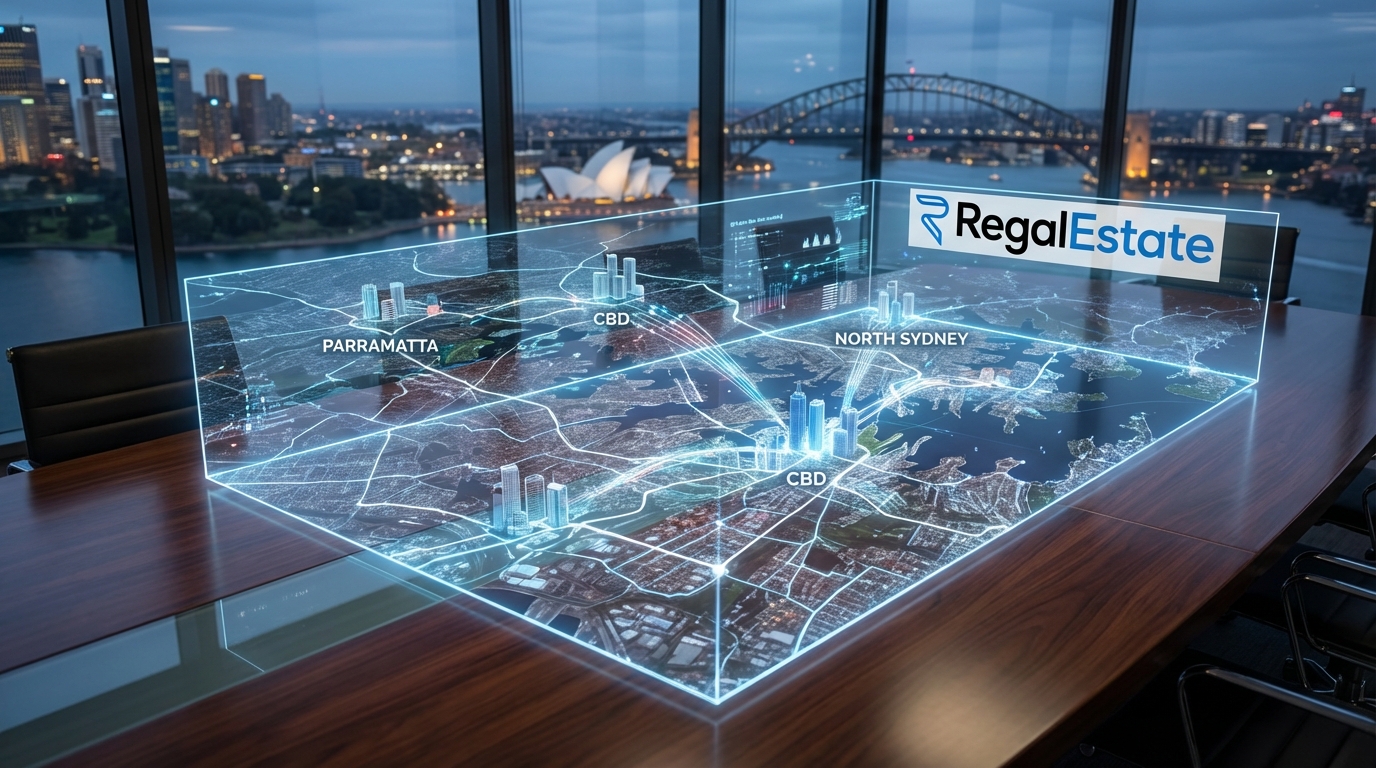
Gone are the days of choosing a location based on executive convenience or gut feeling. Today’s workspace strategy must be underpinned by robust data analytics. The process begins with a thorough analysis of your talent pool. Where do your current and future employees live? A geospatial analysis of employee addresses can reveal clusters and commute patterns, highlighting optimal zones that minimize travel time and enhance work-life balance for the majority. Beyond your own team, analyzing broader demographic, economic, and transit data is crucial. Access to public transportation, proximity to amenities like restaurants and childcare, and the vibrancy of the local neighborhood all contribute to a location’s appeal. Furthermore, data can inform the type of space you need. Analyzing meeting room booking data, for instance, can reveal patterns in collaboration, while sensor technology can provide insights into how different zones within an office are actually used. This data-driven approach allows you to build a business case for a location that not only serves your current needs but also aligns with future growth and talent acquisition strategies, ensuring your investment is both strategic and sustainable.
Aligning physical space with organizational culture
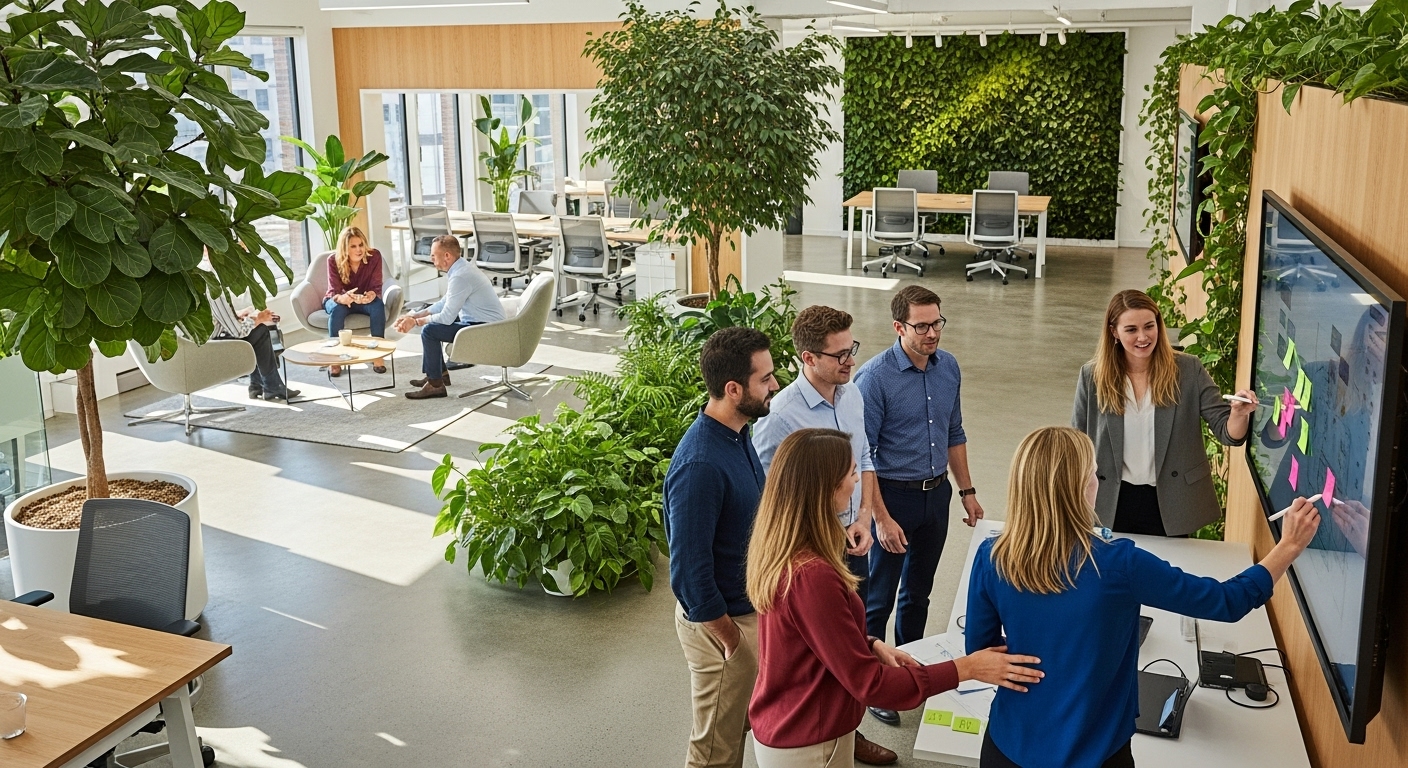
A workspace is one of the most powerful, tangible expressions of a company’s culture. The design, layout, and amenities should all serve as a physical manifestation of your organization’s values and mission. If your culture prizes collaboration and transparency, an open-plan design with numerous breakout areas and communal spaces will be a natural fit. Conversely, if deep, focused work is the priority, the design must incorporate quiet zones, private offices, or reservable ‘focus pods’. The choice of furniture, color palette, and even the art on the walls should resonate with your brand identity. It’s about creating an environment that feels authentic. For example, a tech startup might opt for a raw, industrial aesthetic with flexible, modular furniture to reflect its agile nature, while a financial services firm might choose a more polished, traditional design to convey stability and trust. The key is intentionality. Every element should be chosen to reinforce desired behaviors and create a sense of belonging, turning the office from a mere container for work into an active participant in building and sustaining a vibrant company culture.
The rise of human-centric design and well-being
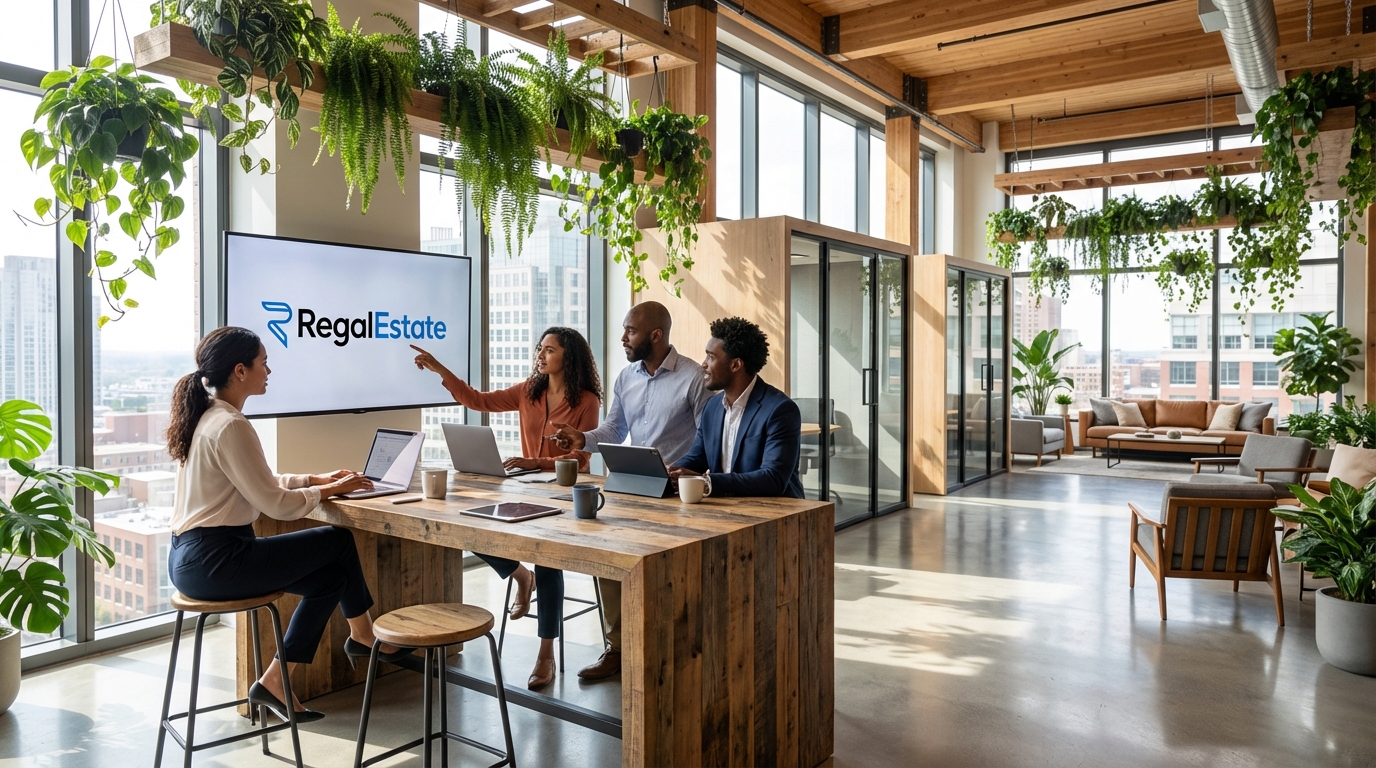
A central pillar of modern workspace strategy is the prioritization of employee well-being. This ‘human-centric’ approach recognizes that a healthy, happy workforce is a productive one. The physical environment plays a critical role in this, with design choices directly impacting mental and physical health. Biophilic design, which involves incorporating natural elements like plants, natural light, and organic materials, has been shown to reduce stress and improve cognitive function. Access to ample natural light and views of the outdoors are no longer perks but essential features. Ergonomics is another key consideration, extending beyond adjustable chairs to include sit-stand desks, monitor arms, and varied work postures. Furthermore, the concept of well-being now encompasses psychological safety. This means designing spaces that are inclusive and cater to neurodiversity, offering a range of environments from bustling social hubs to quiet, low-sensory retreats. By investing in these features, companies are not just improving the office environment; they are signaling to their employees that their health and well-being are valued, which is a powerful tool for talent attraction and retention.
Technology as the central nervous system
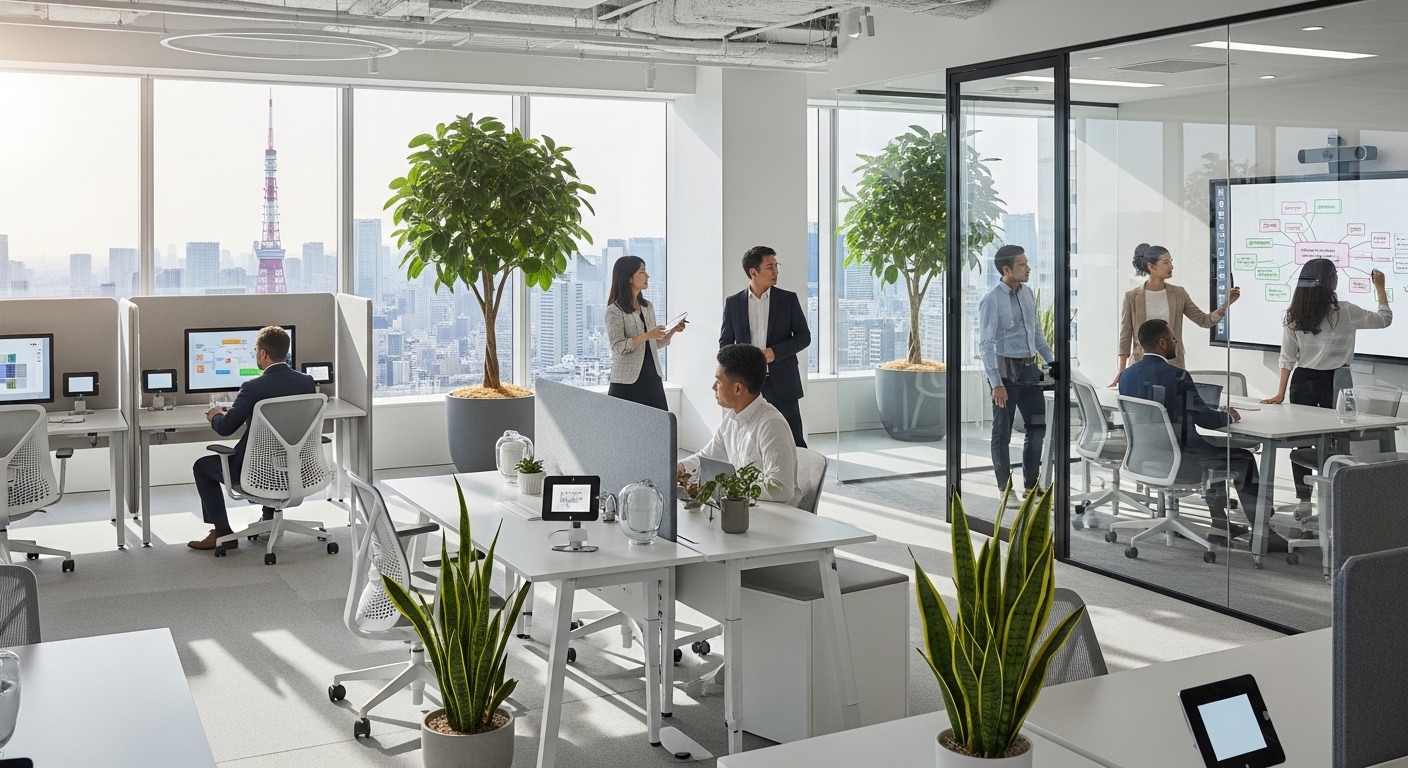
In the modern workspace, technology is not an afterthought; it is the integrated nervous system that enables seamless productivity and a frictionless employee experience. The foundation is a robust and secure network infrastructure capable of supporting a high density of devices and bandwidth-intensive applications like video conferencing. However, a truly smart office goes much further. Integrated room booking systems that sync with employee calendars, sensors that provide real-time data on space utilization, and apps that allow employees to control lighting and temperature are becoming standard. This technology should support, not dictate, the workflow. For hybrid teams, equipping collaboration spaces with high-quality cameras, microphones, and interactive whiteboards is essential to bridge the gap between in-office and remote participants, ensuring an equitable experience for all. Ultimately, the goal of technology integration is to remove friction from the workday, allowing employees to focus on high-value tasks rather than wrestling with clunky or unreliable systems. A well-designed tech stack turns the office into an intelligent, responsive partner in productivity.
Future-proofing your workspace for agility and resilience
In an era of rapid change, the most significant risk in choosing a workspace is locking into a rigid, long-term commitment that cannot adapt to future needs. Future-proofing your strategy is about building in agility and resilience from the start. This often means moving away from the traditional 10-year lease towards more flexible solutions. A ‘portfolio’ approach, which combines a long-term core headquarters with shorter-term leases on flexible or coworking spaces, allows a company to scale its footprint up or down in response to market changes or evolving business needs. Modularity in office design is another key principle. Using demountable walls, mobile furniture, and adaptable infrastructure allows you to reconfigure spaces quickly and cost-effectively as team sizes and project needs change. Considering a building’s sustainability credentials, such as its energy efficiency and use of recycled materials, is also a critical part of future-proofing, aligning your real estate with both regulatory trends and the growing expectations of employees and investors. By prioritizing flexibility, modularity, and sustainability, you can create a workspace that is not a fixed asset but a dynamic tool capable of evolving alongside your business.
Ultimately, choosing your space in the modern era is a complex, multi-faceted decision that extends far beyond a simple real estate transaction. It’s a strategic process of creating a physical and digital environment that empowers employees to do their best work. The most effective strategies are born from a deep understanding of the organization’s purpose, culture, and the needs of its people. By moving from a cost-centric to a human-centric model, leveraging data for intelligent decision-making, and prioritizing flexibility, companies can transform their workspace from a necessary expense into a strategic asset. The right space becomes a powerful engine for collaboration, a magnet for top talent, and a physical embodiment of the company’s vision for the future, ensuring it remains resilient, productive, and innovative for years to come.