In the dynamic landscape of modern work, the monolithic office lease is rapidly becoming a relic. Today’s forward-thinking companies are abandoning the one-size-fits-all approach in favor of a more agile and diversified workspace strategy. This emerging trend, known as the portfolio approach, involves strategically combining different types of workspaces—such as a central headquarters, flexible coworking memberships, and dedicated remote work support—to create a resilient and adaptable ecosystem. This model acknowledges that work is no longer a single location, but a network of activities that require different environments. For businesses in a major metropolitan hub, this shift is not just a trend but a competitive necessity. The goal is to build a spatial portfolio that optimizes cost, enhances employee experience, and boosts productivity by providing the right space for the right task, a strategy proving particularly effective in the evolving commercial real estate market of Toronto.
Defining the core: The role of the central headquarters
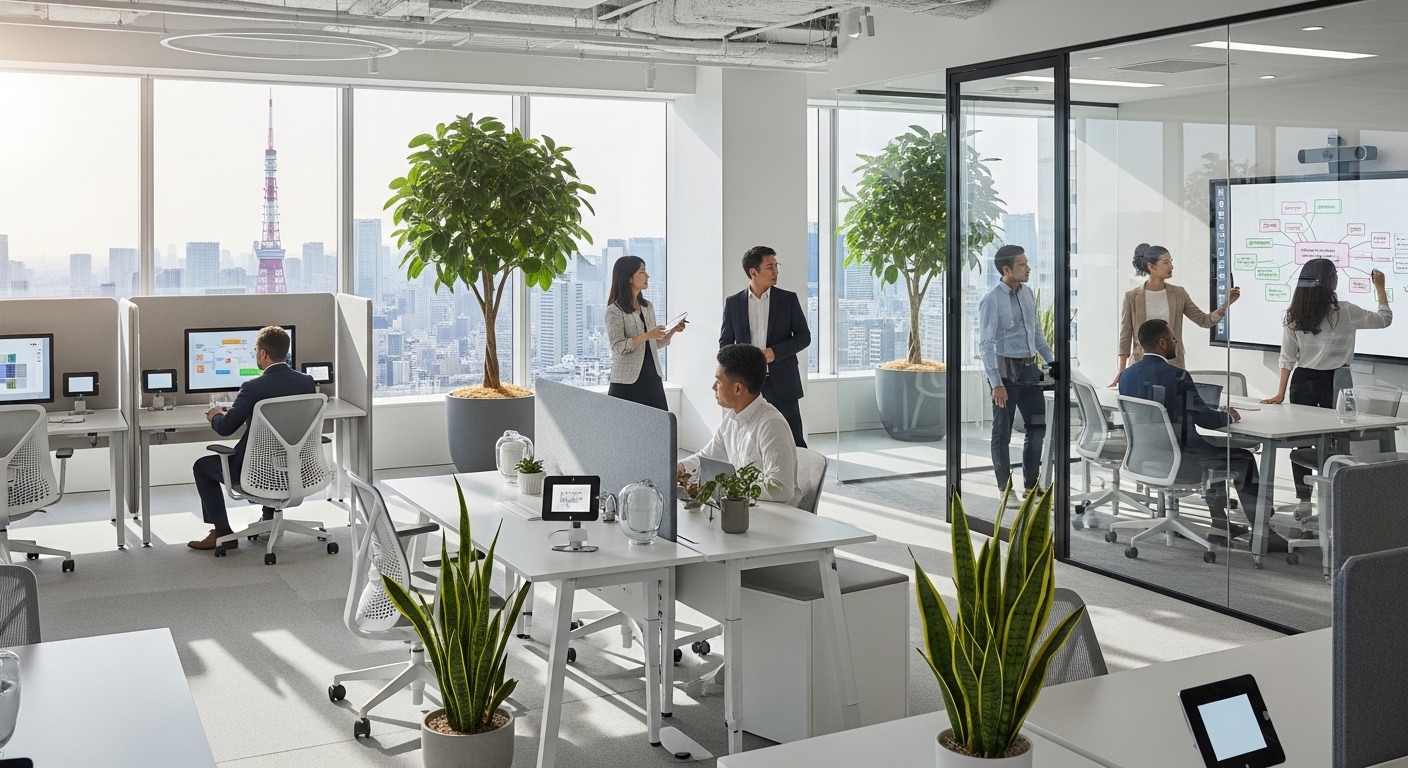
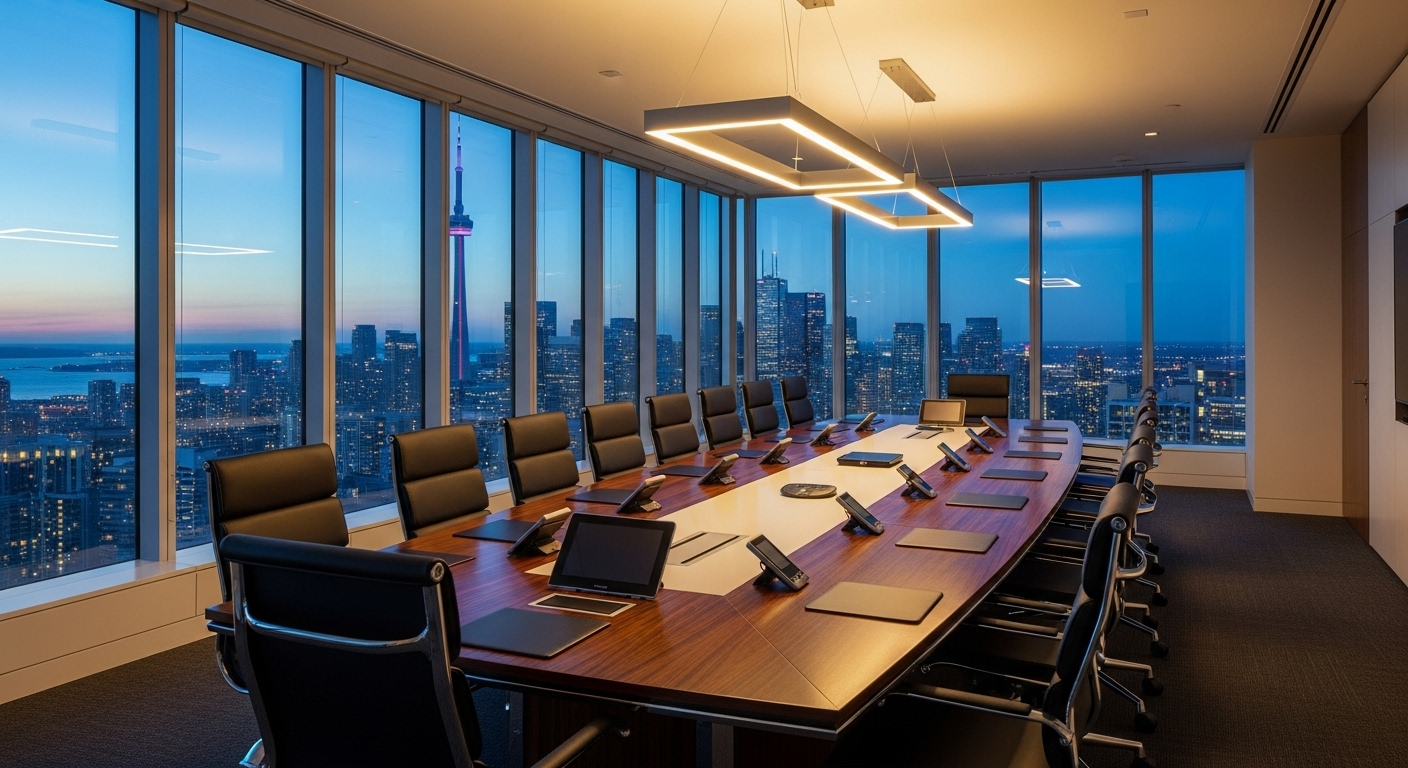
Even within a diversified portfolio, the central headquarters remains a vital anchor. However, its role has fundamentally evolved from being the primary place of work to a powerful cultural hub and a center for high-value collaboration. In this new paradigm, the HQ is not designed for rows of individual desks but for activities that thrive on in-person interaction: strategic planning sessions, team-building events, complex problem-solving workshops, and client presentations. It becomes the physical embodiment of the company’s brand and values, a place where employees connect with the organization’s mission and with each other. This “flight to quality” is evident across major cities, as companies are leasing smaller but more premium, amenity-rich spaces. These modern headquarters often feature flexible floor plans, advanced collaboration technology to seamlessly connect with remote team members, and wellness-focused amenities like natural light, biophilic design, and fitness centers. The purpose is to create a destination, a space that employees genuinely want to visit, fostering the kind of spontaneous innovation and deep cultural imprinting that is difficult to replicate virtually. By concentrating on these high-impact activities, the HQ justifies its existence and cost, serving as the gravitational center of a distributed work model.
Extending the network: Integrating flexible and coworking spaces
Flexible workspaces and coworking memberships form the versatile second layer of a modern workspace portfolio. They provide the agility that a long-term lease on a central headquarters lacks. This component allows companies to scale their physical footprint up or down with market demands, enter new markets with minimal capital expenditure, or establish project-specific hubs for temporary teams. For employees, it offers a network of professional, well-equipped spaces closer to their homes, drastically reducing commute times and improving work-life balance. This “hub-and-spoke” model, with a central HQ and distributed flex spaces, has gained significant traction. In a competitive talent market like Toronto, offering employees access to a curated network of coworking locations can be a powerful differentiator. It provides the structure and community of an office without the rigidity of a single, mandated location. Furthermore, these spaces often come with built-in amenities and networking opportunities, allowing employees to connect with a broader professional community. Strategically, this approach de-risks a company’s real estate commitments while maximizing choice and convenience for its workforce, directly responding to the post-pandemic demand for flexibility.
Supporting the remote workforce: The home office as a key asset
The third crucial element of the portfolio approach is the formal recognition and support of the home office. For years, remote work was often an afterthought, but it is now a permanent and integral part of the talent strategy for most organizations. A successful portfolio strategy doesn’t just permit remote work; it actively supports it to ensure productivity, equity, and well-being. This involves providing employees with the necessary resources to create an effective and ergonomic home setup. Companies are increasingly offering stipends for high-quality office furniture, noise-canceling headphones, and high-speed internet. Beyond physical equipment, support extends to technology and culture. This means ensuring seamless access to company networks and collaboration tools through robust IT infrastructure and security protocols. Culturally, it requires intentional practices to keep remote employees connected and engaged, such as virtual social events, clear communication channels, and equitable opportunities for career advancement. By treating the home office as a legitimate and supported workspace, companies can attract and retain top talent from a wider geographical area and build a more inclusive and resilient organizational culture. This layer of the portfolio ensures that the 15-40% of the workforce that may be fully remote on any given day remains a productive and integrated part of the team.
The financial calculus: Cost optimization in a portfolio model
One of the most compelling drivers of the portfolio approach is the potential for significant financial optimization. The traditional model of leasing enough space for peak occupancy—every employee having a dedicated desk—is incredibly inefficient in a hybrid world. By rightsizing the central headquarters to serve as a collaborative hub rather than a daily container for the entire workforce, companies can dramatically reduce their largest fixed real estate costs. The savings from this reduction can then be strategically redeployed into more flexible and often more cost-effective solutions. For instance, paying for coworking memberships or on-demand meeting rooms is an operational expense that fluctuates with use, rather than a fixed, long-term capital lease. This shifts real estate from a rigid overhead cost to a dynamic, scalable service. This financial agility allows businesses to be more resilient in the face of economic uncertainty. The portfolio model enables a more nuanced cost-benefit analysis, where expenses are directly tied to specific needs—collaboration, individual focus, market expansion—creating a far more efficient and strategic allocation of resources that aligns with the fluid nature of modern work.
Crafting the right mix: A data-driven approach to implementation
Implementing a successful workspace portfolio is not about guesswork; it requires a deliberate, data-driven strategy. The first step is to deeply understand how, when, and where your employees work best. This involves gathering both quantitative and qualitative data through employee surveys, workplace utilization sensors, and team leader interviews. Key questions to explore include: What specific tasks do different teams need to accomplish in person versus remotely? What are the commute patterns and geographical distributions of your employees? What are the biggest pain points with the current workspace setup? This data provides the foundation for designing a portfolio tailored to your organization’s unique needs. For businesses in a diverse metropolis like Toronto, this might mean analyzing which neighborhoods would be best for satellite flex spaces to reduce commute times for the largest number of employees. The analysis should also consider growth projections. The beauty of the portfolio model is its inherent scalability, but this requires a clear understanding of future headcount and market expansion plans. An iterative approach is key; launch a pilot program, gather feedback, and continuously refine the mix of spaces to align with evolving business goals and employee preferences.
The future of work: Building a resilient and human-centric strategy
Ultimately, the portfolio approach is more than a real estate strategy; it’s a human-centric business strategy. It acknowledges that talent is the most valuable asset and that providing flexibility and choice is paramount to attracting and retaining it. By moving beyond the binary choice of “office vs. remote,” this model offers a nuanced solution that captures the benefits of both. It provides spaces for the community and collaboration that fuel innovation, while also offering the autonomy and focus that deep work requires. This adaptability is crucial for building organizational resilience. Companies with a diversified workspace portfolio are better equipped to handle disruptions, whether it’s a public health crisis, a market downturn, or a sudden opportunity for growth. They can scale their operations efficiently, support their employees’ well-being, and maintain a strong company culture across a distributed workforce. As the nature of work continues to evolve, the organizations that thrive will be those that build a flexible, responsive, and empowering ecosystem of spaces designed to support their people, wherever they are.
In conclusion, the shift towards a workspace portfolio strategy represents a sophisticated evolution in corporate real estate. It’s a move from a static, cost-centric model to a dynamic, value-driven framework that places employee experience and organizational agility at its core. By strategically blending a cultural headquarters, a network of flexible spaces, and robust support for remote work, companies can create a powerful competitive advantage. This approach allows businesses to optimize costs, enhance productivity, and build a resilient foundation for future growth. For any organization navigating the complexities of the modern work environment, the portfolio model offers a clear and compelling path forward, transforming the concept of the office from a single place into a strategic network of possibilities. It is the definitive answer to how we will work not just tomorrow, but for the decades to come.