Choosing a workspace is no longer a simple real estate transaction; it’s a critical strategic decision that impacts talent acquisition, brand identity, and operational efficiency. In a global hub as dynamic as China’s capital, this decision carries even more weight. The current commercial real estate climate presents a unique window of opportunity for businesses. Characterized by a tenant-favorable market with declining rents and increasing vacancies, leaders have unprecedented leverage to secure spaces that are not just addresses, but true assets. This shift allows companies to upgrade their facilities—a ‘flight to quality’—without inflating their budgets. This guide will navigate the key considerations for selecting a workspace in this evolving landscape, from aligning your location with specific industry ecosystems to embracing the latest trends in sustainability, employee well-being, and smart technology that are defining the future of work in this iconic metropolis.
Understanding the 2024 tenant’s market
The commercial real estate landscape in 2024 is defined by a significant power shift towards the tenant. A confluence of new office supply entering the market and a more measured economic outlook has led landlords to adopt highly competitive strategies to attract and retain occupants. This environment provides businesses with substantial negotiating power. Gone are the days of rigid, long-term leases being the only option. Landlords are now commonly offering generous incentives, such as extended rent-free periods, substantial contributions towards fit-out costs, and more flexible break clauses. For businesses, this translates into a golden opportunity to optimize real estate costs while simultaneously enhancing the quality of their physical environment. Companies are leveraging this moment to relocate to premium Grade-A buildings with better amenities and infrastructure, effectively boosting their corporate image and employee value proposition without a corresponding budget increase. This ‘flight to quality’ is a dominant trend, as organizations recognize that a superior workspace is a powerful tool for attracting and retaining the best talent in a competitive market like Beijing City. It is crucial for decision-makers to approach the selection process not as a mere cost-saving exercise, but as a strategic investment in their company’s future growth and resilience.
Aligning location with industry and talent
The adage ‘location, location, location’ has never been more relevant, but its meaning has evolved. Today, it’s about strategically positioning your business within the right ecosystem to access talent, clients, and industry-specific infrastructure. The capital’s vast urban expanse is a mosaic of specialized business districts, each with a unique character. The Chaoyang District, home to the Central Business District (CBD), remains the premier hub for finance, multinational corporations, and professional services firms seeking a prestigious address and global connectivity. For technology and innovation, the Haidian District, specifically the Zhongguancun area, is the undisputed epicenter. Often dubbed ‘China’s Silicon Valley,’ it offers a dense network of tech giants, research institutions, and a steady stream of graduates from top universities. Choosing a space here signals a deep commitment to the tech community. Meanwhile, emerging hubs like Wangjing have cultivated a vibrant atmosphere for both creative industries and innovative tech firms, offering modern facilities often at a more competitive price point. The right location strategy goes beyond a postal code; it involves a deep analysis of your talent acquisition needs. Where do your ideal employees live? How accessible is the location via public transport? Proximity to the right talent pool can significantly shorten hiring cycles and improve employee satisfaction and retention, making the district you choose a cornerstone of your long-term success.
Beyond the traditional lease: embracing flexibility
The nature of work has fundamentally changed, and workspace models are evolving to keep pace. While the traditional long-term lease still has its place for established companies with predictable headcounts, a spectrum of flexible solutions has emerged to meet the demand for agility and scalability. Serviced offices and coworking spaces are no longer niche options but are now integral to the corporate real estate strategy of many businesses operating in Beijing City. These models offer significant advantages, particularly for companies entering the market, scaling rapidly, or embracing hybrid work policies. The primary benefit is flexibility; businesses can secure fully furnished and equipped, ‘plug-and-play’ offices on short-term contracts, often on a month-to-month basis. This drastically reduces the upfront capital expenditure associated with fit-outs and furniture. Furthermore, the all-inclusive pricing model—covering rent, utilities, internet, and reception services—simplifies budgeting and can lead to operational cost savings. Beyond the financials, these spaces foster a sense of community and provide invaluable networking opportunities, creating an environment where startups can connect with potential partners and larger enterprises can tap into a dynamic pool of innovators. For companies looking to establish a ‘hub-and-spoke’ model, flexible spaces can serve as satellite offices, providing employees with professional environments closer to home.
The green imperative: sustainability as a strategic tool
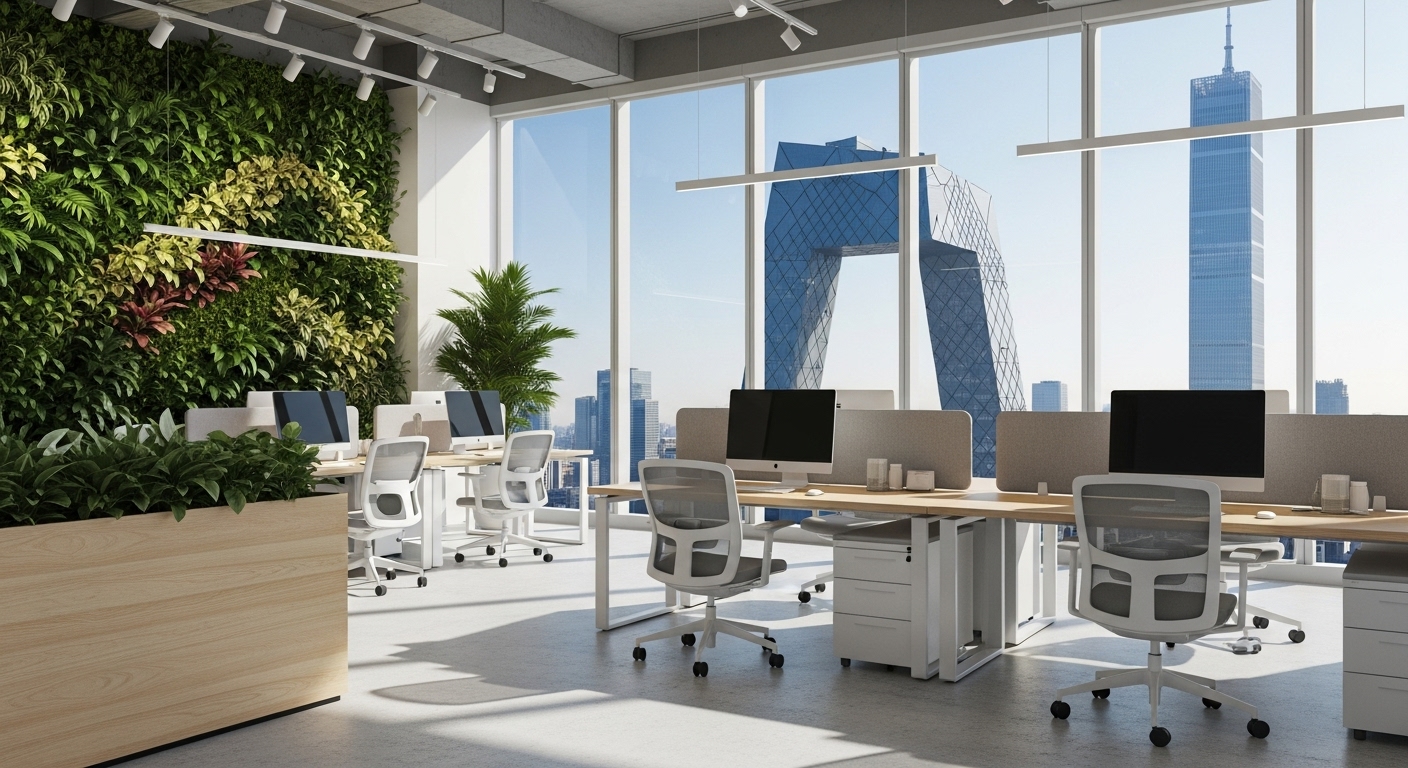
Sustainability has transitioned from a corporate social responsibility checkbox to a core business imperative that directly influences workspace strategy. A building’s environmental credentials are now a critical factor in attracting and retaining a new generation of talent that prioritizes corporate ethics and environmental stewardship. In a competitive market, a certified green building is a powerful differentiator. Landlords and developers are responding by investing heavily in sustainable design and operations. This includes achieving certifications like LEED (Leadership in Energy and Environmental Design), incorporating energy-efficient systems for lighting and HVAC, implementing advanced water conservation and recycling programs, and utilizing eco-friendly, low-VOC (volatile organic compounds) construction materials. The benefits extend beyond brand reputation. Sustainable buildings often result in lower utility and operational costs over the long term. Moreover, design elements that connect occupants with nature—a practice known as biophilic design—are becoming increasingly prevalent. Features like indoor green walls, natural light maximization, and the use of natural materials like wood and stone have been shown to improve employee well-being, reduce stress, and enhance cognitive function and creativity, directly impacting productivity and the bottom line.
Designing for people: a focus on wellness and productivity
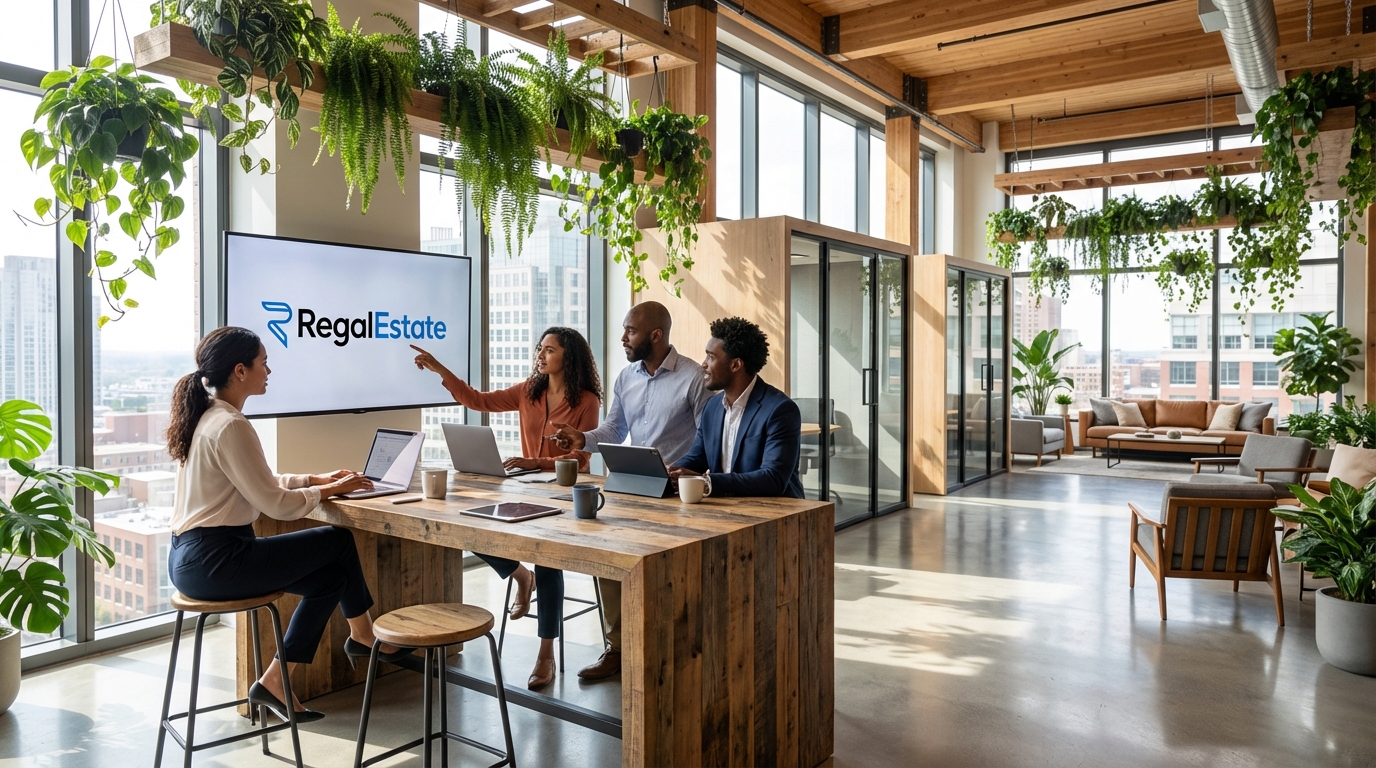
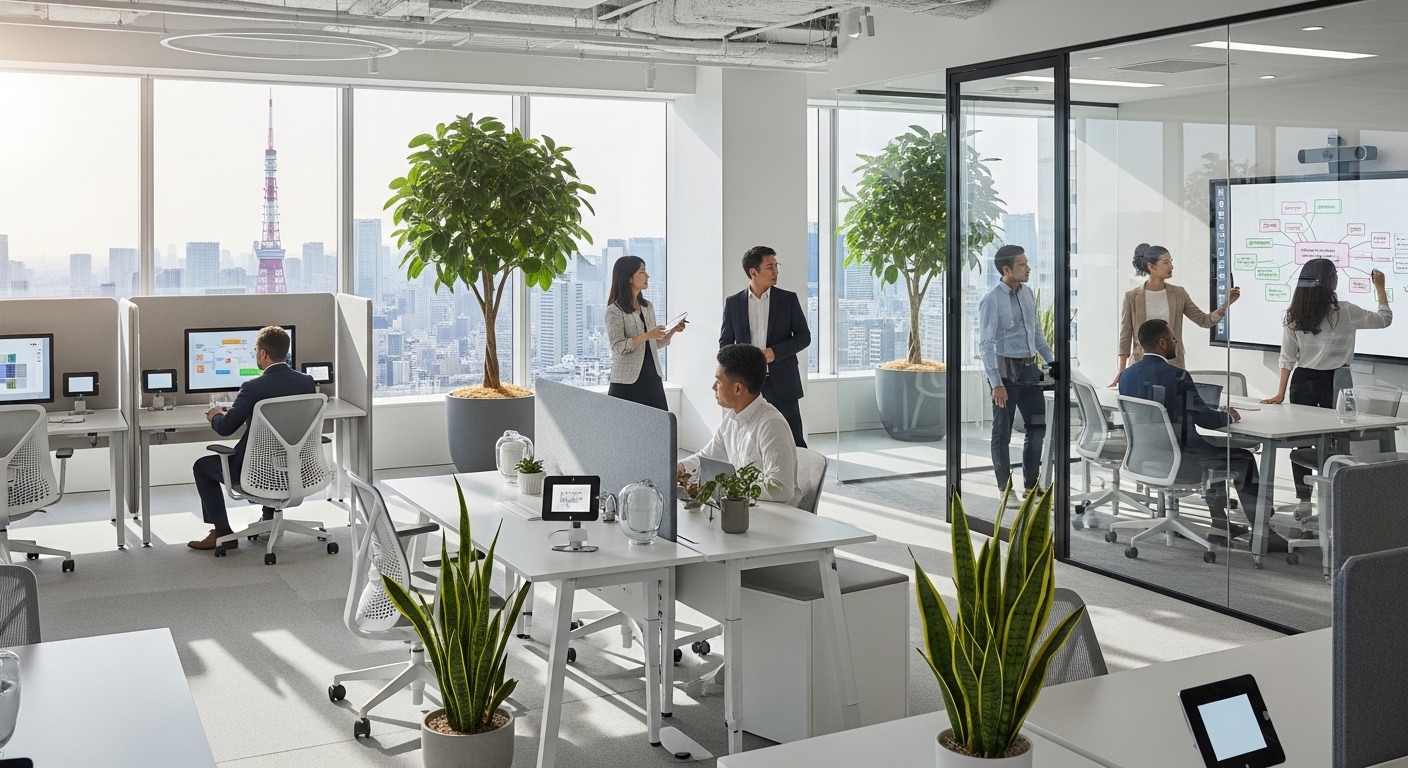
The modern workspace is being redefined around its most important asset: its people. The understanding that employee well-being is directly linked to productivity and innovation is driving a human-centric approach to office design. This philosophy moves beyond basic ergonomics to create environments that support the physical, mental, and social health of the workforce. This translates into offering a variety of work settings within the same office to accommodate different tasks and work styles—a concept known as Activity-Based Working (ABW). An office might feature quiet zones for focused, deep work, collaborative hubs with whiteboards and flexible seating for brainstorming, private pods for confidential calls, and comfortable social areas that encourage informal interaction and community building. Wellness-focused amenities are also becoming standard. This includes access to natural light for all employees, advanced air filtration systems to ensure high indoor air quality, dedicated wellness rooms for meditation or relaxation, and even on-site fitness facilities. The goal is to create a holistic environment that makes employees feel valued, supported, and engaged. By investing in a workspace that prioritizes well-being, companies are not just improving morale; they are building a resilient, high-performing culture that can thrive in the demanding business landscape of a major global capital.
Integrating smart technology for a future-ready office
As a city at the forefront of technological advancement, it is no surprise that smart technology is reshaping the modern office experience. The integration of the Internet of Things (IoT) and other digital solutions is creating workspaces that are more efficient, responsive, and user-friendly. This technological layer is becoming a key expectation for businesses and their employees. Smart office features range from practical conveniences to sophisticated analytical tools. App-based systems that allow employees to book desks and meeting rooms, control lighting and temperature, and access the building securely via their smartphones are now commonplace. This streamlines daily operations and empowers employees with greater control over their environment. For hybrid meetings, seamless audio-visual integration is non-negotiable, ensuring that remote and in-person participants have an equitable and productive experience. Beyond user-facing features, smart building technology provides valuable data for facility managers and corporate leaders. Sensors can track space utilization, helping companies understand how their office is actually being used. This data-driven approach allows for the continuous optimization of the workspace, ensuring the real estate portfolio is right-sized and aligned with the evolving needs of the business, a critical advantage for any company operating in Beijing City.
In conclusion, the decision of where to establish your physical workspace in China’s capital is more nuanced and opportunity-rich than ever before. The current tenant-favorable market provides the financial leverage to secure a space that transcends mere functionality. It’s a chance to invest in an environment that actively enhances your brand, attracts premier talent, and fosters a culture of innovation and well-being. By strategically analyzing the city’s diverse business districts, you can place your organization at the very heart of its industry’s ecosystem. Embracing the shift towards flexible, sustainable, and technologically integrated workspaces is no longer a forward-thinking trend but a present-day necessity for operational resilience. The ultimate choice should be a synthesis of these factors: a location that grounds you in the right community, a financial structure that provides agility, and a physical design that empowers your people to do their best work. Making a deliberate, well-researched decision now will not only optimize costs but will build a foundational advantage that will propel your business forward in one of the world’s most competitive and vital economic centers.