In a city celebrated for its vibrant energy, creativity, and booming tech scene, a generic office space is more than a missed opportunity—it’s a fundamental misunderstanding of the local ethos. Branding your workspace is no longer about slapping a logo on the wall. It’s about creating an immersive environment that tells your company’s story, reinforces its values, and attracts the kind of talent that thrives on innovation. For businesses competing in the dynamic market of Austin, creating a physical space that resonates with the city’s unique cultural frequency is paramount. This strategic approach to design and logistics transforms a simple office into a powerful tool for talent acquisition, retention, and brand amplification. It’s about building an echo chamber for your culture, where every design choice reflects and magnifies your core mission, ensuring your brand is not just seen, but felt by every employee and visitor who walks through the door, setting a new standard for corporate environments in the heart of Texas.
The psychology of space: a foundation for brand identity
Before a single piece of furniture is chosen, understanding the psychological impact of a physical environment is crucial. The design of a workspace directly influences employee mood, productivity, and collaboration. Colors, lighting, layout, and even textures combine to send subtle but powerful messages about a company’s priorities. A space designed with open, collaborative zones and flexible seating arrangements signals a culture of transparency, innovation, and teamwork. Conversely, a design emphasizing private offices and quiet corridors might suggest a focus on deep, individual work and a more traditional hierarchy. The key is to consciously align these environmental cues with your brand’s core values. This process begins with a deep dive into your brand identity. What is your mission? What adjectives define your company culture? Are you disruptive and energetic, or stable and trusted? The answers to these questions should form the blueprint for your design strategy. For instance, a fintech startup aiming to project stability and security might opt for a palette of deep blues and grays, solid wood finishes, and a structured layout. A creative agency, however, would likely lean into vibrant colors, eclectic furniture, and adaptable spaces that can be reconfigured for brainstorming sessions and collaborative projects, mirroring the dynamic and innovative spirit of a city like Austin.
Translating values into tangible design elements
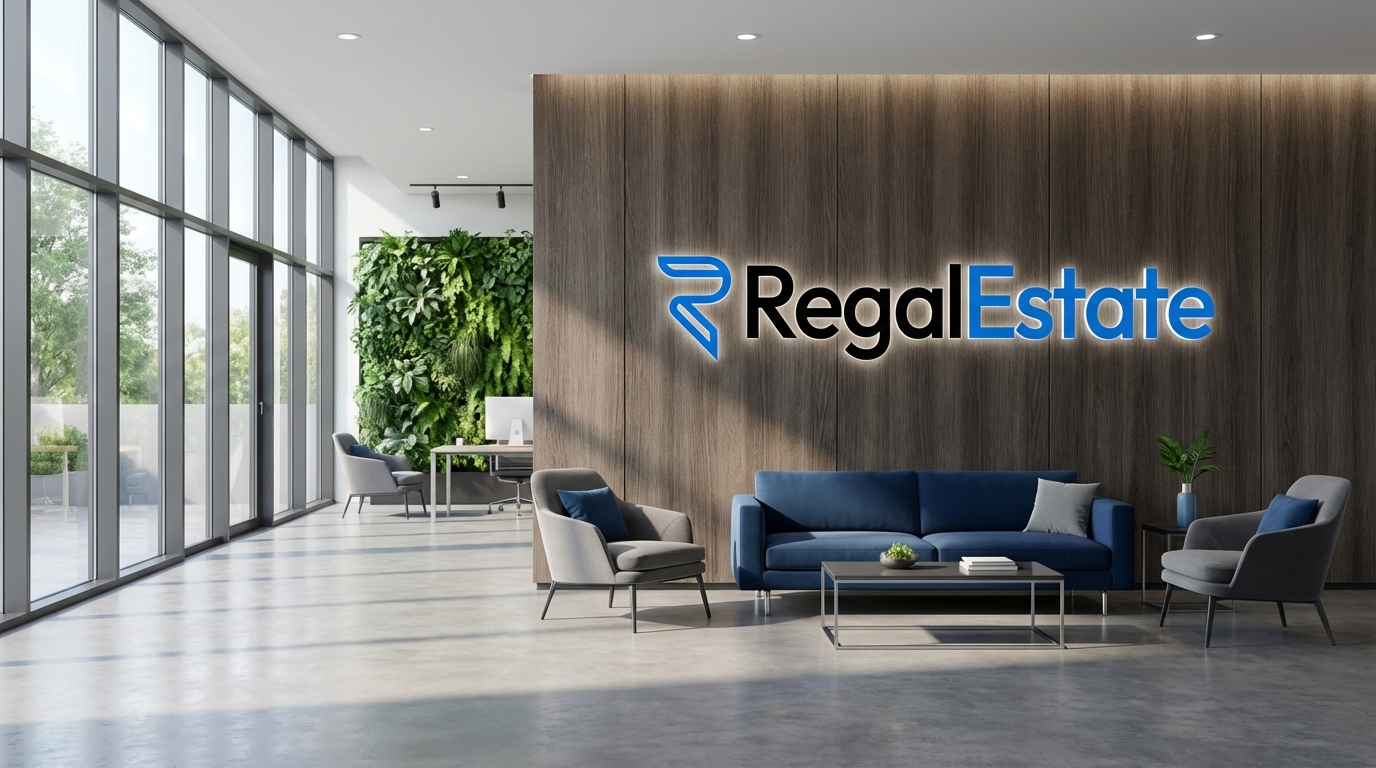
With a clear understanding of your brand’s psychological footprint, the next step is to translate these abstract values into concrete design choices. This is where the magic of environmental branding happens. Your brand’s color palette is the most immediate and impactful tool at your disposal. Use primary brand colors in prominent areas like reception or major corridors, and secondary colors in meeting rooms or breakout spaces to create a cohesive yet varied experience. Beyond color, consider materials. Natural materials like wood and stone can evoke feelings of warmth, authenticity, and connection to nature—a perfect fit for a brand focused on wellness or sustainability. Industrial elements like exposed concrete and metal can project a modern, edgy, and innovative vibe. Custom signage and environmental graphics are another powerful layer. This isn’t just about placing your logo on the wall. It’s about weaving your brand narrative throughout the space. Use wall murals to depict your company’s history, display quotes that reflect your mission, or create custom patterns from elements of your logo. These tangible elements serve as constant, physical reminders of the company’s purpose, turning passive space into an active participant in building and sustaining your culture.
The local filter: Infusing your space with Austin’s DNA
A brand that feels authentic understands its local context. For a workspace in the Texas capital, this means tuning into the city’s unique cultural frequency. Known as the ‘Live Music Capital of the World’ and a hub for artists, creators, and tech pioneers, the city has a distinctively eclectic and creative energy. Integrating local art is one of the most effective ways to channel this spirit. Partner with local galleries or artists to feature rotating exhibitions of paintings, sculptures, or photography. This not only supports the local creative community but also ensures your space feels dynamic and connected to the city’s cultural pulse. Music is another powerful element. Consider installing a high-quality sound system to play curated playlists of local musicians or dedicating a common area to a vinyl collection and turntable. The city’s love for the outdoors and green spaces can be reflected through biophilic design—incorporating abundant plant life, green walls, and maximizing natural light. These elements are proven to boost employee well-being and productivity. By thoughtfully incorporating these local touchstones, you create a space that feels less like a generic corporate office and more like a genuine part of the vibrant Austin ecosystem, making your brand more relatable and attractive to local talent.
Functional branding: designing for workflow and interaction
A beautifully branded space that hinders productivity is a failure. The ultimate goal is to create an environment where your brand identity actively supports your team’s workflow and desired interactions. This requires a strategic approach to layout and logistics known as activity-based working. Instead of assigning every employee a fixed desk, you design a variety of zones tailored to different tasks. These might include open-plan areas with hot-desking for collaborative projects, quiet zones or private pods for focused work, informal lounge areas for casual meetings, and technologically equipped conference rooms for formal presentations. Each of these zones can be branded to reinforce its purpose. For example, a ‘focus zone’ could use calming colors and acoustic paneling, while a ‘collaboration hub’ might feature vibrant colors, large whiteboards, and flexible furniture. This approach empowers employees to choose the environment that best suits their needs at any given moment, fostering autonomy and boosting efficiency. It also allows for a more dynamic and interactive use of the office, encouraging movement and cross-departmental communication. By designing a space that is as functional as it is inspiring, you demonstrate a deep commitment to your team’s success, which is the most powerful brand message of all.
Technology as a branding tool: creating a seamless experience
In a tech-forward city, integrating technology into your workspace is not just a necessity; it’s a branding opportunity. Smart office technology can be used to create a seamless, intuitive, and futuristic experience that reflects a modern, innovative brand. This starts from the moment someone enters your space. A digital check-in system for visitors, smart lighting that adjusts based on natural light levels, and a user-friendly app for booking meeting rooms all contribute to a frictionless experience. These systems can be customized with your brand’s colors, logos, and tone of voice. Digital displays in common areas can be used to showcase company news, celebrate team achievements, or even display real-time data relevant to your business. This not only keeps everyone informed but also transforms static walls into dynamic communication channels. For hybrid teams, equipping meeting rooms with high-quality video conferencing equipment and interactive digital whiteboards is essential. When this technology works flawlessly, it sends a clear message that your company is efficient, connected, and invested in providing the best tools for collaboration, regardless of physical location. By leveraging technology, you can extend your brand identity into the digital layer of your workspace, creating a truly integrated and forward-thinking environment.
Beyond the build-out: activating your branded space
The launch of your newly designed office is not the end of the branding process; it’s the beginning of a new chapter. A branded space is a stage, and it needs to be activated through events, rituals, and culture to bring it to life. Host internal events that make use of the different zones you’ve created, such as team-building activities in collaborative hubs or wellness workshops in your green spaces. Invite clients and community partners into your space for events that showcase your brand in action. This could be a networking event featuring local food and music, or a panel discussion on a topic relevant to your industry. These activations turn your office from a private workspace into a community hub, strengthening your brand’s presence and reputation. Encourage your team to take ownership of the space by forming committees to manage the art program, curate music playlists, or organize social events. When employees are actively involved in the life of the office, they become your most powerful brand ambassadors. The ongoing activation of your workspace is what transforms it from a static collection of design elements into a living, breathing embodiment of your brand and culture, ensuring it continues to resonate with your team and the wider community long after the initial reveal.
The ripple effect: measuring the ROI of a branded workspace
Investing in a branded workspace is a significant undertaking, and measuring its return is crucial. While some benefits are qualitative, many have a tangible impact on the bottom line. One of the primary metrics is talent acquisition and retention. Track metrics like time-to-hire and employee turnover rates before and after the redesign. A well-designed, branded space is a powerful recruiting tool and can significantly improve employee satisfaction and loyalty. Conduct regular employee engagement surveys to gauge how the new environment is affecting morale, productivity, and connection to the company culture. Another key area is brand perception. Monitor how clients and visitors react to the space. Their first impression can set the tone for the entire business relationship. A workspace that clearly communicates your brand’s values and professionalism can enhance your reputation and build client trust. For companies in creative or innovative fields, the workspace itself can become a powerful piece of marketing content, generating social media buzz and press coverage. Ultimately, a strategically branded environment is not an expense but an investment in your people, your culture, and your brand’s future. It creates a ripple effect, where a positive and engaging physical environment fosters a stronger culture, which in turn drives better performance and business success, especially within the competitive landscape of Austin.
Conclusion
In the final analysis, branding your space is a strategic imperative for any company looking to thrive. It is a declaration of identity, a tool for cultural cohesion, and a magnet for top talent. In a city as culturally rich and competitive as Austin, a thoughtfully designed workspace is your physical handshake, your brand story told in three dimensions. It moves beyond aesthetics to become an active asset that shapes behavior, inspires innovation, and fosters a deep sense of belonging. The process involves a careful alchemy of psychology, design, local culture, and technology, all working in concert to create an environment that is both beautiful and functional. By translating core values into tangible design elements, infusing the space with local character, and activating it through culture, companies can build more than just an office. They can build a destination—a place where employees feel energized, clients feel confident, and the brand feels vibrantly alive. This investment in physical space is ultimately an investment in the human experience, creating a powerful echo that amplifies your message and solidifies your presence in the market long after the first impression is made.