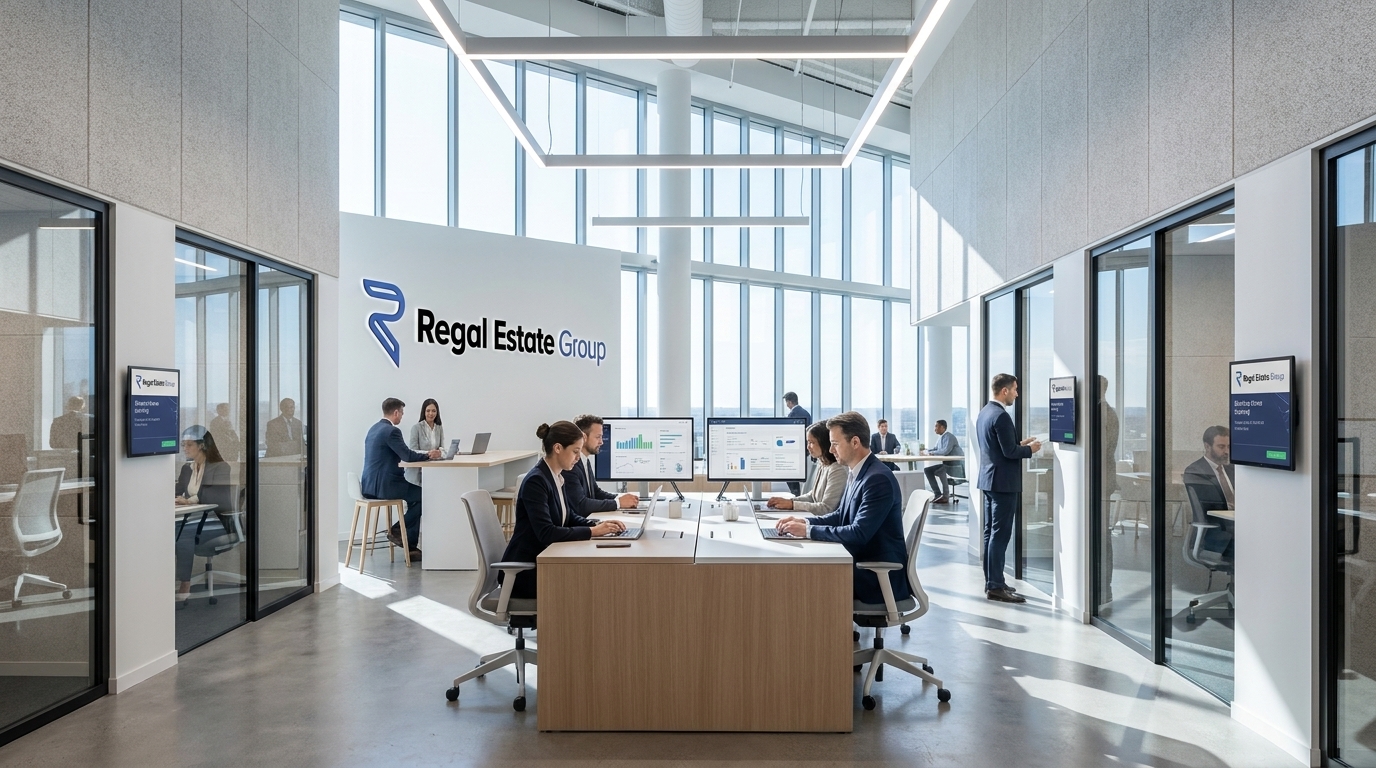
In today’s fast-paced business environment, the line between digital infrastructure and physical workspace has blurred into non-existence. A company’s IT setup is no longer an afterthought but the central nervous system of its operations, dictating everything from workflow efficiency to employee collaboration. For businesses looking to thrive, a proactive, integrated approach to IT and office design is essential. This is particularly true in dynamic commercial hubs where technology and innovation are cornerstones of the local economy. A forward-thinking strategy that aligns technological infrastructure with the physical layout from day one is no longer a luxury—it’s the foundational blueprint for success, ensuring scalability, security, and a seamless operational flow that can adapt to future demands.
The foundational audit: assessing your pre-move IT needs
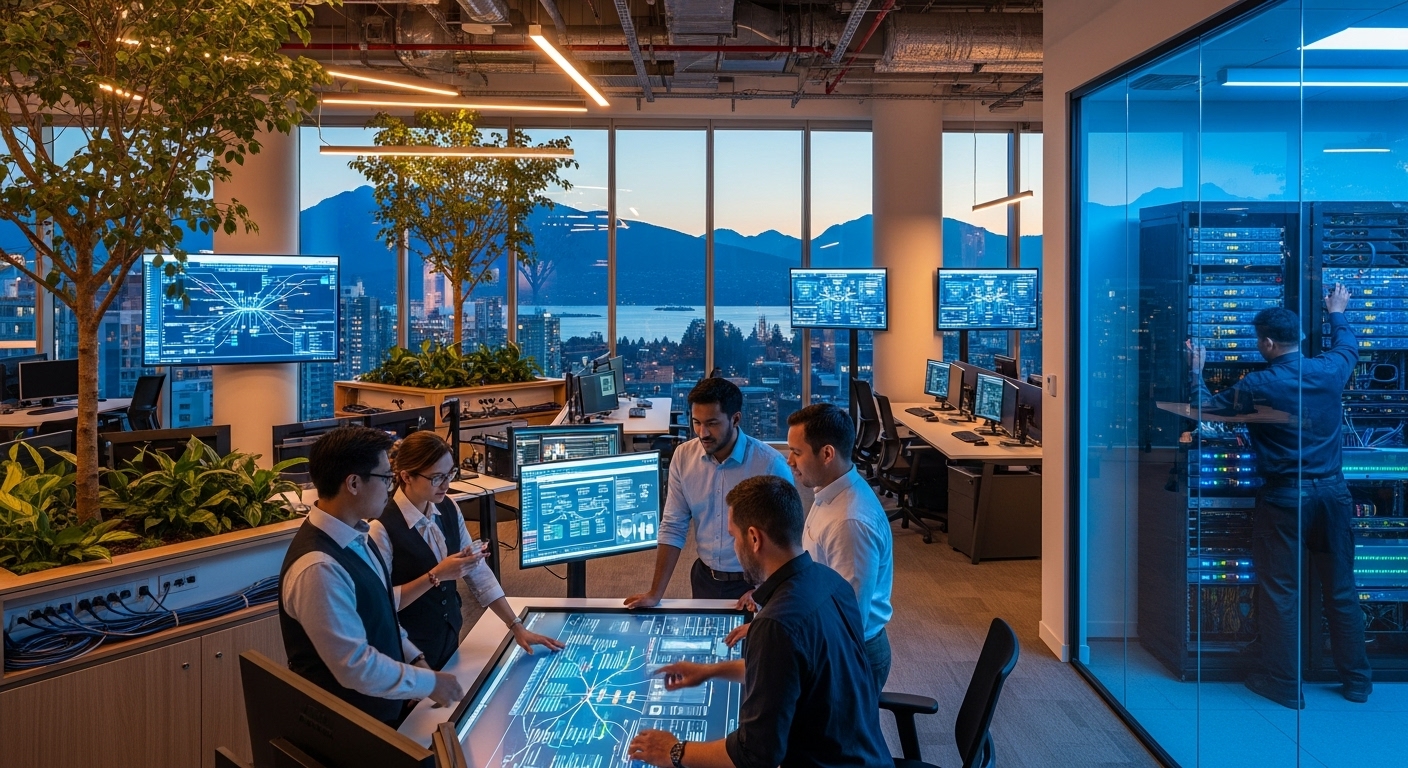
Before the first wall is erected or the first server rack is ordered, a comprehensive audit of your company’s IT requirements is the critical first step. This process goes far beyond a simple headcount of necessary workstations. It involves a deep dive into your operational workflows, data management protocols, and future growth projections. What are your current data storage and processing demands? What cloud services are you leveraging, and how will your new space’s connectivity support them? Consider the increasing reliance on video conferencing and collaborative cloud-based tools, which demand robust, high-speed internet with built-in redundancy. It’s also crucial to map out the physical locations of servers, network access points, and structured cabling to ensure optimal coverage and performance while minimizing unsightly wire clutter. Engaging with a managed IT service provider during this phase can provide invaluable expertise, helping to identify potential bottlenecks and craft a scalable infrastructure plan. Overlooking this foundational audit is a recipe for costly retrofits and operational friction down the line. A thorough assessment ensures that your new office is not just a space to work, but a high-performance engine tailored to your specific business processes and poised for future technological advancements.
Designing for connectivity: wiring, Wi-Fi, and future-proofing
Once you have a clear picture of your needs, the focus shifts to embedding connectivity into the very fabric of the office design. This is where the synergy between your IT team, architects, and interior designers becomes paramount. The goal is to create a ‘digital-first’ environment where technology is seamlessly integrated, not just added on. This starts with a meticulously planned structured cabling system—the hidden backbone of your network. Prioritizing high-grade ethernet cabling (like Cat6a or higher) is a crucial future-proofing measure, ensuring you can handle increasing data loads for years to come. The placement of floor boxes, data ports, and power outlets should be strategically mapped to accommodate flexible furniture arrangements and diverse work styles, from fixed desks to collaborative lounges. Furthermore, designing for robust Wi-Fi is non-negotiable. This involves conducting a wireless site survey to identify the optimal placement of access points, eliminating dead zones and ensuring consistent, high-speed coverage throughout the entire space. As businesses in Burnaby continue to adopt cloud-based solutions and mobile-first workflows, this emphasis on pervasive, reliable connectivity becomes a critical competitive advantage, ensuring teams remain productive and connected, no matter where they are in the office.
Integrating smart building technology for efficiency
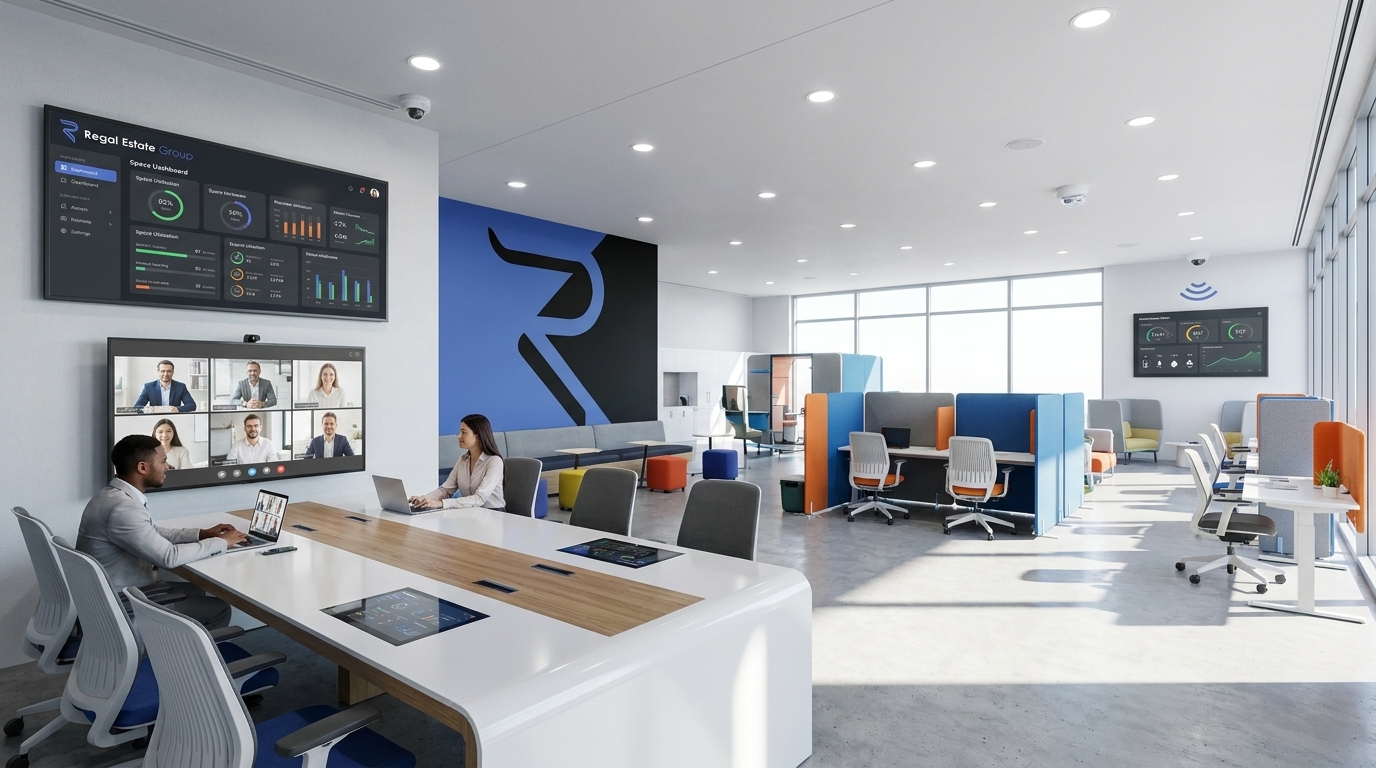
The modern office is becoming an intelligent, responsive environment, and integrating smart building technology is a key component of a forward-thinking IT and logistics strategy. This goes beyond automated lighting and climate control; it’s about creating a connected ecosystem that enhances both operational efficiency and the employee experience. Imagine a workspace where room booking systems automatically adjust temperature and lighting for a scheduled meeting, or where sensors provide real-time data on space utilization, allowing for more efficient management of real estate. These Internet of Things (IoT) devices, when planned as part of the initial IT infrastructure, can be seamlessly integrated into the building’s network. This requires careful consideration of network security to protect against potential vulnerabilities. By segmenting the IoT network from core business systems, you can mitigate risks while still harnessing the benefits. For companies setting up in the area, this level of integration is becoming a hallmark of a truly modern and competitive workspace, demonstrating a commitment to innovation and sustainability.
Security by design: from physical access to cybersecurity
In an integrated office, security must be a multi-layered concept that addresses both physical and digital threats from the outset. Your office layout and IT infrastructure should work in concert to create a secure environment. This begins with physical access control. Modern systems can integrate with your IT network, allowing for centralized management of employee access cards, visitor permissions, and even time-tracked entry logs for sensitive areas like server rooms. The placement of security cameras should be planned during the design phase to ensure comprehensive coverage without being intrusive. On the digital front, cybersecurity must be baked into the network architecture. This means implementing robust firewalls, segmented networks to isolate critical data, and a secure Wi-Fi infrastructure with separate guest and corporate access. As the City of Burnaby positions itself as a growing tech and business hub, companies establishing a presence here must prioritize a ‘security-by-design’ approach. This proactive stance not only protects valuable intellectual property and client data but also builds trust and confidence, which are invaluable assets in today’s digital economy. A breach resulting from poor planning can be devastating, making upfront investment in integrated security a non-negotiable aspect of office setup.
Logistics of the launch: planning the IT move and setup
The physical relocation and setup of your IT equipment is a critical phase where meticulous planning pays dividends. A well-orchestrated move minimizes downtime and ensures business continuity. The process should begin weeks, if not months, in advance with the creation of a detailed IT relocation plan. This includes inventorying all hardware—servers, workstations, printers, networking gear—and labeling everything clearly to correspond with the new office layout. It’s essential to coordinate closely with your moving company, ensuring they have the expertise to handle sensitive electronic equipment. Backing up all critical data before the move is an absolute must, providing a safety net against unforeseen events. On setup day, having a clear deployment strategy is key. Your IT team or managed service provider should have a floor plan marking the precise location for each piece of equipment. Prioritize setting up the core network infrastructure—routers, switches, and servers—first, followed by employee workstations. Thorough testing of all systems, from internet connectivity to individual application access, is the final, crucial step before your team walks in. A smooth, zero-downtime transition sets a positive tone for life in the new workspace.
Day one readiness: testing, training, and support
The ultimate measure of a successful IT and office integration is a seamless Day One experience for your entire team. Achieving this requires moving beyond the technical setup to focus on user readiness and support. Weeks before the move, a clear communication plan should be in place, informing employees about new systems, procedures, and where to find things in the new space. This is the time to conduct training sessions on any new technology being introduced, whether it’s a new video conferencing system, a smart room-booking platform, or updated security protocols. On the first day, and for the first few weeks, it’s vital to have dedicated on-site IT support. This ‘hypercare’ period allows for immediate troubleshooting of the inevitable small issues that arise, preventing minor glitches from becoming major frustrations. This proactive support ensures that employees can be productive from the moment they walk in, rather than spending their first day grappling with connectivity issues or unfamiliar technology. Investing in this final phase of the process solidifies the success of the entire project, ensuring the new office in Burnaby truly functions as the high-performance hub it was designed to be.
Ultimately, the fusion of IT infrastructure and office logistics is no longer a niche concern but the bedrock of a resilient and agile modern enterprise. Moving beyond a siloed approach—where the building is designed and technology is shoehorned in later—is essential for creating workspaces that are not only efficient but also intuitive and inspiring. This integrated blueprint, which prioritizes a digital-first design, robust security, and a seamless user experience, is the key to unlocking a company’s full potential. By treating technological and physical design as two halves of the same whole, businesses can create an environment that fosters collaboration, supports growth, and is prepared for the innovations of tomorrow. A well-executed integration is a powerful statement, signaling a commitment to operational excellence and a future-focused vision from day one.