In today’s interconnected world, the line between the physical and digital workplace has blurred into non-existence. Yet, many organizations still treat their security as two separate domains: one for the doors and locks, another for the firewalls and passwords. This siloed approach is a critical vulnerability. The most sophisticated cyberattack can be undone by a misplaced keycard, and the strongest physical security is meaningless if the network is wide open. As businesses design the next generation of workspaces, a fundamental shift is required—a move towards a security-first blueprint where physical design and digital defense are architected as a single, cohesive strategy from day zero. This integrated approach isn’t just about protecting assets; it’s about building a resilient operational environment where both people and data can thrive securely. This article explores the core principles of this unified model, from redefining the security perimeter for the hybrid era to fortifying your server room and securing the ever-expanding Internet of Things (IoT) landscape within your office.
1. Redefining the perimeter in the hybrid era
The concept of a security perimeter has fundamentally changed. The traditional model of a fortified castle with a moat—a strong external defense protecting a trusted internal network—is obsolete. Today, the perimeter is fluid and fragmented, extending to every remote employee’s home office, every mobile device, and every cloud service. For office design and IT setup, this means the physical building is no longer the boundary of your defense but a critical, high-density node within a much larger network. Acknowledging this reality requires a strategic pivot to a zero-trust architecture. This model operates on the principle of ‘never trust, always verify,’ assuming that threats can exist both outside and inside the traditional network. In practice, this means every user and device must be authenticated and authorized before accessing any resource, regardless of their physical location. The office IT infrastructure must be designed to support this, with robust identity and access management (IAM) systems that are seamlessly integrated with both on-site and cloud applications. This ensures that an employee logging in from their desk in the office is subject to the same rigorous security checks as one logging in from a coffee shop miles away, creating a consistent and defensible security posture across the entire organization.
2. The physical foundation of digital security
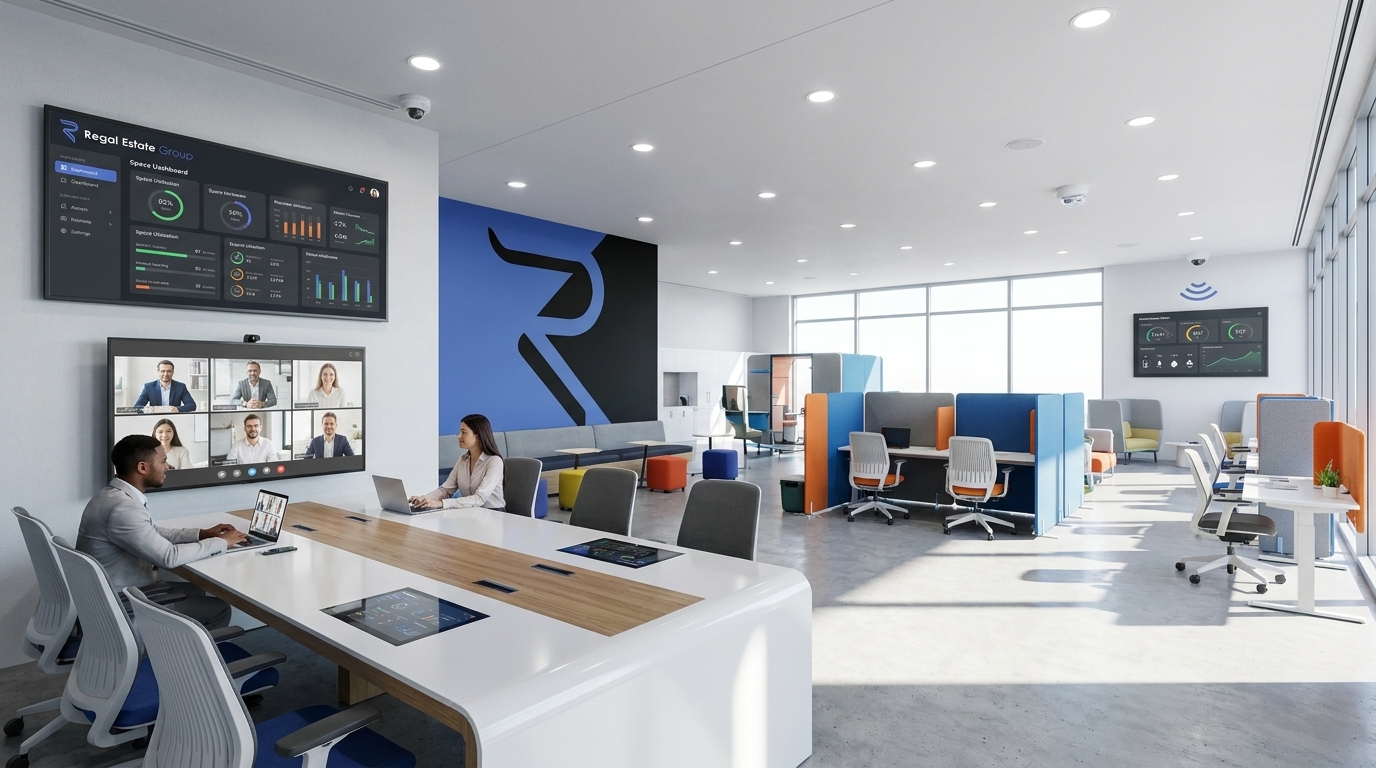
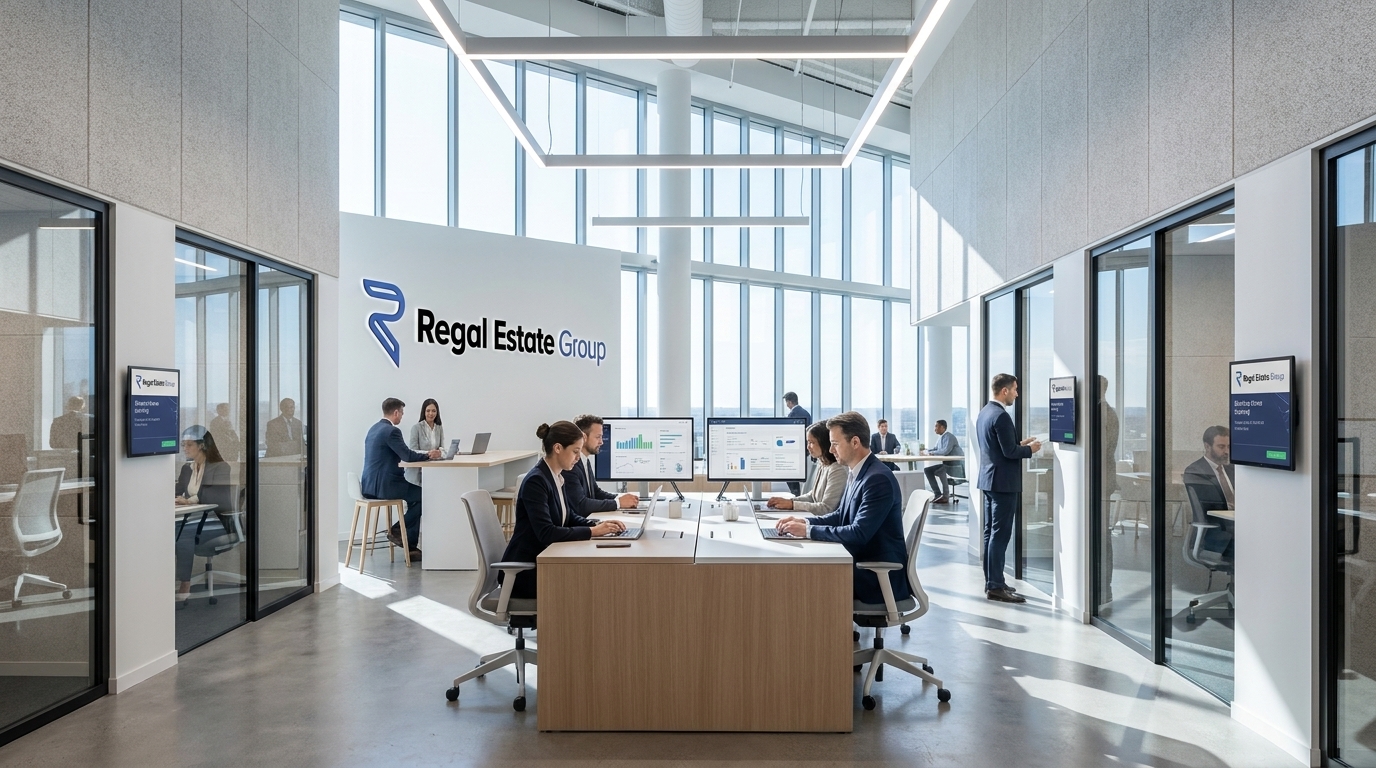
Your digital assets exist in a physical space, and protecting them begins with controlling that space. Integrating physical security into your office design is the first layer of a robust defense-in-depth cybersecurity strategy. This starts with creating clear security zones. Publicly accessible areas like the lobby should be physically and logically separated from employee workspaces, which are further separated from highly sensitive areas like server rooms or finance departments. This ‘zoning’ is enforced through a modern access control system. Biometric scanners or encrypted keycards provide a detailed audit trail, showing who accessed which area and when. This data can be invaluable, as security information and event management (SIEM) systems can correlate a physical access alert—like an unauthorized attempt to enter the server room—with network activity to identify a potential coordinated attack. Furthermore, the strategic placement of high-definition surveillance cameras, covering entry points and sensitive zones, acts as both a deterrent and an investigative tool. Even furniture layout plays a role; positioning monitors away from windows and walkways prevents casual ‘shoulder surfing’ and protects sensitive information from visual eavesdropping. These physical measures are not just about preventing theft of hardware; they are about protecting the data contained within it by denying unauthorized individuals the opportunity to access or tamper with critical IT infrastructure.
3. Architecting a zero-trust network within your walls
A zero-trust model doesn’t stop at the front door; it must be woven into the very fabric of your internal network. Once an employee is inside the building and connected to the Wi-Fi, the assumption cannot be that they are automatically trustworthy. The internal network should be viewed with the same skepticism as the public internet. This is achieved primarily through network segmentation. Instead of a single, flat network where every device can communicate with every other, the network is broken into smaller, isolated sub-networks. For instance, the guest Wi-Fi network should be completely firewalled from the corporate network. The marketing department’s network segment should be separate from the engineering department’s, and critical infrastructure like servers should reside on their own highly restricted segment. This practice contains breaches; if a device on one segment is compromised, the attacker’s movement is limited, preventing them from easily accessing the entire organization’s digital assets. This principle extends to endpoint security for every device, from laptops to printers. Each endpoint must be equipped with advanced threat protection, and policies must be in place to ensure software is constantly patched and updated, closing vulnerabilities that attackers seek to exploit. By designing the network with these principles, you create a resilient internal ecosystem where trust is granted on a least-privilege basis, significantly reducing the attack surface.
4. The secure server room as the office fortress
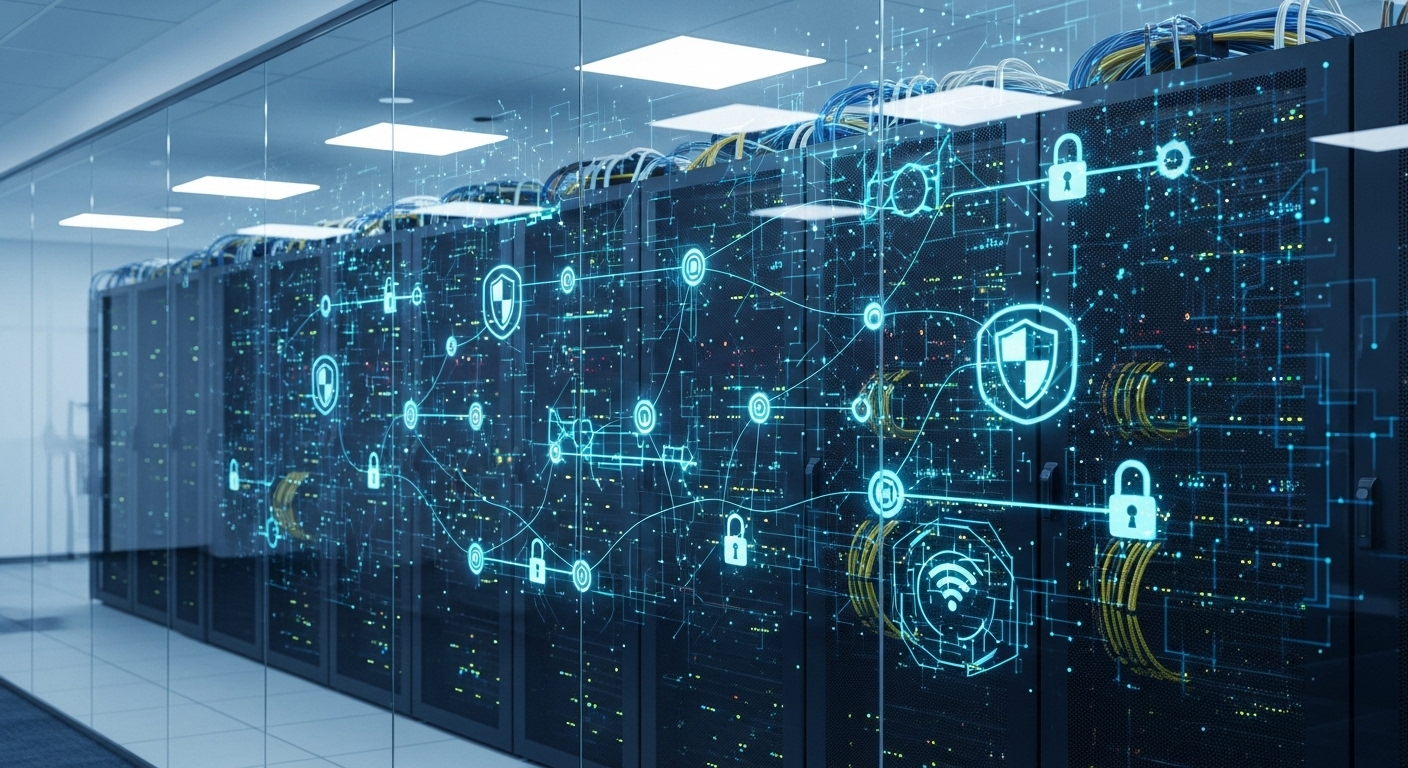
The server room is the heart of your on-premise IT infrastructure, housing the systems and data that are most critical to your operations. As such, it demands a dedicated and multi-layered security strategy that merges the physical and the digital. The location itself is the first consideration; it should be in a low-traffic area, ideally without external walls or windows, and away from potential physical hazards like water pipes. Physical access must be strictly controlled with measures beyond a simple lock and key, such as a combination of keycard and biometric authentication. Only a limited number of authorized personnel should ever have access. Environmental controls, including dedicated cooling and fire suppression systems, are crucial for protecting the hardware from physical damage and ensuring operational continuity. From a digital perspective, the server room’s network segment must be the most secure in the entire organization, heavily firewalled and monitored 24/7 for any unusual activity. All data stored on these servers should be encrypted at rest, ensuring that even if a physical drive is stolen, the information on it remains inaccessible. By treating the server room as a fortress within a fortress, you create a hardened core for your most valuable digital assets, ensuring they are protected against both sophisticated cyber threats and brute-force physical attacks.
5. Smart office tech: a new frontier for security
The rise of the smart office, powered by a vast array of Internet of Things (IoT) devices, presents both incredible opportunities for efficiency and significant new security challenges. Smart lighting, automated climate control, intelligent booking systems, and connected security cameras all become potential entry points for attackers if not properly secured. Each of these devices is essentially a small computer connected to your network, and they are often manufactured with weak or non-existent security features. To mitigate this risk, a core principle of IT design must be to isolate all IoT devices on their own dedicated, firewalled network segment. This ensures that even if a smart thermostat is compromised, the attacker cannot use it as a pivot point to access sensitive corporate data or critical systems. It is also essential to change all default usernames and passwords on these devices during setup, as these are often publicly known and easily exploited. Establishing a strict procurement policy that favors manufacturers with a proven track record of security and regular firmware updates is another crucial step. By proactively managing the security of your smart office technology, you can embrace the benefits of an intelligent and responsive workplace without inadvertently opening new doors for cyber threats.
6. Integrating IT logistics for secure asset management
A comprehensive security-first blueprint extends beyond network architecture and physical design; it must also encompass the entire lifecycle of your IT assets. Secure IT logistics ensures that hardware is protected from the moment of procurement to its final decommissioning. This process begins with sourcing equipment from trusted vendors and establishing a secure chain of custody during delivery to prevent tampering before the hardware even enters the building. During setup and deployment, every new device, from laptops to servers, must be properly configured according to your organization’s security baseline before it is connected to the corporate network. This includes installing endpoint protection, enabling encryption, and removing unnecessary software. Throughout the asset’s life, a robust tracking system is essential to know where every piece of equipment is, who is using it, and that it is receiving necessary security patches. Finally, and most critically, is the decommissioning process. When a device reaches the end of its life, it cannot simply be discarded. Data must be securely and permanently wiped from hard drives using certified methods, or the drives must be physically destroyed to ensure that sensitive corporate information cannot be recovered. This holistic approach to IT asset management closes security gaps that often exist at the beginning and end of a device’s lifecycle.
Ultimately, designing a secure modern office is not a task for a single department but a collaborative effort between IT, facilities, and leadership. The security-first blueprint is a strategic acknowledgment that physical and digital defenses are two sides of the same coin. By moving away from a siloed security posture and embracing an integrated design philosophy, organizations can create a truly resilient workplace. This means building an environment where network segmentation is as logical as the floor plan, where access control applies to both doors and data, and where the lifecycle of every IT asset is managed with security in mind. In an era of ever-evolving threats, this unified approach is no longer just a best practice; it is the essential foundation for protecting your people, your data, and your future. The most effective defense is one that is built-in from the ground up, not bolted on as an afterthought.