The traditional office is a relic. The sea of identical desks under fluorescent lights, designed for a 9-to-5, in-person workforce, no longer serves the dynamic, hybrid nature of modern work. As companies grapple with new schedules and heightened employee expectations for well-being, the physical workspace has become a critical strategic asset. Sticking to outdated layouts risks disengagement, lost productivity, and an inability to attract top talent. The solution lies in adaptability—creating flexible, multi-functional environments that empower employees to work at their best. This post explores the principles of the adaptable office, from strategic zoning to neuro-inclusive design, providing a framework for creating a workspace that is not just a container for work, but a catalyst for success. We will delve into the core components that make a layout truly flexible and how to implement a design that can evolve with your organization’s needs.
The evolution from static spaces to dynamic ecosystems
For decades, office design followed a rigid trajectory. The mid-20th century gave us the cubicle farm—cellular, private spaces designed for individual, focused work. While it offered privacy, it was often criticized for isolating employees and stifling collaboration. In response, the pendulum swung dramatically to the other extreme: the open-plan office. This model aimed to tear down walls, both literal and figurative, to foster a culture of open communication and spontaneous interaction. However, it often resulted in a distracting, noisy environment that hindered deep concentration and created a sense of exposure. Today, we recognize the fatal flaw in both models: the assumption that one size fits all. The modern workforce is not monolithic; it’s a diverse group of individuals with varied tasks, work styles, and sensory needs. The rise of hybrid work has further shattered the old paradigm. An office that is only half-full on any given day cannot justify a sea of assigned desks. The contemporary challenge is to create a destination, a dynamic ecosystem that offers a compelling reason to commute. This means providing a variety of spaces that support different activities—collaboration, focused work, socialization, and rejuvenation—giving employees the autonomy to choose the environment that best suits their task at hand.
Core principles of the adaptable office layout
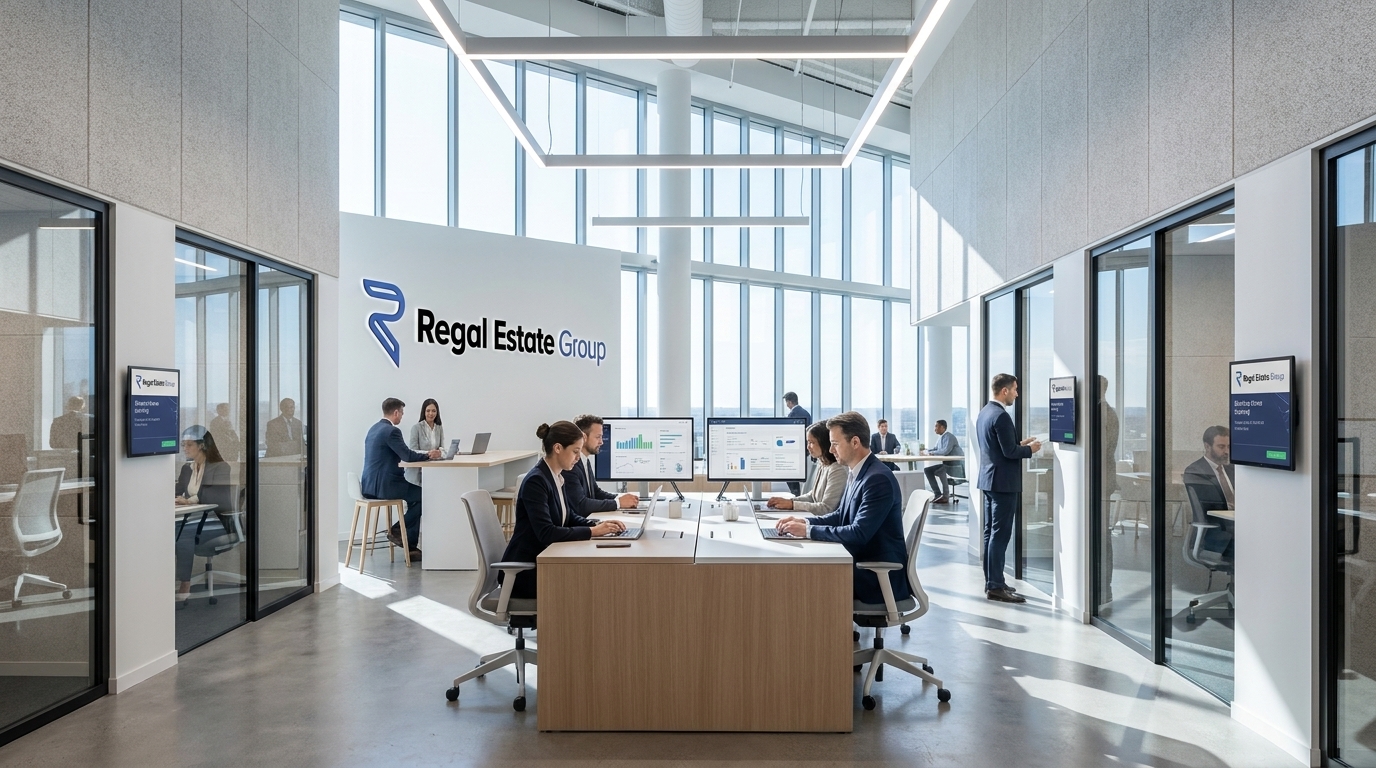
An adaptable office is built on a foundation of flexibility, modularity, and choice. The primary goal is to create a fluid environment that can be easily reconfigured to meet changing needs without requiring a complete overhaul. The first principle is modularity. This involves using movable walls, reconfigurable workstations, and lightweight, multi-purpose furniture. A space that hosts a team workshop in the morning can be transformed into smaller breakout zones in the afternoon. This approach moves away from fixed, built-in structures towards a more agile, kit-of-parts system. The second principle is multi-functionality. Every area and piece of furniture should be able to serve multiple purposes. A café area, for instance, is not just for coffee breaks; with integrated power outlets and comfortable seating, it becomes a hub for informal meetings and solo work. Tiered seating in a common area can serve as a space for company-wide presentations, collaborative sessions, or simply a place for employees to relax. The third, and most critical, principle is employee choice. Rather than assigning a single desk to each person, the adaptable office provides a menu of work settings. This empowers employees to take control of their environment, leading to increased satisfaction, autonomy, and productivity. By trusting individuals to choose where and how they work best, organizations foster a culture of responsibility and engagement.
Zoning for success: key spaces in a flexible office
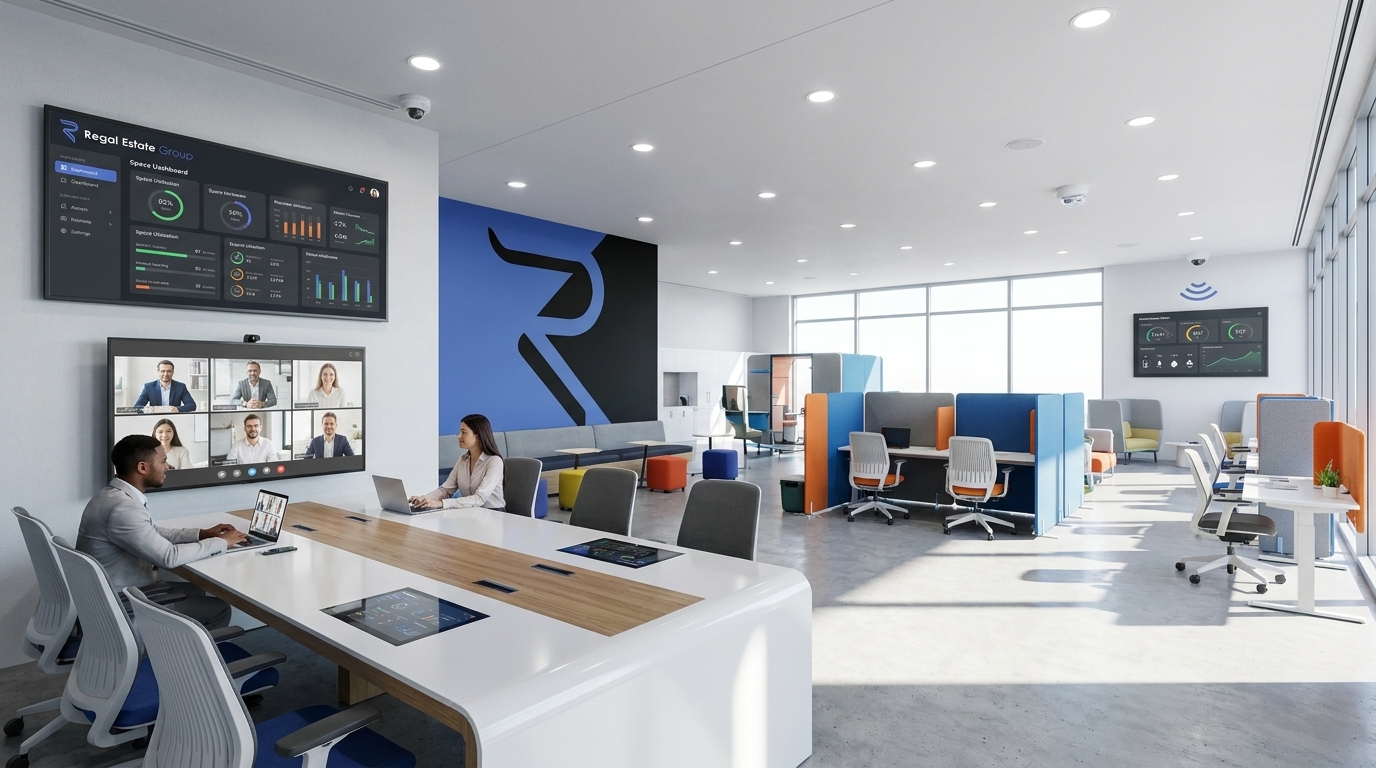
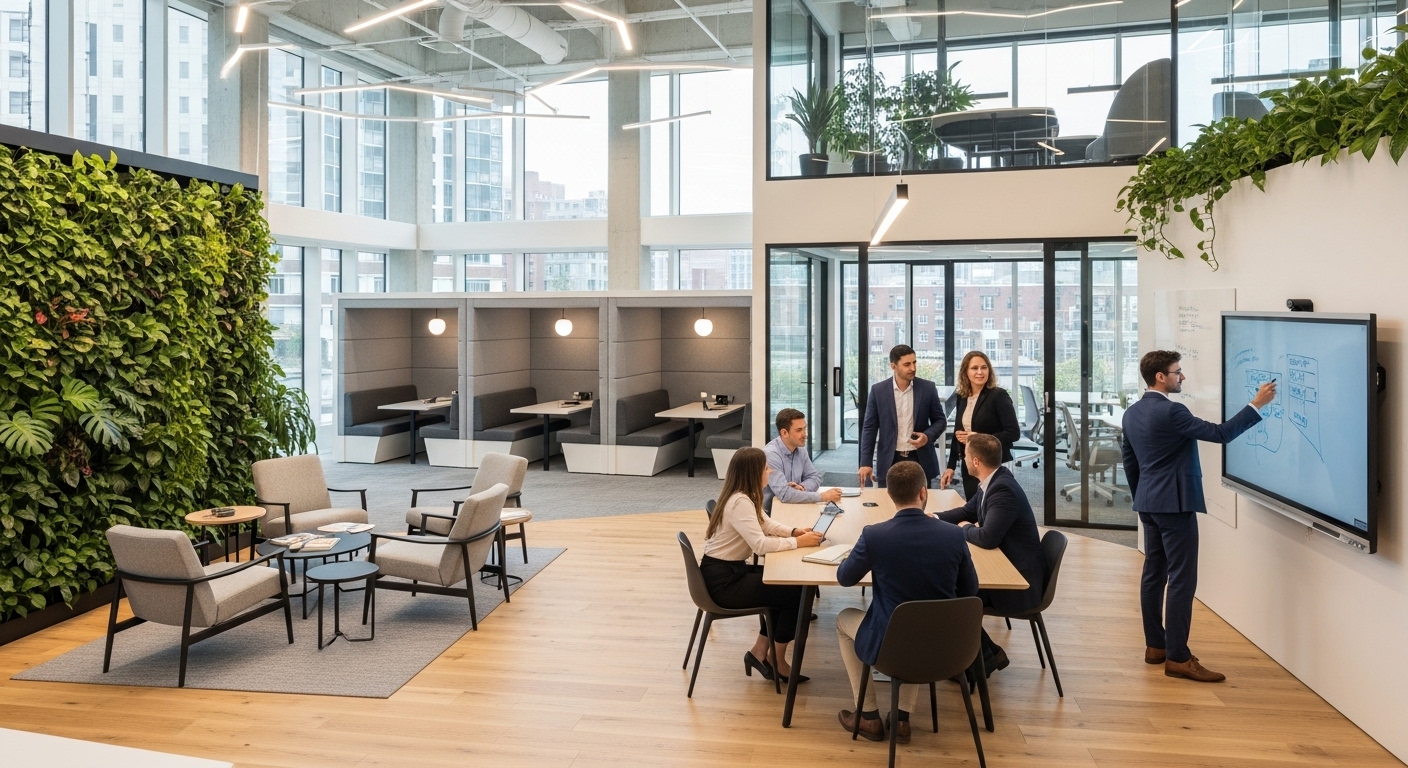
The strategy of providing choice is best executed through zoning—the creation of distinct areas designed for specific activities. This model, often referred to as Activity-Based Working (ABW), ensures that the office supports the full spectrum of work. A well-zoned office typically includes several key spaces. First are the focus zones. These are sanctuaries for concentrated, individual work, designed to minimize distractions. They can range from single-person pods with acoustic insulation and adjustable lighting to designated quiet rooms where conversations are disallowed. Next are the collaboration zones, which are dynamic spaces built for teamwork. These areas are outfitted with large digital whiteboards, flexible seating arrangements, and project tables, encouraging brainstorming and co-creation. For more formal discussions, a variety of meeting rooms, from small huddle rooms for two or three people to larger, tech-enabled conference rooms for hybrid meetings, are essential. Finally, social and regenerative zones are vital for building community and preventing burnout. These include inviting lounges, well-stocked kitchens, and even outdoor terraces. These spaces encourage the spontaneous interactions that build strong company culture and provide a place for employees to decompress and recharge, recognizing that breaks are just as important to productivity as focused work.
Designing for well-being and neurodiversity
A truly adaptable office is an inclusive one. Designing for well-being means creating an environment that supports the physical, mental, and emotional health of every employee. A key component of this is neuro-inclusive design, which acknowledges that up to 20% of the population is neurodivergent, meaning their brains process information differently. A workspace that is overwhelming for one person may be perfect for another. Therefore, variety and control are paramount. This begins with sensory-sensitive design. For example, lighting should be adjustable, with options to control brightness and color temperature, moving away from the harsh, uniform glare of traditional fluorescent bulbs. Maximizing natural light is beneficial for everyone. Acoustics must also be carefully managed. Sound-absorbing materials, acoustic panels, and even white noise systems can reduce distracting background noise. Providing enclosed pods or ‘sensory havens’ offers a necessary retreat for those who are easily overstimulated. Biophilic design—the integration of natural elements like plants, water features, and natural materials—has been proven to reduce stress and improve focus. Simple, clear wayfinding with logical layouts and distinct landmarks helps reduce cognitive load and anxiety, making the space easier and more comfortable for everyone to navigate.
The technology backbone of a flexible workspace
Technology is the invisible engine that powers a successful adaptable office. Without a robust and seamless tech infrastructure, the concept of a fluid, flexible workspace quickly falls apart. The first critical element is high-speed, reliable Wi-Fi that provides consistent coverage across every zone, from focus pods to outdoor terraces. Employees must be able to move freely without losing connectivity. The second element is a user-friendly resource booking system. In a non-assigned seating environment, employees need an easy way to find and reserve desks, meeting rooms, and private pods. Modern booking platforms, often accessible via a mobile app, provide real-time floor maps showing available spaces, preventing frustration and saving valuable time. This technology also provides facility managers with crucial data on how the space is being used, allowing for continuous optimization of the layout. Finally, equipping collaboration spaces with high-quality video conferencing technology is non-negotiable in the age of hybrid work. Seamless audio and video ensure that remote team members can participate in meetings on an equal footing, fostering a more inclusive and connected culture regardless of physical location. Power accessibility is also a fundamental need, with outlets and charging stations integrated into furniture and common areas throughout the office.
A practical roadmap to implementing your new layout
Transitioning to an adaptable office layout is a significant change that requires careful planning and management. The first step is a thorough discovery phase. Don’t assume you know what your employees need; ask them. Conduct surveys, interviews, and workshops to understand their daily tasks, pain points with the current layout, and what they desire in a new workspace. Observe how different teams currently use the space to identify patterns and needs. The second step is to build a cross-functional team of stakeholders, including representatives from HR, IT, and various departments, to ensure the design aligns with business goals and company culture. Once you have a clear vision, the third step is to pilot the new concept. Test out new furniture, zones, and technologies in a limited area of the office. This allows you to gather real-world feedback and make adjustments before a full-scale rollout. Communication is the fourth and most critical step. A well-planned change management strategy is essential for success. Be transparent about the reasons for the change, clearly communicate the benefits, and provide training on how to use the new spaces and technologies. Leading by example is crucial; when senior leaders embrace the new way of working, other employees are more likely to follow suit and adopt the new environment enthusiastically.
Conclusion
The office is no longer a mandatory destination; it is a strategic tool for fostering innovation, collaboration, and culture. Moving away from rigid, one-size-fits-all models to an adaptable office layout is an investment in your most valuable asset: your people. By embracing principles of modularity, choice, and multi-functionality, organizations can create dynamic ecosystems that cater to diverse tasks and work styles. Integrating thoughtful zoning, from quiet focus pods to vibrant collaboration hubs, ensures that every employee can find the environment they need to be productive. Crucially, a human-centric approach that prioritizes well-being and neuro-inclusive design creates a supportive and equitable workplace for all. Supported by a seamless technology backbone, this new model of office design is not just about aesthetics; it’s about building a resilient, engaging, and future-proof organization. The adaptable office is a clear declaration that a company trusts its employees, values their well-being, and is committed to providing them with the best possible environment to succeed.