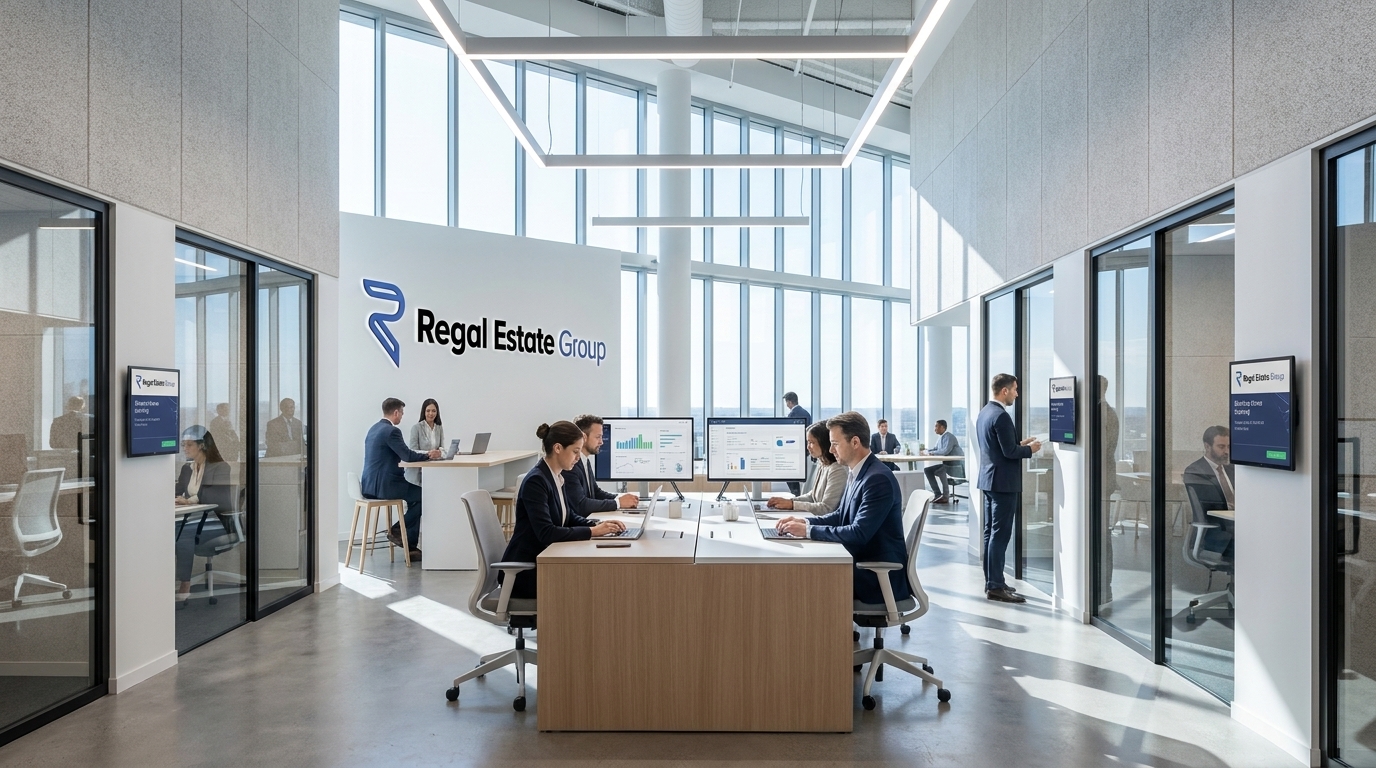
In the evolving landscape of work, the office is no longer merely a place for task execution. It has transformed into a cultural hub, a destination for collaboration, and a physical manifestation of a company’s identity. As businesses compete for top talent and strive to foster innovation, the strategic branding of a physical workspace has shifted from an aesthetic afterthought to a critical business investment. Recent trends show a decisive move away from generic corporate environments towards experience-driven spaces that boost engagement and reflect core values. This article explores the tangible returns of investing in a branded office, offering a quantitative look at how a well-designed space directly impacts employee retention, productivity, and the bottom line.
The psychological impact of a branded environment
A workspace is a powerful, non-verbal communicator of company culture and values. When employees walk into an office that visually and functionally aligns with the brand’s mission, it creates an immediate sense of belonging and purpose. This is more than just placing logos on walls; it’s about translating abstract values into a tangible, immersive experience. For example, a company that values transparency might utilize glass walls and open-plan layouts, while a brand focused on innovation could feature dynamic, reconfigurable furniture and interactive technology. This alignment fosters a deeper connection between the employee and the organization. Studies in environmental psychology confirm that our surroundings have a profound effect on our mood, behavior, and motivation. A space that feels authentic and supportive can reduce stress, enhance creativity, and reinforce the positive aspects of a company’s culture, making employees feel valued and understood. This psychological buy-in is the foundation for increased engagement and loyalty, directly combating the costly issue of employee turnover.
Boosting productivity and innovation by design
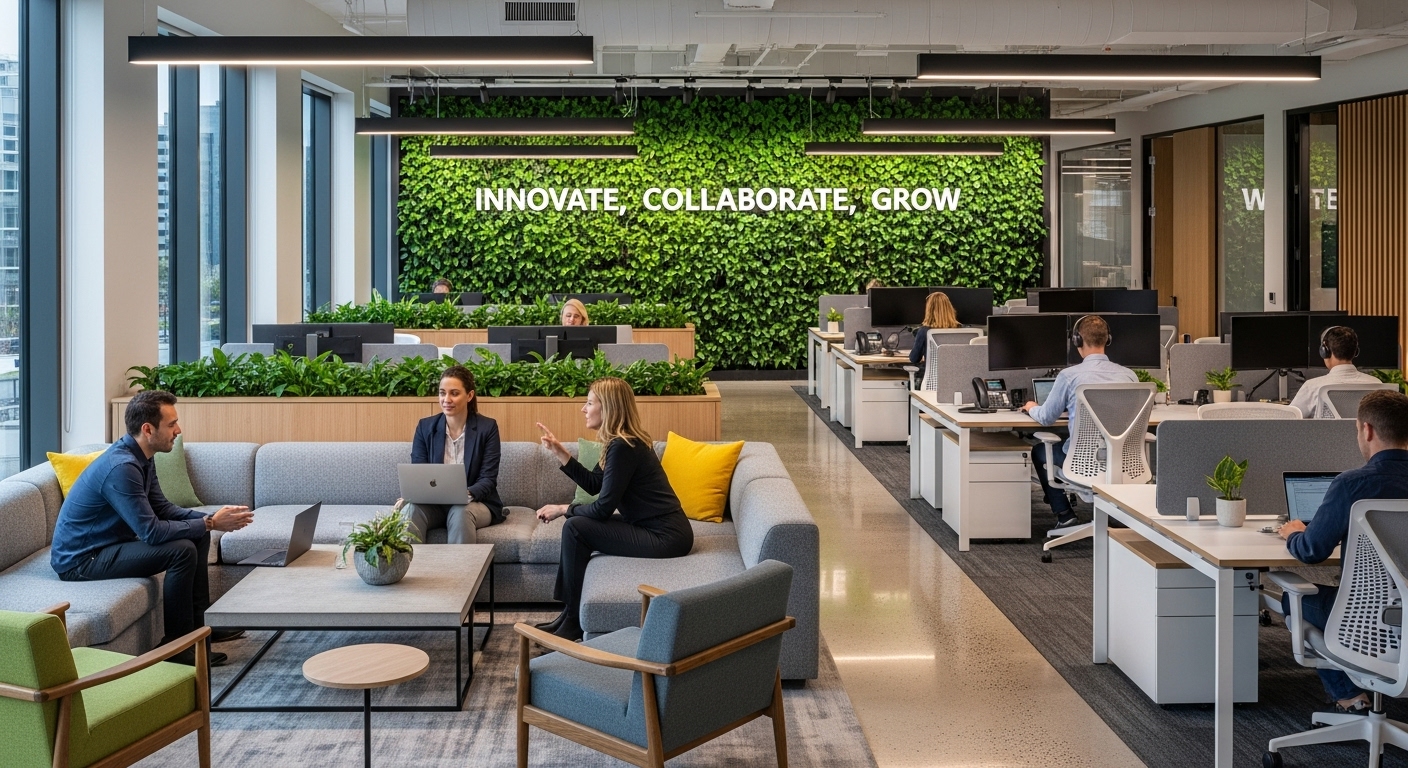
The design of a branded space has a direct and measurable impact on employee output. Strategic design goes beyond aesthetics to create an ecosystem that supports various work styles and tasks. According to a study by the Design Council, a strategically designed office can lead to a 20% increase in employee productivity. This is achieved by creating a variety of work settings, from quiet zones for focused tasks to vibrant hubs for collaboration. Integrating biophilic design—the use of natural elements like plants, natural light, and organic materials—has been shown to increase productivity by up to 12% and creativity by 15%. When the physical environment is curated to reflect a brand’s commitment to well-being and efficiency, it empowers employees to perform at their best. Furthermore, a space designed to encourage spontaneous interaction and cross-departmental communication can become a catalyst for innovation, providing the fertile ground where new ideas can emerge and develop.
A strategic tool for talent acquisition and retention
In a competitive job market, a branded office is a key differentiator. It is one of the most powerful tools in a company’s arsenal for attracting and retaining top talent. The physical workspace offers potential hires a tangible glimpse into the company’s culture, values, and how it treats its people. A well-designed, engaging environment can be the deciding factor for a candidate choosing between multiple offers. The impact on retention is equally significant. Businesses that create environments aligned with their brand values report up to 31% higher talent retention rates. The cost of replacing an employee can be substantial, often ranging from 50% to 200% of their annual salary. By investing in a space that fosters loyalty and satisfaction, companies can drastically reduce these turnover-related expenses. The workspace becomes a daily affirmation to employees that they are part of a thriving, supportive organization that invests in their well-being and professional growth.
Translating core values into tangible design elements
The process of branding a space begins with a deep understanding of a company’s core values. Each value can be translated into specific design choices. A brand centered on sustainability can use recycled materials, energy-efficient lighting, and living green walls. A company promoting collaboration can design flexible breakout areas, communal lounges, and integrated technology to facilitate teamwork. For a brand that champions well-being, the focus might be on ergonomic furniture, quiet rooms for meditation, and fitness amenities. The key is authenticity. The design should not be a superficial application of brand colors but a thoughtful integration of the company’s ethos into the very fabric of the building. For instance, a tech company known for its sleek, minimalist products should have an office that reflects that same design language, reinforcing brand identity for both employees and visiting clients. This cohesive approach turns the office into a powerful storytelling medium.
Integrating technology for an immersive brand experience
In the modern workplace, technology is not just a tool for productivity; it’s an integral part of the brand experience. Smart office technology can be seamlessly integrated into the design to enhance both functionality and brand narrative. This could include interactive digital displays showcasing company milestones, IoT-enabled workstations that adapt to individual preferences, or ambient soundscapes that change throughout the day to manage energy levels. For example, a forward-thinking tech firm might use AI-driven space optimization to ensure efficient use of meeting rooms, demonstrating its commitment to innovation in its own operations. Technology can also be used to bridge the gap between physical and remote workers, with state-of-the-art video conferencing and collaboration tools ensuring that the brand experience is consistent for everyone. By leveraging technology, companies can create a dynamic, responsive, and truly immersive environment that brings their brand to life in a memorable and impactful way.
Measuring the return: key metrics for success
To truly understand the value of branding your space, it’s essential to measure its impact. The return on investment can be quantified through several key metrics. The most direct financial gain comes from reduced employee turnover and increased productivity. To measure this, it’s crucial to establish baseline data before the redesign. Track metrics like employee retention rates, absenteeism, and key performance indicators (KPIs) related to output. Post-implementation, these figures can be compared to calculate the financial benefit. Furthermore, employee engagement and satisfaction surveys provide invaluable qualitative data. Questions can be tailored to assess how the new environment affects employees’ sense of belonging, well-being, and connection to the company culture. As one report highlights:
Businesses with environments aligned to their brand values report 24% higher employee engagement scores.
By tracking both the hard numbers and the human experience, a company can build a comprehensive case for the significant and multifaceted ROI of a strategically branded workspace, proving it’s an investment that pays dividends in culture, performance, and profitability.
Investing in a branded workspace is a strategic imperative in today’s competitive business environment. It is a powerful declaration of a company’s identity, a catalyst for productivity and innovation, and a magnet for top talent. By moving beyond mere aesthetics to create an authentic, experience-driven environment, organizations can foster a deeper connection with their employees, reinforcing the values that drive their success. The quantitative data is clear: a well-branded office leads to higher engagement, better retention, and increased productivity. These are not just improvements in metrics; they are indicators of a thriving, resilient culture. In the final analysis, branding your space is not an expense but an investment in your most valuable asset—your people. It’s about building a physical foundation for a culture that will propel the organization forward, making the office not just a place to work, but a destination for growth and achievement.